Antioxidants for Healthy Aging: Building More Purposeful Supplement Formulas

October 1, 2026 |

Antioxidants work through different pathways and in different parts of the body. Understanding those differences can help supplement brands create more focused, effective, and formulation-ready healthy-aging products.

At a Glance

  • Oxidative stress can damage lipids, proteins, DNA, and mitochondria. However, reactive oxygen species also support necessary cellular functions.
  • Antioxidants differ in their solubility, biological location, mechanism, stability, and formulation requirements.
  • Vitamin C, vitamin E, carotenoids, CoQ10, and botanical polyphenols provide complementary benefits.
  • Some antioxidants act directly, while others strengthen the body’s internal antioxidant and cellular-defense systems.
  • Strong healthy-aging formulas start with a defined benefit and use purposeful ingredient combinations rather than oversized antioxidant blends.
  • Ingredient standardization, bioavailability, sensory properties, processing conditions, and shelf-life stability can determine whether a formula succeeds.

Antioxidants in Healthy-Aging Supplement Formulation

Antioxidants have long been associated with anti-aging supplements. However, the category is moving beyond simple promises of “fighting free radicals.” Today, healthier aging is increasingly connected with cellular resilience, mitochondrial function, cognitive wellness, skin health, vision, circulation, and the ability to remain active over time.

That broader perspective creates opportunities for more targeted products. It also makes ingredient selection more complex. Vitamin C, vitamin E, carotenoids, CoQ10, pine bark, grape seed, pomegranate, green tea, and other botanical extracts may all contribute to antioxidant support. Yet they do not work in the same locations or through identical mechanisms.

Some antioxidants operate primarily in water-based environments. Others protect lipid-rich cellular membranes or participate in mitochondrial energy production. Many plant compounds also influence antioxidant enzymes, inflammatory signaling, and cellular stress-response pathways. As a result, a long ingredient list does not necessarily create a stronger product.

Healthy Aging Requires More Than Free-Radical Scavenging

Oxidative stress occurs when the production of reactive oxygen species exceeds the body’s ability to regulate or repair the resulting effects. Excessive oxidative stress can contribute to lipid peroxidation, protein modification, mitochondrial dysfunction, DNA damage, and cellular senescence. These processes intersect with several biological changes associated with aging.

However, antioxidant activity in a laboratory test does not automatically translate into a meaningful result in humans. Digestion, metabolism, tissue distribution, dose, ingredient form, and interactions with the gut microbiome can all influence biological activity.

Therefore, supplement brands should evaluate more than an ingredient’s stated antioxidant capacity. The stronger question is whether the ingredient delivers a relevant mechanism, suitable dose, validated specification, and stable form for the intended healthy-aging benefit.

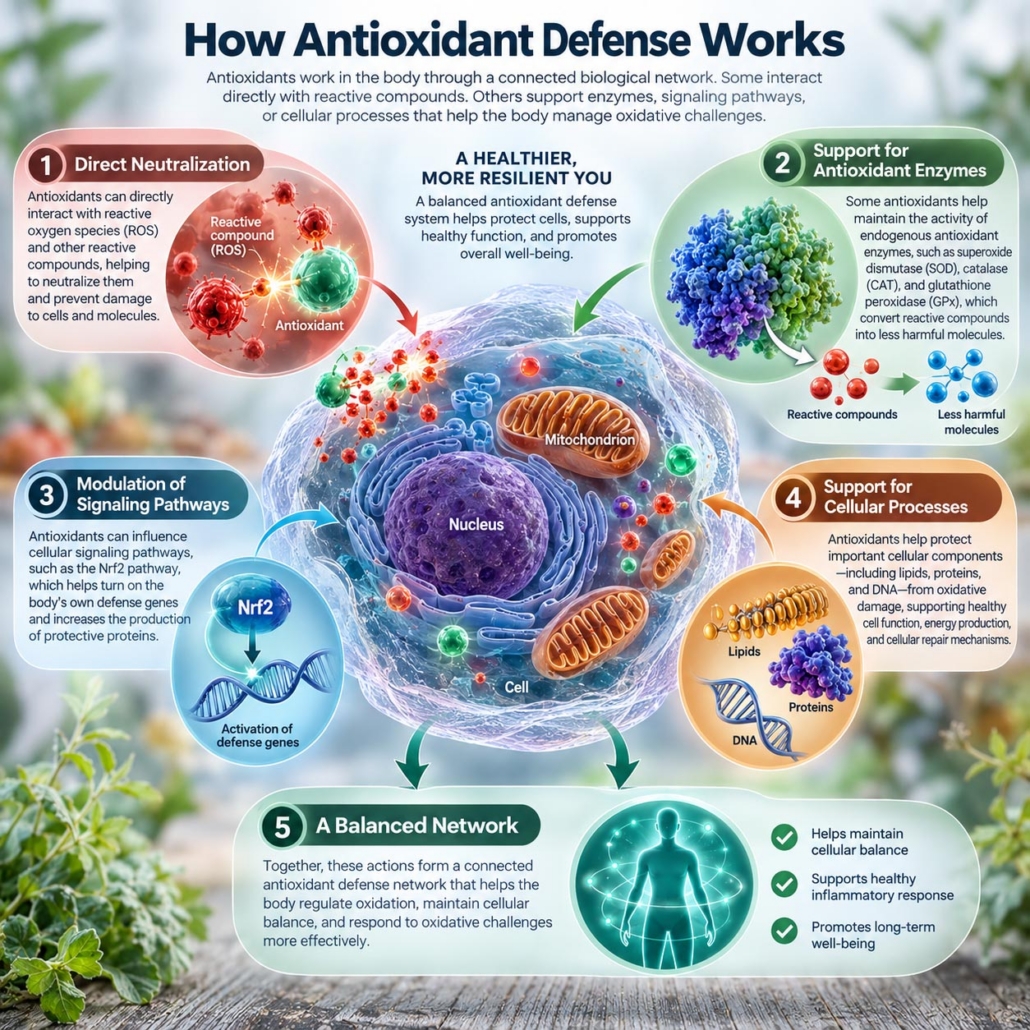
How Antioxidant Defense Works

Antioxidants help regulate oxidation through a connected biological network. Some interact directly with reactive compounds. Others support enzymes, signaling pathways, or cellular processes that help the body manage oxidative challenges.

Understanding these differences helps formulators avoid redundant combinations and select ingredients that perform complementary roles.

The Antioxidant Paradox: Reactive Oxygen Species Are Not Always Harmful

Reactive oxygen species are often described only as damaging byproducts. In reality, the body produces them during normal metabolism, immune activity, and mitochondrial energy production. At controlled levels, they participate in cellular communication and adaptation.

Problems arise when reactive oxygen species accumulate faster than the body can regulate them.

This imbalance can damage cellular structures and contribute to the biological processes associated with aging. However, attempting to neutralize every reactive molecule would also interfere with normal signaling.

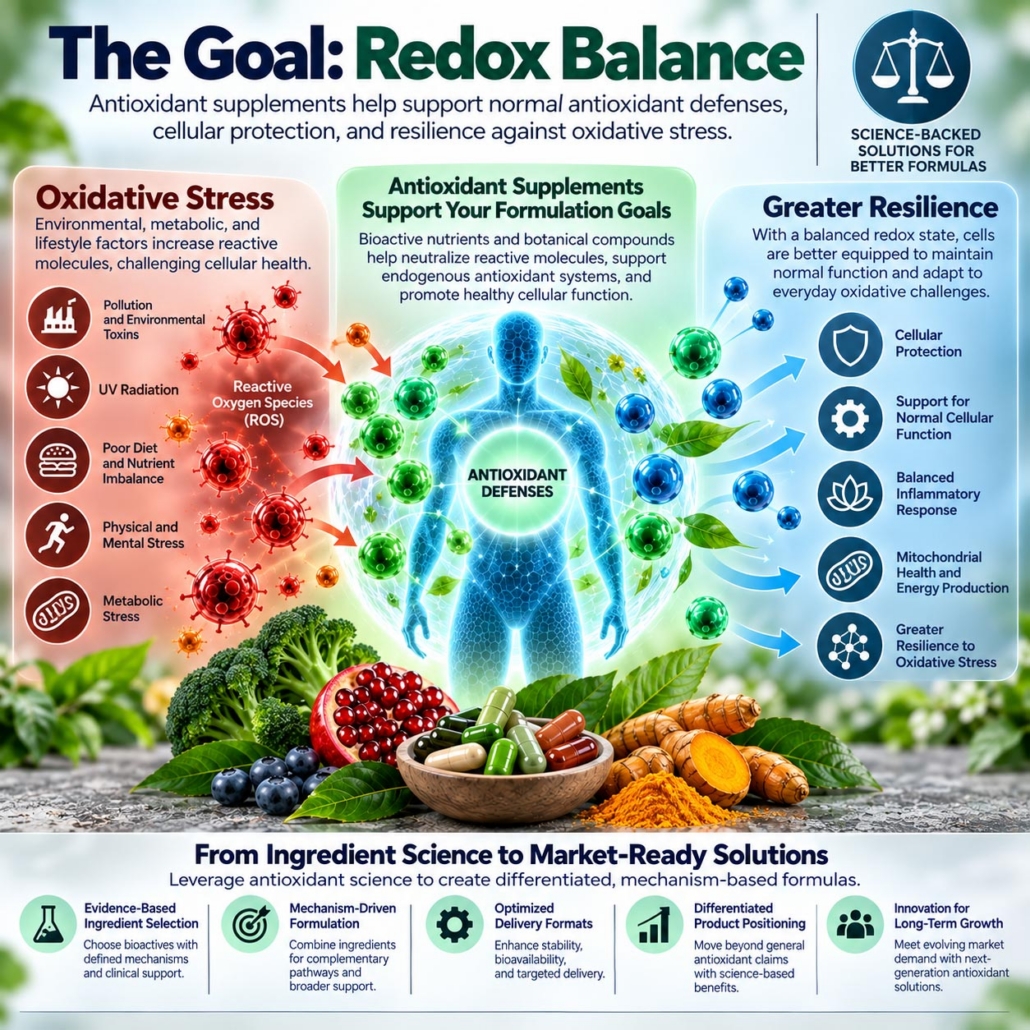
This is the antioxidant paradox: reactive oxygen species can become harmful in excess, but they are not inherently undesirable. Healthy-aging formulations should therefore support redox balance rather than promise complete free-radical elimination.

This distinction also explains why higher antioxidant doses are not automatically better. Large clinical trials have not shown that indiscriminate, high-dose antioxidant supplementation broadly prevents chronic disease.

Certain high-dose interventions have also produced risks in specific populations.

For supplement brands, the more credible strategy is to support normal antioxidant defenses, cellular protection, and resilience against oxidative stress.

INFOGRAPHIC: How Antioxidant Defense Works
INFOGRAPHIC: The Goal Redox Balance

Direct & Indirect Antioxidants

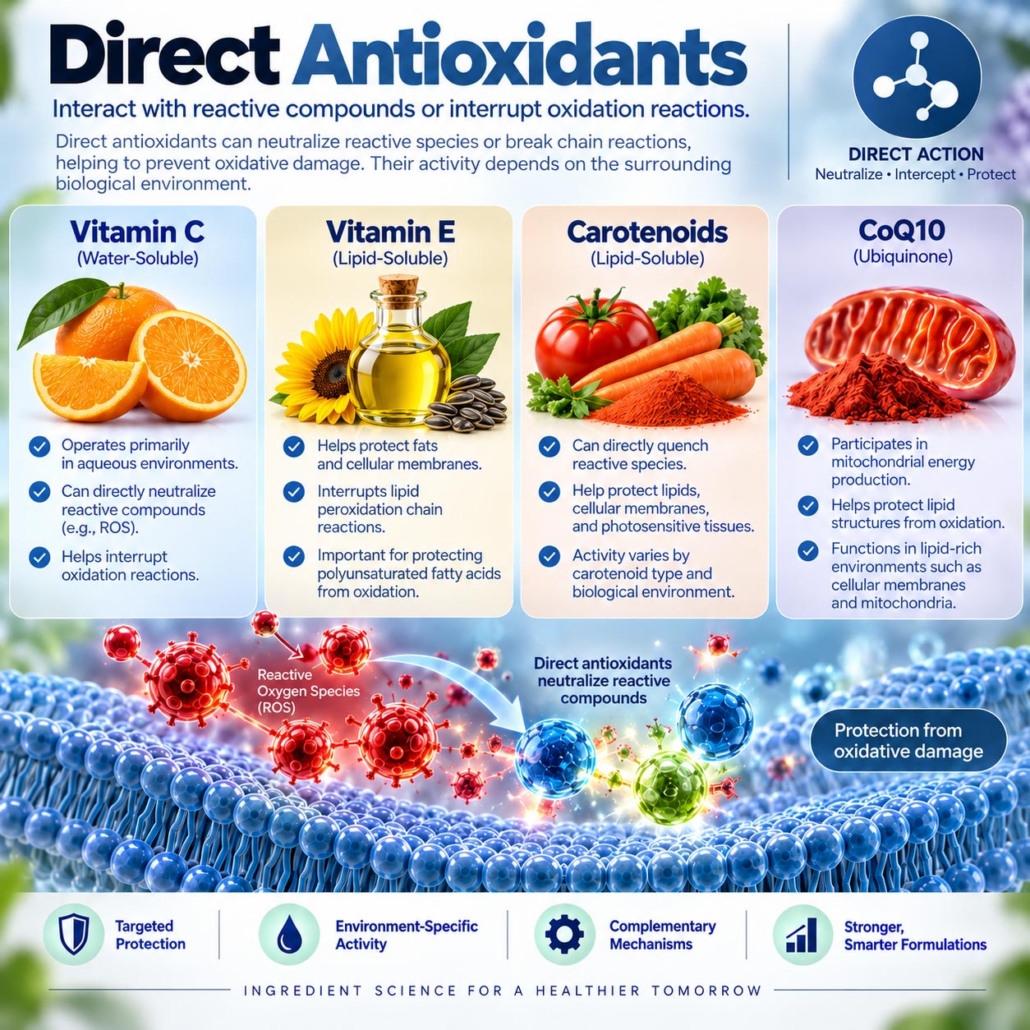
Direct antioxidants can interact with reactive compounds or interrupt oxidation reactions. Vitamin C, vitamin E, carotenoids, and CoQ10 can act directly, although their activity differs according to the surrounding biological environment.

For example, water-soluble vitamin C operates primarily in aqueous environments. Lipid-soluble vitamin E helps protect fats and cellular membranes. CoQ10 participates in mitochondrial energy production while helping protect lipid structures from oxidation.

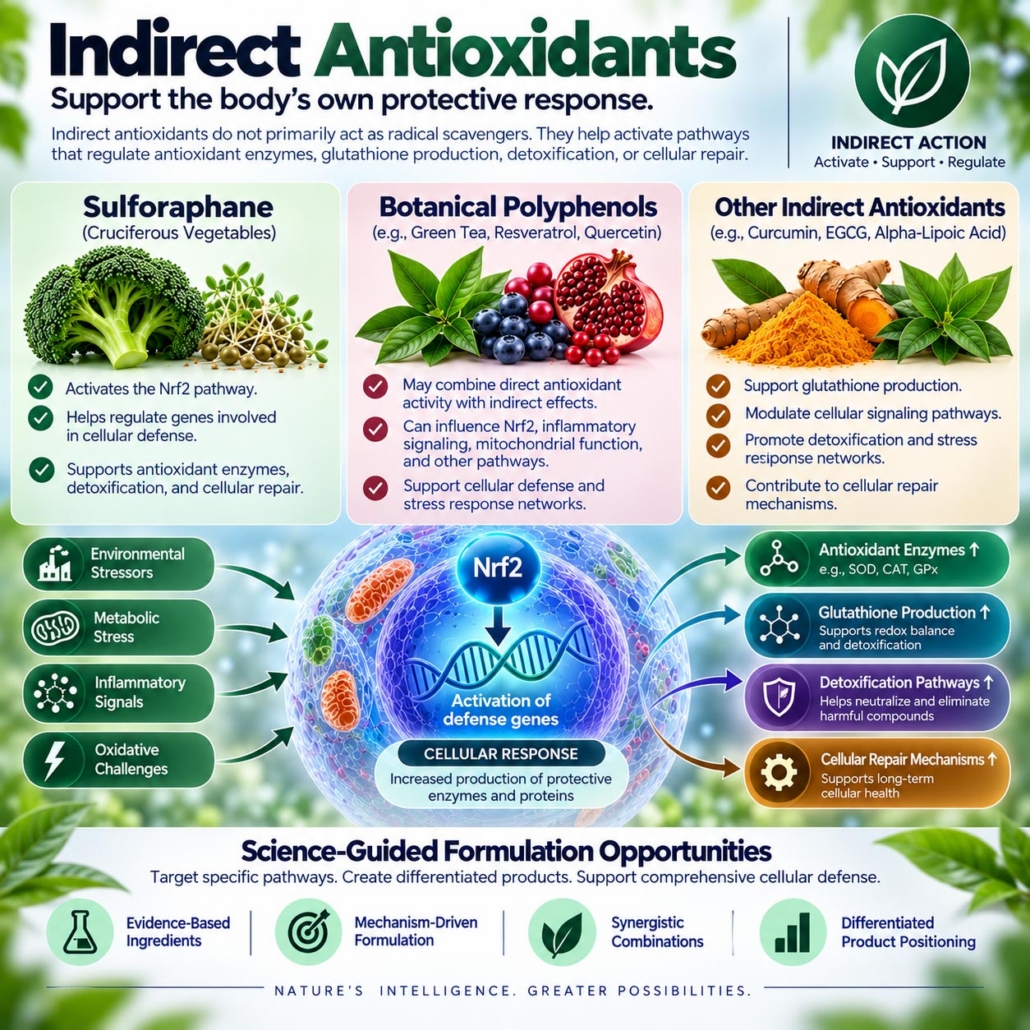
Indirect antioxidants work differently. Rather than acting primarily as radical scavengers, they support the body’s own protective response. Some activate pathways that regulate antioxidant enzymes, glutathione production, detoxification, or cellular repair.

Sulforaphane, found in cruciferous vegetables, is a prominent example. It is valued largely for its influence on the Nrf2 pathway, which helps regulate genes involved in cellular defense. Botanical polyphenols may also combine direct antioxidant behavior with effects on Nrf2, inflammatory signaling, mitochondrial function, and other pathways.

These categories are not rigid. One ingredient may act through several mechanisms. Still, the distinction helps brands move beyond generalized antioxidant claims and develop formulas around specific biological functions.

INFOGRAPHIC: Direct Antioxidants
INFOGRAPHIC: Indirect Antioxidants

The Body’s Own Antioxidant Network

The body maintains an internal defense network that includes protective compounds and specialized enzymes. Important components include:

  • Glutathione: A cellular antioxidant produced from amino acids that participates in redox regulation and detoxification.
  • Superoxide dismutase: An enzyme that converts superoxide radicals into less reactive compounds.
  • Catalase: An enzyme that helps break hydrogen peroxide into water and oxygen.
  • Glutathione peroxidases: Selenium-dependent enzymes that help reduce peroxides and protect lipids and other cellular structures.
  • Glutathione reductase: An enzyme that helps return oxidized glutathione to its active, reduced form.

Dietary ingredients can support this network in different ways. Selenium provides an essential component of glutathione peroxidases. Vitamin C can help regenerate oxidized vitamin E. Alpha-lipoic acid participates in mitochondrial metabolism and may support the recycling of other antioxidants.

Polyphenols and compounds such as sulforaphane may influence signaling pathways that regulate endogenous defenses. In this context, an ingredient can support antioxidant protection without directly neutralizing large quantities of reactive compounds.

This network also explains why combining complementary ingredients can make sense. A formula might pair protection for water-based environments with protection for cellular lipids or mitochondrial support. However, each ingredient still needs a defined purpose, suitable specification, and meaningful dose.

The next step is to organize these ingredients by how and where they work: water-soluble antioxidants, lipid- and membrane-protective antioxidants, mitochondrial antioxidants, and botanical polyphenols.

Four Antioxidant Categories for Healthy-Aging Supplements

Antioxidant ingredients can be organized according to where they work and the types of protection they provide. The following four categories give brands a practical starting point for developing more purposeful healthy-aging formulas.

1. Water-Soluble Antioxidants

Water-soluble antioxidants operate primarily in blood, cellular fluid, and other aqueous environments. They can complement lipid-soluble ingredients that concentrate in membranes and other fat-rich structures.

Foods rich in Vitamin C for antioxidant support

Vitamin C

Vitamin C is an essential water-soluble nutrient found naturally in citrus fruits, berries, peppers, tomatoes, broccoli, and other produce. It functions as a direct antioxidant and supports several enzymes involved in normal human physiology.

Its healthy-aging value extends beyond general antioxidant protection. Vitamin C is required for collagen synthesis, which makes it relevant to skin, connective tissue, bone, and vascular structure. It can also help return oxidized vitamin E to an active form, demonstrating how antioxidants work as a coordinated network rather than isolated compounds.

Vitamin C offers strong consumer recognition and works across capsules, powders, stick packs, and gummies. However, formulators must account for acidity, taste, and sensitivity to oxygen, moisture, light, and heat. These factors can affect both potency and sensory performance during shelf life.

The ingredient form also matters. Ascorbic acid is widely available and cost-effective, while mineral ascorbates may offer a less acidic option. The appropriate form depends on dose, serving format, flavor system, label objectives, and cost.

Acerola Cherries for Vitamin C for Antioxidant Supplement Formulation

Acerola

As a Fruit-Derived Vitamin C Source

Acerola is a small red tropical fruit from Malpighia emarginata. It is commonly called acerola cherry, Barbados cherry, or West Indian cherry, although it is not a true cherry.

The fruit is naturally rich in vitamin C and also contains smaller amounts of polyphenols and carotenoids. Supplement manufacturers commonly use acerola fruit powder, juice powder, or an extract standardized for vitamin C.

Acerola can provide a recognizable natural-source story for healthy-aging formulas. However, brands should determine whether the stated vitamin C comes entirely from acerola or whether the ingredient has been fortified with additional ascorbic acid. They should also confirm the vitamin C specification, carrier system, moisture sensitivity, and projected stability.

Acerola Cherries for Vitamin C for Antioxidant Supplement Formulation
foods that provide glutathione for Antioxidant Supplement Formulation

Glutathione

Glutathione is a tripeptide produced naturally within the body from cysteine, glutamate, and glycine. It helps regulate cellular redox balance and participates in detoxification, peroxide reduction, and the recycling of other antioxidants.

Because glutathione is used throughout the body, it has become relevant to cellular-health, healthy-aging, liver-support, immune, and beauty-from-within products. However, the evidence should not be reduced to the claim that oral glutathione simply replaces the glutathione used inside every cell. Digestion, absorption, ingredient form, dose, and individual physiology affect its availability.

Human research has produced formulation-dependent findings. Some studies have reported increases in glutathione stores after sustained supplementation, while the effectiveness of different oral delivery forms continues to be investigated. Randomized trial of oral glutathione supplementation

For formulators, glutathione can present taste, odor, stability, and cost considerations. Its sulfur-containing composition may complicate flavored powders and gummies. Capsules can reduce sensory exposure, although ingredient quality, moisture control, and finished-product testing remain important.

2. Lipid- and Membrane-Protective Antioxidants

Cellular membranes and circulating lipoproteins contain oxidation-sensitive lipids. Fat-soluble antioxidants can associate with these structures and provide protection in environments where water-soluble compounds may be less effective.

Vitamin E & Tocopherols

Vitamin E is a family of fat-soluble compounds that includes tocopherols and tocotrienols. Food sources include vegetable oils, nuts, seeds, wheat germ, spinach, and other green vegetables.

Alpha-tocopherol is the form the human body preferentially retains and uses to meet vitamin E requirements. However, mixed tocopherol ingredients may also contain beta-, gamma-, and delta-tocopherols. These compounds differ in their biological behavior and ability to protect oils and other lipid-based materials from oxidation.

Vitamin E helps interrupt lipid-oxidation reactions within cellular membranes. This makes it a logical foundational ingredient for formulas focused on cellular protection, cardiovascular wellness, skin health, and healthy aging.

Tocopherols can also protect the finished product. Manufacturers may use them to help slow oxidation in fats, flavors, carotenoids, or other sensitive materials. However, this technical function should not be confused with delivering a meaningful nutritional dose. The label, ingredient amount, and intended use determine whether tocopherols primarily support the consumer, the formula, or both.

Carotenoids

Carotenoids are fat-soluble pigments produced by plants, algae, and certain microorganisms. They create many of the yellow, orange, and red colors found in nature.

Although carotenoids share structural similarities, they are not interchangeable. Individual carotenoids accumulate in different tissues and can support different healthy-aging applications.

foods rich in beta-carotene and vitamin A, including carrots, sweet potatoes, winter squash, leafy greens, and other yellow, orange, or dark-green vegetables for Antioxidant Supplement Formulation

Beta-Carotene

Beta-carotene occurs in carrots, sweet potatoes, winter squash, leafy greens, and other yellow, orange, or dark-green vegetables. The body can convert it into vitamin A according to physiological need.

Its antioxidant behavior and recognizable plant-based story make beta-carotene relevant to general wellness formulas. However, supplemental dose and target population require careful consideration. High-dose beta-carotene supplementation has increased lung-cancer risk in clinical trials involving smokers and people with occupational asbestos exposure.

This history makes beta-carotene a good example of why more antioxidant activity is not always better. Formulas should reflect evidence, exposure level, intended users, and total vitamin A contribution.

Antioxidant Supplement Formulation 45
items containing astaxanthin, including shrimp, salmon, algae, and sea moss for Antioxidant Supplement Formulation

Astaxanthin

Astaxanthin is a red-orange carotenoid produced by certain algae, yeasts, and microorganisms. Natural astaxanthin used in human supplements is commonly derived from the freshwater microalga Haematococcus pluvialis. The pigment can also accumulate through the food chain in salmon, trout, krill, and crustaceans.

Astaxanthin has gained attention across skin health, beauty-from-within, eye health, cardiovascular wellness, exercise recovery, and healthy-aging products. Its structure allows it to associate with lipid membranes, supporting a different formulation story than water-soluble antioxidants.

Human evidence is promising but outcome-specific. A systematic review and meta-analysis found that oral astaxanthin improved skin moisture and elasticity but did not produce a statistically significant improvement in wrinkle depth. Study size, formulation, duration, and dose varied across the included research.

Astaxanthin presents several practical challenges. It has a vivid color, requires relatively low but accurately controlled doses, and is sensitive to oxygen, light, and heat. For capsules, powders, and gummies, manufacturers may use beadlets, encapsulated powders, or dry emulsions designed to improve stability and dispersion.

foods containing lycopene, including tomatoes, watermelon, pink grapefruit, and other pink foods for Antioxidant Supplement Formulation

Lycopene

Lycopene is the red carotenoid associated most strongly with tomatoes and tomato products. It also occurs in watermelon, pink grapefruit, guava, and other red or pink fruits.

Unlike beta-carotene, lycopene does not provide vitamin A activity. Its supplement applications typically center on cardiovascular wellness, prostate health, skin health, and protection from oxidative stress.

Lycopene is lipid-soluble and susceptible to oxidation. Formulators may therefore use encapsulated, beadlet, or otherwise stabilized forms in capsules, gummies, and powders. The ingredient’s source, lycopene concentration, isomer profile, carrier, and stability system can all influence finished-product performance.

foods like egg yolks, peppers, leafy greens, and corn containing Lutein and Zeaxanthin for Antioxidant Supplement Formulation

Lutein & Zeaxanthin

Lutein and zeaxanthin occur in leafy greens, corn, orange peppers, egg yolks, and other foods. They are especially relevant to healthy aging because they accumulate in the macula of the eye.

These carotenoids are established in eye-health supplements and are increasingly connected with cognitive-health positioning. Their presence in neural tissue creates opportunities for products that address vision, screen exposure, and healthy cognitive aging within one broader platform.

Like other carotenoids, they require attention to bioavailability and oxidation. Standardized beadlets or microencapsulated powders can improve handling and make lipid-soluble carotenoids more practical for dry product formats.

3. Mitochondrial & Cellular-Energy Antioxidants

Mitochondria generate most of the cell’s usable energy. They also produce reactive oxygen species as part of normal energy metabolism.

This makes mitochondrial function particularly relevant to healthy aging. The objective is not simply to suppress mitochondrial oxidation, but to support efficient energy production, membrane integrity, and the systems that manage oxidative stress.

foods containing CoQ10 for Antioxidant Supplement Formulation

Coenzyme Q10

Coenzyme Q10, commonly called CoQ10, is a fat-soluble compound produced naturally within the body. It is also present in smaller amounts in organ meats, meat, fish, nuts, seeds, and certain oils.

CoQ10 transfers electrons within the mitochondrial respiratory chain, helping cells produce adenosine triphosphate, or ATP. In its reduced state, it can also help protect lipid membranes and circulating lipoproteins from oxidation.

This dual role gives CoQ10 a clear place in healthy-aging formulas focused on cellular energy, cardiovascular wellness, physical function, and mitochondrial support. Research also suggests that CoQ10 supplementation can affect certain oxidative-stress biomarkers. However, changes in biomarkers should not be interpreted as proof that CoQ10 slows human aging. Systematic review of CoQ10 and oxidative-stress parameters

Supplemental CoQ10 is available primarily as ubiquinone or ubiquinol. Ubiquinone is the oxidized form, while ubiquinol is the reduced form. Ubiquinol is often marketed as the more bioavailable option, but performance depends on the complete delivery system, dose, stability, population, and study conditions. One form should not be described as universally superior.

Because CoQ10 is lipid-soluble and poorly disperses in water, formulators must select the delivery form carefully. Dry emulsions, beadlets, and encapsulated powders can make CoQ10 practical for standard capsules and powder systems. However, these technologies affect ingredient cost, bulk density, fill weight, processing behavior, and assay testing.

foods as a source of ALA for Antioxidant Supplement Formulation

Alpha-Lipoic Acid

Alpha-lipoic acid is a sulfur-containing compound produced in small amounts within the body. It functions as a cofactor for mitochondrial enzymes involved in energy metabolism. Food sources include organ meats, spinach, broccoli, tomatoes, and Brussels sprouts, although dietary exposure is much lower than typical supplemental amounts.

Alpha-lipoic acid is sometimes described as a universal antioxidant because it can participate in both water- and lipid-associated environments. It may also help regenerate other antioxidant compounds and support glutathione-related systems.

Its most established supplement applications involve glucose metabolism and nerve health. Its mitochondrial role also makes it relevant to cellular-energy and healthy-aging formulas. However, direct evidence that alpha-lipoic acid changes the human aging process remains limited. Much of the broader anti-aging discussion is based on biochemical, animal, or disease-specific research.

Alpha-lipoic acid can introduce sulfur-like sensory characteristics and may create stability or compatibility issues in complex blends. Brands should also distinguish between racemic alpha-lipoic acid and R-alpha-lipoic acid, since their chemistry, cost, stability, and positioning differ.

Brussel Sprouts as a Source of ALA for Antioxidant Supplement Formulation

4. Botanical Polyphenols

Polyphenols are a large group of plant compounds that includes flavonoids, phenolic acids, stilbenes, lignans, and related substances. They occur in fruits, vegetables, tea, cocoa, coffee, herbs, spices, and many other plant materials.

Their biological relevance extends beyond direct radical scavenging. Polyphenols and their metabolites may influence antioxidant-response pathways, inflammatory signaling, circulation, mitochondrial activity, cellular senescence, and interactions with the gut microbiome. However, effects observed in laboratory antioxidant tests do not directly predict outcomes in humans.

Pine Bark Extract for Antioxidant Supplement Formulation

Pine Bark Extract

Pine bark contains proanthocyanidins, phenolic acids, and other polyphenols. Commercial extracts may come from different pine species and use different extraction and standardization processes.

Pine bark extract is used in supplements addressing circulation, vascular function, skin health, cognitive wellness, and active aging. These applications reflect its potential effects on oxidative-stress pathways, endothelial function, and healthy inflammatory signaling.

However, brands should not assume that all pine bark extracts are clinically or chemically equivalent. The botanical species, plant part, extraction solvent, proanthocyanidin specification, analytical method, and supporting research should all be reviewed.

A Cochrane systematic review found insufficient evidence to draw definitive conclusions about pine bark extract across chronic health conditions. That does not mean the ingredient has no value, but it reinforces the need to match claims with the evidence for the specific extract and use.

Grape Seed Extract for Antioxidant Supplement Formulation

Grape Seed Extract

Grape seeds are a byproduct of grape-juice and wine production. They contain proanthocyanidins and other phenolic compounds that can be concentrated into standardized extracts.

Grape seed extract fits naturally into cardiovascular, circulation, skin, and general antioxidant formulas. It also provides a familiar plant source and an appealing upcycling story when suppliers can document responsible sourcing.

Standardization requires particular attention. Suppliers may report total polyphenols, proanthocyanidins, oligomeric proanthocyanidins, or other measurements. Different analytical methods can produce different values, so a high percentage on a specification sheet does not necessarily allow a direct comparison between extracts.

Grape seed can also contribute bitterness and astringency. These qualities are manageable in capsules but may require more extensive flavor work in gummies, powders, and stick packs.

Green Tea Leaves for Antioxidant Supplement Formulation

Green Tea Extract

Green tea extract comes from the leaves of Camellia sinensis. Its principal polyphenols are catechins, including epigallocatechin gallate, commonly abbreviated EGCG.

Green tea’s broad recognition makes it useful in antioxidant, metabolic, cardiovascular, cognitive, and healthy-aging products. Its catechins may act directly in chemical systems while also influencing cellular signaling and endogenous defenses.

The extract should be defined by more than its total weight. Formulators need to consider total polyphenols, total catechins, EGCG concentration, caffeine content, extraction process, and recommended conditions of use. Concentrated green tea extracts also require dose-dependent safety review, particularly when they provide high amounts of EGCG.

From a product-development perspective, green tea can introduce bitterness, astringency, color changes, and oxidation concerns. Capsules are usually easier to formulate than flavored gummies or powders, although careful extract selection and flavor masking can expand the available formats.

Anthocyanins for Antioxidant Supplement Formulation

Anthocyanins

Anthocyanins are water-soluble pigments responsible for many of the red, purple, and blue colors in berries, grapes, cherries, pomegranate, purple corn, black rice, and other plants. They belong to the flavonoid branch of the polyphenol family.

These compounds and their metabolites may support vascular function, cognitive wellness, eye health, exercise recovery, antioxidant defenses, and a healthy inflammatory response. Their activity also involves cellular signaling and interactions with the gut microbiome — not simply direct free-radical scavenging.

Anthocyanin composition differs substantially among botanical sources. An elderberry extract, tart cherry powder, bilberry extract, and purple-corn extract may provide different anthocyanin profiles, concentrations, supporting compounds, and sensory properties.

Anthocyanins can also be challenging to formulate. Their color and stability are affected by pH, temperature, oxygen, light, minerals, processing, and storage conditions. Brands should define the botanical source and analytical specification and then verify both color and potency through the intended shelf life.

Learn more: Explore the chemistry, metabolism, stability, and product-development potential of these pigments in Anthocyanins for Immune Support.

Rosemary Extract for Antioxidant Supplement Formulation

Rosemary Extract

Rosemary, or Salvia rosmarinus, contains phenolic diterpenes such as carnosic acid and carnosol. These compounds can slow oxidation in fats, oils, carotenoids, and flavor systems.

Rosemary extract is therefore especially valuable as a formulation antioxidant. It may help protect the finished product rather than serve as the primary consumer-facing active.

That distinction should remain clear. A small amount added for product stability should not automatically be presented as a meaningful physiological dose. Brands should define whether rosemary extract is functioning as an active botanical, a technical antioxidant, or both.

The same principle can apply to tocopherols and, in some formulations, green tea extract. Antioxidants that protect the product can be extremely valuable, but they play a different role from ingredients selected and dosed to support the consumer.

rosemary herb extract for Antioxidant Supplement Formulation
Pomegranate for Antioxidant Supplement Formulation

Pomegranate Extract

Pomegranate, or Punica granatum, contains several groups of polyphenols. Its juice and arils provide anthocyanins, while the peel is particularly rich in ellagitannins such as punicalagins.

This distinction matters because “pomegranate extract” does not identify the plant part or its chemical profile.

An extract made from the peel may differ substantially from a juice powder, whole-fruit powder, or extract standardized for punicalagins.

Pomegranate also connects antioxidant support with microbiome metabolism. Gut microorganisms can convert its ellagitannins into compounds called urolithins. However, conversion differs among individuals, so consuming pomegranate extract is not equivalent to receiving a standardized dose of supplemental urolithin A.

For supplement brands, pomegranate provides a familiar fruit story and pairs naturally with grape seed, berries, acerola, and vitamin C. Its acidity, astringency, color, and extract specification must still be considered in product development.

A fruit-forward gummy, for example, might combine pomegranate with grape seed and vitamin C.

This approach brings together recognizable fruit-derived polyphenols and a water-soluble antioxidant without requiring an unnecessarily long formula.

Market Trends: How Antioxidant Products Are Evolving

Healthy-aging supplement development is moving away from sweeping promises about extending lifespan. Instead, researchers and product developers are focusing on healthspan — the years people remain healthy, active, and independent.

Recent studies increasingly measure practical outcomes such as cognition, mobility, muscle strength, vascular function, skin structure, mitochondrial activity, and healthy inflammatory signaling.

This shift changes how brands should approach antioxidant formulation. Rather than promoting antioxidants as a generalized defense against aging, brands can connect them with more specific functions.

CoQ10 and ergothioneine, for example, may fit cellular-energy and mitochondrial-support concepts. Polyphenols may complement cardiovascular, cognitive, or healthy-inflammation formulas, while carotenoids may support eye, skin, and membrane health.

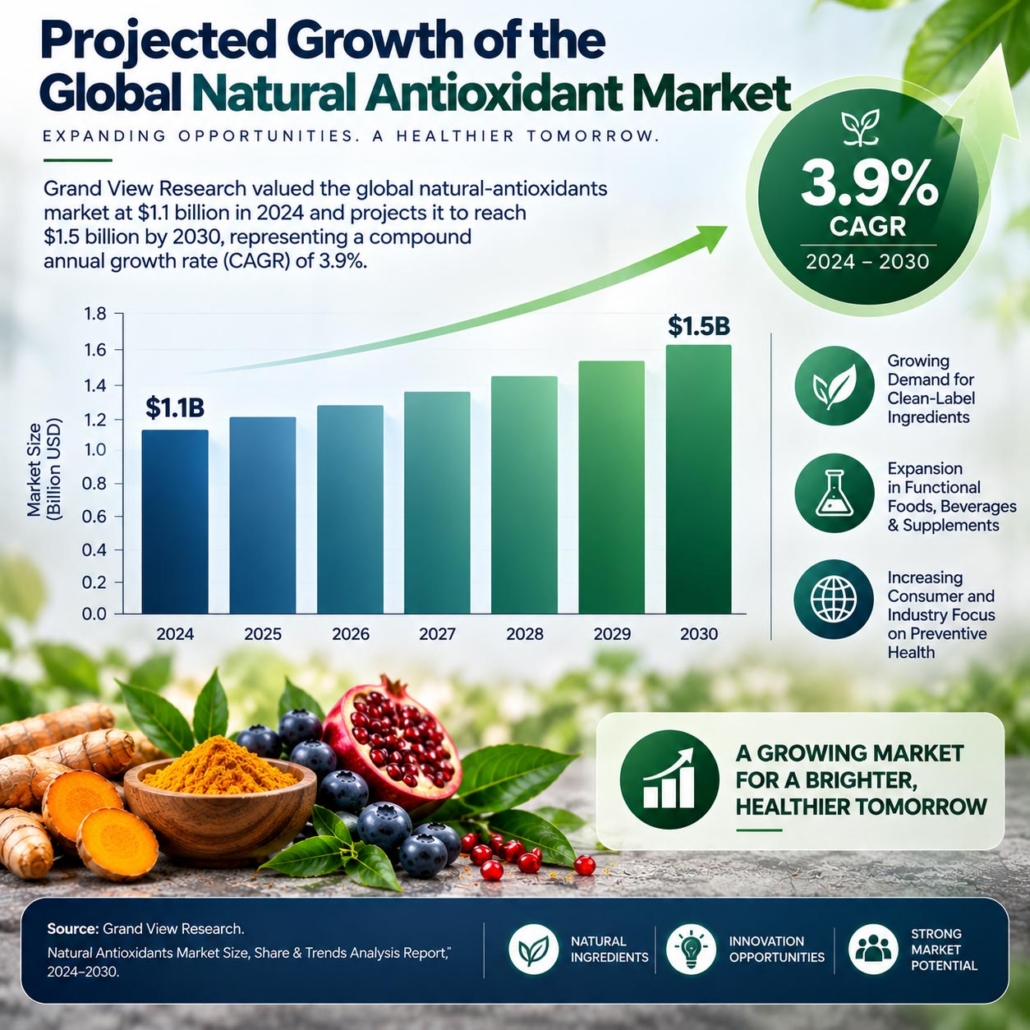
INFOGRAPHIC: Global Natural Antioxidant Market Trends

Natural Antioxidants Retain Broad Market Appeal

Grand View Research valued the global natural-antioxidants market at $1.1 billion in 2024 and projects it to reach $1.5 billion by 2030, representing a compound annual growth rate of 3.9%.

Vitamin C held the largest product share in 2024, while vitamin E was projected to grow at the fastest rate through 2030.

The report attributes growth partly to demand for plant-based, organic, and clean-label ingredients.

However, its definition includes food, beverages, pharmaceuticals, animal feed, and other applications.

Therefore, these figures should be interpreted as an ingredient-market indicator — not as dietary-supplement retail sales.

For supplement brands, the practical opportunity is not simply adding the word “natural” to a label. Natural-source ingredients still need documented identity, potency, safety, stability, and supply-chain consistency.

Polyphenols Provide a Versatile Plant-Based Platform

Polyphenols align with several consumer interests at once. They can deliver recognizable botanical sources, natural color, upcycled sourcing stories, and connections to cardiovascular, cognitive, metabolic, skin, and healthy-aging applications.

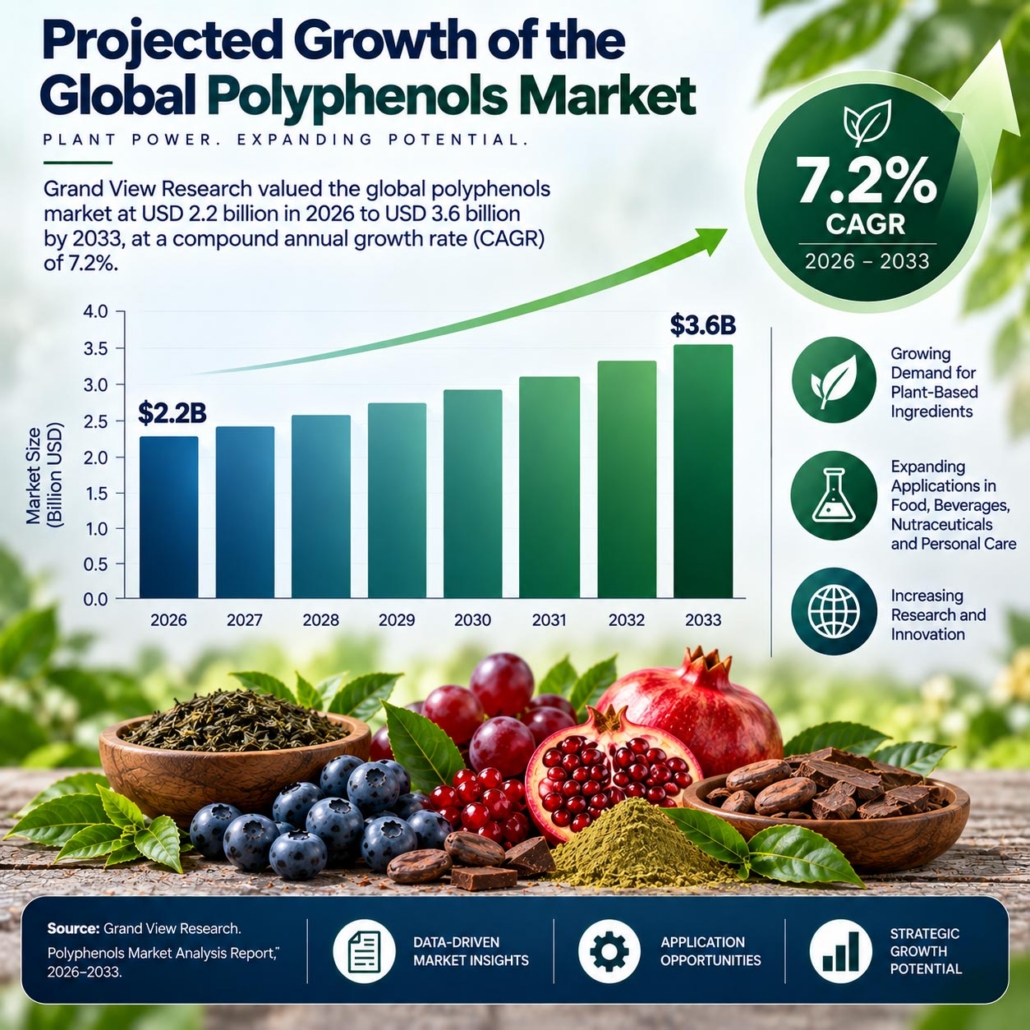
Grand View Research valued the global polyphenols market at $2.1 billion in 2025 and projects it to reach $3.6 billion by 2033. Grape seed represented 44.2% of the market’s 2025 revenue, according to the report. Its market definition also covers functional foods, beverages, cosmetics, and other applications beyond supplements. Grand View Research polyphenols market

The continued importance of grape seed reflects more than antioxidant positioning. It is familiar, can be standardized for proanthocyanidins, and provides an upcycling story connected with juice and wine production.

Green tea, berries, olives, pomegranate, cocoa, and other polyphenol sources provide additional ways to differentiate a formula.

INFOGRAPHIC: Global Polyphenols Market Trends
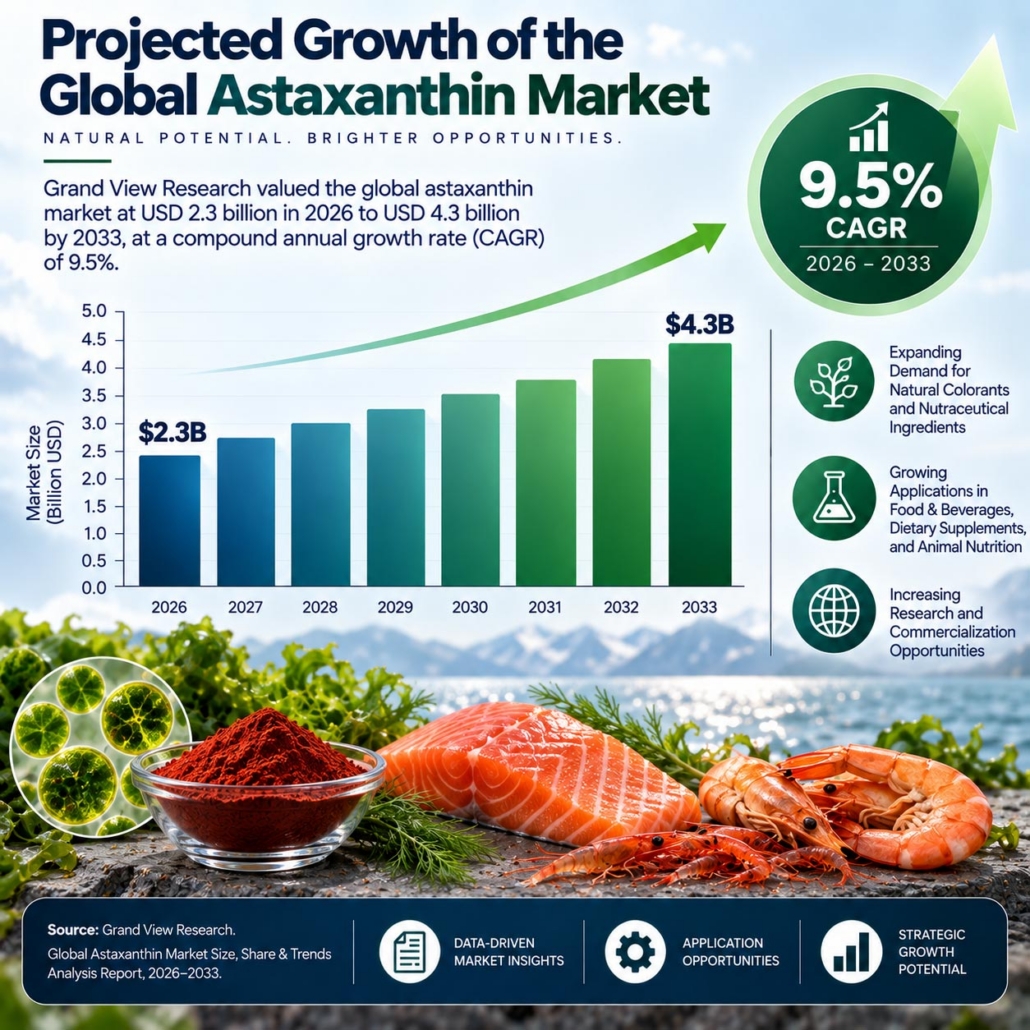
INFOGRAPHIC: Global Astaxanthin Market Trends

Astaxanthin Crosses Multiple Healthy-Aging Categories

Astaxanthin has moved beyond a general antioxidant story. It now appears across eye-health, beauty-from-within, sports-recovery, skin-health, cardiovascular, and healthy-aging products.

Grand View Research estimates that the overall global astaxanthin market reached $1.9 billion in 2025 and could grow to $4.3 billion by 2033. The natural-source segment represented 58.4% of 2025 revenue.

However, aquaculture and animal feed accounted for the largest application share, at 45.7%, so the total should not be described as the value of the human-supplement market. Grand View Research astaxanthin market

For human supplements, astaxanthin’s appeal comes from its microalgae origin, vivid color, lipid-membrane activity, and ability to address several consumer priorities.

Its growth also highlights demand for stabilized carotenoid technologies that can extend beyond conventional oil-based formats.

Antioxidant Positioning Is Becoming More Targeted

Broad claims about “powerful antioxidants” no longer provide enough differentiation on their own. More focused products connect an ingredient with a specific consumer goal, such as:

  • Cellular energy and mitochondrial support
  • Skin hydration and healthy appearance
  • Cognitive and visual wellness
  • Circulation and cardiovascular health
  • Exercise recovery and active aging
  • Support for endogenous antioxidant defenses
  • Healthy cellular responses to oxidative stress

This creates a clearer development strategy. Instead of combining every well-known antioxidant, brands can choose one primary benefit, select a recognizable anchor ingredient, and add complementary support.

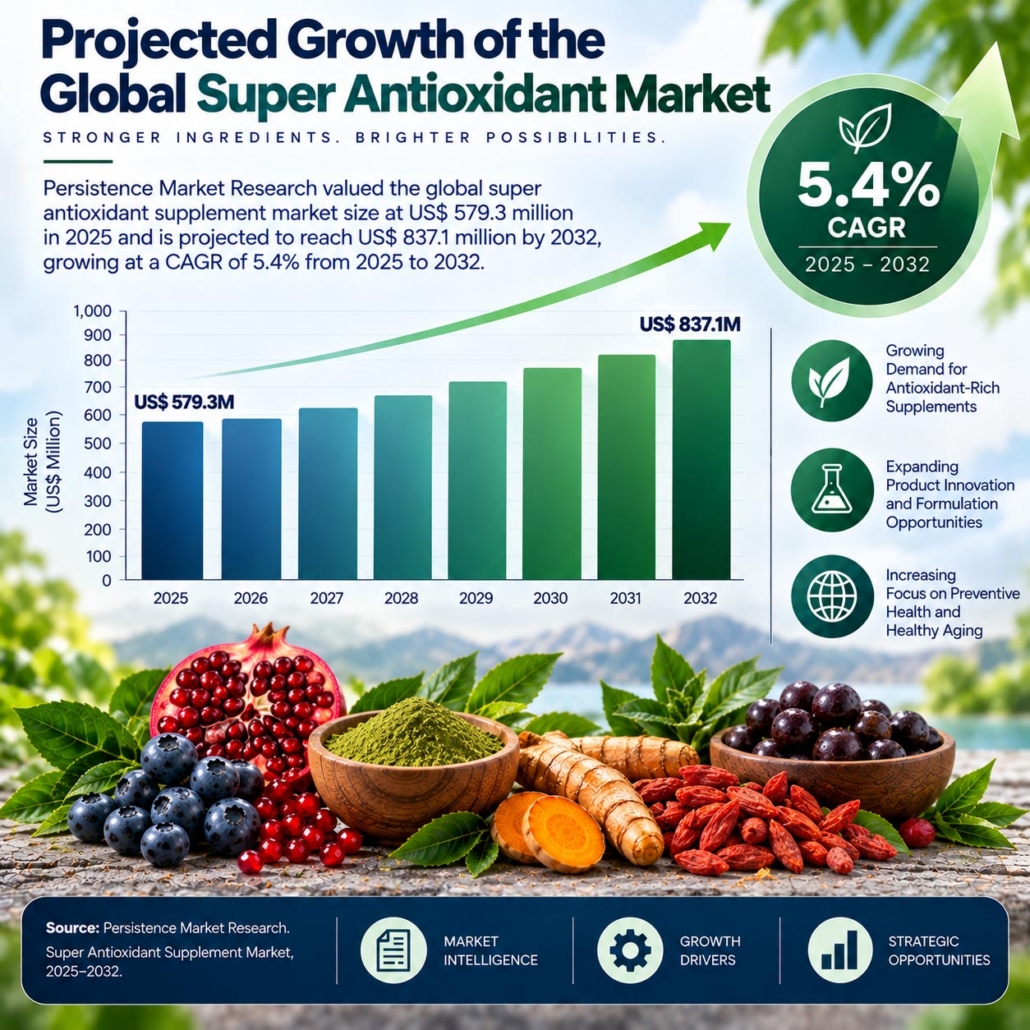
INFOGRAPHIC: Global Super Antioxidant Market Trends

Emerging Antioxidant Ingredients

Emerging ingredients are expanding the category beyond direct free-radical scavenging. Many support endogenous defense systems, mitochondrial quality control, cellular cleanup, or signaling pathways involved in the response to oxidative stress.

However, emerging does not mean proven. The amount and quality of human evidence vary substantially among these ingredients.

Ingredient Source Why it is attracting attention Current evidence position
Ergothioneine Mushrooms, certain microorganisms, and fermentation-derived sources Dedicated cellular transporter and interest in cellular and cognitive protection Promising biological and observational evidence; human healthy-aging trials remain limited
Hydroxytyrosol Olives, olive leaves, olive oil, and olive-processing streams Mediterranean positioning with cardiovascular and metabolic crossover Human trials are encouraging but heterogeneous
Sulforaphane Produced from glucoraphanin in broccoli and other cruciferous vegetables Activates Nrf2-regulated cellular defenses Strong mechanistic rationale; delivery and conversion determine exposure
Fisetin Strawberries, apples, persimmons, onions, and other plants Interest in senescence-related pathways and possible senolytic activity Healthy-aging evidence remains predominantly preclinical
Urolithin A A microbial metabolite derived from ellagitannins found in pomegranate, walnuts, and other foods Mitophagy and mitochondrial-quality-control positioning Growing human evidence; not a conventional direct antioxidant
Phycocyanin Extracted primarily from Arthrospira platensis, commonly called spirulina or blue spirulina Combines antioxidant research with an unusual natural blue color Strong laboratory and preclinical rationale; direct healthy-aging evidence in humans remains limited
Mushrooms as a source of Ergothioneine for Antioxidant Supplement Formulation

Ergothioneine

Ergothioneine is a sulfur-containing amino acid derivative produced by certain fungi and bacteria. Mushrooms are among its richest dietary sources. Unlike many conventional antioxidants, ergothioneine has a dedicated transporter, known as OCTN1, that helps the body absorb and distribute it to tissues.

A 2025 review connected lower blood ergothioneine levels with cognitive impairment, frailty, cardiovascular conditions, and mortality. Early intervention studies also suggest that supplementation may support memory, cognition, sleep quality, and selected markers associated with neurodegeneration.

For healthy-aging brands, ergothioneine offers an emerging bridge between antioxidant protection, cellular resilience, and cognitive health. It may be especially relevant for mushroom-based, brain-health, mitochondrial-support, and comprehensive healthy-aging formulations.

Olive and Olive Oil as a source of Hydroxytyrosol for Antioxidant Supplement Formulation

Hydroxytyrosol

Hydroxytyrosol is an olive-derived polyphenol associated with olive oil, olive fruit, olive leaves, and olive-processing streams. It provides a strong Mediterranean sourcing story and can support cardiovascular, metabolic, and healthy-aging product concepts.

A systematic review of 12 randomized controlled trials found mixed but encouraging results across cardiometabolic, bone, joint, and cognitive outcomes. The researchers also identified wide differences in dose and intervention type, reinforcing the need for more consistent trials.

For brands, the opportunity lies in standardized extracts with clear sourcing, defined hydroxytyrosol content, and appropriate human evidence.

Broccoli and Cruciforous Vegetables as a source of Sulforaphane for Antioxidant Supplement Formulation

Sulforaphane

Sulforaphane is produced when glucoraphanin from broccoli and other cruciferous vegetables interacts with the enzyme myrosinase. It is best understood as an indirect antioxidant.

Rather than functioning primarily as a free-radical scavenger, sulforaphane activates Nrf2-regulated genes involved in antioxidant defenses, glutathione production, and cellular stress responses. This gives it a differentiated healthy-aging story centered on the body’s own protective systems.

The formulation challenge is delivering actual sulforaphane exposure. Products may provide stabilized sulforaphane, glucoraphanin with active myrosinase, or glucoraphanin that depends more heavily on conversion by the gut microbiome. Those approaches should not be treated as equivalent.

Strawberries, apples, persimmons, and onions as sources of Fistein for Antioxidant Supplement Formulation

Fisetin

Fisetin is a flavonoid found in strawberries, apples, persimmons, onions, and other plants.

It has attracted attention because laboratory and animal research suggests that it may affect pathways involved in cellular senescence.

This has led to its frequent description as a senolytic ingredient.

However, direct evidence that supplemental fisetin selectively clears senescent cells or improves healthy-aging outcomes in humans remains limited.

It should therefore be identified as an emerging ingredient rather than presented as a validated longevity intervention.

Pomegranate, berries, and walnuts as a source of Urolithin A for Antioxidant Supplement Formulation

Urolithin A

Urolithin A is produced when certain gut microorganisms metabolize ellagitannins found in pomegranate, walnuts, and other foods. Not everyone produces the same amount, which means consuming pomegranate does not provide a predictable dose of urolithin A.

Its primary value is not direct antioxidant activity. Instead, it’s being studied for its ability to support mitophagy, the cellular process that helps identify and remove damaged mitochondria.

A randomized, placebo-controlled trial has investigated urolithin A in relation to age-associated immune decline, adding to its emerging healthy-aging evidence. Still, it is more accurately classified as a mitochondrial-quality-control ingredient than a conventional antioxidant.

Sprulina Extract for Antioxidant Supplement Formulation 52

Phycocyanin

Phycocyanin is a water-soluble blue phycobiliprotein derived primarily from Arthrospira platensis. Although the source is commonly marketed as blue spirulina, phycocyanin is distinct from the whole spirulina biomass.

Its blue chromophore, phycocyanobilin, contributes to its antioxidant behavior. Preclinical research also suggests possible effects on endogenous antioxidant and healthy inflammatory-response pathways.

Phycocyanin also offers a rare combination of functional and visual value. It can produce a distinctive blue color in powders and beverage mixes. At the same time, it is sensitive to heat, light, oxygen, and pH, making stability testing essential.

Formulation Considerations for Antioxidant Supplements

Selecting antioxidant ingredients requires more than comparing their stated potency. The strongest formula must deliver suitable doses, preserve the active ingredients, and remain manufacturable throughout commercial production.

  • Define each ingredient’s function. Determine whether it supports the consumer, protects the finished product, or performs both roles.
  • Match solubility with the delivery format. Water-soluble and lipid-soluble antioxidants require different strategies.
  • Confirm botanical specifications. Identify the species, plant part, extraction method, marker compounds, and analytical methods.
  • Protect oxidation-sensitive materials. Evaluate exposure to oxygen, light, heat, and moisture during manufacturing and storage.
  • Address taste and color early. Many polyphenols introduce bitterness, astringency, acidity, or strong natural pigments.
  • Verify finished-product potency. Raw-material documentation does not establish stability in the completed formula.
  • Avoid overlapping ingredients without a purpose. Several extracts may provide similar polyphenols while increasing cost, sensory burden, and testing requirements.

Natural vs Synthetic Antioxidants

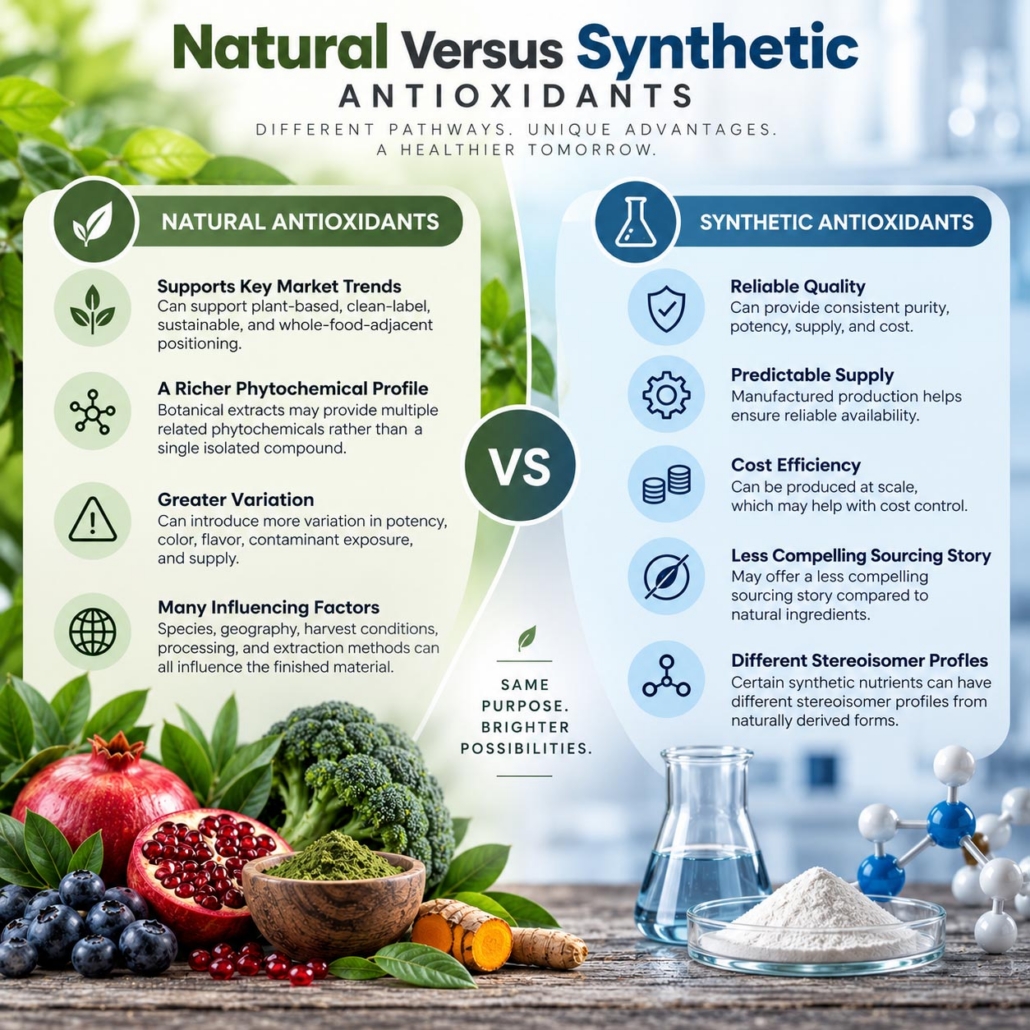
Natural antioxidants can support plant-based, clean-label, sustainable, and whole-food-adjacent positioning. Botanical extracts may also provide multiple related phytochemicals rather than a single isolated compound.

However, natural ingredients can introduce greater variation in potency, color, flavor, contaminant exposure, and supply. Species, geography, harvest conditions, processing, and extraction methods can all influence the finished material.

Synthetic or nature-identical ingredients can provide reliable purity, potency, supply, and lower cost. Yet they may offer a less compelling sourcing story, and certain synthetic nutrients can have different stereoisomer profiles from naturally derived forms.

Vitamin E illustrates this distinction. Naturally derived alpha-tocopherol and synthetic all-rac-alpha-tocopherol differ in stereochemistry and biological activity.

The correct choice depends on the intended dose, target consumer, label strategy, cost, stability, and formulation — not the assumption that one source is always superior.

INFOGRAPHIC: Natural vs Synthetic Antioxidants
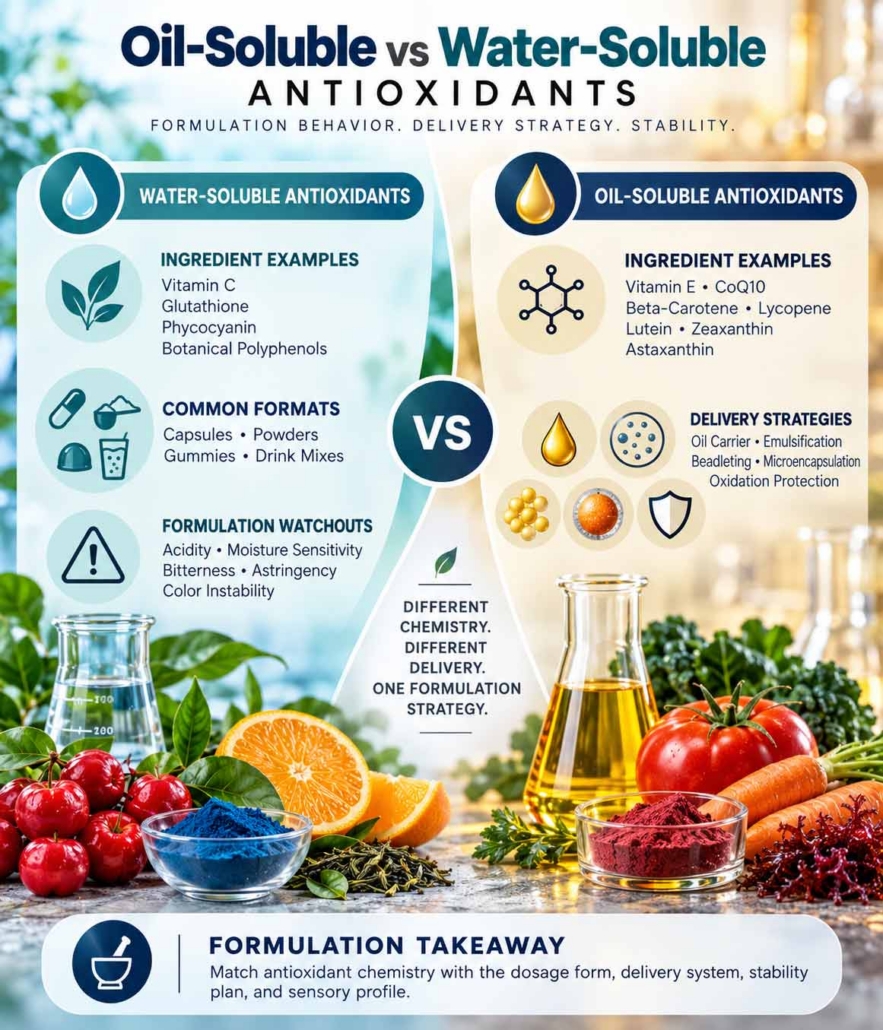
INFOGRAPHIC: Water vs Oil Soluble Antioxidants

Oil-Soluble vs Water-Soluble Antioxidants

Water-soluble ingredients include vitamin C, glutathione, and phycocyanin. Many botanical polyphenol extracts are also water-soluble or water-dispersible, although their individual compounds can behave differently.

These ingredients are often easier to incorporate into capsules, powders, gummies, and drink mixes. Nevertheless, they may introduce acidity, moisture sensitivity, bitterness, astringency, or color instability.

Lipid-soluble ingredients include vitamin E, CoQ10, beta-carotene, lycopene, lutein, zeaxanthin, and astaxanthin. They may require an oil carrier, emulsification, beadleting, microencapsulation, or another delivery system that improves dispersion and protects against oxidation.

For capsules, gummies, stick packs, and powders, dry emulsions and stabilized beadlets can make lipid-soluble antioxidants more practical. However, these technologies can affect fill weight, texture, color, flavor, cost, and analytical testing.

A formula may benefit from both groups.

Vitamin C can provide support in aqueous environments, while vitamin E or astaxanthin addresses lipid-rich structures.

CoQ10 can add mitochondrial relevance, and a standardized botanical can influence broader cellular-response pathways.

Antioxidants That Protect the Product

Some antioxidants are added primarily to preserve other ingredients. Tocopherols and rosemary extract, for example, may help slow oxidation in fats, flavors, and carotenoids. Green tea extract can also provide technical antioxidant activity in certain systems.

These ingredients can be valuable even when they are not the formula’s consumer-facing actives. However, the article and product messaging should distinguish between:

  • An active dose intended to support the consumer
  • A technical amount intended to protect the formula

That distinction helps brands avoid overstating the physiological significance of an ingredient included at a low preservation level.

A Five-Step Guide to Building a Purposeful Antioxidant Formula

A strong antioxidant supplement should begin with a consumer need — not with a list of popular ingredients.

Step 1: Define the Primary Healthy-Aging Benefit

Select one leading objective:

  • Cellular energy and mitochondrial function
  • Skin health and beauty-from-within
  • Eye health
  • Cognitive wellness
  • Cardiovascular and circulation support
  • Exercise recovery and active aging
  • General cellular resilience

A product can support secondary benefits, but one clear purpose should guide ingredient selection and communication.

Step 2: Choose an Anchor Ingredient

The anchor ingredient should communicate the formula’s principal value. It should have an understandable mechanism, suitable evidence, and a feasible dose.

Examples include:

  • CoQ10 for mitochondrial energy
  • Astaxanthin for skin and eye positioning
  • Lutein and zeaxanthin for visual wellness
  • Grape seed or pine bark for vascular antioxidant support
  • Pomegranate for a fruit-based polyphenol story
  • Vitamin C for foundational antioxidant and collagen support

The anchor should remain recognizable when the customer reads the label or product description.

Step 3: Add Complementary Support

Choose supporting ingredients that work in different environments or through different mechanisms. Avoid adding multiple extracts that provide essentially the same function.

Potential combinations include:

  • CoQ10 with vitamin C
  • Astaxanthin with vitamin C
  • Vitamin E with a standardized polyphenol
  • Pine bark with CoQ10
  • Pomegranate with grape seed and vitamin C
  • Lutein and zeaxanthin with astaxanthin

These are strategic examples rather than universal formulation recommendations. Final combinations should reflect dose, evidence, safety, serving size, and product format.

Step 4: Confirm Dose, Specification, and Delivery

For every active ingredient, verify:

  • Evidence-supported amount
  • Source and identity
  • Standardized marker compounds
  • Bioavailability requirements
  • Compatibility with the serving format
  • Capsule or gummy capacity
  • Taste, odor, and color
  • Testing requirements
  • Cost at commercial scale

This step helps prevent the common problem of adding many attractive ingredients at amounts too low to support the intended positioning.

Step 5: Design for Manufacturing and Shelf Life

Select the ingredient forms, processing conditions, packaging, and testing plan before finalizing the product claims.

A formula may look strong on paper but fail if the carotenoids oxidize, vitamin C declines, anthocyanins change color, or botanical extracts make the product unpalatable. Stability, manufacturability, and consumer experience are part of the formula’s effectiveness.

The best antioxidant product is rarely the one with the longest Supplement Facts panel. It is the one that combines a clear purpose, complementary mechanisms, meaningful specifications, and a delivery system capable of protecting the ingredients through shelf life.

Delivery Formats for Antioxidant Supplements

Antioxidant ingredients can create compelling healthy-aging products, but the concept must work beyond the initial ingredient list. Dose, stability, sensory performance, delivery format, testing, and cost all influence whether a formula can move successfully into commercial production.

Capsules

Capsules provide flexibility for botanical extracts, CoQ10 powders, alpha-lipoic acid, vitamins, and stabilized carotenoids. They also minimize direct exposure to the bitterness, astringency, acidity, and color associated with many antioxidant ingredients.

However, capsules still have physical limits. High-dose ingredients, low-density extracts, and encapsulated lipid-soluble materials can quickly increase fill volume. A realistic capsule count should be established before the formula is finalized.

Powders & Stick Packs

Powders and stick packs provide more serving capacity and can support daily-wellness positioning. They are especially useful for vitamin C, fruit powders, anthocyanins, pomegranate, acerola, and water-dispersible botanical extracts.

These formats require additional sensory and stability planning. Acidity, bitterness, natural pigment behavior, moisture uptake, and sedimentation can affect the consumer experience. Lipid-soluble antioxidants may require emulsified or microencapsulated forms to disperse effectively.

Gummies

Gummies make antioxidant products approachable and can work especially well with familiar fruit ingredients. Pomegranate, grape, berry, citrus, and acerola stories align naturally with fruit-forward flavors and colors.

However, gummies provide limited active capacity. Heat, moisture, pH, and interactions within the gummy matrix can also affect antioxidant stability. For that reason, a focused formula is generally more practical than a large blend of vitamins, carotenoids, mitochondrial compounds, and botanical extracts.

Intermountain Nutrition’s Antioxidant Gummy stock formula offers brands a practical starting point built around familiar antioxidant ingredients, including pomegranate. The concept translates antioxidant support into an accessible daily format while providing opportunities for fruit-based positioning and broader healthy-aging messaging.

Developing Healthy-Aging Antioxidant Supplements with Intermountain Nutrition

A well-designed antioxidant product should connect ingredient science with manufacturing reality. That requires early decisions about target benefit, serving format, dose, raw-material specification, sensory profile, packaging, testing, and cost.

Intermountain Nutrition supports supplement brands through:

  • Ingredient and formulation strategy
  • Capsule, powder, stick-pack, pouch, and gummy development
  • Flavor development and bitterness masking
  • Pilot testing and commercial scale-up
  • Raw-material qualification
  • Quality assurance and regulatory support
  • Packaging and labeling
  • On-site third-party testing

Brands can begin with a custom formulation or evaluate an existing stock concept, including the Antioxidant Gummy. In either case, the goal is to create a product that delivers a clear consumer story without compromising manufacturability or scalability.

Frequently Asked Questions

Vitamin C, vitamin E, carotenoids, CoQ10, and standardized botanical polyphenols provide a strong foundation. The best selection depends on the intended benefit.

For example, CoQ10 supports a mitochondrial-energy concept, while astaxanthin can support skin and eye positioning. Grape seed, pine bark, and pomegranate offer botanical polyphenols for vascular and cellular antioxidant support.

Antioxidants cannot be ranked meaningfully with one universal measure. They differ in solubility, metabolism, biological location, dose, bioavailability, and mechanism.

An ingredient that performs strongly in a laboratory antioxidant assay may not produce the same relative effect in the human body. Brands should prioritize relevant human evidence and formulation performance over generalized “antioxidant power” claims.

Combining both can provide complementary coverage. Vitamin C operates primarily in aqueous environments, while vitamin E, CoQ10, and carotenoids associate more closely with lipids and membranes.

However, every combination should support the formula’s central purpose. Including both groups does not automatically improve the product if the ingredients are underdosed, unstable, or poorly matched to the delivery format.

Not in every situation. Naturally derived ingredients can offer compelling sourcing and clean-label stories, while synthetic or nature-identical ingredients may deliver greater consistency, purity, availability, or cost control.

The best option depends on identity, stereochemistry, bioavailability, stability, safety, label objectives, and supporting evidence. “Natural” should not be treated as a substitute for quality or clinical relevance.

Polyphenols are a large family of plant compounds. Many can participate in antioxidant reactions or influence antioxidant-response pathways, but “polyphenol” and “antioxidant” are not interchangeable terms.

Polyphenols may also influence circulation, inflammatory signaling, mitochondrial activity, gut microbial metabolism, and other biological processes.

Pomegranate contains anthocyanins, ellagitannins, and other polyphenols. Its composition depends on whether the ingredient comes from the juice, arils, peel, whole fruit, or a standardized extract.

Human research suggests that pomegranate consumption can influence certain oxidative-stress and inflammatory biomarkers. Brands should select the ingredient according to its plant part, specification, evidence, sensory properties, and intended use.

No. Spirulina is the common commercial name for whole Arthrospira biomass. Phycocyanin is the water-soluble blue phycobiliprotein extracted from that biomass.

A whole-spirulina powder and a concentrated phycocyanin ingredient can differ substantially in composition, color strength, dose, stability, and intended application.

No single format is best for every antioxidant.

Capsules accommodate botanical extracts and protect consumers from strong tastes. Powders provide more dose capacity but require flavor and dispersion work. Gummies offer strong consumer appeal but have limited active capacity and can expose ingredients to heat, moisture, and pH-related stress.

The best format depends on the ingredient combination, target dose, consumer experience, stability requirements, and cost.

Yes. Tocopherols, rosemary extract, and other formulation antioxidants may help slow oxidation in fats, flavors, carotenoids, and related materials.

However, an antioxidant used to preserve the formula may not be present at a dose intended to deliver a physiological benefit. Product messaging should distinguish technical functionality from consumer-facing active ingredients.

Brands should evaluate:

  • Ingredient identity and source
  • Botanical species and plant part
  • Active or marker-compound specification
  • Human evidence
  • Intended dose
  • Bioavailability
  • Stability
  • Sensory effects
  • Interactions with other ingredients
  • Finished-product testing
  • Cost and commercial availability
  • Regulatory and claim considerations

This review should occur before the label and marketing story are finalized.

References

Government and Authoritative Health Resources

National Center for Complementary and Integrative Health. (n.d.). Antioxidant supplements: What you need to know. National Institutes of Health.

National Institutes of Health, Office of Dietary Supplements. (n.d.). Vitamin A and carotenoids: Fact sheet for health professionals.

National Institutes of Health, Office of Dietary Supplements. (n.d.). Vitamin C: Fact sheet for health professionals.

National Institutes of Health, Office of Dietary Supplements. (n.d.). Vitamin E: Fact sheet for health professionals.

U.S. Food and Drug Administration. (n.d.). Notifications for structure/function and related claims in dietary supplement labeling.

U.S. Food and Drug Administration. (2026). Substances added to food: Tocopherols.

Antioxidants, Oxidative Stress, and Healthy Aging

Gülçin, İ. (2025). Antioxidants: A comprehensive review. Archives of Toxicology, 99(5), 1893–1997.

Liu, Y., Fang, M., Tu, X., Mo, X., Zhang, L., Yang, B., Wang, F., Kim, Y.-B., Huang, C., Chen, L., & Fan, S. (2024). Dietary polyphenols as anti-aging agents: Targeting the hallmarks of aging. Nutrients, 16(19), 3305.

Yang, J., Luo, J., Tian, X., Zhao, Y., Li, Y., & Wu, X. (2024). Progress in understanding oxidative stress, aging, and aging-related diseases. Antioxidants, 13(4), 394.

Vitamins, Carotenoids, and Mitochondrial Antioxidants

Akbari, A., Mobini, G. R., Agah, S., Morvaridzadeh, M., Omidi, A., Potter, E., Fazelian, S., Ardehali, S. H., Daneshzad, E., & Dehghani, S. (2020). Coenzyme Q10 supplementation and oxidative stress parameters: A systematic review and meta-analysis of clinical trials. European Journal of Clinical Pharmacology, 76(11), 1483–1499.

Rondanelli, M., Faliva, M. A., Peroni, G., Moncaglieri, F., Infantino, V., Naso, M., Perna, S., Colombo, M. L., Di Renzo, L., & Siddiqui, R. A. (2015). Focus on pivotal role of dietary intake (diet and supplement) and blood levels of tocopherols and tocotrienols in obtaining successful aging. International Journal of Molecular Sciences, 16(10), 23227–23249.

Shanaida, M., Lysiuk, R., Mykhailenko, O., Hudz, N., Abdulsalam, A., Gontova, T., Oleshchuk, O., Ivankiv, Y., Shanaida, V., Lytkin, D., & Bjørklund, G. (2025). Alpha-lipoic acid: An antioxidant with anti-aging properties for disease therapy. Current Medicinal Chemistry, 32(1), 23–54.

Zhou, X., Cao, Q., Orfila, C., Zhao, J., & Zhang, L. (2021). Systematic review and meta-analysis on the effects of astaxanthin on human skin ageing. Nutrients, 13(9), 2917.

Glutathione and Cellular Antioxidant Support

Richie, J. P., Jr., Nichenametla, S., Neidig, W., Calcagnotto, A., Haley, J. S., Schell, T. D., & Muscat, J. E. (2015). Randomized controlled trial of oral glutathione supplementation on body stores of glutathione. European Journal of Nutrition, 54(2), 251–263.

Botanical Polyphenols

Bahari, H., Rafiei, H., Goudarzi, K., Omidian, K., Asbaghi, O., Hosseini Kolbadi, K. S., Naderian, M., & Hosseini, A. (2023). The effects of pomegranate consumption on inflammatory and oxidative stress biomarkers in adults: A systematic review and meta-analysis. Inflammopharmacology, 31(5), 2283–2301.

Frumuzachi, O., Gavrilaș, L. I., Vodnar, D. C., Rohn, S., & Mocan, A. (2024). Systemic health effects of oleuropein and hydroxytyrosol supplementation: A systematic review of randomized controlled trials. Antioxidants, 13(9), 1040.

Schoonees, A., Visser, J., Musekiwa, A., & Volmink, J. (2020). Pine bark (Pinus spp.) extract for treating chronic disorders. Cochrane Database of Systematic Reviews, 2020(9), CD008294.

Emerging Antioxidant and Cellular-Resilience Ingredients

Calella, P., Di Dio, M., Cerullo, G., Di Onofrio, V., Gallé, F., & Liguori, G. (2022). Antioxidant, immunomodulatory, and anti-inflammatory effects of Spirulina in disease conditions: A systematic review. International Journal of Food Sciences and Nutrition, 73(8), 1047–1056.

Denk, D., Singh, A., Kasler, H. G., D’Amico, D., Rey, J., Alcober-Boquet, L., Gorol, J. M., Steup, C., Tiwari, R., Kwok, R., Argüello, R. J., Faitg, J., Sprinzl, K., Zeuzem, S., Nekljudova, V., Loibl, S., Verdin, E., Rinsch, C., & Greten, F. R. (2025). Effect of the mitophagy inducer urolithin A on age-related immune decline: A randomized, placebo-controlled trial. Nature Aging, 5(11), 2309–2322.

Halliwell, B., & Cheah, I. K. (2024). Are age-related neurodegenerative diseases caused by a lack of the diet-derived compound ergothioneine? Free Radical Biology and Medicine, 217, 60–67.

May-Zhang, L. S., Cheah, I. K., Zajac, I. T., Brindal, E., & Kakoschke, N. (2025). Ergothioneine for cognitive health, longevity and healthy ageing: Where are we now? Proceedings of the Nutrition Society, 1–15. Advance online publication.

Rzeski, W., & Rzeska, W. (2026). Natural bioactive compounds targeting key hallmarks of aging: Functional food potential of spermidine, fisetin, berberine, and urolithin A. Nutrients, 18(15), 2511.

Market and Industry Sources

Data Bridge Market Research. (n.d.). Antioxidant vitamin market—Global market size, share, and trends analysis report: Industry overview and forecast to 2032.

Fortune Business Insights. (2026, August 31). Antioxidant supplement market size, share, and industry analysis by application, source, form, distribution channel, and regional forecast, 2026–2034.

Future Market Insights. (n.d.). Super antioxidant supplement market size and share forecast outlook, 2025–2035.

IndustryARC. (n.d.). Antioxidant supplement market—Forecast, 2022–2027.

Grand View Research. (2026). Astaxanthin market size, share & trends analysis report by product, source, application, and region, 2026–2033.

Grand View Research. (2026). Natural antioxidants market size, share & trends analysis report by product, application, and region, 2025–2030.

Grand View Research. (2026). Polyphenols market size, share & trends analysis report by product, application, and region, 2026–2033.

Grand View Research. (n.d.). Vitamin E market (2025–2033) size, share & trends analysis report by product (tocopherols, tocotrienols), application, region, and segment forecasts.

Sherman, A. (2026, September 17). Catching up with healthspan and lifespan supplements: A roundup of the latest science. NutraIngredients.

Surwase, A. (2025, December). Super antioxidant supplement market size, share, growth, and regional forecast, 2025 to 2032. Persistence Market Research.

Related Postings

older couple walking in the park during autumn
three friends discussing and researching supplements for health and wellness
Blue Spirulina for Antioxidant Supplements