Anthocyanins for Immune Support Supplements: Formulating with Colorful Plant Compounds

September 25, 2026 |

Anthocyanins connect colorful botanical ingredients with emerging immune-health science, natural pigmentation, and new opportunities for differentiated supplement formulation.

At a Glance

  • Anthocyanins create many of the red, purple, and blue colors found in plants.
  • Research connects them with oxidative balance, inflammatory signaling, and the gut microbiome.
  • Botanical source, extract quality, and anthocyanin composition can influence performance.
    pH, heat, oxygen, light, and storage conditions can affect color and stability.
  • Thoughtful formulation can turn anthocyanins into a differentiated immune-support platform.
  • Complementary ingredients should serve defined roles. Vitamin C, vitamin D, zinc, beta-glucans, and other immune-support ingredients may broaden the formula, but compatibility, stability, sensory performance, serving size, and cost still require evaluation.
  • Anthocyanins can support meaningful product differentiation. Recognizable botanical sources, natural pigmentation, emerging science, and daily-wellness positioning can help brands move beyond another generic seasonal berry blend.

Anthocyanins: The Compounds Behind Deep Plant Colors

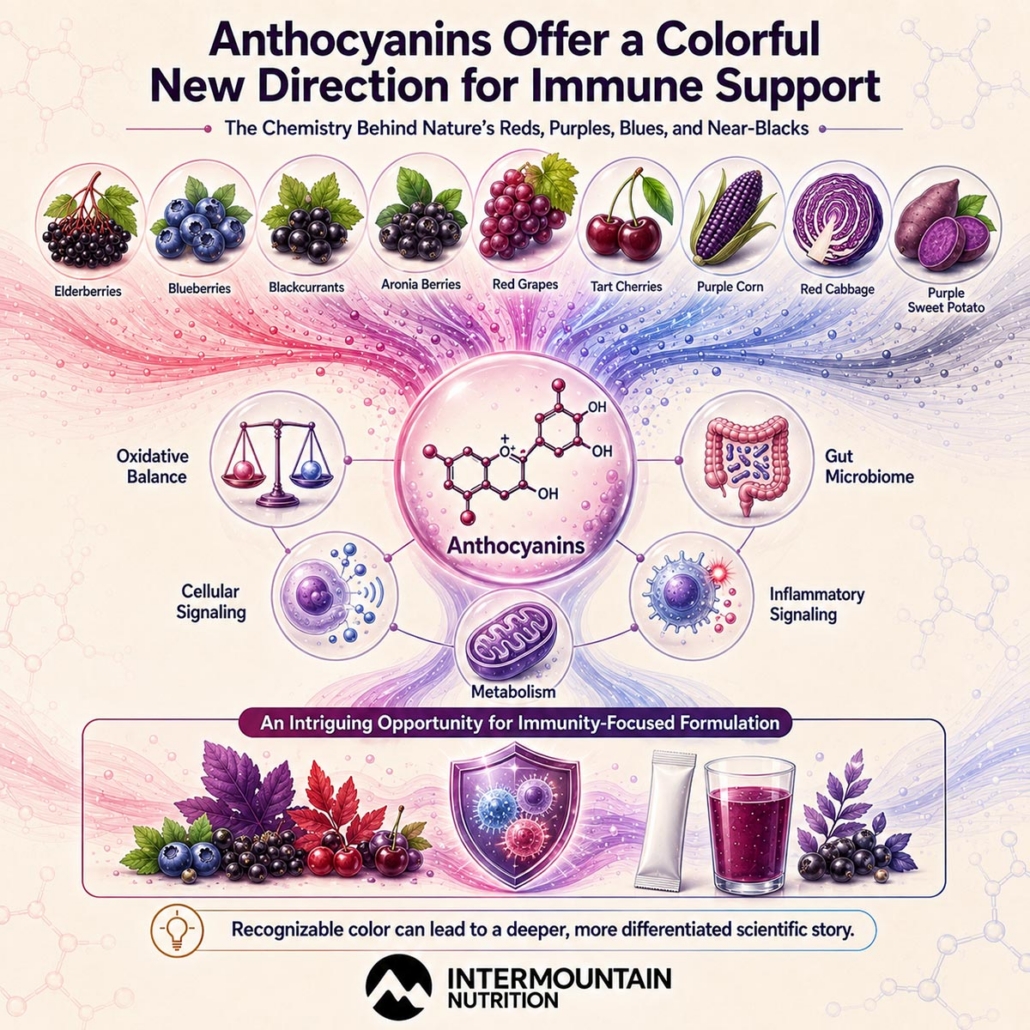
Deep reds, purples, blues, and even near-black colors in plants often signal the presence of anthocyanins. These naturally occurring pigments are found in elderberries, blueberries, blackcurrants, aronia berries, purple corn, tart cherries, grapes, and many other deeply colored plants.

Beyond Color: Why Anthocyanins Matter

For supplement brands, however, anthocyanins offer more than visual appeal. They belong to a larger family of plant compounds called polyphenols and have attracted considerable scientific interest for their interactions with oxidative stress, inflammatory signaling, the gut microbiome, and other biological processes relevant to immune function.

Research has also made it increasingly clear that anthocyanins should not be viewed simply as antioxidants that “neutralize free radicals.” Their biological activity is considerably more complex.

An Opportunity for Immunity-Focused Formulation

That creates an interesting opportunity for immunity-focused product development. Anthocyanin-rich extracts can support a plant-forward formulation story while providing recognizable ingredient sources and distinctive natural colors.

Formulation & Stability Challenges

However, these compounds also introduce formulation challenges. Source, anthocyanin profile, standardization, processing, pH, heat, oxygen, light, and storage conditions can all affect the ingredient that ultimately reaches the consumer.

From Colorful Extract to Finished Product

For supplement brands, the opportunity is therefore not simply to add a colorful berry extract. It is to understand what anthocyanins are, what the science actually supports, and how formulation decisions can help protect these compounds through manufacturing and shelf life.

Why Anthocyanins Matter for Supplement Brands

Anthocyanins are water-soluble plant pigments within the flavonoid family of polyphenols. They contribute many of the red, purple, and blue colors associated with berries, grapes, purple vegetables, and other highly pigmented plants.

Anthocyanins occupy an unusual position at the intersection of ingredient science, natural color, antioxidant positioning, and plant-based wellness.

For immunity-focused formulations, several characteristics make them particularly interesting:

  • They occur naturally in recognizable fruits and botanicals.
  • They are associated with antioxidant and inflammatory-response pathways relevant to immune health.
  • Different botanical sources provide different anthocyanin profiles.
  • Concentrated and standardized extracts allow formulators to move beyond simply adding fruit powder.
  • Their natural pigmentation can contribute to the sensory identity of certain powder products.
  • They pair naturally with other immunity-positioned nutrients and botanicals.

At the same time, anthocyanins are chemically sensitive. Their stability can be affected by temperature, pH, oxygen, light, enzymes, other ingredients, and storage conditions.

Consequently, an anthocyanin formulation should be evaluated as a complete system rather than as a single ingredient added to an existing formula.

Anthocyanins Are Polyphenols, But the Terms Are Not Interchangeable

Understanding the terminology helps clarify the science.

Polyphenols represent a broad group of plant-derived compounds. Flavonoids are one major group within that larger category, and anthocyanins are a particular class of flavonoids.

In other words:

Polyphenols → Flavonoids → Anthocyanins

That distinction matters when evaluating research. A study examining “polyphenols” generally cannot automatically establish that a specific anthocyanin extract will produce the same effect.

Similarly, different anthocyanins should not necessarily be treated as functionally identical. Molecular structure, attached sugars, acylation, botanical matrix, processing, and metabolism can influence their stability and biological behavior.

For brands developing science-forward products, specificity matters. Identifying the botanical source, extract specification, anthocyanin composition, dose, and supporting evidence creates a stronger formulation rationale than relying on the broad reputation of polyphenols.

What Gives Anthocyanins Their Red, Purple & Blue Colors?

One of the most recognizable characteristics of anthocyanins is also one of the most important formulation considerations: their color is chemically responsive to the environment around them.

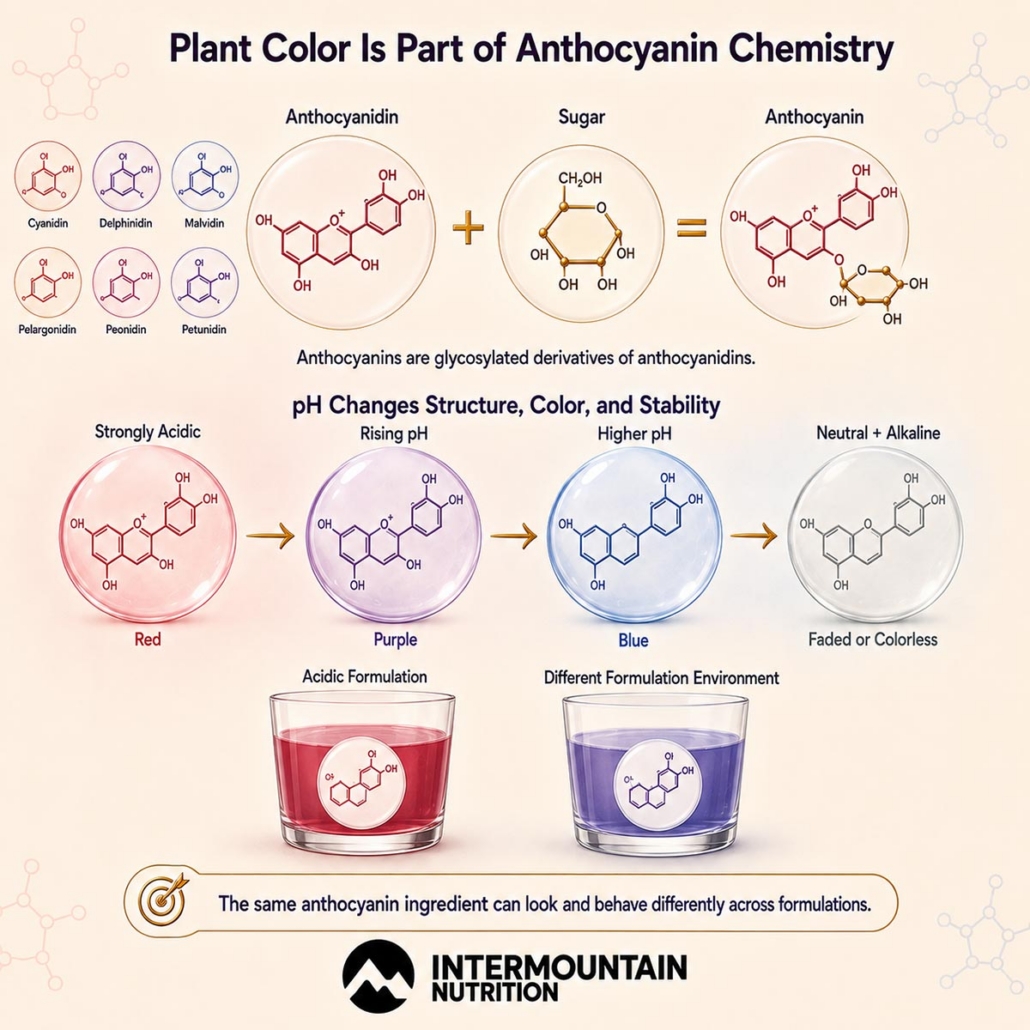
Plant Color Is Part of Anthocyanin Chemistry

Anthocyanins occur in plants as glycosylated derivatives of compounds known as anthocyanidins. Common anthocyanidins include cyanidin, delphinidin, malvidin, pelargonidin, peonidin, and petunidin.

Differences in molecular structure help create the spectrum of colors associated with anthocyanin-rich plants. The surrounding chemical environment also matters.

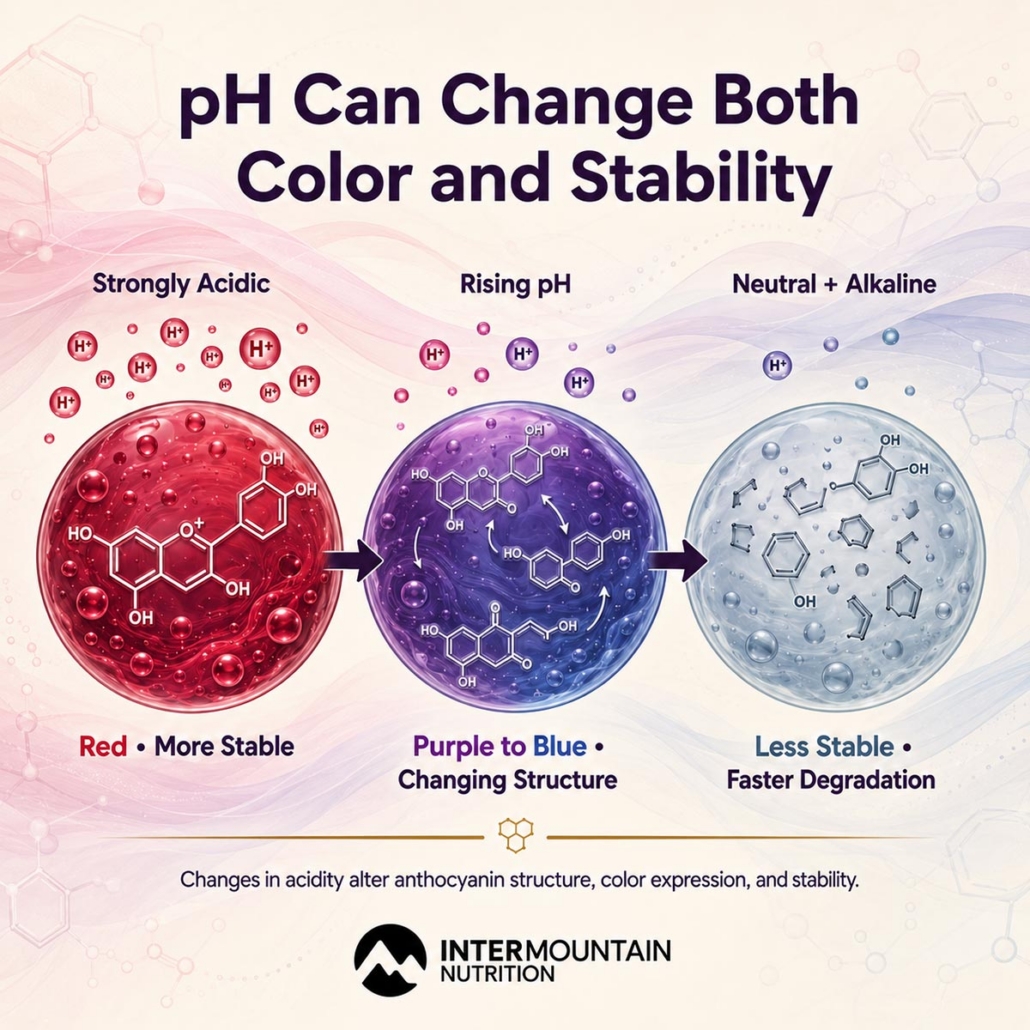
Anthocyanins can undergo structural transformations as pH changes. Under strongly acidic conditions, forms associated with red coloration tend to predominate. As pH rises, structural equilibria shift, potentially producing purple or blue hues before increasingly favoring less intensely colored or colorless forms.

This is why an anthocyanin ingredient that looks intensely red in one formulation may behave very differently in another.

INFOGRAPHIC: Plant Color is Part Of Anthocyanin Chemistry

Color Can Provide Formulation Value & Complexity

For powder and drink-mix products, anthocyanin-rich ingredients may contribute attractive natural coloration while reinforcing a plant-based ingredient story.

However, formulators should not assume that an anthocyanin extract can simply replace a conventional color system.

INFOGRAPHIC: Anthocyanins Offer A Colorful New Direction

For powder and drink-mix products, anthocyanin-rich ingredients may contribute attractive natural coloration while reinforcing a plant-based ingredient story.

However, formulators should not assume that an anthocyanin extract can simply replace a conventional color system.

The final appearance can depend on:

  • pH
  • anthocyanin source and molecular profile
  • concentration
  • interactions with other polyphenols
  • minerals and other ingredients
  • oxygen exposure
  • processing temperature
  • light exposure
  • moisture
  • storage time

These variables can affect both pigment stability and the anthocyanins themselves.

This creates an important distinction for product developers: an anthocyanin-rich extract selected primarily for its bioactive content is not necessarily optimized as a color ingredient, and a natural color ingredient is not necessarily standardized to deliver a meaningful anthocyanin dose.

The intended function should therefore be established early in formulation.

How May Anthocyanins Support Immune Health?

The relationship between anthocyanins and immunity is more sophisticated than the familiar idea that antioxidants simply “fight free radicals.”

Oxidative processes are normal components of cellular biology, and reactive oxygen species also participate in immune signaling. Therefore, the objective is not to eliminate oxidation.

Instead, researchers are investigating how anthocyanins and their metabolites interact with redox balance, inflammatory signaling, cellular pathways, and the gut environment.

Oxidative Stress & Cellular Defense

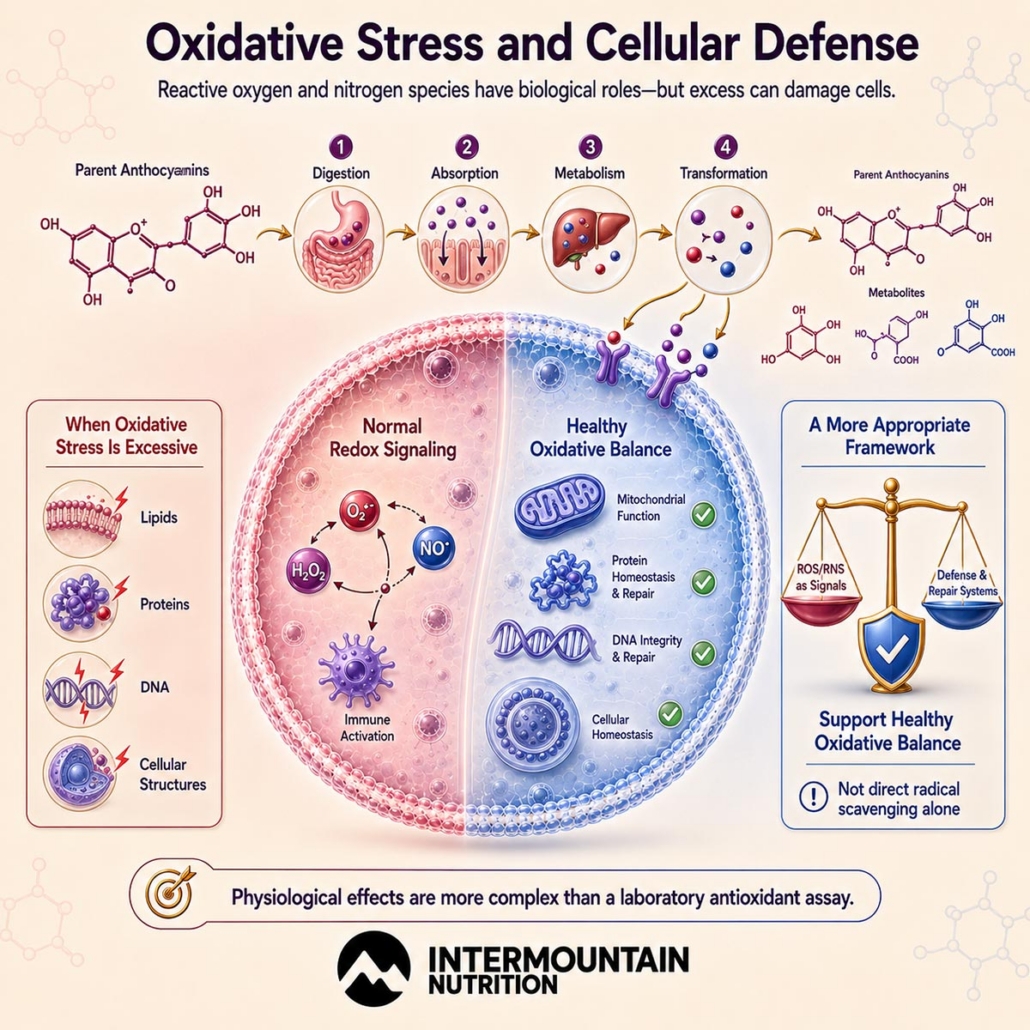
Immune activation can increase the production of reactive oxygen and nitrogen species. These molecules serve biological functions, but excessive or poorly regulated oxidative stress can damage lipids, proteins, DNA, and cellular structures.

Anthocyanins have demonstrated antioxidant activity in experimental systems. However, their effects in the body should not be reduced to direct radical scavenging alone.

Anthocyanins undergo digestion, absorption, metabolism, and extensive transformation after consumption. Their metabolites may also participate in biological signaling, making their physiological effects more complex than what would be predicted from a laboratory antioxidant assay alone.

For supplement positioning, this distinction is valuable. Supporting healthy oxidative balance provides a more scientifically appropriate framework than suggesting that anthocyanins simply neutralize harmful molecules throughout the body.

INFOGRAPHIC: Oxidative Stress And Cellular Defense
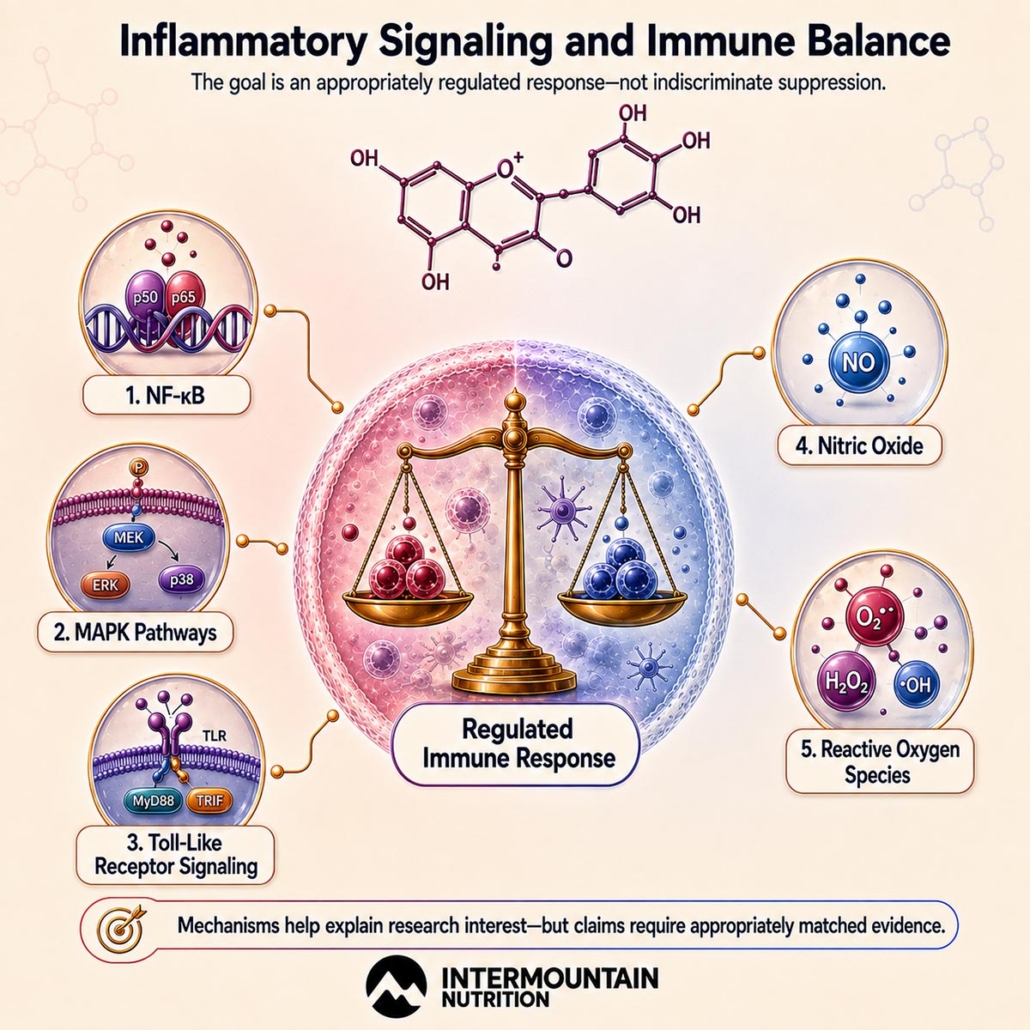
INFOGRAPHIC: Anthocyanins for Inflammatory Signaling And Immune Balance Support Supplements

Inflammatory Signaling & Immune Balance

Inflammation is another important part of normal immune defense. The goal is not to suppress inflammation indiscriminately, but to maintain an appropriately regulated response.

Experimental research has linked anthocyanins with several signaling systems involved in inflammatory responses, including NF-κB, MAPK pathways, toll-like receptor signaling, nitric oxide, and reactive oxygen species.

These findings provide biological plausibility for immune-health applications. However, much of the detailed mechanistic evidence comes from cell and animal models. Product developers should therefore avoid translating every observed molecular effect directly into a consumer health claim.

Instead, these mechanisms help explain why anthocyanin-rich foods and extracts continue to attract research interest within broader immune and inflammatory-balance research.

The Gut Adds Another Layer to the Story

Anthocyanin metabolism does not end with absorption in the small intestine. Anthocyanins and their metabolites can reach the colon, where they interact with the intestinal microbiota and undergo further transformation.

That creates a bidirectional relationship: the microbiome helps metabolize polyphenolic compounds, while those compounds and their metabolites may influence the microbial ecosystem.

This emerging area is particularly relevant to immunity because the intestinal environment plays an important role in immune regulation.

For brands, however, the distinction between mechanistic plausibility and clinically demonstrated outcomes remains essential. The science supports continued investigation of anthocyanins within the gut-immune relationship, but it does not justify treating every anthocyanin-rich ingredient as a proven microbiome or immune intervention.

Which Anthocyanin Sources Work for Supplement Formulation?

Anthocyanins are not a single ingredient. They represent a family of compounds distributed across numerous botanical sources, each with its own anthocyanin profile, supporting compounds, sensory characteristics, cost, sourcing considerations, and consumer associations.

Choosing a source should therefore begin with the intended product positioning.

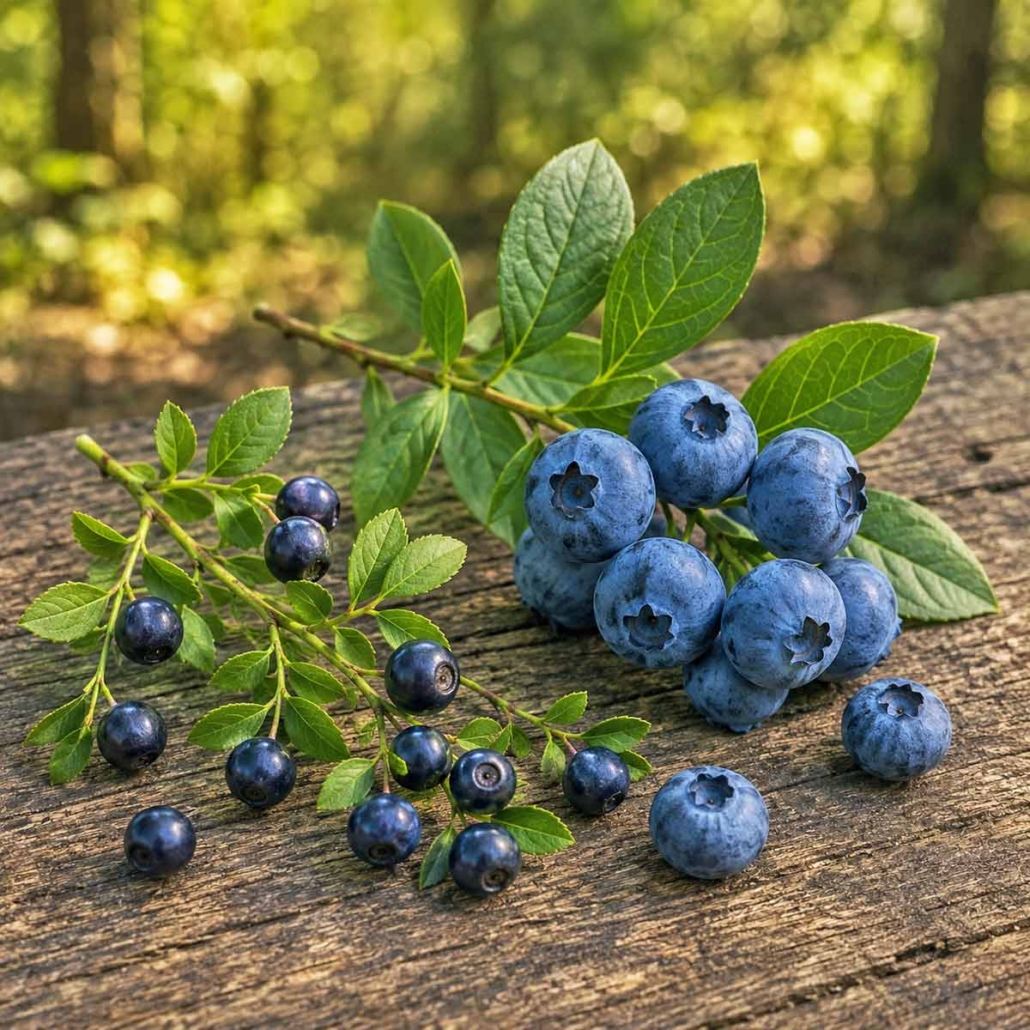
Blueberries and Bilberries are an Anthocyanin For Colorful Immunity Support Supplement Formulation

Blueberry & Bilberry

Blueberries and bilberries contain diverse anthocyanins derived from several anthocyanidins, contributing to a comparatively complex pigment profile.

These ingredients benefit from strong consumer recognition and associations with colorful, nutrient-dense foods.

That makes them particularly useful when a brand wants an immunity product to sit within a broader daily wellness or healthy-aging platform rather than being positioned only for seasonal use.

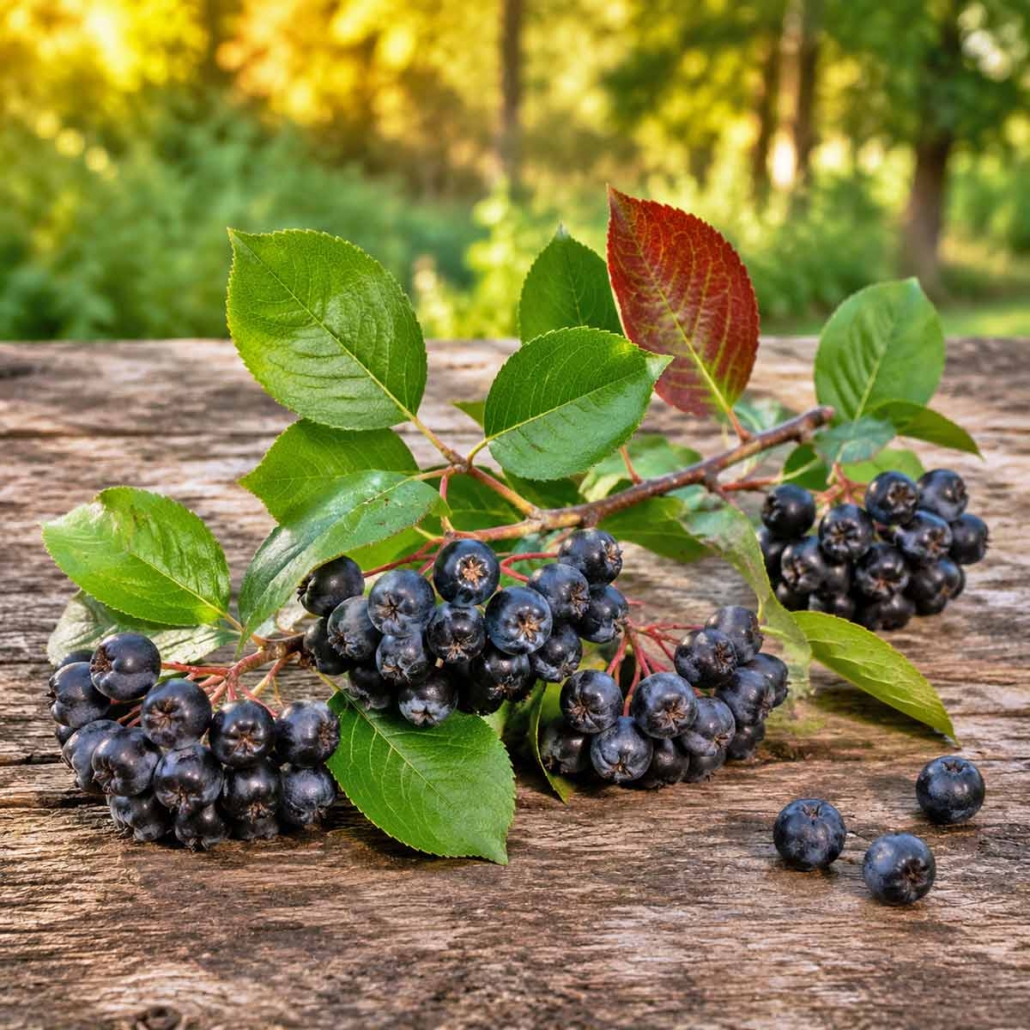
Aronia Berries or Chokeberries are an Anthocyanin For Colorful Immunity Support Supplement Formulation

Aronia or Chokeberry

Aronia berries are notable for their deep pigmentation and high polyphenol content. Their anthocyanins are dominated largely by cyanidin derivatives.

For brands, aronia can offer a more distinctive botanical story than familiar blueberry or elderberry. Its intense color also makes it visually compelling for powder concepts.

The tradeoff is sensory. Aronia can be notably astringent, so flavor development becomes particularly important in drink mixes and other formats where the ingredient is tasted directly.

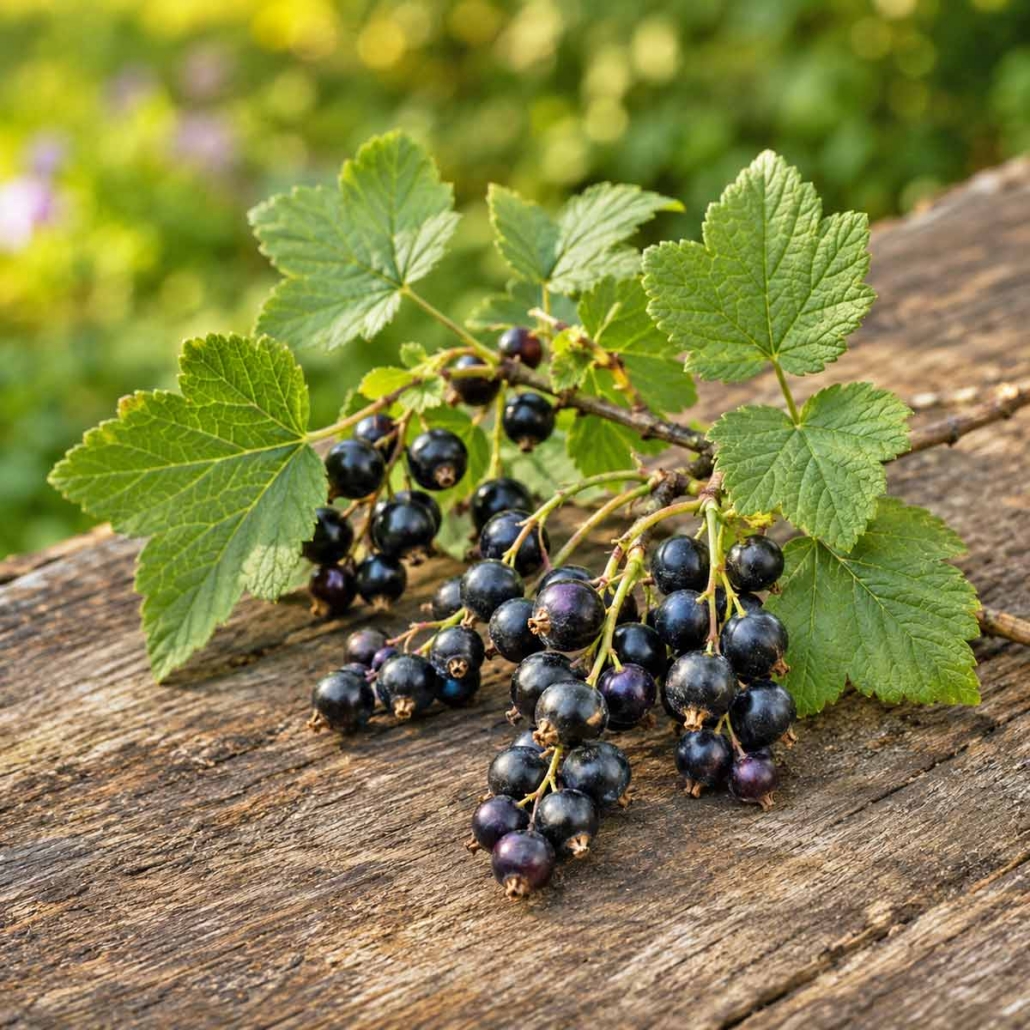
Blackcurrent is an Anthocyanin For Colorful Immunity Support Supplement Formulation

Blackcurrant

Blackcurrant (Ribes nigrum) provides a distinctive anthocyanin profile that includes delphinidin and cyanidin derivatives.

Its deep purple color can reinforce an antioxidant or phytonutrient story, while its relative differentiation from elderberry may appeal to brands looking beyond conventional seasonal immunity formulas.

Blackcurrant can also work well in broader wellness concepts where immune health overlaps with active nutrition, healthy aging, or antioxidant support.

Elderberry is an Anthocyanin For Colorful Immunity Support Supplement Formulation

Elderberry

Elderberry (Sambucus nigra) is one of the most recognizable anthocyanin-rich botanicals in the immune supplement category.

Its strong association with seasonal wellness makes it especially attractive for immunity-focused products. Elderberry’s anthocyanins are predominantly cyanidin derivatives, although composition varies with cultivar and processing.

For brands, elderberry provides immediate consumer familiarity. However, that familiarity also means differentiation can be difficult in a crowded category. Standardization, complementary ingredients, delivery format, flavor system, and positioning become important ways to distinguish the finished product.

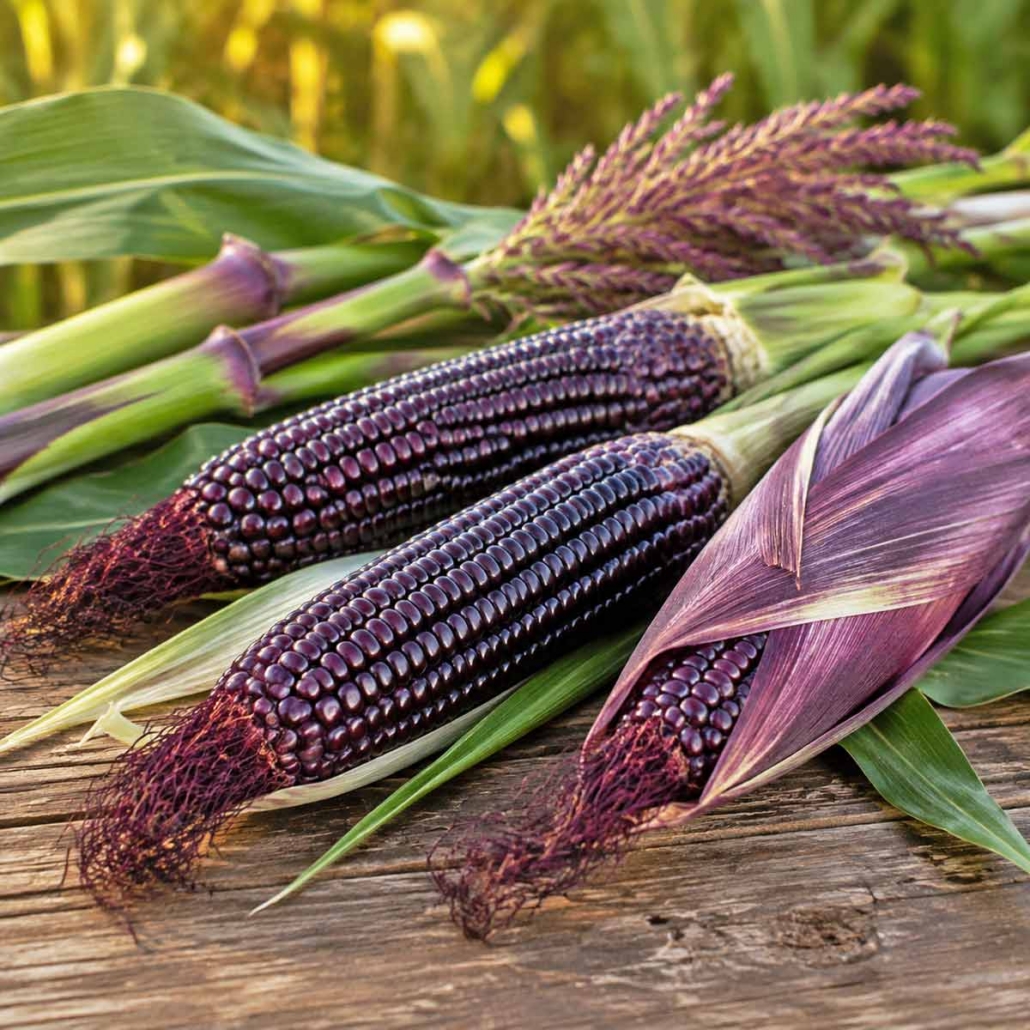
Black Corn is an Anthocyanin For Colorful Immunity Support Supplement Formulation

Purple Corn & Other Highly Pigmented Plants

Anthocyanins are not limited to berries. Purple corn, black rice, purple sweet potato, black carrot, red cabbage, and other highly pigmented plants can also provide anthocyanins.

Some plant sources contain acylated anthocyanins, which can exhibit greater stability than many non-acylated anthocyanins commonly found in fruits. This difference can become important when stability and natural coloration are major development priorities.

Therefore, botanical familiarity should not be the only selection criterion.

For supplement developers, the better question is:

Which anthocyanin source provides the right combination of evidence, specification, stability, sensory characteristics, color, cost, and consumer story for this particular product?

That question leads directly into one of the most important parts of anthocyanin product development: understanding standardization, extract quality, stability, bioavailability, and manufacturing considerations.

Standardization & Extract Quality: Not All Anthocyanin Ingredients Are Equivalent

Choosing an elderberry, blackcurrant, blueberry, aronia, or other deeply colored botanical is only the beginning. For supplement formulators, the more important question is what the finished ingredient actually contains and how consistently it can deliver it.

Anthocyanin concentrations can vary considerably within the same botanical species. Cultivar, growing environment, maturity at harvest, processing, extraction, temperature, light exposure, and storage can all influence anthocyanin content and composition.

That variability makes ingredient specifications particularly important when anthocyanins are central to the product concept.

Standardized Extract vs. Fruit Powder

A whole-fruit or berry powder and a standardized botanical extract can both have a place in supplement formulation, but they serve different purposes.

A fruit powder may contribute flavor, color, recognizable plant positioning, and a broader spectrum of naturally occurring compounds. However, unless the material is assayed and specified for anthocyanins, formulators should not assume it provides a consistent anthocyanin concentration.

A standardized extract provides greater control when a formula is designed around a defined anthocyanin content. Depending on the ingredient and supplier, specifications may address total anthocyanins, individual anthocyanins, total polyphenols, or another characteristic marker.

For brands, this distinction affects more than formulation. It can influence:

  • raw-material cost
  • dosage requirements
  • label positioning
  • testing requirements
  • finished-product color
  • flavor and astringency
  • batch-to-batch consistency
  • supporting documentation

A lower-cost berry powder, therefore, should not automatically be considered equivalent to a concentrated extract standardized for anthocyanins.

How Anthocyanins Are Measured Matters

Anthocyanin analysis is another area where specification details deserve attention.

The pH differential method is commonly used to estimate total monomeric anthocyanin content based on the characteristic changes in anthocyanin absorbance under different pH conditions. Chromatographic methods such as HPLC can provide more detailed information about individual anthocyanins within an extract.

These approaches answer somewhat different questions.

A total anthocyanin value can be useful for routine specification and quality control. A chromatographic profile can provide greater specificity when identity, composition, research comparability, or authentication is important.

For formulators evaluating competing ingredients, therefore, a percentage on a specification sheet should not be viewed in isolation. Understanding what was measured — and how it was measured — is part of understanding what you are buying.

Evaluate the Ingredient Behind the Percentage

When anthocyanins are central to a formula, developers should consider the complete ingredient specification rather than selecting solely on the highest advertised anthocyanin concentration.

Questions worth asking suppliers include:

  • What botanical species and plant part are used?
  • Is the material a whole-food powder, concentrated extract, or standardized extract?
  • What anthocyanin specification is guaranteed?
  • Which analytical method is used?
  • Are individual anthocyanins characterized?
  • What extraction solvents and carriers are used?
  • How does the ingredient perform under anticipated storage conditions?
  • What stability data are available?
  • Is the specification maintained through the stated shelf life of the raw material?
  • What documentation supports identity, purity, and contaminant testing?

These details become especially important when the finished product makes anthocyanins a central part of its differentiation.

Anthocyanin Stability: Protecting the Ingredient Through Formulation

Anthocyanins may provide an attractive combination of phytonutrient positioning and natural pigmentation, but their chemical sensitivity is one of the category’s most important formulation challenges.

Anthocyanin stability can be affected by pH, temperature, light, oxygen, moisture, enzymes, metal ions, proteins, other polyphenols, and additional components of the formulation.

That means formulators need to consider not only how much anthocyanin enters the manufacturing process, but also how much remains intact throughout processing and shelf life.

INFOGRAPHIC: pH Can Change The Color of Anthocyanins

pH Can Change Both Color & Stability

Anthocyanins are particularly responsive to pH because changes in acidity alter their molecular structure.

In strongly acidic environments, anthocyanins tend to favor the flavylium cation structure associated with red coloration. As pH increases, other structural forms become more prevalent, changing both color expression and stability. Many anthocyanins are considerably less stable under neutral and alkaline conditions.

For powder products designed to be mixed into water, this can create an interesting formulation challenge. The color consumers see in the dry powder may not be identical to the color they see after mixing.

The final beverage matrix — including acids, minerals, flavors, sweeteners, and other actives — can influence the result.

Consequently, anthocyanin-containing drink mixes should be evaluated in the actual prepared product, not simply as a dry blend.

Heat Can Accelerate Anthocyanin Degradation

Higher temperatures generally accelerate anthocyanin degradation. The degree of loss depends on the anthocyanin structure, botanical matrix, temperature, exposure time, pH, and surrounding ingredients.

This makes thermal exposure relevant during both processing and storage.

A manufacturing process that subjects an anthocyanin-rich ingredient to prolonged heat may produce a different result from a process with limited thermal exposure. Stability testing should therefore reflect the actual production process rather than relying solely on raw-material data.

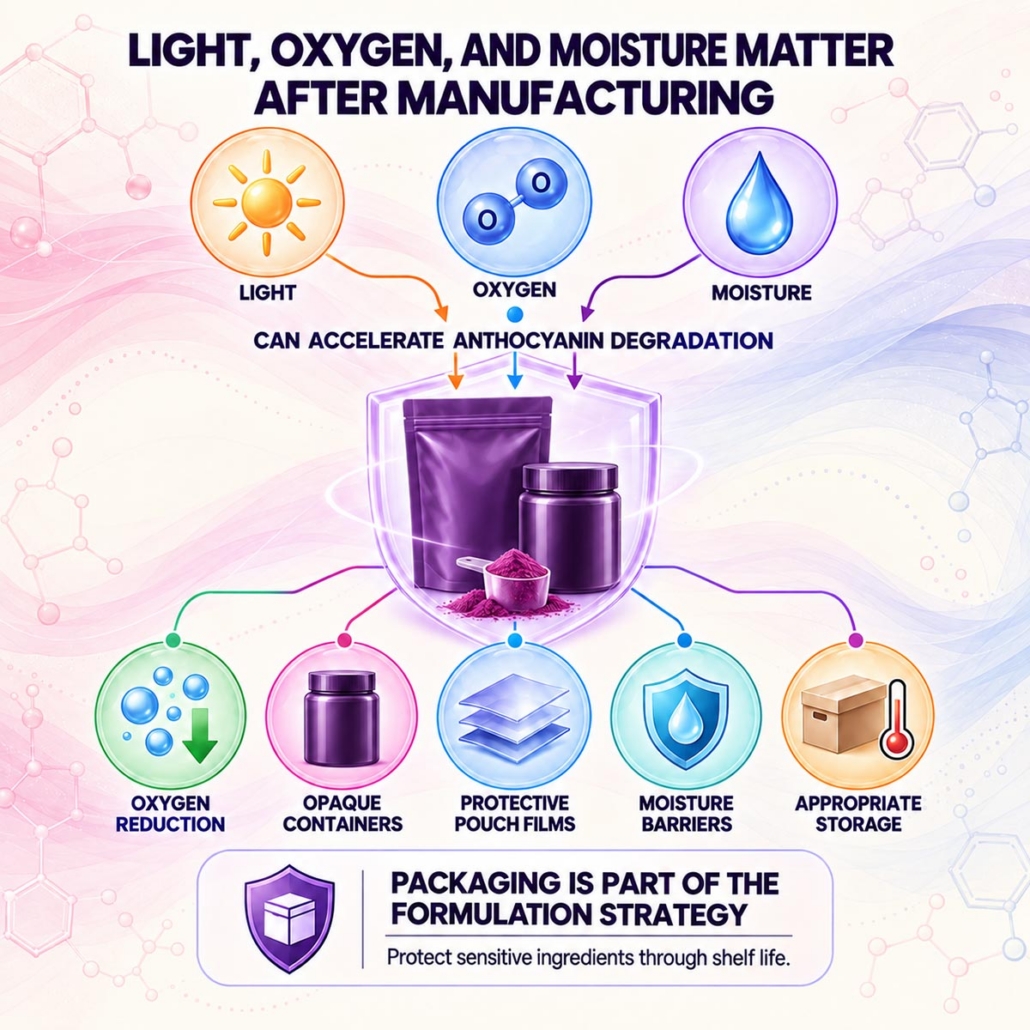
Light, Oxygen & Moisture Matter After Manufacturing

Anthocyanin protection does not end when production is complete.

Light and oxygen can accelerate degradation, while moisture can contribute to conditions that reduce anthocyanin stability. Research has consequently investigated approaches including oxygen reduction, protective packaging, encapsulation, copigmentation, and other delivery technologies to improve stability.

For commercial products, packaging decisions may therefore become part of the formulation strategy.

Opaque containers, appropriately selected pouch films, moisture barriers, oxygen management, and appropriate storage recommendations can help create a more protective environment for sensitive ingredients.

INFOGRAPHIC: Light Moisture And Oxygen Protection Matter After Anthocyanin Manufacturing
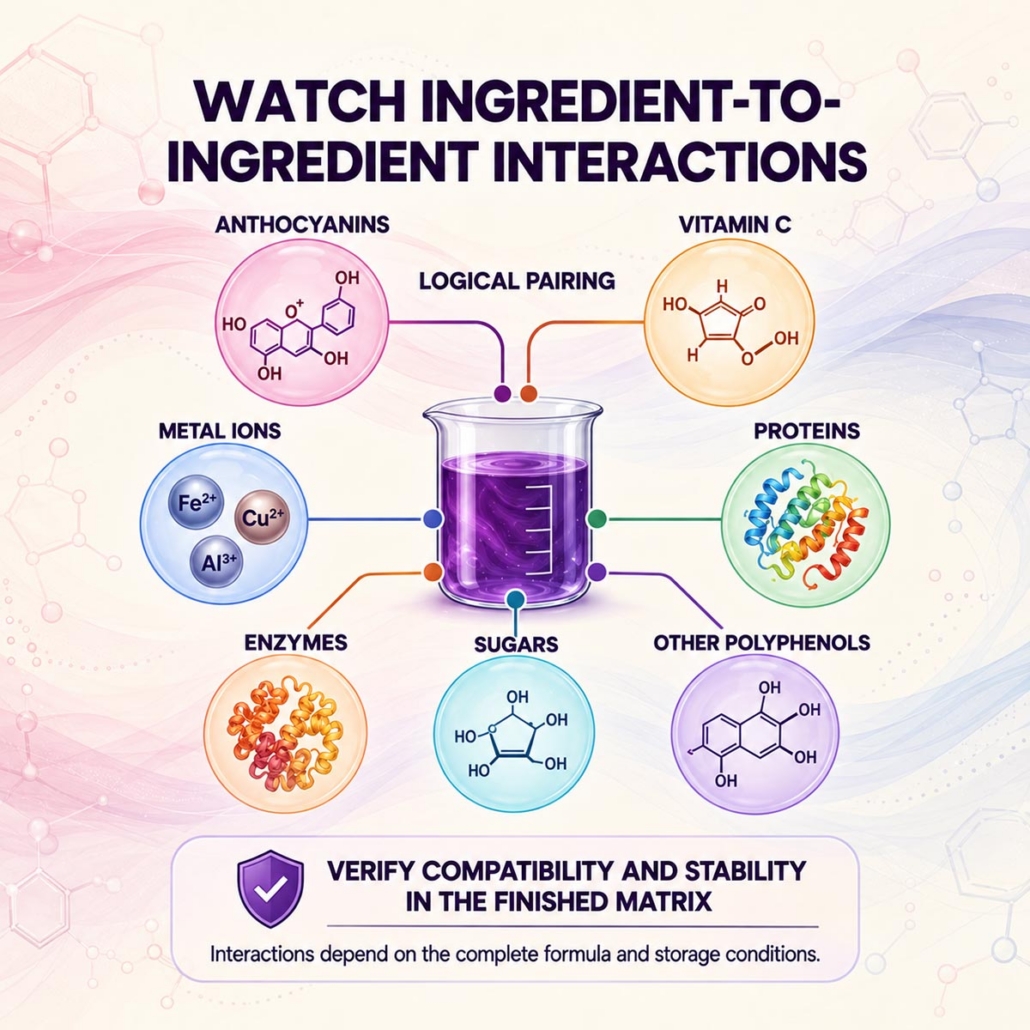
INFOGRAPHIC: Watch Ingredient To Ingredient Interactions in Anthocyanin Supplement Formulation

Watch Ingredient-to-Ingredient Interactions

A formula that appears logical from a marketing perspective may create unexpected stability challenges chemically.

For example, ascorbic acid is an intuitive companion ingredient for an immunity formula. However, anthocyanin stability in systems containing ascorbic acid can be complex, and degradation has been reported under certain conditions. Metal ions, proteins, enzymes, sugars, and other polyphenols can also influence stability.

That does not mean vitamin C and anthocyanins cannot be formulated together. Rather, it illustrates why compatibility and stability should be demonstrated in the finished matrix instead of inferred from the benefits of the individual ingredients.

Anthocyanin Bioavailability: The Parent Compound Is Only Part of the Story

Anthocyanins present an apparent paradox.

They are associated with biological effects in dietary and intervention research, yet concentrations of intact parent anthocyanins circulating in the body can be relatively low.

Earlier interpretations of anthocyanin bioavailability sometimes focused primarily on detecting the original compounds in plasma or urine.

Research has since revealed a much more complicated metabolic picture.

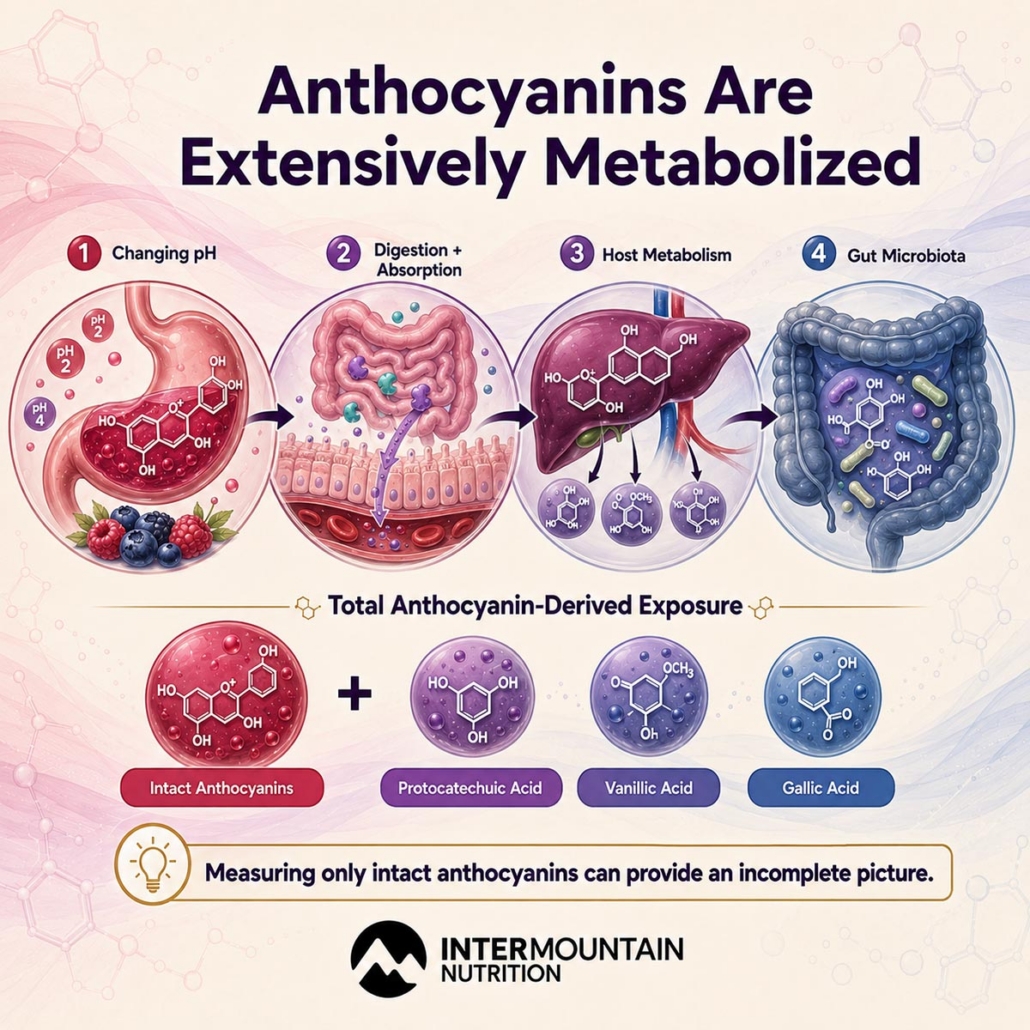
Anthocyanins Are Extensively Metabolized

After ingestion, anthocyanins encounter changing pH conditions, digestive enzymes, intestinal transport mechanisms, host metabolism, and the gut microbiota.

Some anthocyanins are absorbed and metabolized relatively early in digestion. Others continue through the gastrointestinal tract, where microbial metabolism can transform them into smaller phenolic compounds.

These metabolites can include compounds such as protocatechuic acid, vanillic acid, gallic acid, and other phenolic metabolites, depending on the original anthocyanin and metabolic pathway.

This means that measuring only intact anthocyanins can provide an incomplete picture of exposure.

INFOGRAPHIC: Anthocyanins Are Extensively Metabolized
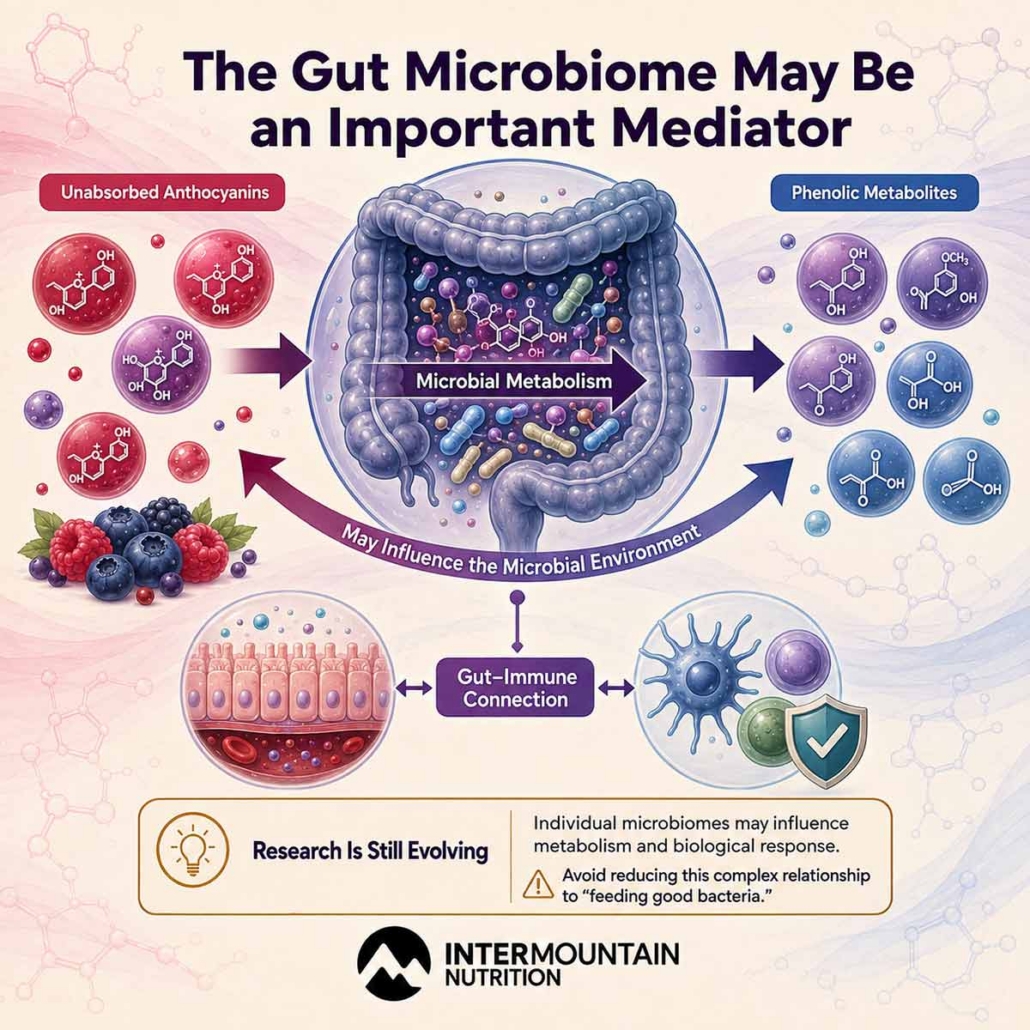
INFOGRAPHIC: The Gut Microbiome May Be An Important Mediator in Anthocyanins for Immune Support

The Gut Microbiome May Be an Important Mediator

The interaction between anthocyanins and the intestinal microbiome has become an important area of research.

Unabsorbed anthocyanins and their metabolites can reach the colon, where microorganisms participate in further biotransformation. At the same time, polyphenolic compounds may influence the microbial environment itself.

This creates a potentially bidirectional relationship:

Anthocyanins → microbial metabolism → phenolic metabolites

while anthocyanins and their metabolites may also interact with the composition and activity of the intestinal ecosystem.

For immunity-focused products, this is particularly interesting because the gut and immune system are closely interconnected. However, the research is still evolving. Differences in individual microbiomes may also contribute to differences in anthocyanin metabolism and biological response.

Therefore, formulators should resist reducing this complex relationship to a simple claim that anthocyanins “feed good bacteria” or automatically improve immunity through the microbiome.

Does Low Bioavailability Mean Anthocyanins Are Ineffective?

Not necessarily.

The traditional definition of bioavailability can be misleading when applied too narrowly to polyphenols. Low circulating concentrations of intact parent anthocyanins do not necessarily mean that ingestion produces little biological exposure.

Instead, researchers increasingly consider the metabolites created during digestion, host metabolism, and microbial transformation when evaluating anthocyanin activity.

This is an important point for science-forward supplement brands.

Rather than promising “maximum absorption” without supporting data, brands can build a more credible story around ingredient identity, appropriate dosing, formulation integrity, stability, and evidence from the specific anthocyanin source or preparation whenever possible.

Formulation Considerations for Anthocyanin Immune Supplements

An effective anthocyanin formula requires more than selecting a colorful botanical and adding it to an immune-support blend. Developers should consider the anthocyanin specification, dose, format, sensory characteristics, ingredient interactions, processing conditions, packaging, and intended shelf life as parts of the same formulation system.

Start With the Product Objective

First, determine what role the anthocyanin ingredient is intended to play.

Is it primarily:

  • an anthocyanin-standardized bioactive?
  • a recognizable botanical such as elderberry?
  • part of a broader phytonutrient complex?
  • an antioxidant-support ingredient?
  • a source of natural color?
  • part of an immunity-plus-healthy-aging concept?

The answer influences virtually every decision that follows.

For example, a standardized blackcurrant extract selected for its anthocyanin content should be evaluated differently from a blueberry powder primarily included for consumer recognition and whole-food positioning.

Match the Source to the Positioning

Elderberry offers perhaps the clearest connection with seasonal immune support.

Blackcurrant can provide differentiation while supporting a premium berry and phytonutrient story.

Blueberry or bilberry may fit particularly well when immunity overlaps with healthy aging, cognition, or broader antioxidant positioning.

Aronia offers intense pigmentation and a distinctive botanical story, although its astringency may require more sensory work.

Purple corn and other anthocyanin-rich plants can be especially interesting when natural color and pigment stability are important parts of the development brief.

The “best” source therefore depends on the product — not simply on which raw material contains the most anthocyanins.

Build the Formula Around Stability

Because anthocyanins respond to their chemical environment, the finished formula should be designed and tested as a system.

Key considerations include:

  • pH: Particularly important for drink mixes and other aqueous applications because pH influences anthocyanin structure, color, and stability.
  • Heat exposure: Evaluate processing steps that could subject the ingredient to elevated temperatures for extended periods.
  • Oxygen: Consider oxygen exposure during processing, filling, packaging, and storage.
  • Light: Evaluate whether the finished packaging provides adequate protection.
  • Moisture: Control water activity and moisture exposure where appropriate.
  • Ingredient compatibility: Test interactions with vitamins, minerals, proteins, flavors, acids, sweeteners, and other botanical extracts.
  • Shelf life: Verify anthocyanin retention and overall product quality under realistic storage conditions rather than assuming raw-material stability translates directly to the finished product.

Consider Flavor & Astringency Early

Anthocyanin-rich extracts often arrive with other polyphenolic compounds that can contribute bitterness, tartness, dryness, or astringency.

This can become especially noticeable as extract concentrations increase.

Fortunately, berry-derived anthocyanins lend themselves naturally to flavor profiles such as blackberry, blueberry, black cherry, mixed berry, pomegranate, grape, elderberry, and tart cherry. Strategic acidification can also contribute to both flavor development and anthocyanin color expression.

However, formulators should avoid treating flavor development as a final-stage correction. Sensory performance should be evaluated while the active system is being developed.

Choose the Delivery Format Deliberately

Capsules can minimize many taste and color concerns and may work well for concentrated standardized extracts.

Powders and stick packs allow anthocyanins to contribute directly to the sensory experience and can create visually distinctive products. However, they require closer attention to pH, flavor, moisture, color stability, and ingredient interactions after reconstitution.

Anthocyanins can also be incorporated into gummy formulations, but the processing environment and finished matrix need to be evaluated carefully because heat, moisture, pH, and storage conditions can influence pigment stability.

No format automatically guarantees better anthocyanin performance. The appropriate delivery system depends on the extract, dose, formulation matrix, manufacturing process, packaging, and desired consumer experience.

Avoid Assuming More Ingredients Create a Better Immune Formula

Anthocyanins pair logically with familiar immune-support ingredients such as vitamin C, vitamin D, zinc, beta-glucans, and other botanicals. However, adding ingredients solely because they fit the immune category can increase cost, testing requirements, sensory complexity, and stability risk.

It can also dilute the product story.

For brands seeking differentiation, a focused formula built around a well-characterized anthocyanin source may provide a stronger concept than a long ingredient panel containing small amounts of numerous botanicals.

Ultimately, the strongest anthocyanin immune formulations align ingredient selection, scientific evidence, manufacturing feasibility, sensory performance, stability, cost, and consumer positioning from the beginning of product development.

That is where anthocyanins become particularly interesting for supplement brands: their value is not simply that they are colorful plant compounds. Their value lies in using that chemistry intentionally to create a product that is scientifically credible, commercially differentiated, and technically sound.

Building an Anthocyanin-Focused Immune Formula

Anthocyanins rarely need to stand alone. For supplement brands, one of the more compelling opportunities is to use a well-characterized anthocyanin source as the foundation of an immune-support formula and then add complementary ingredients with distinct, defensible roles.

The key is purposeful combination rather than ingredient accumulation.

A formula containing ten familiar immune ingredients is not necessarily more compelling than one built around four or five ingredients with clearly differentiated functions. Every additional active can affect cost, assay requirements, serving size, sensory performance, stability, and the clarity of the product story.

Vitamin C: Familiar, Relevant, but Formulation-Dependent

Vitamin C is one of the most recognizable nutrients associated with normal immune function. It contributes to multiple cellular functions of both innate and adaptive immunity and also functions within the body’s antioxidant defense network.

From a consumer-positioning standpoint, pairing vitamin C with an anthocyanin-rich botanical creates an intuitive combination: an established essential nutrient alongside colorful plant compounds.

However, formulators should not assume the combination is automatically chemically ideal.

As discussed earlier, ascorbic acid can accelerate anthocyanin degradation under some conditions. The extent of that interaction depends on the anthocyanin, matrix, concentration, oxygen, temperature, pH, and other formulation variables.

Therefore, a vitamin C–anthocyanin combination may still make excellent commercial sense, but finished-product compatibility and stability testing should support the decision rather than relying solely on the theoretical benefits of each ingredient.

Vitamin D: A Different Immune-Support Pathway

Vitamin D provides a distinctly different formulation rationale.

The vitamin D receptor is expressed in multiple immune cells, and vitamin D signaling is involved in both innate and adaptive immune responses. The relationship between vitamin D and immunity has consequently become an important area of nutritional research.

Because vitamin D does not simply duplicate the antioxidant positioning associated with anthocyanins, it can help broaden an immune formula without making the botanical story unnecessarily complex.

The dosage is also relatively small compared with many botanical actives, which can be useful when serving-size constraints are important.

Zinc: Established Nutritional Support for Immune Function

Zinc is another logical companion nutrient because it is required for numerous aspects of cellular metabolism and plays an important role in immune function.

However, mineral inclusion should be considered within the entire formulation matrix.

Minerals can create sensory challenges in powders and gummies, including metallic or bitter notes. They can also introduce chemical interactions that should be evaluated when working with sensitive polyphenolic compounds.

For a capsule, these issues may be relatively manageable. For a berry-flavored drink mix, sensory development and stability testing become more important.

Beta-Glucans: A Complementary Immune Positioning Strategy

Beta-glucans, particularly structurally characterized beta-glucans derived from yeast, offer another potential route for building an immune-support formula around mechanisms that differ from those associated with anthocyanins.

Beta-glucans are recognized by pattern-recognition receptors associated with innate immune function, which has generated considerable interest in their immunomodulatory properties. However, biological activity varies according to source and molecular structure, so “beta-glucan” should not be treated as a single interchangeable ingredient category.

A formula combining a standardized anthocyanin source with an appropriately selected beta-glucan could therefore create a broader immune-support story without relying on a long list of botanicals.

Should Multiple Anthocyanin Sources Be Combined?

A “superberry” blend of elderberry, blueberry, blackcurrant, aronia, and other colorful fruits can be highly marketable.

But more sources do not automatically create a better anthocyanin formula.

If each ingredient is included at a small dose primarily to expand the label, the formulation may provide a weaker scientific story than a meaningful amount of one well-characterized extract.

There are situations where a multi-source blend makes sense — particularly when the objective is a broad phytonutrient or whole-food positioning. However, if the primary product story is anthocyanin content, formulators should ask whether the blend provides a defined and meaningful anthocyanin specification.

A More Focused Development Model

Instead of beginning with a long list of immune ingredients, brands can build the formula around several defined roles:

Anthocyanin foundation
A standardized elderberry, blackcurrant, aronia, bilberry, or other appropriate extract.

Established micronutrient support
One or more nutrients such as vitamin C, vitamin D, or zinc, selected according to the intended product.

Complementary immune active
Potentially a characterized beta-glucan or another ingredient that provides a distinct formulation rationale.

Consumer experience
Flavor, color, format, serving size, convenience, and packaging designed around the target consumer.

This approach keeps the formulation architecture understandable.

More importantly, it gives each ingredient a reason to be there.

Where Anthocyanins Can Differentiate Immune Support Products

The immune supplement category is mature. Consumers already recognize ingredients such as vitamin C, vitamin D, zinc, echinacea, and elderberry, which creates both an advantage and a challenge for brands.

Familiarity can reduce the education required to introduce a product. At the same time, another conventional “immune blend” can be difficult to distinguish from dozens of products already on the market.

Anthocyanins offer brands an opportunity to approach immune support from a broader plant-compound and daily-wellness perspective.

Move Beyond the Seasonal Immunity Model

Traditional immune supplements are often associated with cold and flu season. Consumers may begin taking them when winter approaches—or after they already feel under the weather.

Anthocyanins can support a different positioning framework.

Because research surrounding anthocyanins extends into oxidative balance, inflammatory signaling, vascular health, metabolic health, the gut microbiome, cognition, exercise recovery, and healthy aging, these compounds fit naturally within broader daily-wellness concepts.

For supplement brands, this creates an opportunity to position immunity as one component of everyday physiological resilience rather than an exclusively seasonal concern.

That distinction could be especially useful for products designed for year-round use.

Connect Immunity With Healthy Aging

Immune function does not exist independently of the other systems involved in healthy aging.

Oxidative stress, chronic low-grade inflammatory processes, metabolic regulation, gut health, vascular function, and cellular signaling increasingly intersect within healthy-aging research. Anthocyanins are being investigated across several of these areas.

This creates potential for formulations positioned around concepts such as:

immune health + healthy aging
immune health + antioxidant support
immune health + cellular wellness
immune health + gut health
immune health + active aging

The formulation still needs to support the positioning, and consumer-facing claims must remain appropriately substantiated. However, anthocyanins can provide a credible botanical bridge between categories that consumers increasingly view as interconnected.

Turn Natural Color Into Part of The Product Experience

For powders and stick packs, anthocyanins offer something many conventional immune ingredients cannot: visible product identity.

A rich red, purple, or berry-colored drink can reinforce the botanical story each time the consumer prepares it.

That creates an interesting alignment between ingredient and experience:

colorful plant → anthocyanin-rich extract → colorful finished product

When technically feasible, the product’s appearance can therefore become part of the communication strategy rather than something created entirely by a separate color additive.

This should be approached carefully. An anthocyanin extract included for physiological positioning may not provide the exact hue, intensity, or stability required from a commercial coloring system.

Still, when the formula allows it, the ingredient responsible for part of the product story can also help create the product’s visual identity.

Use Botanical Source as a Differentiation Tool

Elderberry offers immediate recognition, but it is not the only viable anthocyanin story.

A brand might instead build around:

Blackcurrant for a premium dark-berry positioning.

Aronia for a less familiar, deeply pigmented botanical with a strong polyphenol story.

Bilberry for a European botanical heritage and broader healthy-aging positioning.

Purple corn for a distinctive plant source and visually driven phytonutrient concept.

Blueberry for exceptionally high consumer familiarity and an easy bridge between immune support and daily wellness.

The source can therefore become part of the brand architecture — not simply a line on the Supplement Facts panel.

The Opportunity Is Bigger Than “Antioxidants”

Perhaps the greatest positioning opportunity is to avoid reducing anthocyanins to another antioxidant ingredient.

Consumers have seen “antioxidant support” on supplement labels for decades. While oxidative balance remains relevant, anthocyanin science provides a richer story involving plant chemistry, metabolism, cellular signaling, microbial transformation, inflammatory balance, and the interaction between diet-derived compounds and human physiology.

Brands do not need to communicate every mechanism to consumers.

But understanding that complexity behind the scenes can lead to better products and more credible messaging.

For supplement companies looking for the next generation of plant-based immune support, anthocyanins provide an opportunity to connect recognizable botanical ingredients, emerging science, natural color, and year-round wellness positioning in a way that relatively few ingredient categories can.

The result is not simply another berry supplement.

Done well, it can be a differentiated immune-health platform built around the chemistry that gives colorful plants some of their most distinctive characteristics.

The Market Opportunity for Anthocyanin Immune Supplements

Anthocyanins sit at the intersection of several product-development themes that are already important to supplement brands: plant-based ingredients, immune support, antioxidant nutrition, healthy aging, gut health, recognizable botanical sources, and natural color.

That convergence may be more strategically important than the size of an “anthocyanin market” itself.

Consumers do not necessarily shop for anthocyanins by name. They are more likely to recognize elderberry, blueberry, blackcurrant, tart cherry, or other colorful plant ingredients. This gives brands an opportunity to lead with familiar botanical sources while using anthocyanin science to create greater depth behind the product.

From Ingredient Recognition to Ingredient Education

Elderberry demonstrates how powerful ingredient recognition can become in the immunity category. However, the broader anthocyanin family gives brands considerably more room to innovate.

A product might introduce consumers to anthocyanins through a simple hierarchy:

Recognizable plant → naturally occurring anthocyanins → physiological relevance → immune-support positioning

For example, a brand could lead with blackcurrant or aronia on the front of the package while using educational content to explain that the plant’s deep pigmentation reflects its anthocyanin composition.

This allows the science to reinforce the botanical story rather than compete with it.

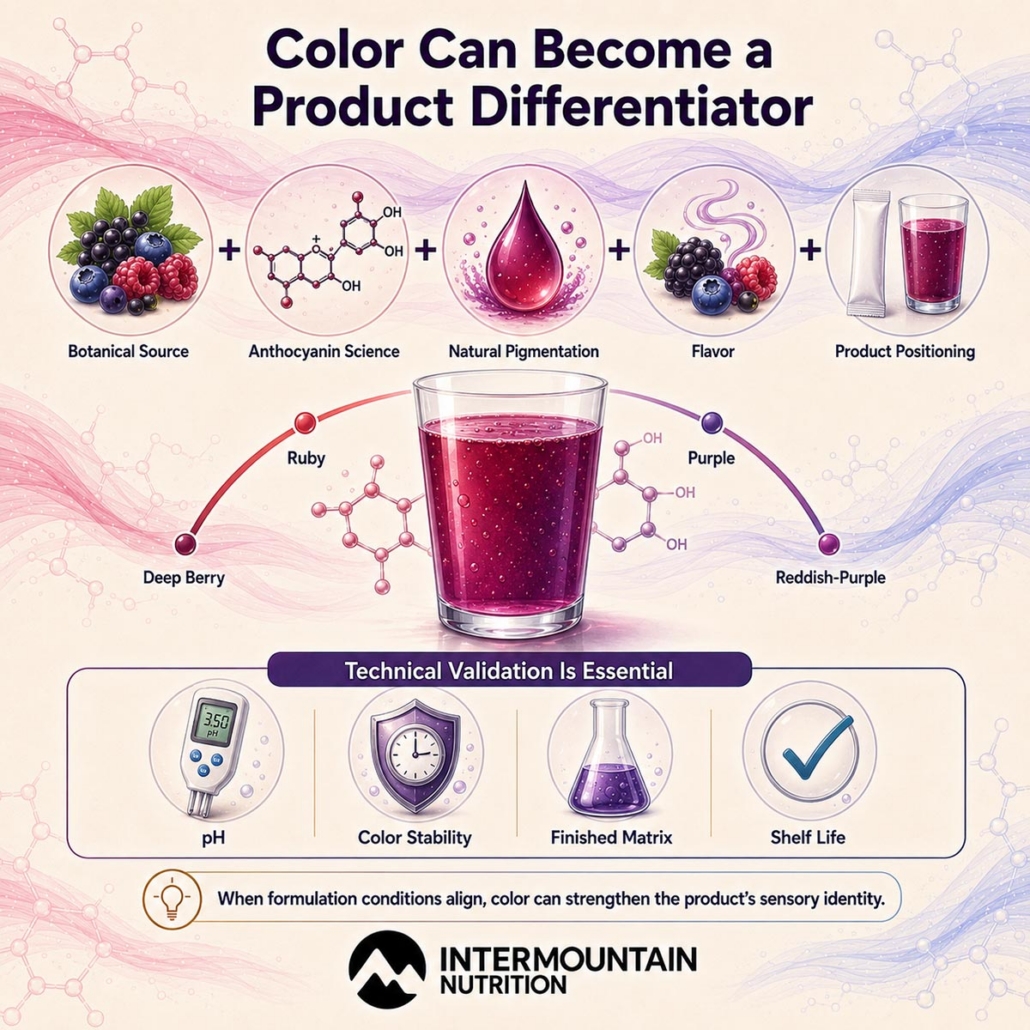
Color Can Become a Product Differentiator

INFOGRAPHIC: Color Can Be A Product Differentiator with Anthocyanins

Powdered supplements create an especially interesting opportunity for anthocyanins because the ingredient can potentially influence what consumers see when they prepare the product.

A deep berry, ruby, purple, or reddish-purple beverage can reinforce the plant-based positioning before the consumer even tastes it.

That visual experience can be especially effective when the product story explains why those colors occur naturally.

Instead of treating color as an unrelated cosmetic characteristic, brands may be able to create a more cohesive experience:

botanical source + anthocyanin science + natural pigmentation + flavor + product positioning

However, this strategy requires technical validation. Anthocyanin color is sensitive to the surrounding formulation, and a bioactive extract should not automatically be expected to perform like a dedicated commercial color ingredient.

When formulation conditions align, though, anthocyanins can help connect the science of the ingredient with the sensory identity of the finished product.

Ingredient Transparency Can Support Premium Positioning

Anthocyanin products also create an opportunity for brands to communicate quality in ways consumers can understand.

Consider the difference between:

“Berry antioxidant blend”

and a formulation story that identifies:

  • the botanical source
  • the plant species
  • the type of extract
  • the anthocyanin standardization
  • why that source was selected
  • how the formula protects sensitive compounds
  • how the ingredient fits the intended product benefit

Not every consumer will want every technical detail. However, brands can layer this information across packaging, product pages, educational content, QR-linked resources, and retailer materials.

For premium supplement companies, transparency itself can become part of the differentiation strategy.

Immune Support Is Not the Same as Disease Prevention

This distinction deserves particular attention in immunity marketing.

A properly substantiated claim about supporting normal immune function is fundamentally different from claiming or implying that a supplement prevents, treats, mitigates, or cures an infectious disease.

The FDA explains that structure/function claims cannot explicitly or implicitly link a supplement’s effect to a specific disease or class of diseases.

This distinction applies not only to the words printed prominently on the front of a package.

Product names, website copy, images, testimonials, social media, advertising, surrounding language, and the overall context can contribute to the message consumers reasonably take away.

Brands developing anthocyanin immune supplements should therefore be particularly cautious with language suggesting that a product:

  • prevents colds, influenza, or other infections
  • reduces the risk of contracting an infectious disease
  • treats symptoms associated with illness
  • fights viruses or pathogens in the consumer
  • shortens illness duration
  • substitutes for medical prevention or treatment

The existence of laboratory research involving antiviral activity, inflammatory mediators, or immune-cell mechanisms does not automatically support those finished-product claims.

Anthocyanins Offer a Colorful New Direction for Immune Support

Anthocyanins are easy to recognize in nature. They help create the striking reds, purples, blues, and near-black colors found across berries, fruits, vegetables, and other plants.

Their biological story is considerably more complex.

Anthocyanins belong to the flavonoid family of polyphenols and have attracted research interest for their interactions with oxidative balance, inflammatory signaling, metabolism, the intestinal microbiome, and other processes relevant to human health.

For immunity-focused supplement development, that creates an intriguing opportunity.

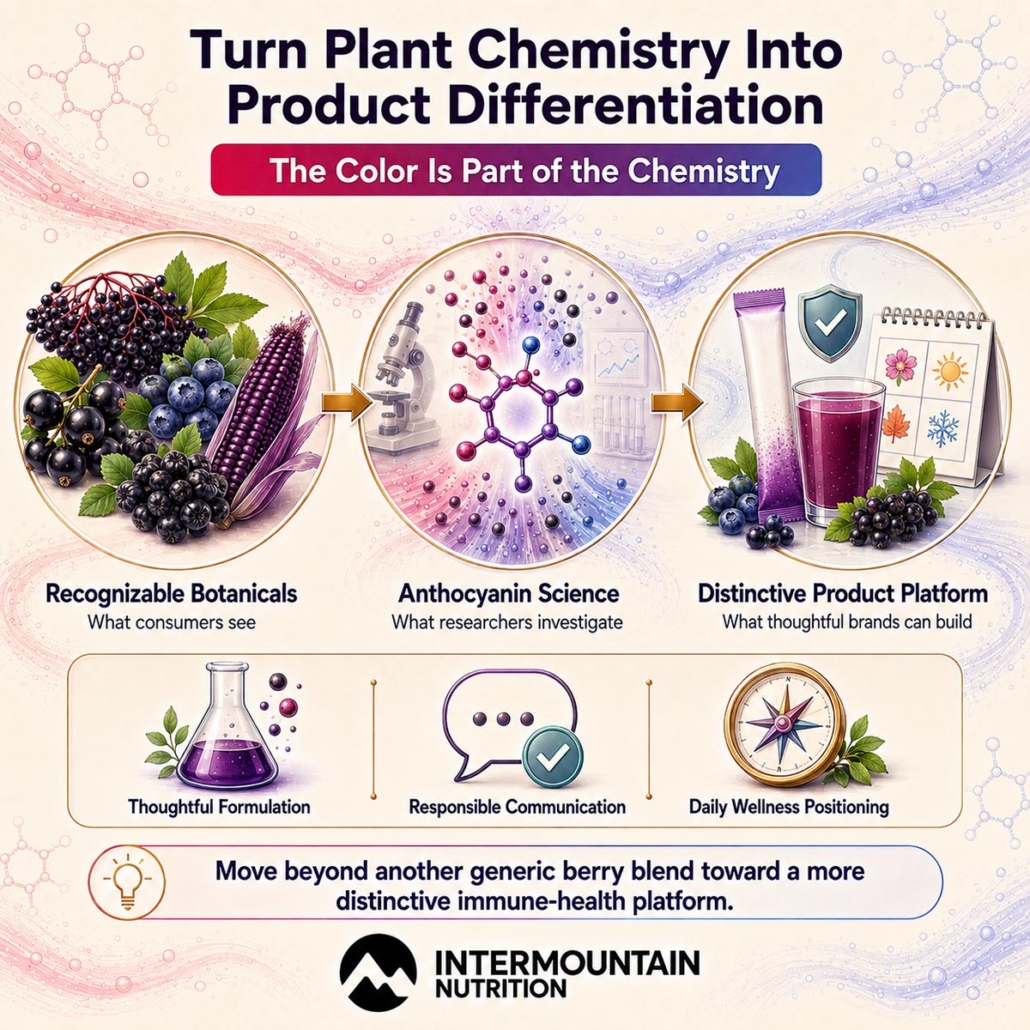
Turn Plant Chemistry Into Product Differentiation

Perhaps the most compelling opportunity is the connection between what consumers see and what the science investigates.

The pigments responsible for the dramatic colors of elderberries, blackcurrants, blueberries, aronia berries, purple corn, and other plants are also the compounds driving anthocyanin research.

For supplement brands, that creates an unusually intuitive story:

The color is part of the chemistry.

With thoughtful formulation and responsible scientific communication, anthocyanins can help brands move plant-based immune support beyond another generic berry blend and toward a more distinctive platform for daily wellness.

Ready to explore an anthocyanin-focused immune supplement? Intermountain Nutrition can help evaluate ingredients, formulation strategy, delivery format, flavor, manufacturing requirements, and commercial scalability. Contact Intermountain Nutrition to discuss your next supplement concept.

Turn Plant Chemistry Into Product Differentation

Frequently Asked Questions

Anthocyanins are naturally occurring, water-soluble plant pigments belonging to the flavonoid family of polyphenols. They contribute many of the red, purple, blue, and dark colors found in berries, grapes, purple corn, black rice, and other plants.

Common anthocyanidins underlying naturally occurring anthocyanins include cyanidin, delphinidin, malvidin, pelargonidin, peonidin, and petunidin. Their chemical structures, attached sugars, botanical matrices, and surrounding environments can influence their color, stability, metabolism, and biological behavior.

No. Anthocyanins are one specific class within the much larger polyphenol family.

A useful hierarchy is:

Polyphenols → Flavonoids → Anthocyanins

Other polyphenols include compounds from categories such as phenolic acids, stilbenes, and lignans. Even within flavonoids, anthocyanins represent only one group.

This distinction matters when evaluating research because evidence about polyphenols broadly does not necessarily establish the same effects for a particular anthocyanin or anthocyanin-rich extract.

Researchers have investigated anthocyanins in connection with oxidative balance, inflammatory signaling, cellular pathways, intestinal microbiota, and other biological processes relevant to immune function.

However, evidence varies considerably by anthocyanin, botanical source, preparation, dose, research model, and outcome.

Anthocyanins should therefore be positioned as part of a broader immune-support strategy rather than as substances that prevent or treat infections or immune-related diseases.

Anthocyanins occur naturally in many deeply pigmented plants, including blueberries, blackberries, blackcurrants, elderberries, bilberries, aronia berries, cherries, grapes, purple corn, black rice, red cabbage, and purple sweet potatoes.

However, color alone does not provide a reliable measure of anthocyanin dose. Different plants contain different anthocyanins and concentrations, and growing conditions, maturity, processing, and storage can influence their composition.

There is no single best source for every formulation.

Elderberry provides strong consumer recognition within immune support. Blackcurrant can offer a differentiated dark-berry story. Blueberry and bilberry can bridge immune support with broader healthy-aging positioning. Aronia provides intense pigmentation and a distinctive polyphenol profile, while purple corn and other sources may provide interesting opportunities where pigmentation and stability are important.

The appropriate choice depends on the desired evidence, anthocyanin specification, dose, stability, sensory characteristics, format, cost, and consumer positioning.

Black elderberry (Sambucus nigra) contains anthocyanins, with cyanidin derivatives representing important components of its anthocyanin profile.

However, elderberry ingredients can vary substantially. A whole-fruit powder, juice concentrate, generic extract, and standardized extract should not automatically be considered equivalent.

Brands developing products specifically around anthocyanins should evaluate the ingredient specification and analytical methodology rather than assuming a consistent anthocyanin dose simply because elderberry appears on the label.

Anthocyanins demonstrate antioxidant properties, but describing them only as antioxidants oversimplifies their biology.

Following consumption, anthocyanins can undergo extensive transformation and metabolism. Researchers are investigating the parent compounds and their metabolites in relation to redox signaling, inflammatory pathways, microbial interactions, and other physiological processes.

For supplement brands, supporting healthy oxidative balance or antioxidant defenses, when appropriately substantiated, can provide a more useful framework than implying that anthocyanins simply neutralize free radicals throughout the body.

Anthocyanin bioavailability is complex.

Relatively low concentrations of intact parent anthocyanins may be detected in circulation, but this does not represent the entire metabolic picture. Anthocyanins undergo extensive transformation, producing numerous metabolites that may contribute to biological activity.

The intestinal microbiota also participates in anthocyanin metabolism. Therefore, modern research increasingly evaluates total anthocyanin-derived exposure rather than looking exclusively for the original compound in circulation.

Anthocyanins and their metabolites interact with the intestinal microbiota, and this relationship is an active area of research.

Gut microorganisms can transform anthocyanins into smaller phenolic metabolites. At the same time, anthocyanins and their metabolites may influence aspects of the intestinal microbial environment.

These findings are particularly interesting for immune research because of the close relationship between the gut and immune system. However, evidence should not be simplified into a universal claim that every anthocyanin supplement improves the microbiome.

Anthocyanins can change molecular form as pH changes. These structural changes influence both their appearance and stability.

Acidic conditions often favor red anthocyanin forms, while increasing pH can shift pigmentation toward purple or blue before favoring less intensely colored forms.

For powders and drink mixes, the pH of the prepared beverage can therefore affect what consumers see as well as the chemical environment surrounding the anthocyanins.

Potentially. Anthocyanin-rich ingredients can contribute red, purple, blue, or related hues depending on the source and formulation environment.

However, a botanical extract selected for its anthocyanin content is not automatically equivalent to a dedicated natural color ingredient.

Developers need to evaluate concentration, pH, processing, other ingredients, light, oxygen, moisture, storage, and desired shelf life before relying on an anthocyanin extract for the finished product’s appearance.

Yes, but the combination deserves careful formulation work.

Vitamin C is an established nutrient for normal immune function and makes intuitive sense in an anthocyanin-focused immune product. However, ascorbic acid can accelerate anthocyanin degradation under certain formulation conditions.

This does not make the ingredients incompatible. It means the combination should be evaluated in the actual finished-product matrix through appropriate compatibility and stability testing.

Anthocyanin-rich ingredients can potentially be formulated into capsules, powders, stick packs, and gummies.

Capsules can help avoid taste and color challenges associated with some concentrated extracts. Powders and stick packs allow anthocyanins to contribute to the product’s sensory and visual identity but require careful attention to flavor, pH, moisture, dispersibility, and color stability.

Gummies can also incorporate anthocyanin-rich ingredients, although processing conditions, acidity, moisture, sensory characteristics, and shelf stability require consideration.

The appropriate format depends on the specific ingredient and overall formulation.

References

Wallace, T. C., & Giusti, M. M. (2015). Anthocyanins. Advances in Nutrition, 6(5), 620–622.

Khoo, H. E., Azlan, A., Tang, S. T., & Lim, S. M. (2017). Anthocyanidins and anthocyanins: Colored pigments as food, pharmaceutical ingredients, and the potential health benefits. Food & Nutrition Research, 61(1), 1361779.

Tena, N., Martín, J., & Asuero, A. G. (2020). State of the art of anthocyanins: Antioxidant activity, sources, bioavailability, and therapeutic effect in human health. Antioxidants, 9(5), 451

Speer, H., D’Cunha, N. M., Alexopoulos, N. I., McKune, A. J., & Naumovski, N. (2020). Anthocyanins and human health—A focus on oxidative stress, inflammation and disease. Antioxidants, 9(5), 366.

Mattioli, R., Francioso, A., Mosca, L., & Silva, P. (2020). Anthocyanins: A comprehensive review of their chemical properties and health effects on cardiovascular and neurodegenerative diseases. Molecules, 25(17), 3809.

Cortez, R., Luna-Vital, D. A., Margulis, D., & de Mejia, E. G. (2017). Natural pigments: Stabilization methods of anthocyanins for food applications. Comprehensive Reviews in Food Science and Food Safety, 16(1), 180–198.

Enaru, B., Drețcanu, G., Pop, T. D., Stănilă, A., & Diaconeasa, Z. (2021). Anthocyanins: Factors affecting their stability and degradation. Antioxidants, 10(12), 1967.

Farr, J. E., & Giusti, M. M. (2018). Investigating the interaction of ascorbic acid with anthocyanins and pyranoanthocyanins. Molecules, 23(4), 744.

Eker, M. E., Aaby, K., Budic-Leto, I., Rimac Brnčić, S., El, S. N., Karakaya, S., Simsek, S., Manach, C., Wiczkowski, W., & de Pascual-Teresa, S. (2020). A review of factors affecting anthocyanin bioavailability: Possible implications for inter-individual variability. Foods, 9(1), Article 2.

Yang, M., Koo, S. I., Song, W. O., & Chun, O. K. (2011). Food matrix affecting anthocyanin bioavailability: Review. Current Medicinal Chemistry, 18(2), 291–300.

Kumkum, R., Aston-Mourney, K., McNeill, B. A., Hernández, D., & Rivera, L. R. (2024). Bioavailability of anthocyanins: Whole foods versus extracts. Nutrients, 16(10), Article 1403.

Manach, C., Williamson, G., Morand, C., Scalbert, A., & Rémésy, C. (2005). Bioavailability and bioefficacy of polyphenols in humans. I. Review of 97 bioavailability studies. The American Journal of Clinical Nutrition, 81(1 Suppl), 230S–242S.

Eker, M. E., Aaby, K., Budic-Leto, I., Rimac Brnčić, S., El, S. N., Karakaya, S., Simsek, S., Manach, C., & Wiczkowski, W. (2020). A review of factors affecting anthocyanin bioavailability: Possible implications for the interindividual variability. Foods, 9(1), 2.

Carr, A. C., & Maggini, S. (2017). Vitamin C and immune function. Nutrients, 9(11), 1211.

Zhong, X., Wang, G., Li, F., et al. (2023). Immunomodulatory effect and biological significance of β-glucans. Pharmaceutics, 15(6), 1615.

Related Postings

older couple walking in the park during autumn
three friends discussing and researching supplements for health and wellness
Blue Spirulina for Antioxidant Supplements