The Future of Men’s Health Formulations: Trends, Ingredients, and Innovations for 2026–2027
June 1, 2026 | Trends
Trending ingredients, delivery formats, and functional benefits for modern supplement brands

June 1, 2026 | Trends
Trending ingredients, delivery formats, and functional benefits for modern supplement brands

Men’s health supplementation is entering a new phase of innovation. Instead of focusing solely on testosterone or sports performance, consumers are now seeking comprehensive solutions that support energy, cognition, metabolism, longevity, stress resilience, and healthy aging.
As a result, the category is expanding rapidly. The global men’s health supplements market is projected to exceed $96 billion in 2026, driven by rising preventative health awareness, aging demographics, and increased interest in proactive performance optimization.
For supplement brands, this shift creates significant opportunity. However, it also raises the bar. Today’s consumers expect clinically relevant formulations, multifunctional benefits, clean-label positioning, and enjoyable delivery formats.
Brands that succeed in 2026 will combine science-backed ingredients with strategic positioning and strong sensory experiences.
The modern men’s health category looks dramatically different than it did even five years ago. Historically, many products focused heavily on muscle growth, testosterone support, or sports performance. Today, consumers are taking a more comprehensive approach to wellness.

Several major shifts are driving this transformation.
First, men are becoming more proactive about long-term health. Rather than waiting for symptoms or age-related decline, consumers are investing earlier in preventative wellness strategies that support energy, cognitive function, metabolic health, and resilience.
Second, the rise of performance culture has expanded expectations. Many consumers now view supplements as tools for improving productivity, focus, stress management, recovery, and healthy aging simultaneously.
Third, scientific literacy has increased significantly. Consumers are researching ingredients, comparing dosages, and looking for clinical substantiation before purchasing products. As a result, underdosed or poorly differentiated formulations are struggling to compete.
Meanwhile, personalization continues to influence purchasing behavior. Men increasingly want products tailored to specific outcomes, life stages, activity levels, and health priorities.
For formulators, this means the category is shifting from simple “men’s vitamins” toward integrated systems-based solutions.
Sustained physical and mental energy remains one of the largest drivers in men’s health supplementation. However, the category is moving away from overly stimulant-heavy products.
Instead, consumers are seeking balanced energy support that promotes endurance, recovery, mitochondrial function, and resilience without excessive crash effects.
Creatine continues to dominate due to its growing body of research supporting not only athletic performance, but also cognitive health and healthy aging. Adaptogens like ashwagandha and rhodiola are also trending because they help support stress adaptation and recovery.
Additionally, electrolyte systems, amino acids, and hydration-support ingredients are increasingly incorporated into everyday wellness products rather than only sports nutrition formulas.


Testosterone support remains foundational in men’s health. However, the category has matured considerably.
Rather than promising unrealistic hormonal outcomes, modern formulations focus on supporting the body’s natural hormone balance through nutrient sufficiency, stress management, metabolic health, and sleep support.
Clinically relevant forms of zinc, magnesium, vitamin D, boron, and adaptogenic botanicals continue to trend strongly. Meanwhile, ingredients like shilajit are gaining attention for their potential role in vitality and male wellness formulations.
Importantly, consumers are becoming increasingly skeptical of aggressive “test booster” marketing. Transparency, science-backed positioning, and realistic benefit claims now matter more than exaggerated promises.
Cognitive performance has become one of the fastest-growing opportunities in men’s health.
Consumers increasingly associate wellness with productivity, focus, memory, stress management, and emotional resilience. As a result, nootropic ingredients are moving into mainstream men’s health formulations.
Creatine, choline, phosphatidylserine, L-theanine, and functional mushrooms are commonly incorporated into modern performance blends. Many brands are also combining adaptogens with nootropics to create hybrid “performance and resilience” formulas.
This convergence between cognitive wellness and men’s health is expected to accelerate throughout 2026 and beyond.

| Functional Focus | Primary Consumer Goal | Trending Ingredients | Ideal Delivery Formats | Key Positioning Opportunity |
|---|---|---|---|---|
| Energy & Endurance | Sustained physical and mental performance | Creatine, electrolytes, amino acids, Rhodiola | Powders, stick packs, capsules | Daily performance without stimulant crash |
| Hormone Optimization | Natural vitality and healthy aging | Zinc, magnesium, vitamin D, boron, shilajit | Capsules, powders | Science-backed hormone balance support |
| Cognitive Performance | Focus, productivity, and mental resilience | Choline, phosphatidylserine, L-theanine, lion’s mane | Powders, capsules, gummies | Performance + nootropic hybrid systems |
| Stress Resilience | Adaptation and recovery from modern stress | Ashwagandha, Rhodiola, magnesium | Powders, capsules | Cortisol-aware wellness positioning |
| Metabolic Health | Weight management and energy regulation | Berberine, fiber systems, probiotics | Powders, capsules | GLP-1-supportive wellness positioning |
| Gut Health | Digestion, immunity, and systemic wellness | Probiotics, postbiotics, prebiotics | Capsules, powders, gummies | Foundational whole-body wellness |
| Recovery & Hydration | Faster recovery and physical resilience | Electrolytes, BCAAs, taurine, coconut water powder | Powders, RTM beverages | Everyday recovery support |
| Longevity & Healthy Aging | Cellular health and long-term vitality | Spermidine, CoQ10, NAD+ precursors | Capsules, sachets | Healthy aging and biohacking support |
| Body Composition | Lean muscle maintenance and metabolic efficiency | Protein systems, creatine, fiber blends | Powders, RTD beverages | Active lifestyle and healthy physique |
| Sleep & Recovery | Restorative sleep and overnight recovery | Magnesium glycinate, L-theanine, adaptogens | Powders, capsules | Nighttime recovery optimization |
Adaptogens remain one of the strongest ingredient categories in men’s wellness. Ashwagandha continues to lead due to research surrounding stress management, exercise recovery, sleep quality, and testosterone support.
Rhodiola, eleuthero, and emerging stress-support botanicals are also gaining traction as consumers increasingly connect stress resilience with long-term performance and vitality.
Creatine has expanded well beyond bodybuilding applications. Research surrounding cognition, healthy aging, cellular energy production, and recovery has helped position creatine as a foundational wellness ingredient for men.
As a result, formulators are increasingly incorporating creatine into daily wellness systems, nootropic blends, and healthy aging products.
Omega-3s continue to trend strongly due to their role in cardiovascular, cognitive, metabolic, and inflammatory health.
Importantly, sustainability concerns are driving innovation in algae-derived omega-3 systems and alternative sourcing strategies.
Probiotics, prebiotics, postbiotics, and digestive-support systems are increasingly integrated into men’s wellness products.
Research continues to reinforce the relationship between gut health, metabolic health, inflammation, immunity, and even mood regulation. As a result, microbiome support is now foundational.
Fiber systems and synbiotic formulations are especially attractive for metabolic-health-focused product development.
Longevity has become one of the most important themes influencing supplement innovation.
Ingredients like spermidine, CoQ10, NAD+ precursors, and mitochondrial-support nutrients are gaining momentum as consumers look for proactive aging support.
Many men now associate longevity not simply with lifespan, but with sustained performance, mobility, cognition, and vitality throughout aging.
Men’s wellness consumers are increasingly interested in body composition, lean muscle maintenance, and metabolic flexibility.
Plant proteins, berberine, fiber systems, and blood-sugar-support ingredients are increasingly incorporated into comprehensive metabolic wellness formulas.
| Ingredient | Primary Benefit | Secondary Benefit | Trending Positioning |
|---|---|---|---|
| Creatine | Strength & recovery | Cognitive support | Performance longevity |
| Ashwagandha | Stress resilience | Hormone support | Daily wellness |
| Choline | Focus & memory | Cognitive longevity | Productivity |
| Magnesium | Recovery & sleep | Stress support | Foundational wellness |
| Shilajit | Vitality support | Energy metabolism | Premium male wellness |
| Probiotics | Gut health | Metabolic support | Whole-body wellness |
| Spermidine | Cellular health | Healthy aging | Longevity |
| Electrolytes | Hydration | Performance support | Everyday recovery |
Powders continue to gain momentum because they allow higher ingredient loads, stronger customization opportunities, and more experiential flavor systems.
Modern men’s health powders are increasingly positioned around:
Additionally, stick packs are improving portability and compliance.
Capsules remain one of the most trusted and widely accepted delivery formats in men’s health.
Consumers appreciate convenience, precision dosing, and familiarity. However, brands are increasingly differentiating capsule products through ingredient quality, transparency, and clinically relevant dosing strategies.

Gummies continue expanding into broader wellness categories, including men’s health.
Improved texture systems, sugar-reduction technologies, and active-load capabilities are helping gummies move beyond simple multivitamin positioning.
However, successful gummy development still requires careful consideration around active stability, taste masking, moisture management, and sensory optimization.
Personalized wellness packs and multi-format systems are growing rapidly.
Brands are increasingly combining powders, capsules, and condition-specific products into integrated daily wellness routines.
This approach aligns strongly with personalization and subscription-based business models.
Taste and sensory performance now play a major role in repeat purchasing behavior.
Consumers increasingly expect wellness products to feel premium, enjoyable, and easy to integrate into daily routines. This is especially important in powder systems, hydration products, and functional beverages.
Formulators should prioritize:
Strong sensory systems can significantly improve compliance and long-term customer retention.
In 2026, sensory experience is no longer secondary. Flavor quality and user experience directly influence brand loyalty and repeat purchases.
Men’s health supplementation is rapidly evolving into a mainstream wellness priority. Consumers are increasingly investing in proactive health strategies that support energy, cognition, metabolic wellness, resilience, and healthy aging.
This shift is creating significant growth across the category. According to The Business Research Company, the global men’s health supplements market is expected to surpass $96 billion in 2026, fueled by rising preventative health awareness, increasing longevity interest, and growing demand for personalized wellness solutions.
Importantly, today’s consumers are taking a more holistic approach to men’s wellness. Rather than seeking aggressive “quick-fix” testosterone products, many are prioritizing balanced formulations that support:
At the same time, consumers are becoming significantly more ingredient-aware. Clinical substantiation, transparency, bioavailability, and realistic positioning now influence purchasing decisions more heavily than exaggerated marketing claims.
Healthy aging has become one of the strongest drivers in men’s wellness. Consumers increasingly want products that support long-term performance, mobility, cognition, and metabolic function rather than simply short-term athletic outcomes.
Cognitive support is becoming deeply integrated into men’s health. Focus, productivity, emotional resilience, and stress management are now considered core wellness priorities alongside physical performance.
Hydration systems, creatine, amino acids, and recovery-focused ingredients are increasingly moving beyond sports nutrition and into everyday wellness positioning.
Consumers continue demanding:
This is especially important in men’s health, where skepticism around overstated hormonal claims continues to grow.
Powders, stick packs, functional beverages, capsules, and personalized systems are helping brands improve compliance, portability, and user experience.
Importantly, sensory experience is also becoming a major differentiator as consumers increasingly expect wellness products to taste and feel premium.
Successfully developing men’s health formulations requires balancing efficacy, sensory performance, scalability, compliance, and long-term consumer trust.
As the category becomes more competitive, brands must think beyond simply combining trending ingredients.
Instead, successful formulations are strategically designed to deliver measurable benefits, enjoyable user experiences, and strong repeat-purchase potential.

Consumers are increasingly educated and skeptical of underdosed formulations. Many actively compare labels, research ingredient studies, and evaluate whether products provide meaningful clinical support. As a result, transparent dosing strategies help build credibility and improve brand positioning.
Whenever possible, brands should formulate around clinically studied ingredient levels rather than “label dressing” with minimal inclusions. This is especially important in categories like testosterone support, cognitive wellness, recovery, and longevity, where consumers expect noticeable outcomes.

Ingredient selection alone is no longer enough. Absorption and utilization are becoming major differentiators in premium formulations.
Chelated minerals, liposomal delivery systems, emulsification technologies, and synergistic nutrient pairings can significantly improve ingredient performance. For example, fat-soluble nutrients, omega systems, botanical extracts, and certain adaptogens often benefit from enhanced delivery approaches.
Consumers may not always understand the technical mechanisms behind bioavailability, but they increasingly recognize when products feel effective and consistent.

Powders, stick packs, and hydration systems continue gaining popularity in men’s health. However, poor mixability can negatively impact consumer perception almost immediately.
Formulators should prioritize:
This is particularly important for formulations containing proteins, creatine, fiber systems, adaptogens, or high-active-load ingredient matrices.

Many trending ingredients present significant sensory challenges. Botanicals, amino acids, minerals, mushroom extracts, and adaptogens can contribute bitterness, sulfur notes, earthy flavors, or lingering aftertaste. Because of this, flavor optimization has become essential rather than optional.
Successful sensory systems often include:

Modern men’s health products often contain sensitive actives that require careful stability management.
Probiotics, omega systems, botanicals, hydration ingredients, and active-loaded powders may be vulnerable to:
Proper packaging systems, moisture management, oxygen barriers, desiccants, and stability testing protocols are critical for maintaining product quality throughout shelf life.

Formulas that work well in small-scale development do not always scale efficiently into commercial production.
Brands should evaluate:
Early collaboration between formulation, operations, procurement, and manufacturing teams can help reduce commercialization delays and avoid expensive reformulations later in development.
Men’s health remains a highly scrutinized category, particularly around testosterone, performance, metabolism, and longevity claims.
Brands should carefully structure product positioning around:
Transparent, science-forward positioning helps build long-term consumer trust while reducing regulatory risk.
The future of men’s health supplementation is increasingly systems-based, preventative, and personalization-driven.
Brands that succeed in 2026 will move beyond isolated claims and instead develop comprehensive wellness solutions that support:
Importantly, consumers are rewarding brands that demonstrate transparency, clinical credibility, and thoughtful formulation strategy.
This creates major opportunity for supplement companies willing to invest in differentiated ingredient systems, modern delivery formats, and premium user experiences.

Intermountain Nutrition partners with brands to develop scalable, science-forward men’s health formulations that align with evolving market demand.
From ingredient strategy and sensory optimization to manufacturing and commercialization, our team helps brands bring innovative wellness concepts to market with confidence.
The fastest-growing categories include cognitive performance, metabolic health, longevity support, stress resilience, and hormone optimization. While traditional sports nutrition remains important, consumers are increasingly seeking broader wellness solutions that improve both physical and mental performance.
Products supporting energy, focus, recovery, and healthy aging are seeing particularly strong momentum. Additionally, multi-benefit formulations that combine several functional areas into one system are outperforming narrow single-benefit products because consumers prefer convenience and comprehensive wellness support.
Adaptogens are trending because they help address one of the largest challenges facing modern consumers: chronic stress. Men increasingly associate stress management with productivity, energy, sleep quality, recovery, and overall wellness.
Ingredients like ashwagandha and rhodiola are supported by growing research surrounding resilience and recovery, which makes them attractive additions to modern performance formulas. Adaptogens also pair well with nootropics, hydration systems, and metabolic-health ingredients, allowing formulators to create multifunctional products with broad consumer appeal.
Capsules remain extremely popular and continue to dominate many categories. However, powders are growing rapidly because they allow for larger active loads, customizable dosing, and stronger experiential positioning. Powders are especially effective for hydration, performance, recovery, and cognitive wellness products.
Additionally, stick packs and portable powder systems are improving convenience and compliance. Rather than replacing capsules entirely, powders are expanding the category and creating new opportunities for innovation.
Flavor and sensory performance are becoming critical competitive advantages. Consumers increasingly expect wellness products to taste good and integrate naturally into daily routines. Poor taste can significantly reduce compliance and repeat purchasing behavior, especially in powders and functional beverages.
Effective taste masking, mouthfeel optimization, aroma systems, and sweetness balancing all contribute to stronger user experiences. As the category becomes more crowded, sensory quality can become a major differentiator for premium brands.
Brands should focus on clinically relevant formulations, multifunctional benefits, transparent positioning, and strong user experience. Consumers are increasingly evaluating products based on ingredient quality, dosing transparency, scientific credibility, and sensory performance.
Formulators should also prioritize bioavailability, stability, and scalable manufacturing early in development. Most importantly, successful products should align with modern consumer priorities around energy, cognition, metabolic wellness, stress resilience, and healthy aging rather than relying on outdated “test booster” positioning alone.
The Business Research Company. Men’s Health Supplements Market Report 2026.
Research and Markets. Men’s Health Supplements Market Report 2026.
SupplySide Supplement Journal. 10 Emerging Supplement Trends for 2026.
Nutrition Reviews. Creatine and Cognition in Aging: A Systematic Review of Evidence in Older Adults.
Frontiers in Nutrition. The Effects of Creatine Supplementation on Cognitive Function in Adults: A Systematic Review and Meta-Analysis.
American Journal of Men’s Health. Ashwagandha Effects on Fatigue, Vigor, and Steroid Hormones in Aging Men.
NIH Office of Dietary Supplements. Zinc: Fact Sheet for Health Professionals.
NIH Office of Dietary Supplements. Vitamin D: Fact Sheet for Health Professionals.
Biological Trace Element Research. Correlation Between Serum Zinc and Testosterone: A Systematic Review.
NCCIH. Omega-3 Supplements: What You Need To Know.
Cardiovascular Research. Do Patients Benefit from Omega-3 Fatty Acids?
Frontiers in Microbiology. A Comprehensive Review of Probiotics and Human Health.
BMC Medicine. Effect of Probiotic Supplementation on the Gut Microbiota in Healthy Populations: Systematic Review and Meta-Analysis.
American Journal of Physiology-Endocrinology and Metabolism. Understanding How Pre- and Probiotics Affect the Gut Microbiome and Metabolic Health.
NIH Office of Dietary Supplements. Dietary Supplement Fact Sheets.
 https://intermountainnutrition.com/wp-content/uploads/2026/10/creatine-for-healthy-aging-04.jpg
1200
1200
Larisa Graham
https://intermountainnutrition.com/wp-content/uploads/2026/01/IMN-gradient-logo-NEW.png
Larisa Graham2026-10-16 08:00:002026-10-15 08:32:40Creatine for Healthy Aging
https://intermountainnutrition.com/wp-content/uploads/2026/10/creatine-for-healthy-aging-04.jpg
1200
1200
Larisa Graham
https://intermountainnutrition.com/wp-content/uploads/2026/01/IMN-gradient-logo-NEW.png
Larisa Graham2026-10-16 08:00:002026-10-15 08:32:40Creatine for Healthy Aging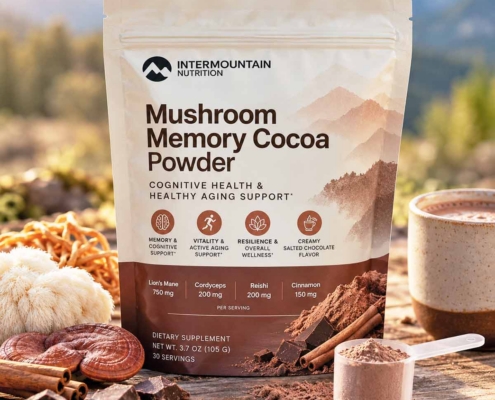 https://intermountainnutrition.com/wp-content/uploads/2026/10/mushroom-memory-powder-cocoa-23.jpg
1200
1200
Larisa Graham
https://intermountainnutrition.com/wp-content/uploads/2026/01/IMN-gradient-logo-NEW.png
Larisa Graham2026-10-15 09:00:002026-10-08 16:17:36STOCK FORMULA: Mushroom Memory Powder for Cognitive Health & Healthy Aging
https://intermountainnutrition.com/wp-content/uploads/2026/10/mushroom-memory-powder-cocoa-23.jpg
1200
1200
Larisa Graham
https://intermountainnutrition.com/wp-content/uploads/2026/01/IMN-gradient-logo-NEW.png
Larisa Graham2026-10-15 09:00:002026-10-08 16:17:36STOCK FORMULA: Mushroom Memory Powder for Cognitive Health & Healthy Aging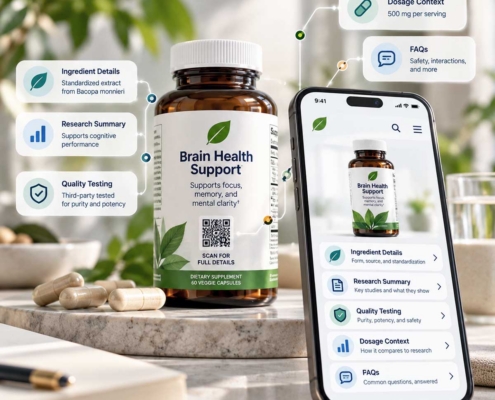 https://intermountainnutrition.com/wp-content/uploads/2026/10/evidence-economy-08.jpg
1200
1200
Larisa Graham
https://intermountainnutrition.com/wp-content/uploads/2026/01/IMN-gradient-logo-NEW.png
Larisa Graham2026-10-14 08:00:002026-10-14 00:57:25The Evidence Economy
https://intermountainnutrition.com/wp-content/uploads/2026/10/evidence-economy-08.jpg
1200
1200
Larisa Graham
https://intermountainnutrition.com/wp-content/uploads/2026/01/IMN-gradient-logo-NEW.png
Larisa Graham2026-10-14 08:00:002026-10-14 00:57:25The Evidence Economy

 The Dietary Supplements Access Act