Akkermansia Muciniphila in Supplement Formulation: The Next Generation of Gut & Metabolic Health Innovation

August 24, 2026 |

For supplement brands looking to differentiate their portfolios with science-backed innovation, Akkermansia represents one of the most compelling ingredient opportunities available today.

At a Glance

  • Akkermansia muciniphila is a next-generation probiotic naturally found in the human gut microbiome.
  • It helps support the integrity of the intestinal mucus layer, an important component of gut barrier function.
  • Emerging research links Akkermansia to digestive health, metabolic wellness, immune function, and healthy aging.
  • Heat-treated (pasteurized) Akkermansia has demonstrated clinically relevant benefits while offering improved manufacturing stability.
  • A 2026 randomized clinical trial found that pasteurized Akkermansia helped participants maintain weight loss more effectively than placebo following a calorie-restricted diet.
  • Interest in Akkermansia continues to grow alongside consumer demand for microbiome-based metabolic health and GLP-1 companion supplements.
  • Capsules remain the most common delivery format, although powders and stick packs are becoming increasingly viable as ingredient technologies evolve.

Microbiome Science is Entering a New Era

Once considered a niche area of digestive health, the gut microbiome is now recognized as a key regulator of metabolism, immune function, healthy aging, and overall wellness.

Among the thousands of microbial species that inhabit the human gut, Akkermansia muciniphila has emerged as one of the most promising next-generation probiotics for supplement formulation.

Recent clinical research has expanded interest beyond gut health alone. New human studies suggest that pasteurized Akkermansia may help support weight loss maintenance following calorie restriction, positioning the ingredient at the intersection of microbiome science, metabolic health, and the rapidly growing GLP-1 support category.

For supplement brands looking to differentiate their portfolios with science-backed innovation, Akkermansia represents one of the most compelling ingredient opportunities available today.

What Is Akkermansia muciniphila?

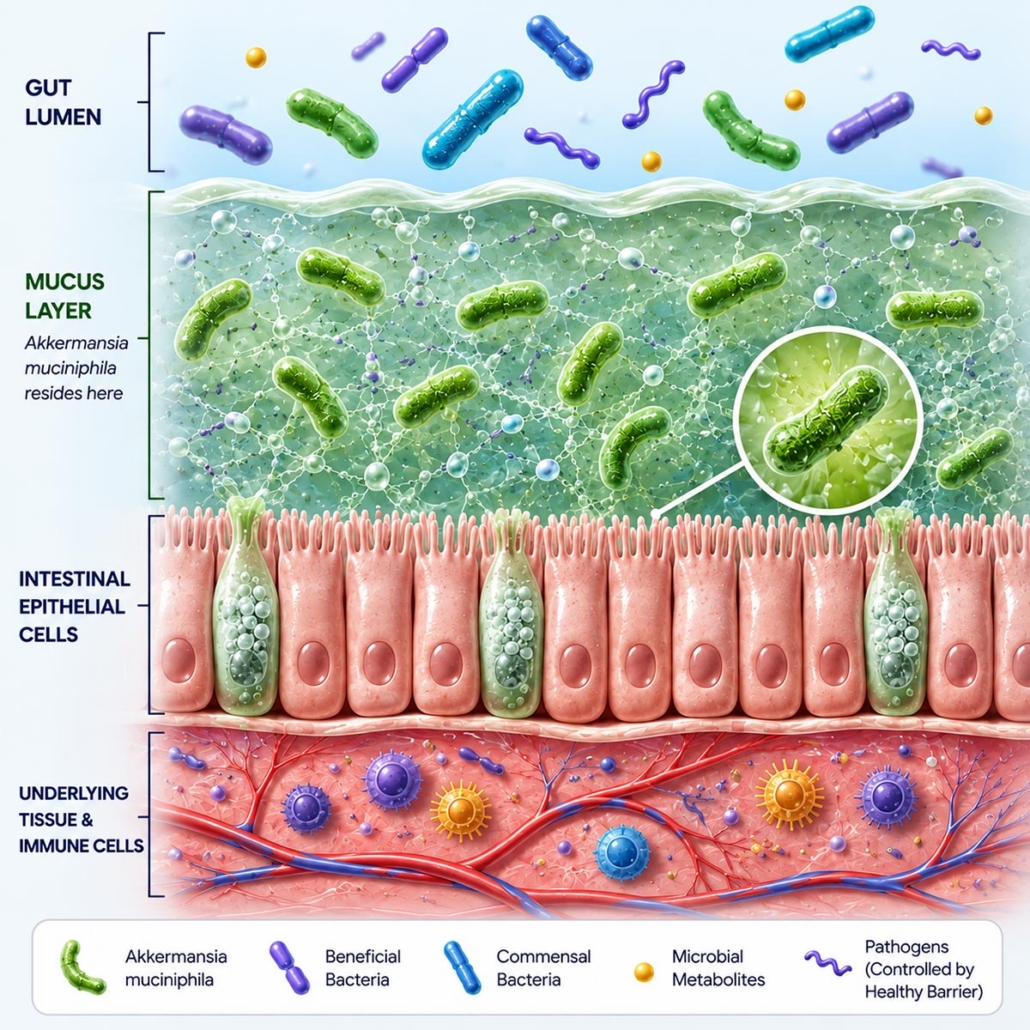
Akkermansia muciniphila is a naturally occurring anaerobic bacterium that resides within the protective mucus layer lining the human intestinal tract. First identified in 2004, it belongs to the phylum Verrucomicrobia and typically represents approximately 1% to 5% of the healthy gut microbiome.

A Unique Member of the Gut Microbiome

Unlike traditional probiotic organisms such as Lactobacillus and Bifidobacterium, Akkermansia occupies a unique ecological niche. Rather than colonizing the intestinal contents, it lives within the mucus layer that protects the intestinal wall. This specialized location allows it to interact directly with the gut barrier, where it contributes to continuous mucus renewal and maintenance.

Role in Mucus Layer Maintenance

Although the bacterium utilizes mucin as an energy source, researchers have found that this process stimulates healthy mucus production rather than degrading the barrier. As the mucus layer is continuously renewed, Akkermansia helps support one of the body’s primary defenses against pathogens, toxins, and other unwanted compounds that may enter systemic circulation.

Associations with Metabolic & Gut Health

Over the past decade, numerous observational studies have reported that individuals with obesity, metabolic dysfunction, type 2 diabetes, inflammatory bowel conditions, and age-related health challenges often exhibit lower levels of Akkermansia compared to metabolically healthy individuals. While these associations do not establish causation, they have driven substantial research into the bacterium’s role in human health.

Emerging Clinical Interest

More recently, controlled human clinical trials have demonstrated that pasteurized Akkermansia muciniphila can positively influence several markers of metabolic health. These findings have elevated Akkermansia from an emerging research topic to one of the most commercially significant next-generation probiotics in the dietary supplement industry.

Key Characteristics

Characteristic Description
Classification Next-generation probiotic
Natural Location Human intestinal mucus layer
Primary Function Supports gut barrier integrity and mucus renewal
Commercial Forms Pasteurized (heat-treated) and live preparations
Primary Research Areas Gut health, metabolic wellness, healthy aging, immune support
Formulation Applications Capsules, powders, stick packs, synbiotic blends

Key Takeaway: Unlike conventional probiotics that primarily support microbial balance within the digestive tract, Akkermansia interacts directly with the intestinal mucus layer, making it uniquely positioned to support gut barrier integrity and broader metabolic health.

INFOGRAPHIC: Akkermansia Muciniphila For Metabolic Health

How Akkermansia muciniphila Works

Researchers believe that Akkermansia supports human health through several complementary biological mechanisms rather than a single pathway. Its unique relationship with the intestinal mucus layer distinguishes it from nearly every other commercially available probiotic.

Supporting the Intestinal Barrier

One of Akkermansia’s primary functions is promoting the continuous renewal of the intestinal mucus layer. This protective barrier separates intestinal contents from the underlying epithelial cells and serves as the body’s first line of defense against pathogens, toxins, and inflammatory compounds.

A healthy mucus layer also helps maintain selective permeability within the digestive tract, allowing nutrients to pass into circulation while limiting unwanted substances. Researchers increasingly recognize gut barrier integrity as an important component of digestive, immune, and metabolic health.

Influencing Cellular Communication

Beyond its structural role, Akkermansia produces metabolites and bacterial proteins that facilitate communication between the microbiome and host tissues.

One of the best-studied proteins, Amuc_1100, has demonstrated the ability to interact with intestinal epithelial cells and may help strengthen tight junction proteins that regulate intestinal permeability.

Although research continues, this mechanism provides one explanation for the bacterium’s broad physiological effects.

Supporting Metabolic Health

Emerging evidence suggests that Akkermansia also influences metabolic signaling pathways involved in glucose metabolism, insulin sensitivity, and energy regulation.

Clinical trials have reported improvements in several cardiometabolic markers following supplementation with pasteurized Akkermansia. While researchers continue to investigate the underlying mechanisms, these findings have expanded the ingredient’s potential applications well beyond digestive health.

Heat-Treated Doesn’t Mean Less Effective

One of the most surprising discoveries in Akkermansia research is that pasteurized (heat-treated) preparations may retain — and in some cases enhance — biological activity.

Unlike traditional probiotics that depend on live organisms surviving manufacturing and digestion, pasteurized Akkermansia exerts many of its benefits through structural bacterial components and bioactive proteins. This offers several practical advantages for supplement manufacturers, including:

  • Improved shelf stability
  • Greater processing flexibility
  • Simplified storage requirements
  • Enhanced formulation options
  • More consistent product performance

As a result, many commercially available Akkermansia ingredients utilize pasteurized rather than live bacterial preparations.

The Pasteurization Process for Akkermansia Muciniphila For Metabolic Health Supplement Formulation

Key Takeaway: Akkermansia supports health through multiple mechanisms, including maintenance of the intestinal mucus layer, enhancement of gut barrier integrity, modulation of microbiome-host communication, and support for metabolic function. Its effectiveness in pasteurized form also makes it particularly attractive for dietary supplement formulation.

Emerging Research: Akkermansia & Weight Loss Maintenance

One of the most significant developments in Akkermansia research occurred in 2026, when investigators published a randomized, placebo-controlled clinical trial in Nature Medicine evaluating the role of pasteurized Akkermansia muciniphila in long-term weight management.

Addressing the Challenge of Weight Regain

The study addressed one of the greatest challenges in obesity treatment: maintaining weight loss after successful dieting. While many individuals lose weight through calorie restriction or pharmacological interventions, weight regain remains common due to complex physiological adaptations that promote energy conservation and increased appetite.

Study Design & Methodology

To investigate whether Akkermansia could help address this challenge, researchers enrolled adults with overweight or obesity in a two-phase study. Participants first completed an eight-week low-calorie diet before entering a 24-week weight maintenance phase during which they received either pasteurized Akkermansia or a placebo.

Key Clinical Results

The results were encouraging.

Participants receiving pasteurized Akkermansia regained significantly less weight than those receiving placebo during the maintenance period. On average, individuals in the Akkermansia group regained approximately 1.2 kilograms, compared with approximately 3.2 kilograms in the placebo group. By the end of the study, participants receiving Akkermansia also achieved greater overall net weight loss from their original baseline.

Potential Mechanisms of Action

Researchers believe these findings may be related to Akkermansia’s influence on gut barrier integrity, metabolic regulation, inflammatory pathways, and microbiome-host communication. While additional studies are needed to better understand the underlying mechanisms, the trial provides some of the strongest human evidence to date supporting Akkermansia’s role in metabolic health.

Implications for Supplement Brands

Researchers believe these findings may be related to Akkermansia’s influence on gut barrier integrity, metabolic regulation, inflammatory pathways, and microbiome-host communication.

While additional studies are needed to better understand the underlying mechanisms, the trial provides some of the strongest human evidence to date supporting Akkermansia’s role in metabolic health.

Although Akkermansia is not a replacement for weight-loss medications and should not be promoted as such, emerging evidence suggests it may become an attractive ingredient for products positioned around:

  • Weight loss maintenance
  • Metabolic wellness
  • Gut barrier support
  • Healthy aging
  • Microbiome optimization
  • GLP-1 companion nutrition

This rapidly expanding category represents one of the most exciting opportunities in supplement innovation over the coming decade.

Key Takeaway: The publication of a randomized clinical trial demonstrating improved weight loss maintenance represents a major milestone for Akkermansia research. For supplement manufacturers, it broadens the ingredient’s positioning from digestive health into one of the industry’s fastest-growing categories: microbiome-supported metabolic wellness.

Market Trends Driving Akkermansia Supplement Innovation

Consumer understanding of gut health has become more sophisticated. Shoppers increasingly recognize that the microbiome may influence more than digestion, including metabolic function, immune health, healthy aging, and the integrity of the intestinal barrier.

This shift is moving the category beyond conventional, high-CFU probiotic blends. Instead, brands are exploring targeted microorganisms, postbiotics, microbial metabolites, and synbiotic systems designed around specific health outcomes.

Akkermansia muciniphila fits directly within this next phase of microbiome innovation. Its distinctive biological role, expanding human research, and suitability for outcome-focused positioning make it a compelling option for brands seeking meaningful differentiation.

From General Probiotics to Targeted Microbiome Solutions

Traditional probiotics often compete on familiar strains, colony-forming unit counts, and broad digestive health claims. Although these products remain relevant, similar formulations have made differentiation increasingly difficult.

Akkermansia offers a different scientific narrative. Rather than focusing primarily on microbial population support within the intestinal lumen, it is closely associated with the mucus layer and gut barrier environment.

This distinction allows brands to build more focused product stories around:

  • Intestinal barrier support
  • Microbiome-host communication
  • Metabolic wellness
  • Healthy weight management
  • Healthy aging
  • Precision microbiome nutrition

The ingredient may be especially valuable for consumers who already understand basic probiotic concepts and are looking for a more advanced microbiome solution.

The Gut–Metabolic Health Connection

The connection between gut health and metabolic wellness has become an important product development opportunity. Consumers no longer view digestive and metabolic products as entirely separate categories.

The 2026 randomized controlled trial of pasteurized Akkermansia muciniphila MucT further strengthens this connection. In the study, adults who had already achieved clinically meaningful weight loss regained less weight during a 24-week maintenance phase when receiving pasteurized Akkermansia compared with placebo.

This finding does not establish Akkermansia as a standalone weight-loss ingredient. However, it does support a more nuanced role within products designed for long-term metabolic wellness and weight maintenance.

For supplement brands, this creates room to move beyond aggressive thermogenic positioning. Akkermansia may support a more sustainable narrative focused on the microbiome, metabolic resilience, and maintaining progress over time.

The Emerging GLP-1 Support Market

The growth of GLP-1–based medical weight management has created demand for products that support consumers throughout the weight-management journey. Current innovation includes products for nutritional adequacy, digestive comfort, hydration, lean mass support, and long-term lifestyle maintenance.

Akkermansia may fit within this ecosystem, particularly in formulations designed for the maintenance phase. However, brands should avoid implying that the ingredient duplicates, replaces, or enhances the effects of prescription medication without evidence supporting those claims.

A more responsible strategy is to position Akkermansia as part of a broader microbiome and metabolic wellness platform. This approach may appeal to consumers using multiple weight-management strategies, not only those taking GLP-1 medications.

Potential product concepts include:

  • Gut and metabolic health capsules
  • Post-weight-loss maintenance formulas
  • Microbiome-focused healthy aging products
  • Synbiotic metabolic wellness blends
  • Gut barrier support formulas
  • GLP-1 lifestyle-support systems
  • Daily microbiome optimization products

A Shift Toward Pasteurized Microorganisms

The commercial interest in pasteurized Akkermansia also reflects the broader rise of postbiotic and nonviable microbial ingredients. These formats may provide benefits associated with microbial structures or components without requiring a live organism to remain viable throughout shelf life.

For manufacturers, this can improve stability and simplify certain formulation challenges. For consumers, it creates an educational opportunity to explain that a microorganism does not necessarily need to be alive at consumption to provide a physiological benefit.

However, terminology remains important. Brands should accurately identify the ingredient as pasteurized or heat-treated and avoid automatically describing it as a live probiotic.

Key Takeaway: Akkermansia is well positioned for the transition from generalized probiotic products toward targeted microbiome solutions. Its strongest commercial opportunities may lie at the intersection of gut barrier support, metabolic wellness, weight maintenance, and healthy aging.

Ingredients That Pair Well with Akkermansia

Akkermansia can serve as the scientific anchor of a formulation, but the surrounding ingredient system determines the product’s complete value proposition. The right partners should reinforce the intended outcome without creating an unnecessarily complex or expensive formula.

Pairing decisions should begin with the product objective. A gut barrier formula requires a different supporting matrix than a metabolic health or healthy aging product.

Prebiotics & Microbiome-Supporting Fibers

Prebiotic ingredients can broaden the formulation from single-organism supplementation to more comprehensive microbiome support. However, not every fermentable fiber directly or selectively increases Akkermansia in humans.

Brands should therefore avoid suggesting that a general prebiotic is an exclusive food source for Akkermansia unless supplier-specific evidence supports that conclusion.

Ingredient Formulation Role Key Consideration
Inulin Supports beneficial gut microorganisms and regularity May cause gas or bloating at higher doses
Fructooligosaccharides Adds prebiotic support at relatively low inclusion levels Tolerance varies among consumers
Galactooligosaccharides Supports microbiome diversity and beneficial bacteria Can increase formula cost
Partially Hydrolyzed Guar Gum Provides well-tolerated soluble fiber and digestive support Requires meaningful inclusion space
Resistant Starch Supports microbial fermentation and short-chain fatty acid production May be better suited to powders than capsules
Acacia Fiber Provides gentle soluble fiber and clean-label appeal Higher doses may require a multi-serving powder

For products emphasizing digestive comfort, lower-FODMAP or better-tolerated fibers may offer a more appealing consumer experience than aggressive doses of inulin or FOS.

Gut Barrier Support Ingredients

Because Akkermansia is closely connected with the intestinal mucus layer, it pairs naturally with ingredients positioned around gut barrier function.

Ingredient Potential Strategic Role
Tributyrin Delivers a butyrate precursor for colon and gut barrier support
Zinc Supports normal immune function and cellular integrity
L-Glutamine Commonly used in gut-lining and sports-recovery products
Aloe Vera Supports digestive comfort and a soothing product narrative
Deglycyrrhizinated Licorice Complements gastrointestinal comfort positioning
Postbiotic Blends Extend the formulation into broader microbial signaling support

Any gut-barrier claim must remain consistent with the evidence available for the finished product and the permitted structure-function language in the target market.

Polyphenols & Plant Compounds

Dietary patterns rich in polyphenols have been associated with favorable microbiome changes, and several preclinical studies have reported increases in Akkermansia abundance following particular botanical interventions. However, those findings should not be generalized across every extract or translated directly into human outcomes.

Still, polyphenol-rich ingredients can create a coherent antioxidant and metabolic health platform.

Potential partners include:

  • Green tea extract
  • Cranberry polyphenols
  • Pomegranate extract
  • Grape polyphenols
  • Blueberry extract
  • Citrus flavonoids

Polyphenols may also support a more premium, food-forward brand story. Their use requires careful attention to standardization, bitterness, color, and stability.

Metabolic Wellness Ingredients

For formulations centered on metabolic health or weight maintenance, Akkermansia may be combined with ingredients that support glucose metabolism, insulin function, or body-composition goals through complementary pathways.

Ingredient Positioning Opportunity
Berberine Supports glucose and lipid metabolism
Chromium Supports normal macronutrient metabolism and healthy glucose metabolism
Alpha-Lipoic Acid Supports antioxidant defenses and glucose metabolism
Green Tea Extract Supports metabolic and antioxidant positioning
Magnesium Supports energy metabolism and normal glucose regulation
Cinnamon Extract Offers familiar blood-sugar wellness positioning
Soluble Fiber Supports satiety, digestive health, and post-meal metabolic response

These ingredients should not be presented as clinically interchangeable. Their dosages, mechanisms, tolerability, regulatory status, and intended consumers differ considerably.

Formula Architecture Matters

A successful Akkermansia product does not need to include every possible synergistic ingredient. In fact, a focused formula may communicate greater scientific credibility than a long ingredient list containing suboptimal doses.

Three clear formulation directions include:

  • Gut Barrier Formula: Pasteurized Akkermansia, tributyrin, zinc, and a well-tolerated prebiotic.
  • Metabolic Wellness Formula: Pasteurized Akkermansia, berberine or chromium, green tea polyphenols, and soluble fiber.
  • Healthy Aging Microbiome Formula: Pasteurized Akkermansia, polyphenols, postbiotics, and selected micronutrients.

The final combination should reflect the target consumer, delivery format, clinical rationale, capsule capacity, sensory profile, and target cost of goods.

Key Takeaway: The best Akkermansia pairings reinforce a defined product objective. Prebiotics support a broader microbiome story, gut barrier ingredients complement its biological niche, and metabolic ingredients help translate emerging research into a differentiated wellness platform.

Akkermansia vs. Traditional Probiotics

Akkermansia should not be viewed as a universal replacement for conventional probiotics. Instead, it represents a distinct microbiome strategy with different biological characteristics, formulation requirements, and positioning opportunities.

Traditional probiotic species such as Lactobacillus and Bifidobacterium have decades of research and strong consumer recognition. Akkermansia is newer to the commercial market, but its distinctive relationship with the intestinal mucus layer offers a differentiated scientific story.

Feature Traditional Probiotics Pasteurized Akkermansia
Common Organisms Lactobacillus, Bifidobacterium, Bacillus and beneficial yeasts Akkermansia muciniphila
Primary Biological Niche Varies by strain; many act within the intestinal lumen Closely associated with the intestinal mucus layer
Viability Often formulated as live microorganisms Intentionally heat-treated and nonviable
Potency Expression Commonly declared in CFU through shelf life May be standardized by cell count or supplier-specific units
Primary Positioning Digestion, regularity, microbial balance, and immune support Gut barrier, metabolic wellness, healthy aging, and weight-maintenance support
Consumer Familiarity High Emerging
Formulation Stability Highly strain- and format-dependent Generally more flexible than a live anaerobic preparation
Refrigeration Depends on strain and technology Often not required, subject to supplier specifications
Clinical Evidence Extensive but highly strain-specific Smaller yet expanding body of human clinical research
Product Differentiation Moderate in a crowded category High in premium and next-generation microbiome products
Weight-Maintenance Evidence Not a defining feature of the category Emerging strain- and preparation-specific human evidence

Species, Strain & Preparation Matter

One of the most important lessons from probiotic science is that evidence should not be generalized too broadly. Outcomes associated with one strain or preparation do not automatically apply to another.

The recent weight-maintenance trial evaluated pasteurized Akkermansia muciniphila MucT. Therefore, brands should not assume that another Akkermansia strain, a live preparation, or an ingredient produced through a different process will provide the same results.

This distinction should guide:

  • Supplier qualification
  • Marketing language
  • Clinical substantiation
  • Label terminology
  • Dose selection
  • Finished-product specifications

Brands should also confirm whether the commercial ingredient is licensed, authorized, or otherwise permitted for the intended market and application.

Can Akkermansia Be Combined with Traditional Probiotics?

Yes. Akkermansia may be incorporated into a broader microbiome formula containing conventional probiotics, prebiotics, or postbiotics.

This type of formulation could provide multiple complementary functions. Traditional probiotics may support digestive comfort or microbial balance, while pasteurized Akkermansia creates a differentiated gut-barrier and metabolic wellness story.

However, combining technologies also increases formulation complexity. Developers must consider differences in moisture sensitivity, processing tolerance, potency measurement, overage requirements, storage conditions, and analytical testing.

In some cases, a focused Akkermansia formula may be more commercially compelling than a large probiotic blend. In others, a layered synbiotic or postbiotic system may better support the desired positioning.

Key Takeaway: Traditional probiotics and pasteurized Akkermansia serve different roles. Akkermansia’s value lies not in replacing established probiotic strains, but in expanding what microbiome supplements can address and how brands can position them.

Delivery Formats

Pasteurized Akkermansia offers greater formulation flexibility than a live, strictly anaerobic organism. Still, successful commercialization requires careful control of ingredient identity, potency, moisture, processing conditions, packaging, and regulatory positioning.

The supplier’s technical documentation should guide every formulation decision. Developers should not assume that specifications from one branded or strain-specific Akkermansia ingredient apply to another.

Capsule Formulation

Capsules are currently the most straightforward format for Akkermansia supplements. They provide accurate dosing, protect the ingredient from direct sensory exposure, and align well with premium microbiome positioning.

Capsules are particularly appropriate for:

  • Standalone Akkermansia products
  • Gut barrier formulas
  • Metabolic health combinations
  • Healthy aging products
  • Practitioner-oriented supplements

Akkermansia may have a low nominal dose relative to conventional powdered actives, but the actual ingredient volume depends on its carrier, standardization, bulk density, and supplier specification. Developers must evaluate the complete commercial material rather than the declared active amount alone.

Capsule formulas also require attention to blend uniformity when the Akkermansia ingredient represents a small percentage of the total fill weight. Geometric dilution, appropriate excipients, and validated blending procedures can help support dose consistency.

Powder & Stick-Pack Applications

Powders and stick packs create opportunities for daily-use microbiome products, especially when the formula includes meaningful amounts of fiber, electrolytes, polyphenols, or other gut-health ingredients.

However, these formats introduce additional challenges:

  • Greater environmental exposure during manufacturing
  • Higher moisture risk
  • More complex flavor masking
  • Potential interaction with hygroscopic fibers
  • Longer ingredient panels
  • Increased serving weight
  • More demanding package-barrier requirements

A pasteurized format may tolerate manufacturing conditions better than a live anaerobic organism, but developers must still review supplier-specific limits for heat, humidity, water activity, shear, and compression.

Powders should be manufactured under controlled environmental conditions and packaged promptly in a suitable high-barrier system. Stick packs can offer strong unit-dose protection, while tubs and pouches may require desiccants or other moisture-management strategies.

Gummies & Other High-Moisture Formats

Gummies may appeal to consumers, but they require a more cautious development process. Heat exposure during cooking and depositing, residual water activity, acidic conditions, and a complex matrix can affect ingredient stability or analytical recovery.

Pasteurization does not make the ingredient universally resistant to every manufacturing environment. Therefore, brands should not select gummies solely because the microorganism is already nonviable.

Before commercial development, the manufacturer and supplier should confirm:

  • Maximum processing temperature
  • Acceptable exposure time
  • Target water activity
  • Compatible pH range
  • Expected potency through shelf life
  • Appropriate analytical method
  • Required ingredient overage

Until sufficient stability data are available, capsules or dry powders may offer a more predictable path to market.

Flavor & Sensory Strategy

Akkermansia is generally easier to formulate sensorially in capsules because the consumer does not directly taste the ingredient. In powders, the complete commercial preparation may contribute mild savory, fermented, earthy, or carrier-related notes.

The intensity depends on the dose, carrier system, and supporting ingredients. A bench evaluation is therefore essential before selecting the final flavor.

Flavor profiles that can work well in microbiome powders include:

  • Lemon ginger
  • Mixed berry
  • Pomegranate berry
  • Cranberry lime
  • Peach mango
  • Citrus hibiscus
  • Lightly flavored unflavored or neutral systems

Acidic fruit profiles can help create brightness, but excessive acidity may not align with every ingredient specification. Bitter polyphenols, minerals, botanicals, and metabolic actives may create a larger masking challenge than Akkermansia itself.

Sweetener selection should reflect the product’s positioning. Stevia, monk fruit, allulose, erythritol, sucralose, and blended systems each affect sweetness onset, finish, digestive tolerance, label presentation, and cost.

Stability & Packaging

Pasteurized Akkermansia does not require viability testing in the same manner as a live probiotic. Nevertheless, the finished product must still meet its declared specification through the stated shelf life.

A stability program should evaluate:

  • Akkermansia potency or cell-equivalent measurement
  • Moisture content and water activity
  • Microbiological quality
  • Physical appearance
  • Capsule integrity or powder flow
  • Flavor and odor
  • Package performance
  • Compatibility with other active ingredients

High-barrier bottles, blister packs, pouches, or stick packs may be appropriate depending on the formula and intended shelf life. Packaging selection should follow stability data rather than marketing preference alone.

Quality, Testing & Supplier Qualification

Akkermansia is a specialized ingredient that requires stronger supplier diligence than a commodity botanical or mineral.

Brands and manufacturers should request:

  • Verified strain identity
  • Detailed manufacturing-process documentation
  • Pasteurization validation
  • Potency or cell-count specification
  • Analytical methodology
  • Contaminant and pathogen testing
  • Stability data
  • Storage and handling requirements
  • Regulatory documentation
  • Evidence linking the commercial preparation to cited studies

The testing plan must distinguish between identity, total cell count, viable count, and the supplier’s chosen potency measure. Traditional probiotic CFU methods may not appropriately characterize a pasteurized ingredient.

Regulatory & Claims Considerations

Regulatory status varies by country, ingredient preparation, dose, and intended use. Pasteurized Akkermansia has undergone a novel-food safety assessment in the European Union, but that authorization should not be interpreted as universal global approval or permission for unrestricted health claims.

Before launch, brands should evaluate:

  • Market-specific ingredient status
  • Permitted use levels
  • Population restrictions
  • Required warning language
  • Label nomenclature
  • Structure-function claim support
  • Whether the commercial strain and preparation match the evidence cited

Claims related to weight loss, obesity treatment, GLP-1 activity, disease prevention, or medication outcomes present heightened regulatory risk. A safer formulation strategy focuses on permitted language related to microbiome health, metabolic wellness, intestinal barrier support, or maintaining healthy lifestyle progress when adequately substantiated.

Key Takeaway: Pasteurized Akkermansia provides meaningful formulation advantages, but it is not a plug-and-play commodity. Capsules offer the most direct development path, while powders and stick packs can support broader microbiome systems when moisture, flavor, packaging, and testing are carefully controlled.

Strategic Product Opportunities for Supplement Brands

Akkermansia creates opportunities across several fast-growing supplement categories. Its strongest commercial value comes from its ability to connect microbiome science with broader health priorities, including gut barrier integrity, metabolic wellness, healthy aging, and long-term weight management.

However, the most successful products will likely avoid positioning Akkermansia as a novelty ingredient. Instead, brands should build a clear product concept around a defined consumer need and use Akkermansia as the scientific foundation of the formula.

Gut Barrier Support

Gut barrier health has become an increasingly important extension of the digestive wellness category. Consumers are beginning to understand that the intestinal lining does more than support digestion. It also helps regulate interactions among the microbiome, immune system, and systemic circulation.

Akkermansia fits naturally within this positioning because it inhabits the intestinal mucus layer and is closely associated with mucus renewal and epithelial integrity.

A gut barrier formula may combine pasteurized Akkermansia with:

  • Tributyrin or another butyrate-supporting ingredient
  • Zinc
  • L-glutamine
  • Well-tolerated prebiotic fiber
  • Selected postbiotics
  • Polyphenol-rich botanical extracts

This concept may appeal to consumers seeking more advanced digestive support than a conventional probiotic blend can provide.

Gut Barrier Support Infographic

Metabolic Wellness

The relationship between microbiome health and metabolic function creates one of the most commercially relevant opportunities for Akkermansia.

Rather than relying on stimulant-heavy or thermogenic positioning, brands can create products focused on foundational metabolic health. This approach may include support for healthy glucose metabolism, insulin function, energy regulation, and weight maintenance as part of a healthy lifestyle.

Potential formulation partners include:

  • Berberine
  • Chromium
  • Alpha-lipoic acid
  • Magnesium
  • Green tea polyphenols
  • Cinnamon extract
  • Soluble fiber

This type of formula should remain focused. Combining too many metabolic actives can increase capsule count, create tolerability concerns, and make the product more difficult to explain.

Weight Loss Maintenance

The 2026 clinical trial examining pasteurized Akkermansia muciniphila MucT creates a particularly relevant opportunity in the weight-maintenance category.

Most weight-management products focus on initial weight loss. However, maintaining weight loss is a separate challenge influenced by appetite, metabolic adaptation, lifestyle adherence, and other physiological factors.

Akkermansia may support a differentiated product concept centered on maintaining healthy progress following successful weight reduction.

Responsible positioning may include:

  • Support for long-term metabolic wellness
  • Support for healthy weight-maintenance efforts
  • Microbiome support during lifestyle transitions
  • Support for maintaining healthy habits after weight loss
  • Gut and metabolic support for long-term wellness programs

Brands should avoid promising that Akkermansia prevents weight regain or reproduces the effects of the clinical trial unless the finished formula and commercial ingredient are appropriately substantiated.

GLP-1 Lifestyle Support

GLP-1 medications have created a new consumer need state. Many users are seeking supplements that support nutrition, digestive comfort, hydration, lean mass, and long-term wellness during or after medically supervised weight management.

Akkermansia may fit within this category as part of a broader microbiome and metabolic support system. However, it should not be positioned as a substitute for GLP-1 medication or as an ingredient that directly increases GLP-1 activity without adequate evidence.

A responsible GLP-1 lifestyle-support product could focus on:

  • Gut microbiome support
  • Digestive comfort
  • Protein and lean-mass support
  • Micronutrient adequacy
  • Hydration and electrolyte balance
  • Healthy weight-maintenance habits
  • Long-term metabolic wellness

Akkermansia may serve as one component of this broader strategy rather than the sole active ingredient.

Healthy Aging

Aging is associated with changes in microbiome composition, intestinal barrier function, metabolic resilience, and immune regulation. As a result, Akkermansia may also fit within healthy aging products designed around systemic resilience rather than a single symptom.

Potential healthy aging concepts include:

  • Microbiome and barrier support
  • Metabolic aging support
  • Healthy glucose metabolism
  • Polyphenol-rich longevity formulas
  • Gut-immune support
  • Daily microbiome maintenance

This positioning may resonate with consumers who are interested in proactive, science-forward wellness and willing to invest in premium ingredients.

Premium Standalone Akkermansia Products

A focused, standalone Akkermansia capsule may offer the clearest path to market. This approach allows brands to emphasize the ingredient’s scientific identity, clinical research, and differentiated mechanism without diluting the message.

A standalone product may be especially appropriate for:

  • Practitioner channels
  • Premium direct-to-consumer brands
  • Microbiome-focused product lines
  • Consumers already using personalized nutrition programs
  • Brands building a staged gut-health system

The primary challenge is education. Because consumer awareness remains limited, brands must explain why Akkermansia differs from familiar probiotic strains and why pasteurized bacteria can still provide value.

Key Takeaway: Akkermansia can support multiple product concepts, but the strongest formulations begin with one clearly defined outcome. Gut barrier support, metabolic wellness, weight maintenance, GLP-1 lifestyle support, and healthy aging currently offer the most compelling opportunities.

Positioning & Consumer Education

Akkermansia has a strong scientific story, but it is not yet a universally recognized consumer ingredient. Effective positioning must translate complex microbiome concepts into clear, relevant benefits without oversimplifying the science.

The central communication challenge is explaining three ideas:

  • Why Akkermansia is different from conventional probiotics.
  • Why a pasteurized microorganism may still provide benefits.
  • How microbiome support connects with metabolic and whole-body health.

Lead with the Consumer Benefit

Most consumers won’t initially purchase a product because it contains Akkermansia muciniphila. They are more likely to respond to a clear benefit such as gut barrier support, metabolic wellness, or healthy weight maintenance.

The ingredient can then provide the scientific explanation behind that benefit.

For example:

Benefit-led message:
Supports the gut barrier and metabolic wellness.

Scientific support message:
Formulated with pasteurized Akkermansia muciniphila, a next-generation microbiome ingredient associated with the intestinal mucus layer.

This structure helps consumers understand why the ingredient matters without requiring them to interpret technical microbiology.

Explain Next-Generation Probiotic Carefully

The phrase “next-generation probiotic” can help distinguish Akkermansia from traditional probiotic strains. However, brands should explain what the term means.

Akkermansia differs from conventional probiotics because it occupies a distinct biological niche within the intestinal mucus layer. It is also frequently commercialized in pasteurized form, meaning its benefits do not depend on the microorganism remaining alive through shelf life.

Useful educational themes include:

  • Goes beyond traditional probiotic blends
  • Supports the intestinal mucus layer
  • Designed for targeted microbiome support
  • Backed by emerging human clinical research
  • Provides benefits in a pasteurized format
  • Connects gut health with metabolic wellness

Address the Pasteurization Question Directly

Some consumers may assume that a nonviable microorganism cannot provide benefits. Brands should address this concern clearly.

A simple explanation may state that pasteurization deactivates the organism while preserving structural components and proteins believed to interact with the body.

Avoid describing pasteurized Akkermansia as “live,” “alive,” or capable of colonizing the gut. Likewise, do not imply that it permanently changes the microbiome unless clinical evidence supports that claim.

Avoid Overpromising Weight-Loss Benefits

The new weight-maintenance research creates a compelling story, but it also increases the risk of aggressive claims.

Brands should distinguish among:

  • Supporting metabolic wellness
  • Supporting healthy weight-maintenance efforts
  • Helping consumers maintain healthy lifestyle progress
  • Causing weight loss
  • Preventing weight regain
  • Treating obesity

The first three may provide a responsible foundation when properly substantiated. The latter claims present significantly greater regulatory risk and may imply treatment or guaranteed outcomes.

Create a Broader Microbiome Narrative

Akkermansia may be easier to understand when placed within a broader explanation of the microbiome.

Educational content can explain that different microorganisms perform different functions. Some help ferment fiber, some produce metabolites, and others interact with the intestinal barrier.

This allows brands to position Akkermansia as a specialized microbiome ingredient rather than “just another probiotic.”

Audience Segments

Akkermansia may appeal most strongly to:

  • Educated gut-health consumers
  • Metabolic wellness shoppers
  • Healthy aging consumers
  • Weight-management program participants
  • GLP-1 medication users seeking lifestyle support
  • Biohacking and longevity audiences
  • Practitioner-guided consumers
  • Consumers dissatisfied with generic probiotic blends

Messaging should vary by audience. A practitioner product may emphasize strain identity and clinical research, while a direct-to-consumer formula may lead with barrier and metabolic support.

Key Takeaway: Akkermansia should be positioned through a clear consumer benefit supported by accessible microbiome science. Brands that explain its distinct location, pasteurized format, and emerging metabolic research will be better equipped to build trust and long-term category leadership.

Why Work with Intermountain Nutrition?

Emerging microbiome ingredients require a manufacturing partner that can evaluate both the science and the practical realities of commercial production.

Intermountain Nutrition supports supplement brands through formulation, ingredient sourcing, flavor development, quality review, scale-up, manufacturing, packaging, and logistics. This integrated approach can help reduce complexity when bringing next-generation microbiome products to market.

Microbiome powders often contain fibers, botanical extracts, minerals, or metabolic ingredients that can create bitterness, earthiness, or lingering aftertastes. We provide flavoring and masking support to help create products that consumers can use consistently.

Build a More Differentiated Microbiome Product

Akkermansia represents a meaningful step beyond conventional probiotic formulation. However, the ingredient’s success depends on how effectively the formula, format, claims, manufacturing process, and consumer education work together.

Intermountain Nutrition helps supplement brands bring these elements into alignment.

Ready to explore an Akkermansia-based supplement? Contact Intermountain Nutrition to discuss formulation, manufacturing, and commercialization opportunities for next-generation gut and metabolic health products.

Key Takeaway: Intermountain Nutrition combines formulation expertise, scalable manufacturing, flavor development, packaging capabilities, and on-site third-party testing support to help established supplement brands commercialize differentiated microbiome products.

Frequently Asked Questions

Akkermansia muciniphila is a naturally occurring bacterium that lives within the protective mucus layer of the human intestinal tract. Unlike many traditional probiotics, it interacts directly with the gut barrier rather than primarily residing within the intestinal contents. Researchers consider it one of the leading next-generation probiotics because of its emerging role in gut barrier integrity, metabolic health, immune function, and healthy aging.

Traditional probiotics primarily focus on improving microbial balance and digestive health. Akkermansia represents a newer generation of microbiome ingredients because it performs a different biological function.

Rather than simply increasing beneficial bacteria, Akkermansia helps support the intestinal mucus layer, which plays an important role in gut barrier function and communication between the microbiome and the rest of the body. Its expanding body of human clinical research has also generated interest in metabolic wellness and weight-loss maintenance.

Emerging human clinical research suggests that pasteurized Akkermansia muciniphila may support weight-loss maintenance after successful calorie restriction.

In a 2026 randomized, placebo-controlled trial published in Nature Medicine, adults receiving pasteurized Akkermansia regained significantly less weight during a 24-week maintenance phase than those receiving placebo. Participants also achieved greater overall net weight loss from baseline.

While these findings are promising, Akkermansia should not be considered a weight-loss drug or a replacement for lifestyle interventions. Additional clinical research is ongoing to further understand its role in long-term metabolic health.

Yes. One of the most unique characteristics of Akkermansia is that it has demonstrated biological activity even after pasteurization.

Researchers believe certain structural components and bacterial proteins remain active after heat treatment. As a result, pasteurized Akkermansia has been evaluated in multiple human clinical studies and may offer practical manufacturing advantages, including improved shelf stability and formulation flexibility.

Yes. Akkermansia may complement formulations designed to support individuals following medically supervised weight-management programs, including those using GLP-1 receptor agonists.

Rather than positioning Akkermansia as an alternative to prescription medications, manufacturers should focus on supporting gut health, metabolic wellness, and healthy weight-maintenance efforts as part of a comprehensive lifestyle approach.

Akkermansia is frequently formulated alongside ingredients that support microbiome health or metabolic wellness, including:

  • Inulin
  • Galactooligosaccharides (GOS)
  • Tributyrin
  • Polyphenol-rich botanical extracts
  • Berberine
  • Chromium
  • Green tea extract
  • Soluble fibers

The ideal combination depends on the intended product positioning and target consumer.

Capsules are currently the most common delivery format because they provide accurate dosing and simplify stability considerations.

However, pasteurized Akkermansia may also be incorporated into powders, stick packs, and certain specialty formulations when supported by supplier stability data and appropriate manufacturing controls.

Not necessarily. Akkermansia serves a different purpose.

Traditional probiotic strains such as Lactobacillus and Bifidobacterium have extensive clinical evidence supporting digestive health and microbial balance. Akkermansia offers a complementary approach by supporting the intestinal mucus layer and gut barrier while expanding into emerging areas such as metabolic wellness and healthy aging.

Many future microbiome formulations will likely combine traditional probiotics with next-generation organisms like Akkermansia.

Current human clinical studies involving pasteurized Akkermansia have reported favorable safety profiles in healthy adults and individuals with overweight or obesity. In 2022, the European Food Safety Authority (EFSA) also concluded that pasteurized Akkermansia muciniphila is safe as a novel food under specified conditions of use.

As with any dietary ingredient, brands should verify regulatory status, approved use levels, and labeling requirements within each intended market.

Intermountain Nutrition works with established supplement brands to develop differentiated microbiome formulations from concept through commercialization.

Our capabilities include:

  • Custom formulation
  • Ingredient sourcing
  • Flavor development
  • Manufacturing feasibility review
  • Pilot production
  • Quality support
  • On-site third-party testing coordination
  • Packaging
  • Commercial manufacturing

Whether you’re developing a standalone Akkermansia capsule or a comprehensive microbiome platform, our team can help bring your product to market efficiently and at commercial scale.

References

Derrien, M., Vaughan, E. E., Plugge, C. M., & de Vos, W. M. (2004). Akkermansia muciniphila gen. nov., sp. nov., a human intestinal mucin-degrading bacterium. International Journal of Systematic and Evolutionary Microbiology.

Depommier, C., Everard, A., Druart, C., et al. (2019). Supplementation with Akkermansia muciniphila in overweight and obese human volunteers: A proof-of-concept exploratory study. Nature Medicine.

Mount, S., Canfora, E. E., Jocken, J. W., et al. (2026). Pasteurized Akkermansia muciniphila MucT for weight loss maintenance in people with overweight and obesity: A controlled randomized trial. Nature Medicine.

Taglialegna, A. (2026). Keeping off the weight with Akkermansia. Nature Reviews Microbiology.

Cani, P. D., & de Vos, W. M. (2017). Next-Generation Beneficial Microbes: The Case of Akkermansia muciniphila. Nature Reviews Gastroenterology & Hepatology.

European Food Safety Authority (EFSA). (2022). Safety of pasteurized Akkermansia muciniphila as a Novel Food pursuant to Regulation (EU) 2015/2283.

Plovier, H., Everard, A., Druart, C., et al. (2017). A purified membrane protein from Akkermansia muciniphila or the pasteurized bacterium improves metabolism in obese and diabetic mice. Nature Medicine.

de Vos, W. M. (2022). The importance of Akkermansia muciniphila in human health. Nature Reviews Gastroenterology & Hepatology.

National Institutes of Health – National Library of Medicine. Akkermansia muciniphila and Human Health.

Nutraceuticals World. (2026). Pasteurized Akkermansia muciniphila MucT Supports Weight Loss Maintenance, Study Finds.

Related Postings

Black Seed Oil For Immunity Supplement Formulation
Synbiotic Supplements for Seasonal Wellness + Immune Support