The Science Behind B Vitamins for Fatigue and Cognitive Performance
July 13, 2026 | Focus on Formulation
B vitamins are the foundation of cellular energy metabolism, making them one of the most scientifically supported ingredient categories.

July 13, 2026 | Focus on Formulation
B vitamins are the foundation of cellular energy metabolism, making them one of the most scientifically supported ingredient categories.
Consumers are tired. Not just physically tired, but mentally overloaded, emotionally stretched, and constantly trying to perform through long workdays, poor sleep, stress, and competing demands. For supplement brands, this creates a meaningful opportunity: develop products that help consumers understand and support the biological systems behind energy, focus, and resilience.
However, fatigue is not always a simple “low energy” problem. In the body, energy depends on nutrient-driven pathways that convert food into ATP, support neurotransmitter production, maintain healthy red blood cell formation, and help the nervous system function properly. B vitamins sit at the center of these processes.
That is why B vitamins continue to matter. They are not flashy, trendy, or new. Yet, they remain essential to how the body produces cellular energy and supports cognitive performance. For brands, this makes B vitamins especially valuable.
They are familiar to consumers, relatively inexpensive compared to many premium actives, supported by decades of biochemical research, and versatile across capsules, gummies, powders, stick packs, and functional beverage formats.
Still, many B-vitamin products look and sound the same. Too often, brands rely on broad claims like “energy support” or “B12 boost” without explaining how the full B-complex works, why different forms matter, or how these nutrients support exhausted consumers who need both stamina and mental clarity.
This creates white space for better education and better positioning. A thoughtful B-vitamin product can speak to professionals managing cognitive load, parents trying to stay focused, students pushing through demanding schedules, active adults balancing performance and recovery, and wellness consumers looking for daily resilience without relying only on stimulants.
For supplement brands, the opportunity is not simply to include B vitamins. The opportunity is to formulate them strategically, position them clearly, and educate consumers on why these foundational nutrients matter for energy metabolism, fatigue support, and cognitive performance.
Many consumers describe themselves as tired, but fatigue is rarely caused by a single factor. Instead, it often reflects the cumulative effect of demanding lifestyles, poor recovery, nutritional gaps, and increased physiological demands.
A busy executive may experience mental exhaustion after long hours of decision-making, while a parent may struggle with interrupted sleep and chronic stress. An endurance athlete may deplete nutrients through intense training, and an older adult may face age-related changes that affect nutrient absorption and energy metabolism.
Although these experiences look different, they all place additional demands on the body’s ability to produce energy efficiently. That is why simply reaching for another cup of coffee often provides only temporary relief.
Sustainable energy begins at the cellular level, where nutrients help drive the metabolic pathways responsible for converting food into ATP—the body’s primary energy currency.
Today’s consumers face physiological challenges that previous generations encountered less frequently. Many spend hours multitasking, processing digital information, and making hundreds of decisions each day.
At the same time, work responsibilities, family obligations, travel, irregular schedules, and environmental stressors can increase the body’s demand for energy and recovery.
Several common factors contribute to feelings of fatigue, including:
These factors often overlap. Consequently, many consumers are not experiencing one isolated cause of fatigue but rather the combined effects of multiple physiological stressors.
When consumers think about energy, they often think about caffeine or sugar. Biologically, however, energy is something entirely different.
Every heartbeat, muscle contraction, nerve impulse, and thought depends on adenosine triphosphate (ATP), the universal energy molecule used by every cell in the body. Producing ATP requires an intricate network of metabolic pathways that convert carbohydrates, fats, and proteins into usable cellular energy.
This process cannot occur efficiently without the vitamins and minerals that act as enzyme cofactors throughout these pathways. Among these nutrients, the B vitamins play one of the most central roles.
Each member of the B-complex contributes to specific enzymatic reactions involved in energy metabolism, neurotransmitter synthesis, red blood cell formation, or nervous system function.
This is where B vitamins become especially relevant — not because they act as stimulants, but because they help support the biological processes that allow the body to produce and use energy efficiently. They help convert food into ATP, support normal neurological function, contribute to red blood cell production, and participate in the synthesis of neurotransmitters involved in cognitive performance.
For supplement brands, this distinction presents an important opportunity.
Rather than positioning B vitamins as a quick energy boost, brands can educate consumers about the foundational role these nutrients play in maintaining normal energy metabolism and mental performance.
This science-based approach not only reflects decades of nutritional research but also helps build trust with increasingly informed consumers.
Modern fatigue is rarely the result of a single cause. Instead, it reflects the combined effects of physical, mental, and metabolic demands.
Because B vitamins support multiple pathways involved in cellular energy production and neurological function, they remain one of the most scientifically grounded foundations for fatigue-support formulations.
Consumers often associate B vitamins with physical energy. However, one of their most important — and frequently overlooked — roles is supporting the brain.
Every conversation, decision, memory, and movement depends on an intricate network of neurons that require a continuous supply of energy and carefully regulated biochemical processes. B vitamins contribute to many of these systems, making them essential for normal cognitive function as well as energy metabolism.
Unlike stimulant ingredients that temporarily increase alertness, B vitamins support the biological processes that allow the brain to function efficiently every day. This distinction creates an important educational opportunity for supplement brands.
Instead of positioning B vitamins as a quick energy boost, brands can explain how these nutrients help support the metabolic pathways that underlie mental performance.
Although the brain accounts for only about 2% of total body weight, it consumes approximately 20% of the body’s resting energy supply. Every nerve impulse, neurotransmitter release, and memory-forming process requires ATP. As a result, the brain depends on efficient cellular energy production to maintain normal cognitive function.
Because B vitamins participate in ATP production throughout the body, they also help support the brain’s exceptionally high metabolic demands. This is one reason why these nutrients have been studied extensively in relation to fatigue, mental performance, mood, and psychological well-being.
Energy alone is not enough for healthy cognitive function. The brain also depends on neurotransmitters — the chemical messengers that allow nerve cells to communicate.
Several B vitamins contribute to the synthesis and regulation of neurotransmitters involved in focus, learning, mood, and mental performance. For example, vitamin B6 plays an important role in the metabolism of amino acids that serve as precursors for neurotransmitters, while folate and vitamin B12 participate in methylation pathways that support normal neurological function.
Rather than acting as nootropics themselves, B vitamins help maintain the biological systems that allow these communication networks to operate efficiently.
One of the most important biochemical processes involving B vitamins is methylation. Although consumers may not recognize the term, methylation influences numerous functions throughout the body, including DNA synthesis, cellular repair, neurotransmitter production, and homocysteine metabolism.
Folate and vitamin B12 work closely together within this cycle, while vitamin B6 also contributes to related metabolic pathways. Because these reactions occur continuously throughout life, maintaining adequate intake of these nutrients supports normal cellular function across multiple organ systems, including the brain.
For supplement brands, methylation provides an opportunity to educate consumers about the value of a complete B-complex rather than focusing exclusively on vitamin B12.
Mental performance also depends on oxygen. The brain requires a constant supply to sustain ATP production and normal neurological activity.
Vitamin B12 and folate contribute to healthy red blood cell formation, while vitamin B6 supports hemoglobin synthesis. Together, these nutrients help maintain the body’s oxygen transport system, reinforcing the interconnected relationship between metabolism, circulation, and cognitive performance.
Many consumers describe their challenge as “brain fog,” “mental fatigue,” or difficulty concentrating. While these experiences can have many contributing factors, they illustrate an important opportunity for supplement brands.
Instead of separating energy support from cognitive wellness, brands can explain that both rely on efficient cellular metabolism. By helping consumers understand the role of B vitamins in ATP production, neurotransmitter synthesis, methylation, and red blood cell formation, companies can tell a more complete and scientifically accurate story.
This educational approach moves the conversation beyond stimulation and toward supporting the body’s natural ability to produce and use energy effectively.
B vitamins support cognitive performance not by stimulating the brain but by helping maintain the metabolic, neurological, and cellular processes that allow it to function normally.
This science provides supplement brands with a compelling platform for educating consumers about the connection between energy metabolism and mental performance.
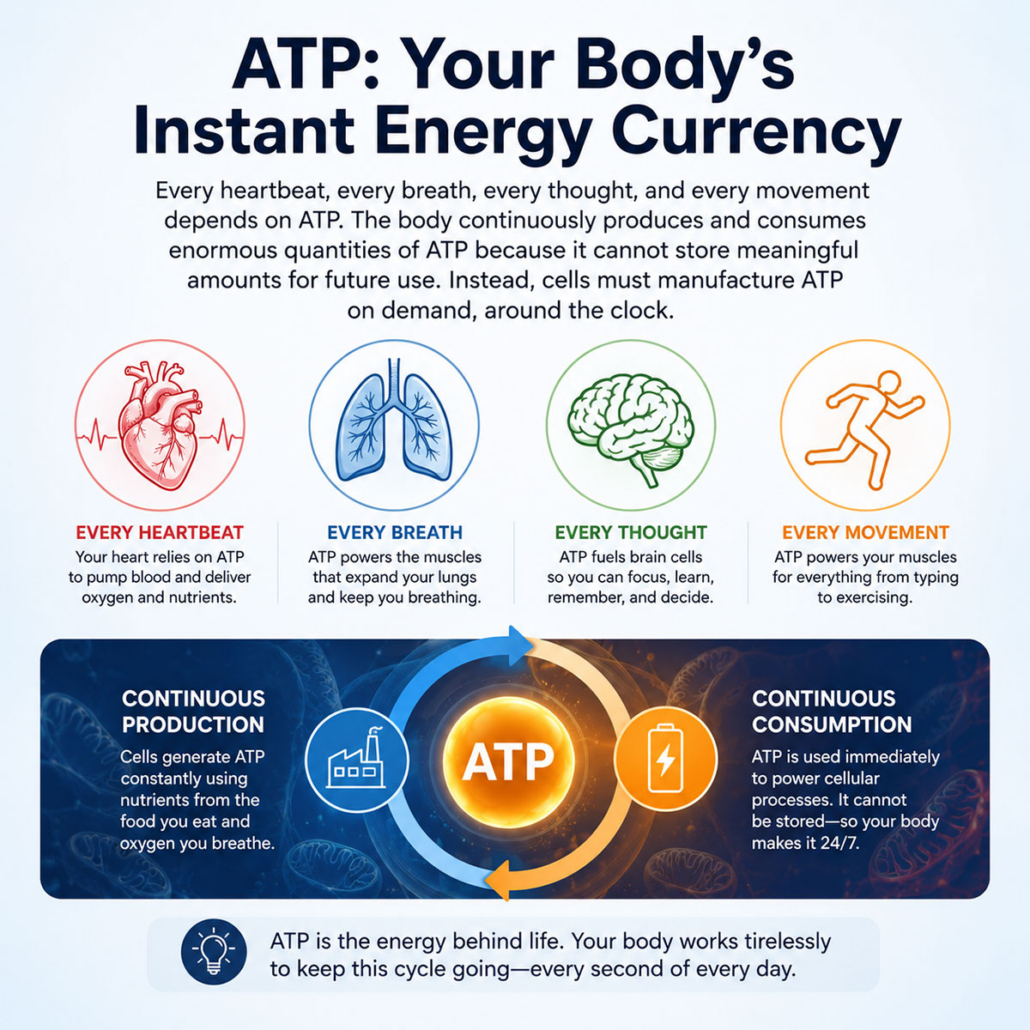
Every cell in the body requires energy to function. Whether the task is contracting a muscle, transmitting a nerve impulse, producing hormones, synthesizing proteins, or simply maintaining normal cellular function, the body depends on a continuous supply of adenosine triphosphate (ATP). Often referred to as the body’s “energy currency,” ATP powers nearly every biological process that keeps us alive and functioning.
Although consumers often think of energy as something they drink in a cup of coffee or consume in a snack, true biological energy is produced inside the mitochondria of every cell. This remarkable process transforms carbohydrates, fats, and proteins into ATP through a series of tightly regulated metabolic pathways.
B vitamins are essential to this process because they act as coenzymes that enable many of the chemical reactions required to extract energy from food.
Without adequate B-vitamin availability, these reactions cannot proceed efficiently. The result is not a lack of calories, but a reduced ability to convert those calories into usable cellular energy.
Every heartbeat, every breath, every thought, and every movement depends on ATP. The body continuously produces and consumes enormous quantities of ATP because it cannot store meaningful amounts for future use. Instead, cells must manufacture ATP on demand, around the clock.
ATP production begins when carbohydrates, fats, and proteins are broken down into smaller molecules that enter metabolic pathways inside the cell. These pathways gradually capture chemical energy and convert it into ATP through a highly coordinated sequence of enzymatic reactions.
Many of those enzymes require B vitamins to function. Rather than supplying energy directly, B vitamins help unlock the energy already present in food. This distinction is important because it helps explain why B vitamins support normal energy metabolism without acting as stimulants.
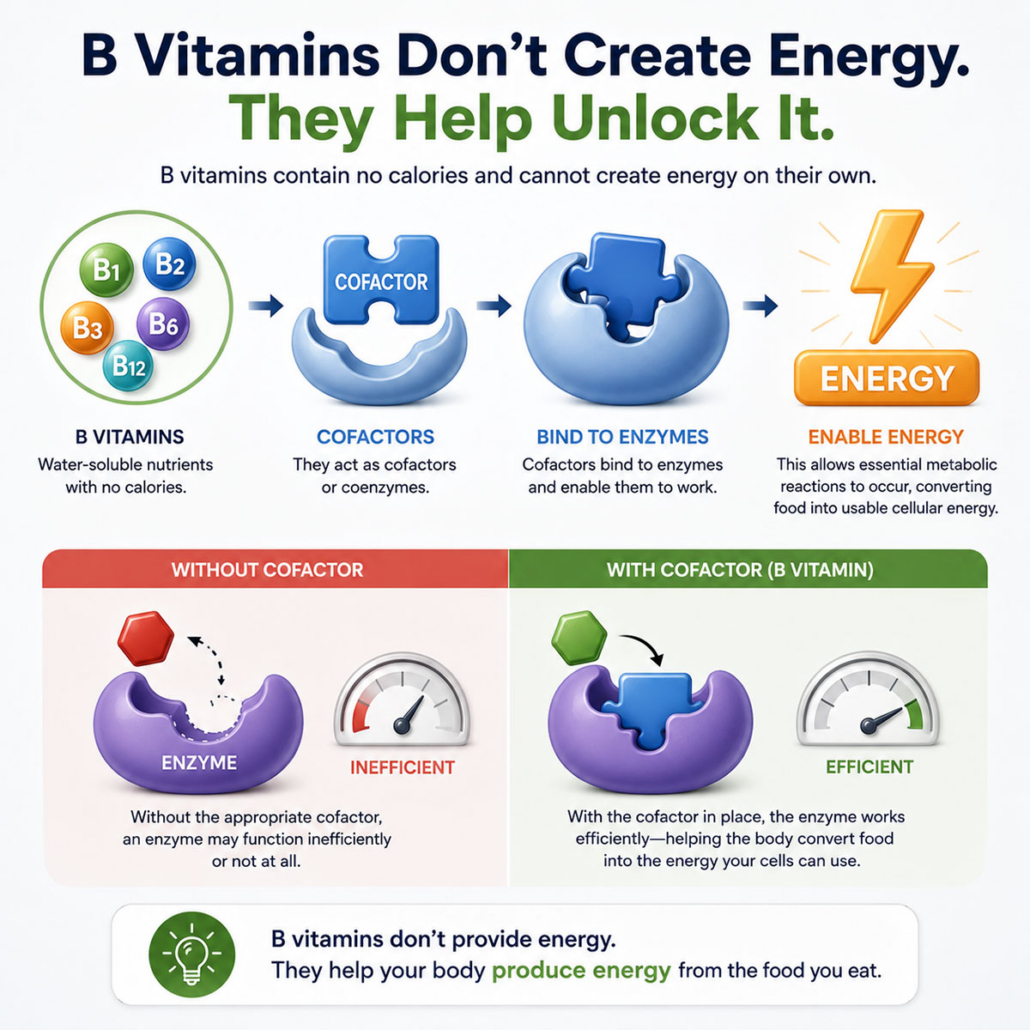
One of the most common misconceptions about B vitamins is that they “give you energy.” In reality, B vitamins contain no calories and cannot create energy on their own.
Instead, they serve as cofactors or coenzymes. These molecules bind to enzymes and allow essential metabolic reactions to occur. Without the appropriate cofactor, an enzyme may function inefficiently or not at all.
An easy analogy is to think of enzymes as skilled workers on an assembly line. The raw materials, carbohydrates, fats, and proteins, arrive at the factory, but many workers cannot perform their jobs without the proper tools. B vitamins provide many of those biochemical tools, allowing each step of energy production to proceed efficiently.
This distinction provides an excellent educational opportunity for supplement brands. Rather than promising consumers an “energy boost,” brands can explain that B vitamins help the body efficiently convert food into usable cellular energy. That message is both scientifically accurate and aligned with permissible structure/function positioning.
The body’s energy-production system can be simplified into three major stages:
Each stage depends on multiple enzymes, and many of those enzymes require B-vitamin-derived coenzymes.
For example:
Although each vitamin has distinct functions, they operate within interconnected metabolic networks. Consequently, focusing on a single B vitamin often overlooks the coordinated role of the entire B-complex.
Vitamin B12 has become the most recognized member of the B-complex, and many consumers associate it almost exclusively with energy. While B12 is undoubtedly important, it represents only one component of a much larger metabolic system.
Energy production depends on numerous sequential biochemical reactions. If one pathway slows because a required coenzyme is unavailable, the efficiency of the entire process may be affected. This is one reason many formulations include a balanced B-complex rather than relying solely on vitamin B12.
A comprehensive B-complex also provides brands with a stronger educational platform. Instead of promoting a single nutrient, brands can explain how multiple vitamins work together to support normal energy metabolism, neurological health, and cognitive function.
This systems-based approach reflects current scientific understanding and encourages consumers to think beyond isolated ingredients.

For supplement brands, understanding these metabolic pathways is more than an academic exercise. It directly influences formulation strategy, consumer education, and product positioning.
Consumers increasingly appreciate products backed by transparent science. Explaining that B vitamins support ATP production through their roles as enzyme cofactors provides a more compelling and credible story than generic claims about “boosting energy.”
It also differentiates products from caffeine-based formulations by emphasizing sustained metabolic support rather than temporary stimulation.
This scientific foundation opens the door to premium positioning through active vitamin forms, synergistic ingredient combinations, and educational marketing that builds trust while remaining grounded in well-established nutritional science.
B vitamins do not create energy or act as stimulants. Instead, they serve as essential coenzymes that enable the metabolic reactions responsible for converting food into ATP.
Because every stage of cellular energy production depends on these nutrient-driven pathways, the B-complex remains one of the most scientifically supported foundations for fatigue and cognitive performance formulations.
The term “vitamin B” often creates the impression that it refers to a single nutrient. In reality, the B-complex consists of eight distinct water-soluble vitamins, each with its own biological functions while working together to support interconnected metabolic pathways.
Some B vitamins primarily participate in energy metabolism, while others contribute to neurotransmitter synthesis, methylation, DNA production, red blood cell formation, or nervous system function.
Although each vitamin has unique responsibilities, they rarely operate in isolation. Instead, they function as an integrated nutritional team that supports the body’s ability to convert food into energy and maintain healthy cellular activity.
For supplement formulators, this distinction is important. Products that focus exclusively on one nutrient—such as vitamin B12—may overlook the complementary roles played by the remaining members of the B-complex.
Likewise, educating consumers about how these vitamins work together creates a more meaningful value proposition than highlighting a single ingredient.
| Vitamin | Scientific Name | Other Common Names | Primary Physiological Role | Common Supplemental Forms | Key Formulation Considerations |
|---|---|---|---|---|---|
| B1 | Thiamine | Vitamin B1 | Carbohydrate metabolism; conversion of pyruvate to acetyl-CoA; nervous system function | Thiamine HCl, Thiamine Mononitrate, Benfotiamine | Benfotiamine is a lipid-soluble derivative often used in premium formulations. |
| B2 | Riboflavin | Vitamin B2 | Production of FAD and FMN for electron transport and ATP production | Riboflavin, Riboflavin-5′-Phosphate | Naturally bright yellow and may influence product color. |
| B3 | Niacin | Vitamin B3 | Formation of NAD and NADP for cellular energy metabolism | Nicotinic Acid, Niacinamide, Inositol Hexanicotinate | Consider flushing potential and positioning when selecting forms. |
| B5 | Pantothenic Acid | Vitamin B5 | Component of Coenzyme A; metabolism of carbohydrates, fats, and proteins | Calcium D-Pantothenate, Pantethine | Supports numerous metabolic pathways and combines well with complete B-complex formulas. |
| B6 | Pyridoxine | Vitamin B6 | Amino acid metabolism, neurotransmitter synthesis, hemoglobin production | Pyridoxine HCl, Pyridoxal-5′-Phosphate (P5P) | Active P5P form supports premium positioning. |
| B7 | Biotin | Vitamin B7, Vitamin H | Fatty acid metabolism, carbohydrate metabolism, gluconeogenesis | D-Biotin | Frequently positioned for beauty products but also supports energy metabolism. |
| B9 | Folate | Vitamin B9 | DNA synthesis, cell division, methylation, red blood cell formation | Folic Acid, Calcium L-Methylfolate (5-MTHF), Quatrefolic® | Active methylated forms increasingly appear in premium products. |
| B12 | Cobalamin | Vitamin B12 | Red blood cell formation, neurological function, methylation | Cyanocobalamin, Methylcobalamin, Adenosylcobalamin, Hydroxocobalamin | Methylcobalamin is widely used for premium positioning and consumer recognition. |
One of the greatest strengths of a B-complex formulation is that it reflects how human metabolism actually works. Energy production is not controlled by a single biochemical reaction or a single vitamin.
Instead, it depends on a network of interconnected pathways that require multiple nutrient-derived cofactors operating together.
This systems-based perspective also gives supplement brands a stronger educational story. Rather than emphasizing one “hero ingredient,” brands can explain how the B-complex supports carbohydrate metabolism, fat metabolism, protein metabolism, ATP production, nervous system function, methylation, and healthy red blood cell formation through complementary mechanisms.
As consumers become more interested in understanding how ingredients work — not just what they contain — this holistic approach can help products stand out in an increasingly competitive marketplace.
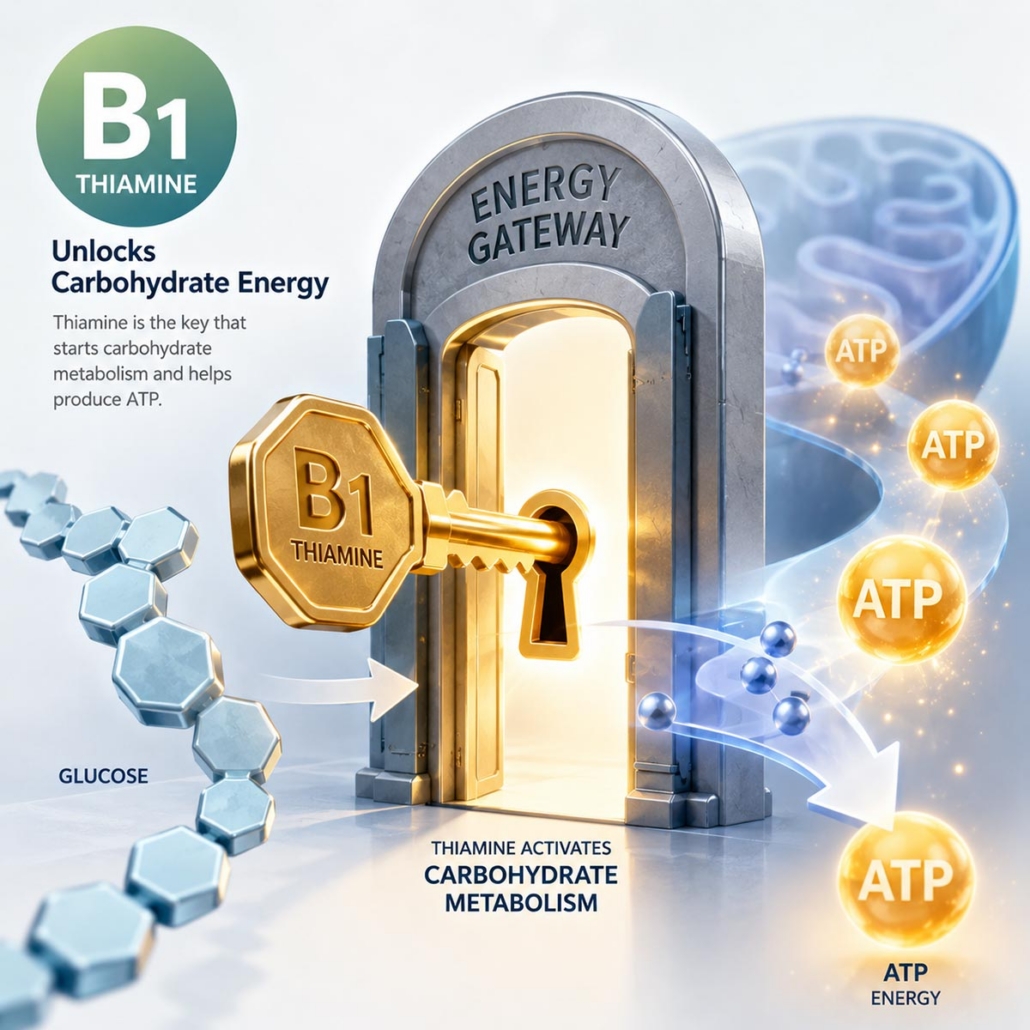
Thiamine, also known as vitamin B1, plays a foundational role in energy metabolism because it helps convert carbohydrates into acetyl-CoA, a key molecule that enters the citric acid (Krebs) cycle to produce ATP. Without thiamine, the body cannot efficiently extract usable energy from carbohydrates. Thiamine also supports normal nervous system function, making it relevant to both physical energy and cognitive performance.
Although thiamine is often overshadowed by vitamin B12 in consumer marketing, it deserves greater attention in fatigue-support formulations because it participates at one of the earliest stages of energy production.
For supplement brands, this presents an opportunity to educate consumers that sustained energy begins long before ATP is generated. Standard forms such as thiamine hydrochloride and thiamine mononitrate remain widely used, while benfotiamine, a fat-soluble derivative, offers a premium positioning strategy for advanced formulations.

Riboflavin, or vitamin B2, helps drive one of the body’s most important energy-producing systems by serving as the precursor to flavin adenine dinucleotide (FAD) and flavin mononucleotide (FMN).
These coenzymes transport electrons during cellular respiration, allowing mitochondria to convert nutrients into ATP efficiently. Riboflavin also contributes to antioxidant activity by supporting the regeneration of glutathione, one of the body’s primary endogenous antioxidants.
For supplement formulators, riboflavin reinforces the message that B vitamins are essential metabolic cofactors rather than stimulants. One practical consideration is its naturally bright yellow color, which can influence gummies, beverages, and powdered products.
While this characteristic may require thoughtful formulation, it can also reinforce consumer expectations of a vitamin-rich product. Because riboflavin participates directly in mitochondrial energy production, it remains an essential component of comprehensive B-complex formulations.
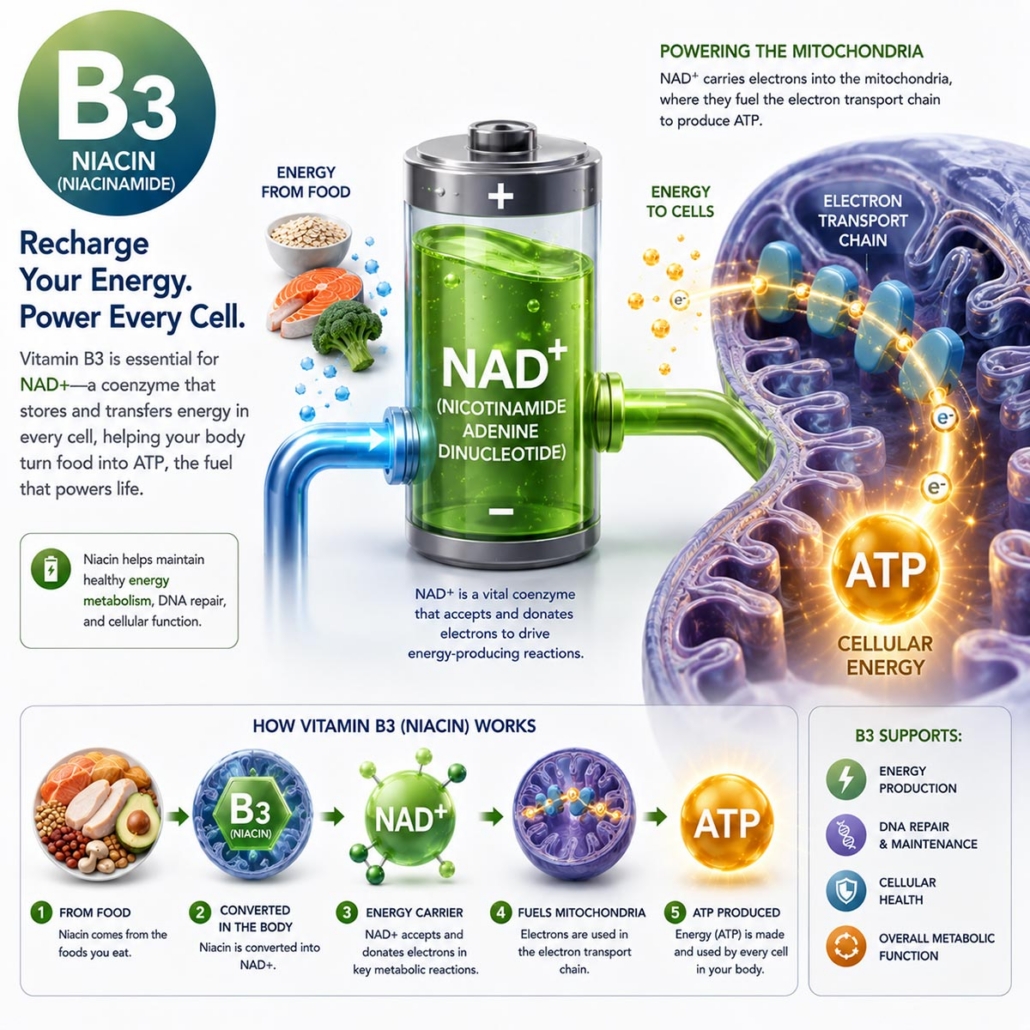
Vitamin B3, commonly known as niacin, is indispensable for cellular energy production because it forms nicotinamide adenine dinucleotide (NAD⁺) and nicotinamide adenine dinucleotide phosphate (NADP⁺).
These coenzymes participate in hundreds of metabolic reactions that convert carbohydrates, fats, and proteins into usable energy. They also play critical roles in cellular repair, oxidative metabolism, and numerous biochemical pathways throughout the body.
From a formulation perspective, niacin offers several positioning options depending on the desired consumer experience. Nicotinic acid produces the well-known “niacin flush,” which some consumers intentionally seek, while niacinamide provides similar nutritional support without flushing.
Premium formulations may also incorporate specialty forms such as inositol hexanicotinate. For brands, niacin provides an opportunity to educate consumers about NAD-dependent energy metabolism, connecting an increasingly popular scientific concept with one of nutrition’s most established vitamins.
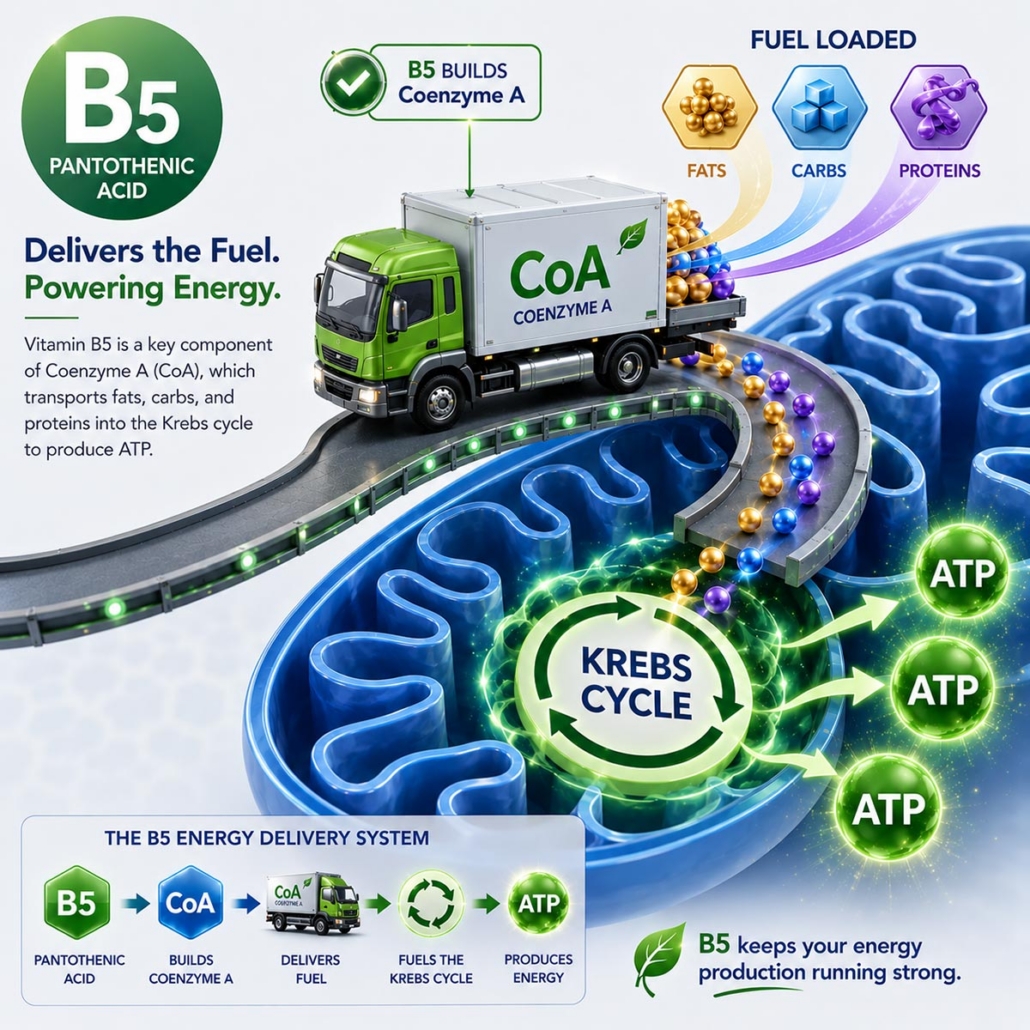
Pantothenic acid, or vitamin B5, is a structural component of coenzyme A (CoA), one of the most important molecules in human metabolism. Coenzyme A enables the body to metabolize carbohydrates, fats, and proteins while transporting acetyl groups into the citric acid cycle for ATP production. Because nearly every energy-producing pathway depends on CoA, vitamin B5 supports metabolism at an exceptionally fundamental level.
Although consumers may be less familiar with pantothenic acid than vitamin B12 or biotin, its central metabolic role makes it an indispensable member of any comprehensive B-complex.
For supplement brands, vitamin B5 represents an opportunity to tell a more complete story about how the body generates energy rather than focusing on a single nutrient. Calcium D-pantothenate remains the most common supplemental form, while pantethine provides a premium alternative for specialized formulations.
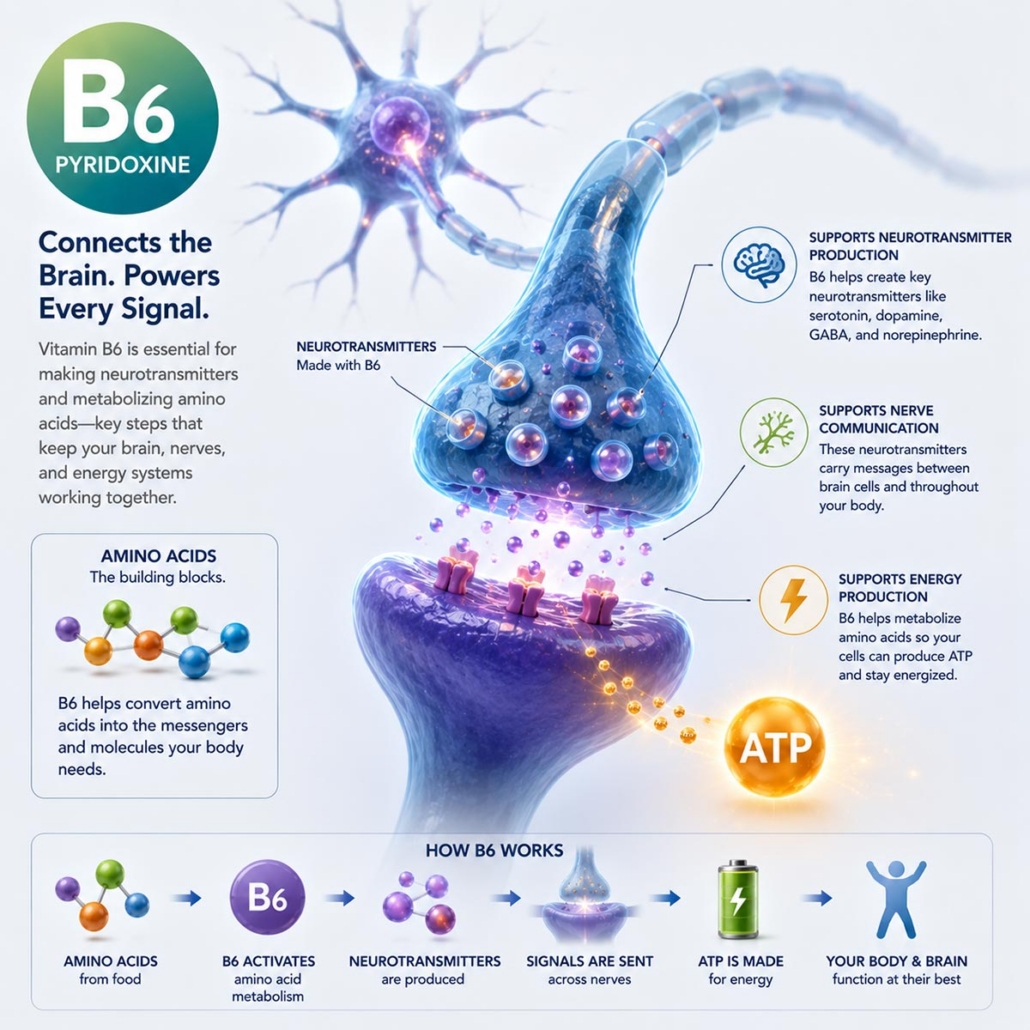
Vitamin B6 supports far more than energy metabolism alone. It participates in amino acid metabolism, neurotransmitter synthesis, hemoglobin production, immune function, and glycogen utilization, making it one of the most versatile vitamins in the B-complex.
Because neurotransmitters influence communication throughout the nervous system, vitamin B6 plays an important supporting role in cognitive performance and normal brain function.
For supplement formulators, vitamin B6 helps bridge the gap between physical energy and mental performance. This makes it especially valuable for products positioned around productivity, focus, resilience, or everyday wellness.
Pyridoxine hydrochloride remains the most common supplemental form, while pyridoxal-5′-phosphate (P5P), the biologically active coenzyme form, supports premium positioning and appeals to consumers seeking advanced nutritional formulations.
Pairing vitamin B6 with magnesium, B12, and folate also creates compelling opportunities for cognitive wellness products.
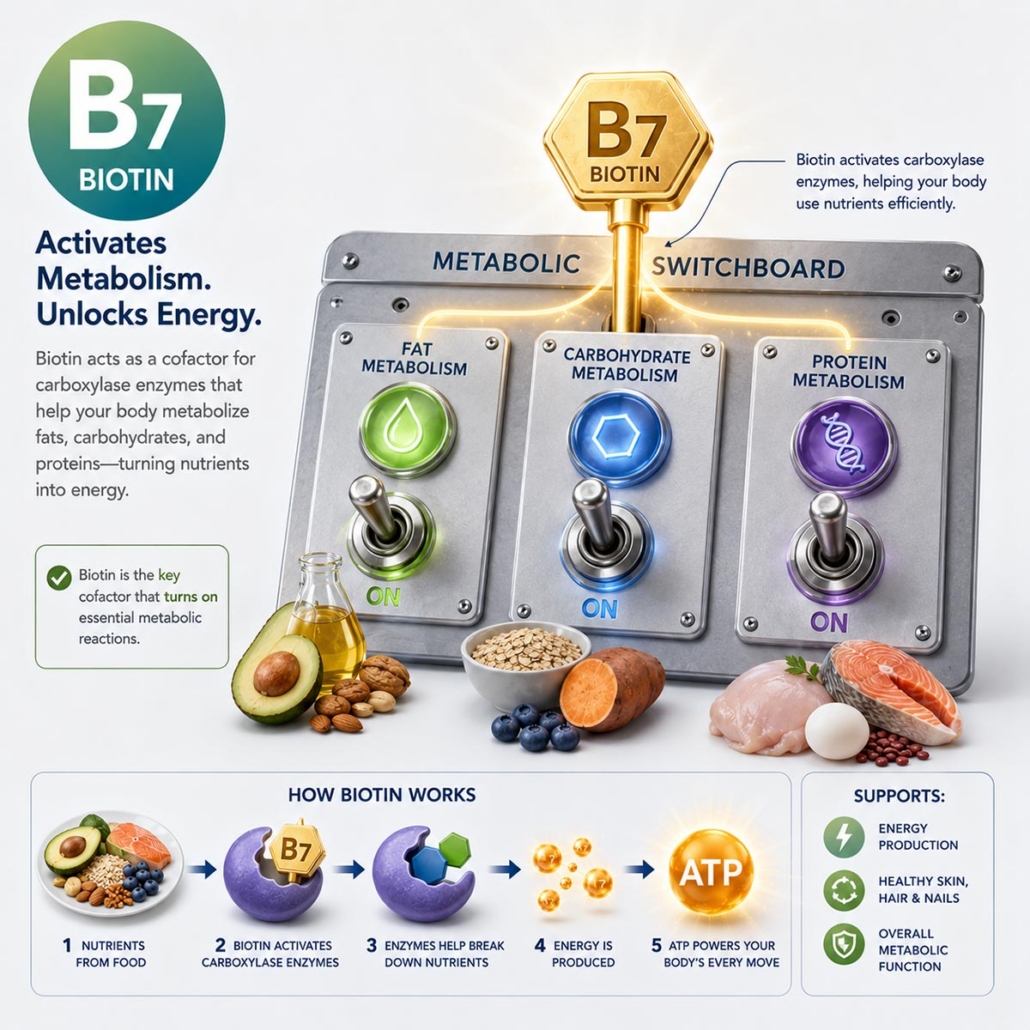
Biotin is best known for supporting healthy hair, skin, and nails, but its role in energy metabolism is equally important. As a coenzyme for several carboxylase enzymes, biotin supports fatty acid synthesis, gluconeogenesis, and the metabolism of carbohydrates, fats, and proteins.
These reactions help ensure that nutrients are efficiently converted into the molecules required for ATP production and normal cellular function.
Because beauty positioning often dominates consumer awareness, many people overlook biotin’s contribution to metabolic health. This presents an opportunity for supplement brands to broaden the conversation by explaining how biotin supports both appearance and energy metabolism.
D-biotin remains the standard supplemental form and is highly stable across multiple delivery formats, including capsules, gummies, powders, and stick packs. Including biotin within a complete B-complex reinforces the concept that every B vitamin contributes uniquely to the body’s interconnected energy-producing systems.

Folate plays a central role in DNA synthesis, cell division, methylation, and healthy red blood cell formation. Working closely with vitamin B12, folate helps regulate one-carbon metabolism and homocysteine pathways that support normal neurological and cardiovascular function.
These processes are especially important in rapidly dividing tissues and contribute to healthy cellular function throughout the body.
For supplement brands, folate provides an opportunity to educate consumers about methylation—an increasingly recognized concept in personalized nutrition. While folic acid remains widely used, many premium formulations now incorporate methylated forms such as L-5-methyltetrahydrofolate (5-MTHF) to support advanced positioning strategies.
Because folate and vitamin B12 function together in several biochemical pathways, they are often best discussed as complementary nutrients rather than independent ingredients, reinforcing the value of a complete B-complex formulation.
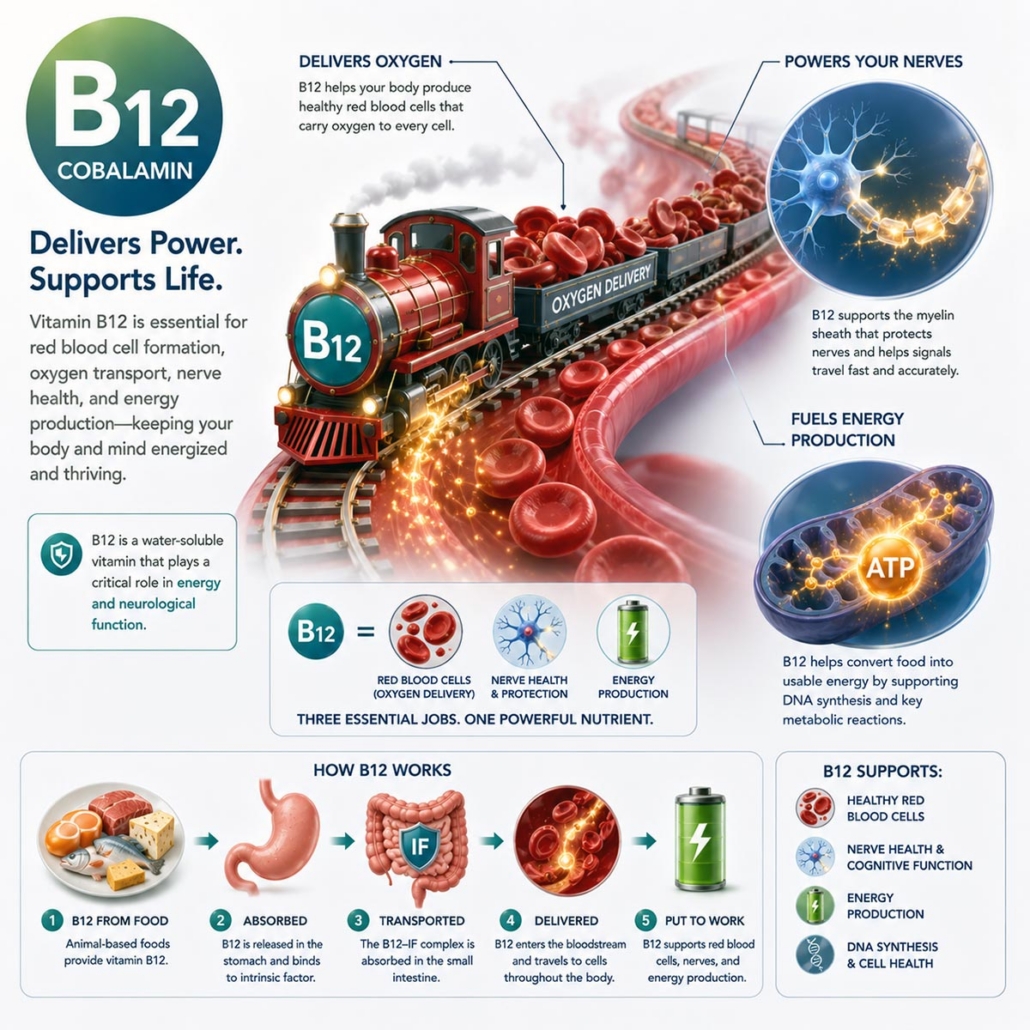
Vitamin B12 is arguably the most recognized member of the B-complex, yet its role extends well beyond the consumer perception of “energy support.” Vitamin B12 contributes to normal red blood cell formation, neurological function, DNA synthesis, and methylation while working closely with folate in several critical metabolic pathways.
Adequate vitamin B12 status also supports the body’s ability to maintain healthy nerve cells and normal cognitive function.
Because vitamin B12 has become synonymous with energy, many products position it as the hero ingredient. However, this approach can unintentionally overshadow the contributions of the remaining B vitamins. For supplement brands, a more compelling strategy is to position vitamin B12 as one essential member of an integrated metabolic system.
Cyanocobalamin remains a stable and cost-effective choice, while methylcobalamin, adenosylcobalamin, and hydroxocobalamin provide premium options that appeal to consumers seeking more specialized formulations. Together, they help tell a broader story about supporting energy metabolism rather than simply “boosting energy.”
Each B vitamin performs a unique role, but their greatest strength lies in how they work together. A well-designed B-complex supports interconnected metabolic pathways that help the body produce energy, maintain normal neurological function, and support cognitive performance, providing supplement brands with a scientifically grounded platform for both formulation and consumer education.
Unlike many emerging ingredients that rely on a limited number of clinical trials or preliminary mechanisms, B vitamins are among the most extensively studied nutrients in human nutrition.
Researchers have investigated their roles in metabolism, neurological function, red blood cell formation, DNA synthesis, and cellular energy production for decades. As a result, scientists understand not only that B vitamins are essential, but also how they participate in hundreds of enzymatic reactions that support normal human physiology.
For supplement brands, this creates an important competitive advantage. Consumers increasingly seek products backed by credible science rather than marketing hype. Because the biological functions of B vitamins are well established, brands can build compelling educational content around well-understood metabolic pathways instead of relying on exaggerated claims or emerging research that may evolve over time.
The scientific story behind B vitamins begins with a simple fact: they are essential nutrients. The human body cannot synthesize most B vitamins in sufficient quantities to meet physiological needs, making regular dietary intake necessary to support normal metabolic function.
Since their discovery in the early twentieth century, researchers have published thousands of studies examining the biological roles of individual B vitamins and the B-complex as a whole.
Today, their functions are incorporated into medical education, nutrition textbooks, dietary reference intakes, and clinical practice guidelines around the world.
Unlike many specialty ingredients, the importance of B vitamins is not based on a single study or isolated health trend. Instead, it reflects decades of accumulated biochemical, physiological, and clinical evidence demonstrating their essential roles in human metabolism.
When evaluating dietary ingredients, it is helpful to distinguish between mechanistic evidence and clinical evidence.
Mechanistic evidence explains how an ingredient works. In the case of B vitamins, this evidence is exceptionally strong. Scientists know precisely where many B-vitamin-derived coenzymes function within glycolysis, the citric acid (Krebs) cycle, the electron transport chain, amino acid metabolism, methylation, neurotransmitter synthesis, and red blood cell formation. These pathways have been studied extensively and are fundamental to human biochemistry.
Clinical evidence asks a different question: What happens when people consume additional amounts of a nutrient? The answer often depends on an individual’s nutritional status, age, dietary patterns, genetics, and overall health.
This distinction is important because essential nutrients do not behave like pharmaceutical compounds. Their primary role is to support normal physiological function rather than produce dramatic short-term effects in healthy individuals who already consume adequate amounts.
Although everyone requires B vitamins, some populations may have higher nutritional needs or increased risk of inadequate intake.
Examples include:
For supplement brands, understanding these differences helps create more targeted formulations and educational messaging. Rather than suggesting that everyone needs the same product, brands can explain how nutritional requirements vary across life stages, dietary preferences, and lifestyle demands.
One of the strengths of B vitamins is that their established physiological functions support numerous permissible structure/function claims within applicable regulatory frameworks. Rather than making disease-treatment claims, brands can communicate how these nutrients help support normal biological processes.
Examples include supporting:
Educational content can also explain why these functions matter. Helping consumers understand ATP production, neurotransmitter synthesis, and metabolic efficiency builds trust while remaining grounded in established nutritional science.
As always, claims should comply with applicable regulations in the markets where products are sold, and brands should ensure that product-specific messaging accurately reflects both the formulation and the available evidence.
Today’s consumers increasingly want to understand the science behind the products they purchase. Rather than asking only what an ingredient does, they also want to know how it works and why it belongs in a formulation.
This shift creates an opportunity for supplement brands to move beyond simplistic “energy support” messaging. By explaining the role of B vitamins in ATP production, mitochondrial function, neurotransmitter synthesis, and methylation, brands can build confidence through education instead of relying on overstated marketing language.
That approach also strengthens long-term brand credibility. Consumers who understand the purpose of an ingredient are more likely to appreciate its value, develop realistic expectations, and recognize the difference between evidence-based nutrition and trend-driven formulations.
The strength of the scientific evidence behind B vitamins lies not only in decades of clinical research but also in their well-established biochemical roles. Because these nutrients are essential cofactors in cellular energy metabolism, neurological function, and numerous other physiological processes, supplement brands have a rare opportunity to build products around ingredients that combine scientific credibility, regulatory familiarity, and broad consumer recognition.
Methylated B vitamins can be a smart choice for brands that want to position a formula around advanced nutrient forms, cognitive performance, methylation support, and premium daily wellness.
These forms are already biologically active or closer to the body’s usable forms, which can make them especially appealing to consumers who are familiar with nutrient metabolism and personalized nutrition.
For example, methylfolate (L-5-MTHF) is the active form of folate used in one-carbon metabolism, while methylcobalamin is one of the active coenzyme forms of vitamin B12.
These nutrients participate in methylation pathways that support normal DNA synthesis, red blood cell formation, homocysteine metabolism, and healthy neurological function.
Not necessarily. Methylated B vitamins are not required for every formulation, and conventional forms remain appropriate for many products. Ingredients such as folic acid, cyanocobalamin, and pyridoxine hydrochloride have long histories of safe use, strong scientific support, and excellent stability in dietary supplements.
Methylated forms often carry a higher ingredient cost and may require additional consumer education to explain their purpose. In addition, while many consumers seek active vitamin forms, others may not recognize the distinction or may prefer simpler, value-oriented formulations.
Some individuals also report sensitivity to highly methylated formulas, although responses vary from person to person and more research is needed to fully understand these experiences.
Methylated B vitamins are often most appropriate when a brand is developing a premium, science-forward product. They may be particularly well suited for formulations targeting cognitive performance, healthy aging, women’s wellness, stress resilience, prenatal wellness, or homocysteine metabolism support.
They also align well with products marketed toward health-conscious consumers who actively seek advanced nutrient forms or are familiar with methylation and MTHFR-related discussions.
Rather than including methylated vitamins simply because they are trending, brands should evaluate whether these ingredient forms reinforce the product’s overall positioning, target audience, and value proposition.
The strongest positioning is not that “methylated is always better.” Instead, brands can explain that methylated B vitamins provide active forms that participate directly in important metabolic pathways.
This approach communicates meaningful scientific value without overstating benefits and remains consistent with responsible structure/function positioning.
Ultimately, the most successful formulations are those in which ingredient selection, dosage, delivery format, and consumer education work together to create a product that is both scientifically credible and commercially differentiated.
B vitamins provide the metabolic foundation for energy production, but many of today’s most successful formulations extend beyond the B-complex to support broader aspects of physical and cognitive performance.
By combining B vitamins with complementary ingredients that target related physiological pathways, brands can create more comprehensive products while delivering a stronger scientific story.
The most effective formulations are not necessarily those with the longest ingredient lists. Instead, they pair ingredients that support similar biological functions and reinforce a clearly defined consumer benefit. This approach creates formulations that are easier to explain, easier to market, and more likely to resonate with consumers.
Rather than selecting ingredients based solely on current trends, brands should consider how each ingredient contributes to the overall product experience. The following categories illustrate how B vitamins can serve as the nutritional foundation for a variety of differentiated formulations.
Consumers experiencing mental fatigue often seek more than physical energy—they want to stay focused, productive, and mentally engaged throughout the day.
Because B vitamins already support normal neurological function and neurotransmitter synthesis, they pair naturally with ingredients that complement cognitive performance.
| Ingredient | Why It Works Well with B Vitamins | Ideal Product Positioning |
|---|---|---|
| Citicoline (CDP-Choline) | Supports phospholipid synthesis and cognitive function. | Focus, productivity, executive performance |
| Alpha-GPC | Supports acetylcholine production for cognitive performance. | Mental clarity, learning, memory |
| L-Theanine | Promotes relaxed alertness without sedation. | Calm focus, office professionals, students |
| Lion’s Mane Mushroom | Supports brain health and cognitive wellness. | Daily cognition, healthy aging |
| Phosphatidylserine | Supports healthy cognitive function and stress response. | Focus, memory, executive wellness |
These combinations create formulations that emphasize sustained cognitive performance rather than temporary stimulation, making them especially appealing to professionals, students, entrepreneurs, and knowledge workers.
Because B vitamins play a central role in ATP production, they work exceptionally well alongside ingredients that support mitochondrial function and cellular energy metabolism.
| Ingredient | Why It Works Well with B Vitamins | Ideal Product Positioning |
|---|---|---|
| Coenzyme Q10 | Supports mitochondrial electron transport and cellular energy production. | Healthy aging, cardiovascular wellness, vitality |
| Acetyl-L-Carnitine | Helps transport fatty acids into mitochondria for energy production. | Endurance, healthy aging, active lifestyles |
| Alpha-Lipoic Acid | Supports mitochondrial metabolism and antioxidant defenses. | Metabolic wellness, cellular health |
| PQQ (Pyrroloquinoline Quinone) | Supports mitochondrial health and cellular function. | Premium energy, longevity, healthy aging |
Together, these ingredients reinforce the message that energy begins inside the mitochondria rather than from stimulants alone.
Chronic stress is one of the most common contributors to perceived fatigue. While B vitamins support the nervous system and normal energy metabolism, complementary ingredients can help brands position products around resilience and everyday wellness.
| Ingredient | Why It Works Well with B Vitamins | Ideal Product Positioning |
|---|---|---|
| Magnesium | Supports muscle relaxation, nervous system function, and energy metabolism. | Daily wellness, stress support |
| Ashwagandha | Supports a healthy response to everyday stress. | Burnout recovery, resilience |
| Rhodiola rosea | Traditionally used to support mental and physical endurance. | Workplace performance, active lifestyles |
| Holy Basil | Supports stress resilience and overall wellness. | Daily balance, wellness routines |
These formulations are particularly relevant for consumers managing demanding schedules, caregiving responsibilities, or high-pressure careers.
Energy metabolism and hydration are closely connected, particularly during exercise and prolonged physical activity. B vitamins pair well with ingredients that support fluid balance and muscle function, allowing brands to create products for active consumers without relying exclusively on stimulant-based positioning.
| Ingredient | Why It Works Well with B Vitamins | Ideal Product Positioning |
|---|---|---|
| Electrolytes | Support hydration, nerve signaling, and muscle function. | Hydration, sports nutrition, travel |
| Taurine | Supports cellular hydration and muscular function. | Performance, endurance |
| Beet Root | Supports nitric oxide production and circulation. | Exercise performance, active aging |
| Coconut Water Powder | Provides naturally occurring electrolytes. | Clean-label hydration, wellness beverages |
These combinations work especially well in stick packs, powders, and functional beverage formats that encourage regular daily use.
As consumers age, they often shift their focus from peak performance to maintaining energy, cognitive health, and overall vitality. B vitamins provide an excellent nutritional foundation for formulations designed to support healthy aging because they contribute to normal neurological function, red blood cell formation, and cellular metabolism.
| Ingredient | Why It Works Well with B Vitamins | Ideal Product Positioning |
|---|---|---|
| Coenzyme Q10 | Supports mitochondrial energy production. | Healthy aging, vitality |
| Magnesium | Supports muscle, nerve, and metabolic function. | Daily wellness, aging well |
| Vitamin D3 | Supports musculoskeletal and immune health. | Active aging, foundational nutrition |
| Omega-3 Fatty Acids | Support healthy brain and cardiovascular function. | Cognitive wellness, longevity |
These ingredient combinations create formulations that appeal to consumers seeking proactive nutritional support for long-term health rather than quick energy.
Ingredient synergy is about more than combining scientifically interesting compounds. Every ingredient should strengthen the product’s intended positioning while making the formulation easier—not harder—for consumers to understand.
For example, a cognitive wellness formula should emphasize ingredients that support mental performance through complementary mechanisms rather than combining unrelated ingredients simply to increase label complexity.
Likewise, a product positioned for healthy aging should reinforce themes of cellular health, vitality, and neurological function across every ingredient selected.
When every component contributes to a unified scientific narrative, the product becomes easier to explain, easier to market, and ultimately more meaningful to consumers.
B vitamins provide an exceptionally versatile nutritional foundation for product development. By combining them with complementary ingredients that support specific consumer outcomes, such as cognitive performance, cellular energy, stress resilience, hydration, or healthy aging, brands can create differentiated formulations that are both scientifically coherent and commercially compelling.
The strongest products are not defined by the number of ingredients they contain, but by how effectively those ingredients work together to solve a meaningful consumer need.
The supplement industry is constantly searching for the next breakthrough ingredient. Every year, new botanicals, specialty compounds, and proprietary bioactives enter the market with promises of improved performance and novel health benefits. While innovation drives the industry forward, it can also overshadow ingredients that have quietly demonstrated their value for decades.
B vitamins are a perfect example. They rarely generate headlines because they are familiar. Yet familiarity should not be mistaken for lack of opportunity. In fact, their established scientific foundation, broad consumer awareness, formulation versatility, and favorable cost profile make them one of the most commercially attractive ingredient categories available to supplement brands.
For companies looking to develop products that combine credibility with profitability, B vitamins continue to offer significant strategic advantages.
Launching a product with a completely unfamiliar ingredient often requires substantial investment in consumer education. Brands must explain what the ingredient is, how it works, why it matters, and why consumers should trust it.
Most consumers already recognize vitamin B12, biotin, folate, or the term “B-complex.” While many may not fully understand how these nutrients function, they generally associate them with energy, wellness, or overall health. That familiarity lowers one of the biggest barriers to product adoption.
For brands, this creates an opportunity to shift marketing resources away from introducing an unfamiliar ingredient and toward telling a more sophisticated story about cellular energy metabolism, cognitive performance, and everyday resilience.
Today’s consumers increasingly evaluate supplements through the lens of evidence. They want to know not only what an ingredient does, but also how it works and whether its benefits are supported by credible research.
Unlike many newer ingredients that rely on emerging mechanisms or limited clinical data, the biological functions of B vitamins have been studied for decades. Their roles in ATP production, nervous system function, methylation, neurotransmitter synthesis, and red blood cell formation are well established within human physiology.
This allows brands to educate consumers using clear, evidence-based explanations rather than relying on exaggerated marketing claims. Over time, that approach can strengthen consumer confidence and reinforce brand credibility.
Compared with many specialty bioactives, nootropics, adaptogens, or patented ingredients, B vitamins generally represent a relatively small portion of total ingredient costs while contributing substantial scientific value to a formulation. This allows brands to develop products with meaningful nutritional positioning without relying exclusively on expensive active ingredients.
That flexibility creates several strategic options. Brands can develop competitively priced daily wellness products, invest additional budget into premium complementary ingredients, or allocate more resources toward flavor systems, packaging, and consumer experience while maintaining favorable formulation economics.
Rather than viewing B vitamins as inexpensive commodities, successful brands recognize them as foundational ingredients that provide exceptional scientific value relative to their cost.
Whether developing capsules, gummies, powders, stick packs, chewables, or functional beverages, formulators can incorporate B vitamins into products designed for a wide range of consumer preferences and use occasions. This versatility allows brands to extend a single product concept into multiple formats while maintaining a consistent scientific story.
For example, a cognitive support powder, an active lifestyle hydration stick pack, and a women’s daily wellness gummy can all leverage the same core metabolic narrative while serving different consumer needs.
This flexibility also supports product line extensions, seasonal launches, and targeted market segmentation without requiring entirely new positioning strategies.
Although B vitamins are effective on their own, they also serve as an ideal foundation for more advanced formulations.
Their well-established roles in energy metabolism complement ingredients positioned around mitochondrial health, stress resilience, cognitive performance, hydration, and healthy aging. This makes them highly compatible with compounds such as magnesium, choline, acetyl-L-carnitine, coenzyme Q10, alpha-lipoic acid, L-theanine, rhodiola, electrolytes, and adaptogenic botanicals.
For supplement brands, this creates an opportunity to build layered formulations that combine trusted nutritional fundamentals with innovative ingredients. Consumers often appreciate products that pair familiar vitamins with newer science-backed compounds because they feel both credible and contemporary.
One misconception within the supplement industry is that premium products require expensive ingredient lists.
In reality, premium positioning is often driven by formulation quality, ingredient selection, transparency, education, delivery format, sensory experience, and brand storytelling—not simply ingredient cost.
B vitamins illustrate this principle well.
Brands can elevate a B-complex product by selecting bioactive forms, optimizing dosage strategies, pairing complementary nutrients, improving flavor systems, and clearly explaining the underlying science. These decisions often have a greater impact on perceived value than adding multiple costly ingredients with limited consumer recognition.
Because B vitamins support fundamental biological processes rather than a single health trend, they provide an unusually durable platform for product development.
A well-designed B-vitamin formulation can be adapted for professionals seeking productivity, students managing demanding schedules, active adults supporting recovery, healthy aging consumers focused on vitality, women’s wellness products, hydration systems, stress-support formulas, or daily multivitamin programs.
This adaptability allows brands to build an entire family of products around a consistent scientific foundation while tailoring messaging to different audiences and life stages.
For manufacturers and brand owners alike, few ingredient categories offer this combination of flexibility, longevity, and consumer relevance.
B vitamins remain commercial winners because they combine decades of scientific credibility with broad consumer recognition, formulation flexibility, and favorable formulation economics.
Brands that move beyond generic “energy support” messaging and instead educate consumers about the biological role of the B-complex can transform a familiar ingredient category into a differentiated, premium product platform that delivers lasting value to both consumers and the business.
The science behind B vitamins is well established, but the opportunity for supplement brands extends far beyond creating another B-complex product. Today’s consumers are looking for solutions that fit their lifestyles, address meaningful health concerns, and help them understand the science behind the ingredients they take every day.
This creates an opportunity to rethink how B vitamins are positioned in the marketplace. Rather than competing in a crowded category defined by generic “energy support” claims, brands can develop products that educate consumers, solve specific wellness challenges, and deliver a more differentiated experience.
Consumers are increasingly looking for products that help them feel mentally sharp, physically capable, and resilient throughout demanding days. They want nutritional support that aligns with their routines and long-term wellness goals, not just a temporary boost of energy.
B vitamins provide an ideal foundation for meeting those expectations because they support the biological systems involved in energy metabolism, neurological function, and cognitive performance.
One of the greatest opportunities lies in developing products that speak directly to specific consumer groups rather than trying to appeal to everyone.
For example, brands might develop formulations designed for:
The supplement market is filled with increasingly complex formulations that feature dozens of ingredients and lengthy lists of health claims. Yet complexity alone rarely creates a better product.
Instead, brands can differentiate themselves by telling a clear, scientifically grounded story.
Rather than asking consumers to believe that a product contains “everything,” successful brands explain why each ingredient has been selected and how those ingredients work together to support a specific physiological outcome. This approach builds confidence, reinforces credibility, and helps consumers understand the value of the formulation.
Consumers increasingly research products before making purchasing decisions. They compare ingredient forms, read educational articles, watch videos, and ask AI-powered search tools to explain how supplements work.
Articles like this one, ingredient guides, formulation explainers, infographics, comparison charts, short videos, and FAQ libraries all help consumers better understand the role of B vitamins in supporting normal energy metabolism and cognitive performance.
Educational content also improves discoverability through traditional search engines and AI-powered search platforms, helping brands build authority while supporting long-term organic growth.
As consumers become more informed, brands that communicate clearly and accurately will continue to earn trust.
B vitamins are uniquely positioned to support long-term product portfolio development.
Rather than developing a single B-complex supplement, brands can create an integrated family of products built around the same scientific foundation while addressing different consumer needs.
Examples include:
Because these products share common formulation principles and educational messaging, brands can create a cohesive portfolio that strengthens customer loyalty while expanding into adjacent categories.
One of the biggest misconceptions in the supplement industry is that established ingredients cannot support premium products.
B vitamins prove otherwise.
Consumers already recognize these nutrients, scientific evidence supporting their physiological roles continues to grow, and formulation technologies continue to evolve. Premium vitamin forms, improved delivery systems, thoughtful ingredient combinations, clean-label formulations, and stronger educational content all create opportunities to elevate the category.
The future of B-vitamin products belongs to brands that combine scientific credibility with thoughtful formulation, meaningful education, and targeted consumer positioning.
By focusing on real consumer needs rather than generic health claims, supplement companies can transform a well-established ingredient category into a powerful platform for innovation, differentiation, and sustainable growth.
B vitamins are a group of eight essential water-soluble nutrients that support hundreds of enzymatic reactions throughout the body. While each vitamin has unique biological functions, they work together to help convert carbohydrates, fats, and proteins into adenosine triphosphate (ATP), the body’s primary source of cellular energy.
Beyond energy metabolism, B vitamins support normal nervous system function, red blood cell formation, DNA synthesis, methylation, and neurotransmitter production.
Unlike stimulants such as caffeine, B vitamins do not increase energy by stimulating the central nervous system. Instead, they help the body efficiently produce and use energy from food. This distinction makes them a valuable foundation for supplement formulations designed to support sustained energy, cognitive performance, and everyday resilience through normal physiological processes.
Fatigue and mental performance are closely connected because both depend on efficient cellular energy production. Every thought, memory, and nerve impulse requires ATP, and many of the enzymes responsible for producing ATP rely on B-vitamin-derived coenzymes. In addition, several B vitamins contribute to neurotransmitter synthesis, methylation, and healthy red blood cell formation, all of which support normal neurological function.
For supplement brands, this creates an opportunity to educate consumers that energy is more than simply feeling alert. B vitamins help support the biological systems involved in producing and using energy throughout the body. While supplementation should not be presented as a treatment for fatigue, ensuring adequate intake of these essential nutrients supports normal metabolic function and provides a scientifically grounded foundation for energy and cognitive wellness products.
Vitamin B12 is one of the most recognized members of the B-complex, but it performs only one part of a much larger metabolic system. Energy production requires multiple enzymatic reactions, and different B vitamins participate at different stages of carbohydrate, fat, and protein metabolism. Others support neurotransmitter synthesis, methylation, or red blood cell production.
Because these vitamins function together, many supplement formulations include the complete B-complex rather than relying on vitamin B12 alone. This systems-based approach more closely reflects human physiology and provides brands with a stronger educational story. Instead of promoting a single “hero ingredient,” companies can explain how the B vitamins work together to support normal energy metabolism, neurological function, and cognitive performance.
Several B vitamins are available in multiple supplemental forms. For example, vitamin B12 may be supplied as cyanocobalamin, methylcobalamin, hydroxocobalamin, or adenosylcobalamin, while folate may be provided as folic acid or L-5-methyltetrahydrofolate (5-MTHF). Vitamin B6 is commonly available as pyridoxine hydrochloride or pyridoxal-5′-phosphate (P5P).
Formulators choose among these forms based on factors such as stability, cost, manufacturing requirements, intended positioning, and the overall product strategy. While active or methylated forms are often used in premium formulations and are popular with many consumers, each form has advantages depending on the application. Rather than assuming one option is universally superior, supplement brands should evaluate ingredient selection in the context of scientific evidence, product goals, and target market expectations.
There is no single “best” delivery format because the ideal choice depends on the target consumer, formulation objectives, and product positioning.
Capsules remain a trusted option for consumers seeking convenience and higher ingredient loads, while gummies offer an enjoyable sensory experience that may encourage daily compliance.
Powders and stick packs provide flexibility for combining B vitamins with hydration systems, amino acids, adaptogens, or other complementary ingredients, making them well suited for multifunctional wellness products.
Successful brands begin by understanding how and when consumers will use the product. A productivity-focused morning stick pack, for example, may require a different ingredient profile and flavor experience than a daily wellness capsule or a healthy aging gummy. Matching the delivery format to the intended consumer experience is just as important as selecting the right ingredients.
Many B-vitamin supplements compete using similar ingredient lists and broad claims such as “supports energy.” Brands can stand out by shifting the conversation from stimulation to cellular energy metabolism and by educating consumers about how the B-complex supports ATP production, neurological function, and cognitive performance.
Clear explanations of ingredient forms, thoughtful use of complementary ingredients, premium sensory experiences, and targeted product positioning can further strengthen differentiation.
Brands should also consider developing formulations for specific consumer lifestyles or wellness goals rather than creating one product for everyone. Products designed for professionals, students, healthy aging consumers, active adults, or women’s wellness can all share the same scientific foundation while addressing different consumer needs. When supported by educational content and evidence-based messaging, this approach creates a more compelling and memorable value proposition.
Compared with many specialty bioactives, nootropics, adaptogens, or patented ingredients, B vitamins are generally cost-effective formulation components. They provide well-established nutritional value while typically representing a relatively small portion of total ingredient costs.
This allows brands to create scientifically grounded products with attractive formulation economics and the flexibility to invest in complementary ingredients, flavor systems, packaging, or premium delivery formats.
However, formulation cost should never be the only consideration. Ingredient forms, dosage strategy, product positioning, and consumer experience all contribute to the overall value of a finished product. A thoughtfully formulated B-complex that combines strong science, excellent flavor, and clear educational messaging often delivers greater long-term value than a lower-cost product focused primarily on price.
The supplement industry regularly introduces innovative ingredients, yet B vitamins remain relevant because they support fundamental biological processes that are essential for life. Their roles in cellular energy metabolism, nervous system function, DNA synthesis, methylation, and red blood cell formation are well understood and supported by decades of biochemical and clinical research. Unlike many newer ingredients, their mechanisms of action are firmly established within human physiology.
For supplement brands, this creates a unique opportunity. Rather than viewing B vitamins as outdated, companies can position them as the scientifically validated foundation of modern energy and cognitive wellness formulations. Pairing the B-complex with complementary ingredients allows brands to incorporate innovation while building upon one of the most trusted and extensively researched nutrient categories in nutritional science.
Kennedy, D. O. (2016). B Vitamins and the Brain: Mechanisms, Dose and Efficacy—A Review. Nutrients.
Huskisson, E., Maggini, S., & Ruf, M. (2007). The Role of Vitamins and Minerals in Energy Metabolism and Well-Being. Journal of International Medical Research.
Institute of Medicine. (1998). Dietary Reference Intakes for Thiamin, Riboflavin, Niacin, Vitamin B6, Folate, Vitamin B12, Pantothenic Acid, Biotin, and Choline.
Grand View Research. Vitamin B Nutritional Supplements Market Statistics.
MedlinePlus. B Vitamins.
MedlinePlus. Vitamins.
Linus Pauling Institute. Micronutrient Information Center.
Linus Pauling Institute. Vitamin B12.
Stover, P. J. (2009). One-Carbon Metabolism–Genome Interactions in Folate-Associated Pathologies. Journal of Nutrition.
Nunnari, J., & Suomalainen, A. (2012). Mitochondria: In Sickness and in Health. Cell.
Spinelli, J. B., & Haigis, M. C. (2018). The Multifaceted Contributions of Mitochondria to Cellular Metabolism. Nature Cell Biology.
CDC/NCHS. Dietary Supplement Use Among Adults: United States, 2017–2018.
CDC Stacks. Dietary Supplement Use in the United States: National Health and Nutrition Examination Survey.
CDC/NCHS. NHANES 2017–2018 Dietary Data.
Cowan, A. E., et al. Trends in Overall and Micronutrient-Containing Dietary Supplement Use in US Adults and Children, NHANES 2007–2018. Journal of Nutrition.
Qi, Y. P., et al. The Prevalence of Low Serum Vitamin B-12 Status in the Absence of Anemia or Macrocytosis Among Older U.S. Adults. Journal of Nutrition.
Evatt, M. L., et al. Association Between Vitamin B12-Containing Supplement Consumption and Prevalence of Biochemically Defined B12 Deficiency in Adults in NHANES III. Public Health Nutrition.
Mineva, E. M., et al. Fewer U.S. Adults Had Low or Transitional Vitamin B12 Status Based on the Combined Indicator of Vitamin B12 Status, NHANES 1999–2004. American Journal of Clinical Nutrition.
Council for Responsible Nutrition. 2024 CRN Consumer Survey on Dietary Supplements.
 https://intermountainnutrition.com/wp-content/uploads/2026/09/synbiotics-for-immune-supplements-11B.jpg 1200 1200 Larisa Graham https://intermountainnutrition.com/wp-content/uploads/2026/01/IMN-gradient-logo-NEW.png Larisa Graham2026-09-18 09:00:002026-09-20 00:38:33Synbiotics for Immunity Support https://intermountainnutrition.com/wp-content/uploads/2026/09/valorization-for-nutraceuticals-05.jpg 1200 1200 Larisa Graham https://intermountainnutrition.com/wp-content/uploads/2026/01/IMN-gradient-logo-NEW.png Larisa Graham2026-09-16 09:00:002026-09-14 04:22:37How Green Extraction Is Creating the Next Generation of Upcycled Nutraceutical Ingredients https://intermountainnutrition.com/wp-content/uploads/2026/09/andrographis.jpg 1200 1200 Larisa Graham https://intermountainnutrition.com/wp-content/uploads/2026/01/IMN-gradient-logo-NEW.png Larisa Graham2026-09-14 09:00:002026-09-14 12:53:59Andrographis for Immune Support
 STOCK FORMULA: Endurance Capsules