Taurine in Supplements

April 30, 2026 |

Functional Benefits, Market Trends, and Formulation Strategy

A key hydration ingredient that improves muscle efficiency and delays the onset of fatigue for improved recovery and sustained performance.

At a Glance

  • Taurine is a conditionally essential amino sulfonic acid commonly used in supplements for energy, hydration, cardiovascular support, and cognitive performance.
  • As a key osmolyte, taurine helps regulate cellular hydration and maintain healthy fluid balance throughout the body.
  • Research also shows that taurine supports electrolyte balance, mitochondrial function, and efficient cellular water uptake.
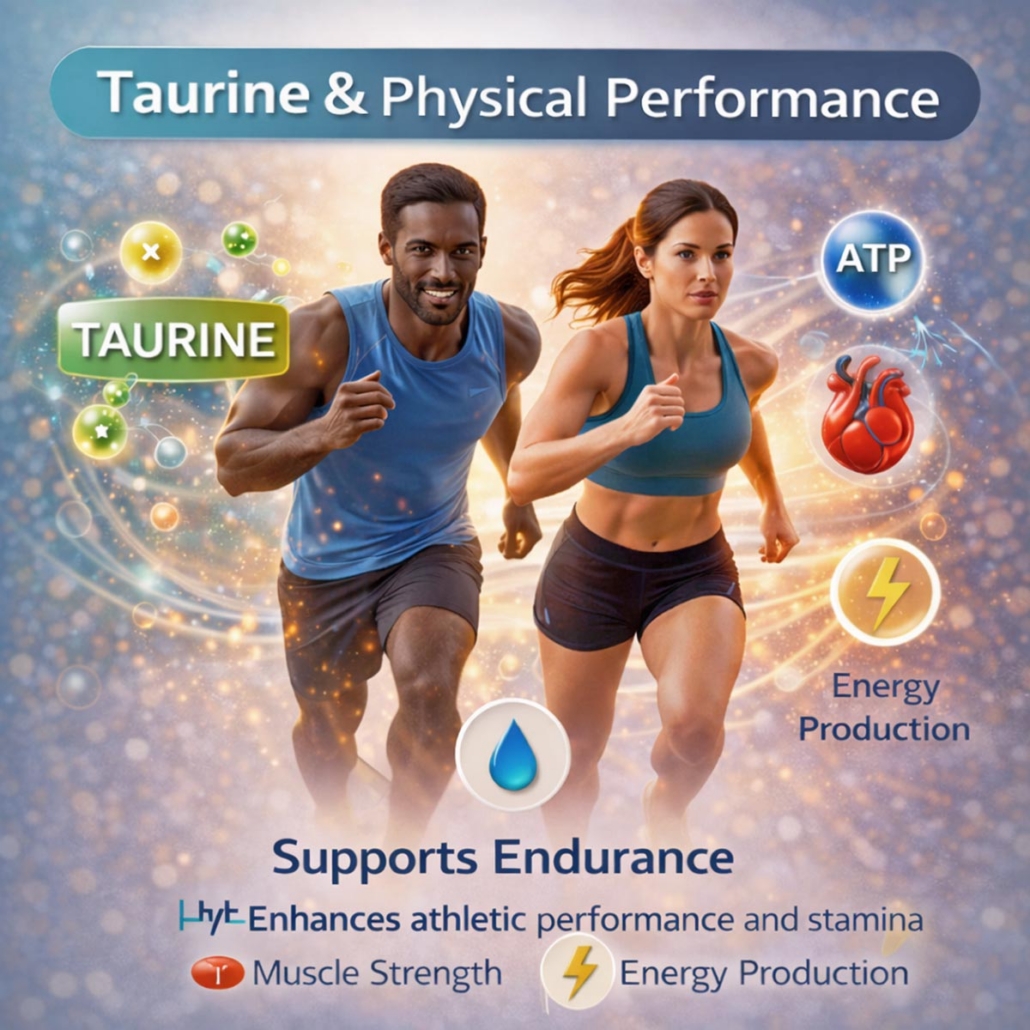
  • In sports nutrition formulations, taurine may help enhance hydration efficiency and support endurance performance during exercise.
  • Clinical evidence further suggests taurine may reduce fatigue and assist with post-workout recovery.
  • Because of its high solubility and relatively neutral taste, taurine works especially well in hydration powders, stick packs, and functional beverages.
  • Market demand for taurine continues to grow alongside consumer interest in energy drinks, sports nutrition, and longevity-focused products.
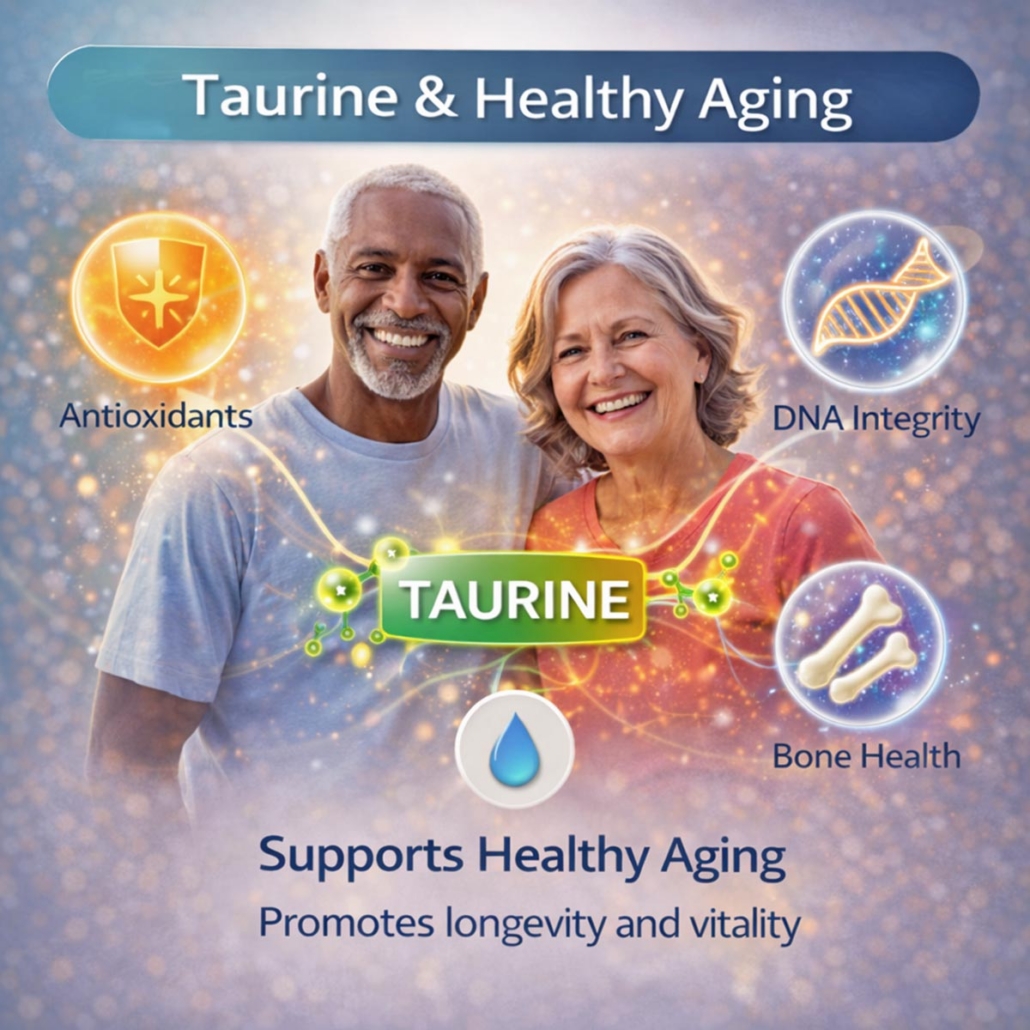
  • Emerging research also supports taurine’s role in metabolic health, neurological function, and healthy aging applications.
  • From a formulation standpoint, taurine offers strong stability and versatility across powders, capsules, and beverage systems.

What is Taurine?

Taurine has steadily evolved into one of the most versatile and strategically important ingredients in modern supplement development. Although many consumers still associate it with energy drinks, taurine delivers benefits that extend far beyond temporary stimulation. In today’s market, formulators increasingly use taurine to support hydration, cardiovascular function, metabolic health, cognitive performance, and healthy aging.

As a sulfur-containing amino sulfonic acid, taurine naturally occurs in high concentrations throughout muscle tissue, the brain, and the heart. However, unlike traditional amino acids, taurine does not build proteins. Instead, it helps regulate several foundational physiological processes that directly influence performance and wellness.

These functions include:

  • Cellular hydration
  • Electrolyte transport
  • Calcium signaling
  • Antioxidant defense

At the cellular level, taurine helps maintain fluid balance and osmotic stability. Consequently, it plays a critical role in hydration efficiency, endurance support, and recovery. Additionally, taurine influences electrolyte activity and muscle function, which makes it especially valuable in hydration and active lifestyle formulations.

At the same time, consumer preferences continue to shift toward multifunctional, science-backed ingredients with broad applications. Within this environment, taurine presents a compelling opportunity for supplement brands looking to differentiate their products.

Because it bridges the gap between performance and wellness, taurine fits naturally into formulations designed for active consumers, cognitive support, recovery, and long-term health optimization.

How It Works: The Power of Taurine

Taurine delivers broad physiological benefits through several key mechanisms:

Cellular Hydration and Electrolyte Balance

As a key osmolyte within the body, Taurine helps maintain proper fluid balance inside cells. In turn, this cellular hydration support promotes endurance, muscle performance, and post-exercise recovery — especially during periods of physical stress or intense activity.

Mitochondrial Support

At the cellular level, Taurine supports mitochondrial efficiency to help optimize energy production. Because of its role in cellular metabolism, it may contribute to sustained physical performance, cognitive function, and overall energy resilience throughout the day.

Neuromodulation

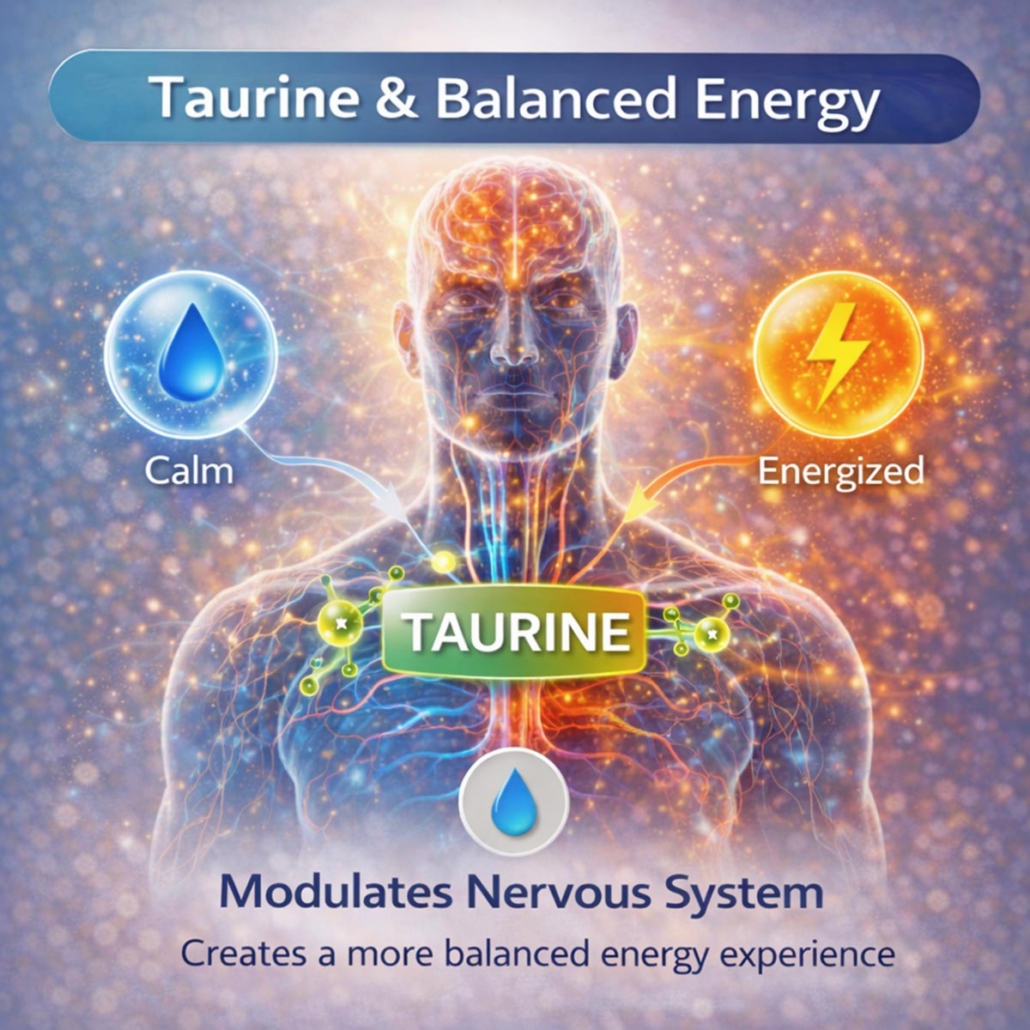
Through its interaction with GABA and glycine receptors, Taurine helps promote calm, focused energy without excessive stimulation. For this reason, formulators often include it in stimulant-based products designed to support balanced mood, mental clarity, and smoother energy experiences.

Cardiovascular Function

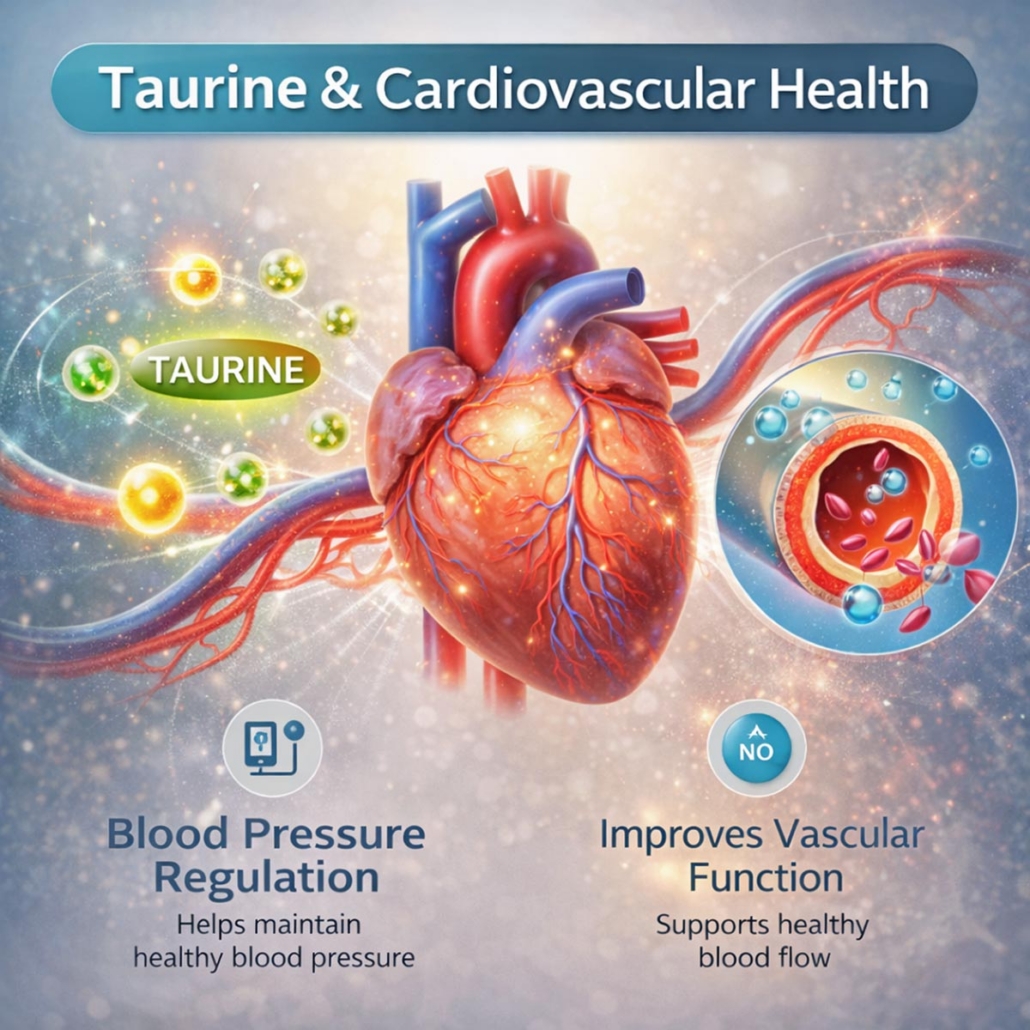
Within the cardiovascular system, Taurine supports healthy blood pressure, vascular tone, and cardiac contractility. Additionally, its role in electrolyte regulation may help maintain efficient circulatory and muscular function during exercise and daily activity.

Antioxidant and Anti-Inflammatory Activity

By helping neutralize oxidative stress, Taurine supports cellular integrity and overall immune resilience. At the same time, its anti-inflammatory properties may help the body respond more effectively to physical stress, environmental challenges, and recovery demands.

How Consumers Use Taurine for Hydration

Hydration products containing taurine are used across a range of daily and performance scenarios:

  • Pre-activity hydration: Supports fluid loading before workouts or endurance events
  • Intra-workout hydration: Maintains electrolyte balance and reduces fatigue
  • Post-workout recovery: Replenishes fluids and supports muscle recovery
  • Daily hydration: Used for general wellness, especially in active or dehydrating environments
  • Travel and lifestyle use: Supports hydration during flights, heat exposure, or high-stress conditions

This broad applicability makes taurine highly valuable across both athletic and lifestyle hydration categories.

Other Target Market Segments

Taurine is especially relevant for:

  • Sports and active nutrition brands
  • Cognitive and nootropic supplement lines
  • Hydration and electrolyte products
  • Cardiovascular and metabolic health formulas
  • Longevity and healthy aging brands

Flavoring & Sensory Experience

Taurine is generally neutral to slightly bitter, making it relatively easy to incorporate into flavored systems.

  • Mild, slightly bitter taste that is easy to mask
  • Minimal aftertaste compared to many amino acids
  • Performs well in citrus, berry, and tropical flavor systems
  • Works effectively in both still and carbonated beverages
  • Compatible with both natural and artificial sweeteners
  • Taurine works with sweeteners such as stevia, monk fruit, and erythritol
  • Maintains clarity in liquid applications

For premium formulations, taurine supports clean-label flavor systems without requiring aggressive masking strategies. Because supplement products rely heavily on repeat consumption, taurine’s clean sensory profile supports better user compliance and product satisfaction.

Strategic Opportunities & Key Takeaways

Taurine represents a rare convergence of performance, wellness, and longevity positioning.

As consumers move toward holistic health solutions, taurine offers brands a scientifically credible, highly versatile ingredient that enhances both efficacy and formulation flexibility.

For premium supplement brands, the opportunity lies in repositioning taurine beyond energy drinks into advanced, multi-benefit formulations that align with modern health priorities.

Market Trends: Taurine in Supplement Formulations

The taurine market is gaining momentum across several high-growth categories.

  • The global taurine market was valued at approximately $2.4 billion in 2022 and is projected to grow steadily due to demand in functional beverages and supplements.
  • Energy drink consumption continues to rise globally, driving taurine inclusion.
  • Longevity and metabolic health trends are expanding taurine’s positioning beyond performance.

Why This Category Is Growing

  • Increasing demand for multifunctional ingredients
  • Growth in hydration and performance nutrition categories
  • Rising interest in cellular health and longevity science
  • Consumer preference for clinically supported, recognizable ingredients

Formulation Considerations

Developing an effective taurine supplement requires more than simply adding the ingredient to a formula. To create a product that performs well and delivers a strong consumer experience, formulators must carefully balance solubility, flavor, stability, and ingredient synergy.

Solubility

Solubility

Because taurine dissolves easily in water, it works exceptionally well in hydration powders, stick packs, and ready-to-mix beverages.

Even at higher inclusion levels, it disperses quickly and helps maintain a smooth, consistent drinking experience. As a result, brands can formulate convenient products without compromising usability or texture.

Taste Masking

Taste Masking

Although taurine has a relatively mild sensory profile, higher doses can introduce subtle bitter or sulfur-like notes. Fortunately, citrus, berry, and tropical flavor systems help round out the profile while creating a cleaner finish.

In addition, balanced acidulants and natural sweetener systems can further improve palatability and encourage repeat use.

Consistency

Consistency

From a manufacturing perspective, taurine offers strong flowability and dependable blend uniformity. Consequently, it supports efficient powder processing, accurate dosing, and reliable capsule filling.

These characteristics become especially valuable in large-scale production environments where consistency directly impacts product quality.

Shelf Stability

Shelf Stability

Taurine maintains excellent stability under standard storage conditions, making it a dependable ingredient for long shelf-life products.

When paired with proper moisture-control systems and protective packaging, it retains potency and sensory quality over time. Therefore, formulators can confidently incorporate taurine into both premium and mainstream supplement formats.

Electrolyte Compatibility

Electrolyte Compatibility

In hydration formulas, taurine works synergistically with electrolytes such as sodium, potassium, and magnesium. Together, these ingredients support cellular hydration, fluid balance, and endurance performance.

For this reason, taurine has become increasingly popular in advanced hydration and active lifestyle formulations.

Dose Optimization

Dose Optimization

Most hydration and performance products include between 500 mg and 2,000 mg of taurine per serving, depending on positioning and intended use.

Lower doses support daily wellness and hydration, whereas higher inclusion levels typically target endurance, recovery, or cognitive performance. However, as dose levels increase, flavor balancing and cost management become increasingly important.

Stacking Opportunities

Stacking Opportunities

Taurine integrates smoothly into a wide range of modern supplement categories. For example, brands frequently combine it with caffeine for balanced energy, magnesium for relaxation and recovery, or creatine for performance support.

Additionally, taurine pairs effectively with nootropics, adaptogens, and electrolyte systems, allowing formulators to build more comprehensive, multifunctional products.

The Future of Taurine Supplements

Taurine is no longer just an energy drink ingredient. It’s a foundational component of next-generation supplement design.

Its broad physiological impact, strong safety profile, and formulation versatility make it a strategic asset for brands seeking to innovate across performance, hydration, and longevity categories.

At Intermountain Nutrition, we help brands develop science-backed, market-ready formulations that leverage ingredients like taurine for real functional impact. Connect with our team to build your next high-performance product.

Frequently Asked Questions

Taurine supports multiple physiological systems, making it a highly versatile ingredient. It plays a key role in cellular hydration, mitochondrial function, and electrolyte balance, which directly impacts physical performance and endurance.

Additionally, taurine contributes to cardiovascular health by supporting blood pressure regulation and vascular function. It also acts as a neuromodulator, promoting calm focus and reducing overstimulation when paired with stimulants like caffeine.

Because of these combined effects, taurine is widely used in performance, cognitive, and general wellness formulations.

Taurine has a strong safety profile and is generally recognized as safe (GRAS) when used within recommended dosage ranges. Most clinical studies use doses between 500 mg and 3,000 mg per day without adverse effects.

The body naturally contains taurine, and supplementation helps support physiological demand, particularly in active individuals or aging populations. However, as with any ingredient, brands should ensure proper labeling, dosage alignment, and regulatory compliance based on their target market.

Unlike standard amino acids, taurine is not incorporated into proteins. Instead, it functions as a regulatory compound involved in hydration, electrolyte balance, and cellular signaling.

This distinction gives taurine a unique role in maintaining physiological stability rather than building tissue. Its function as an osmolyte and neuromodulator sets it apart from branched-chain amino acids (BCAAs) or essential amino acids (EAAs), which are primarily associated with muscle protein synthesis.

Taurine is included in energy drinks because it complements stimulants like caffeine. While caffeine increases alertness, taurine helps modulate nervous system activity, reducing jitteriness and supporting smoother energy delivery.

Additionally, taurine supports hydration and endurance, which enhances overall performance. This combination creates a more balanced and functional energy experience, which is why taurine remains a staple in the category.

Yes, taurine is highly effective in hydration formulations. Its role as an osmolyte helps regulate fluid balance within cells, which improves hydration efficiency.

When combined with electrolytes like sodium, potassium, and magnesium, taurine enhances cellular water uptake and supports sustained performance. Its high solubility and neutral taste profile also make it easy to incorporate into drink mixes and ready-to-mix formats.

Yes, taurine offers benefits beyond athletic performance. Everyday consumers can benefit from taurine’s role in maintaining hydration, especially in situations involving heat, travel, stress, or inadequate fluid intake.

Additionally, taurine supports cardiovascular and neurological function, which contributes to overall wellness. As hydration products expand into lifestyle categories, taurine helps deliver added value by supporting both hydration and broader physiological health.

References

Chen, W., et al. (2023). Taurine supplementation and its role in aging and healthspan. Nutrients.

Zhang, M., et al. (2022). Taurine supplementation improves metabolic and cardiovascular outcomes. Advances in Experimental Medicine and Biology.

Waldron, M., et al. (2018). The effects of an oral taurine dose and supplementation period on endurance exercise performance in humans: A meta-analysis. Sports Medicine.

Ripps, H., & Shen, W. (2012). Review: Taurine: A “very essential” amino acid. Molecular Vision, 18, 2673–2686.

Grand View Research. (2024). Taurine supplements market size, share & trends analysis report.

Shao, A., & Hathcock, J. N. (2008). Risk assessment for the amino acids taurine, L-glutamine and L-arginine. Regulatory Toxicology and Pharmacology, 50(3), 376–399.

Related Postings

Bees Using Propolis As a to Build the Honeycomb Structure of Their Hive
ingredients used for formulating and manufacturing nutritional supplements for immunity support
Beta-Glucans For Immune Supplements