Proanthocyanidins: The Science Behind a High-Impact Antioxidant Ingredient for Supplement Brands

August 31, 2026 |

Proanthocyanidins (PACs) are plant-derived polyphenols that give supplement brands versatile opportunities across antioxidant, cardiovascular, urinary health, healthy aging, and beauty-from-within formulations.

At a Glance: Proanthocyanidins for Supplement Formulation

  • Proanthocyanidins are polyphenols composed of oligomeric or polymeric flavan-3-ol units and are also known as condensed tannins.
  • Common botanical sources include grapes, cranberries, cocoa, apples, berries, and other plant materials. However, the PAC composition can differ considerably among sources.
  • A-type and B-type PACs have different interflavan linkages. B-type PACs predominate in sources such as grapes and cocoa, while cranberry is an important source of A-type structures.
  • Molecular size matters. Smaller flavan-3-ols and some oligomers follow different absorption and metabolic pathways than larger polymeric PACs, many of which reach the colon and interact with the gut microbiota.
  • PACs have applications across several supplement categories. Depending on the botanical source and supporting evidence, brands may evaluate them for antioxidant, cardiovascular, urinary health, metabolic health, healthy-aging, and beauty-from-within formulations.
  • Ingredient specifications matter as much as the ingredient name. Brands should evaluate botanical source, PAC profile, degree of polymerization, standardization, analytical method, stability, and supporting evidence before selecting an extract.
  • Sensory performance deserves attention in powders. As condensed tannins, PAC-rich ingredients can contribute bitterness and astringency, which may affect flavor, mouthfeel, and repeat use.

Proanthocyanidins Are More Than Antioxidant Ingredients

Proanthocyanidins are not a single ingredient. Instead, they are a diverse family of plant-derived polyphenols whose structure, source, molecular size, and degree of polymerization can influence how they behave in a finished supplement and after consumption. Researchers commonly classify PACs as condensed tannins composed of two or more flavan-3-ol units.

Why Supplement Brands Are Paying Attention to PACs

For supplement brands, that diversity creates both opportunity and complexity. Grape seed, cranberry, pine bark, cocoa, and other botanical sources can supply proanthocyanidins. However, they are not necessarily interchangeable.

For example, cranberry is particularly notable for A-type proanthocyanidins, while grapes and cocoa predominantly contain B-type PAC structures. These structural differences matter when selecting an extract for a specific formulation objective.

PACs also offer broad formulation potential because research continues to investigate their local and systemic biological activities. Their effects cannot be explained simply by treating them as compounds that circulate intact after absorption. Molecular size, gastrointestinal metabolism, microbial transformation, and resulting metabolites all contribute to their biological fate.

For brands, this means the strongest PAC formulation strategy starts with the intended benefit and works backward. Source, PAC type, standardization, analytical method, dose, delivery format, and sensory profile should all support the product’s positioning.

What Are Proanthocyanidins?

Understanding PAC chemistry helps brands make better decisions about ingredient sourcing, clinical substantiation, formulation, and product positioning.

PACs Are a Family of Flavan-3-ol Polyphenols

Proanthocyanidins are oligomers and polymers formed from flavan-3-ol building blocks. Catechin and epicatechin are among the best-known flavan-3-ols associated with these structures. Because the units can connect in different ways and form chains of different lengths, the term “proanthocyanidins” encompasses a chemically diverse group rather than one uniform molecule.

You may also see proanthocyanidins called condensed tannins. The term oligomeric proanthocyanidins, or OPCs, is commonly used for shorter-chain forms, although terminology and analytical definitions can vary.

That distinction becomes important when comparing raw materials. Two extracts marketed as sources of proanthocyanidins may have different botanical origins, PAC compositions, molecular-weight distributions, and analytical specifications. As a result, an impressive percentage on a specification sheet does not automatically establish equivalence to another extract or to an ingredient used in published research.

Key Takeaway: For supplement development, “proanthocyanidins” should be treated as an ingredient family. Brands need to understand which PACs are present, where they come from, how they are measured, and whether the specification aligns with the intended product benefit.

A-Type vs. B-Type Proanthocyanidins

One of the most useful distinctions for product developers is the difference between A-type and B-type PACs.

B-type PACs contain a single interflavan linkage between their flavan-3-ol units and are widespread in plants. Grapes and cocoa, for example, predominantly contain B-type PACs. A-type PACs contain an additional ether linkage, creating a structurally different molecule. Cranberries are an important dietary source of A-type PACs.

This distinction is more than chemical nomenclature. Botanical source and PAC structure can affect the evidence available for a specific application. Therefore, brands should avoid assuming that an equal milligram amount of PACs from two botanical sources will necessarily provide the same functional positioning.

Key Takeaway: Match the PAC source and structural profile to the intended application rather than selecting an extract based only on total polyphenol or PAC content.

What Supplement Brands Need to Know About PAC Selection

Choosing a proanthocyanidin ingredient requires more than finding a botanical extract with an attractive specification. Brands should connect ingredient chemistry with the evidence, manufacturing requirements, consumer experience, and claims strategy.

1. Botanical Source Can Change the Formulation Story

Grape seed extract, cranberry extract, pine bark, and other PAC-rich botanicals each bring a different chemical profile and consumer story. Consequently, the best source depends on the formulation objective.

For example, cranberry-derived PACs are strongly associated with urinary health research and A-type structures. Grape-derived proanthocyanidins, meanwhile, are primarily B-type PACs and may fit more naturally into antioxidant or cardiovascular-positioned products.

The botanical source can also affect color, flavor, astringency, cost, supply-chain requirements, and analytical testing. These differences become particularly important in flavored powders, where the active ingredient directly influences the sensory experience.

Key Takeaway: Choose the botanical source according to the desired benefit, evidence base, format, and consumer experience, not simply the highest available PAC percentage.

2. Bioavailability Is More Complex Than More Absorption Is Better

PAC bioavailability is frequently oversimplified. In reality, chain length and molecular structure strongly influence what happens after consumption.

Smaller flavan-3-ols can undergo absorption and extensive metabolism, while larger proanthocyanidins have limited intact absorption. Many compounds that escape small-intestinal absorption reach the colon, where the microbiota transform them into smaller metabolites. A systematic review of human flavan-3-ol studies identified numerous circulating metabolites, including microbial catabolites such as phenyl-γ-valerolactones.

Therefore, poor absorption of an intact high-molecular-weight PAC does not automatically mean the ingredient lacks biological relevance. Instead, formulators should consider the complete metabolic pathway and determine whether the selected extract resembles the material evaluated in supporting research.

Key Takeaway: Evaluate PAC structure, degree of polymerization, metabolism, and clinical evidence together rather than relying on a generalized bioavailability claim.

3. Standardization & Testing Need to Support the Claim

A label that states “cranberry extract” or “grape seed extract” tells a formulator relatively little about the actual PAC composition. Standardization can provide greater consistency, but only when the analytical method and specification are appropriate for the ingredient.

Different analytical methods can produce different measurements of polyphenols and proanthocyanidins. Therefore, procurement and R&D teams should understand what is being measured, which method the supplier uses, and whether that method corresponds with the research supporting the finished product.

Brands should also verify identity, potency, contaminants, microbial specifications, and stability as appropriate for the finished formula. This becomes especially important when a specific standardized PAC level supports product positioning.

At Intermountain Nutrition, these considerations can be addressed during formulation development so ingredient selection, manufacturing feasibility, sensory performance, and quality requirements work together rather than becoming separate decisions later in commercialization.

Key Takeaway: A strong PAC specification should connect botanical identity, analytical methodology, standardized content, formulation requirements, and supporting evidence before the product reaches scale.

How Proanthocyanidins Work in the Body

Proanthocyanidins are often described simply as antioxidants. However, their biological activity is more complex. Their effects depend on PAC structure, degree of polymerization, metabolism, botanical source, and interactions within the gastrointestinal tract.

Antioxidant Activity & Oxidative Stress

Proanthocyanidins can interact with reactive oxygen and nitrogen species in experimental systems. In addition, research suggests that PACs and their metabolites may influence cellular pathways associated with oxidative balance and inflammatory signaling.

However, supplement brands should avoid reducing this science to claims that PACs simply “neutralize free radicals” throughout the body.

Larger PACs have limited intact absorption, while smaller compounds and microbial metabolites may contribute to systemic activity.

This distinction matters when developing antioxidant products.

Rather than relying on an ingredient’s antioxidant capacity measured in a laboratory assay, formulators should consider human evidence, dose, PAC composition, and metabolite activity.

Proanthocyanidins are Antioxidant Ingredients
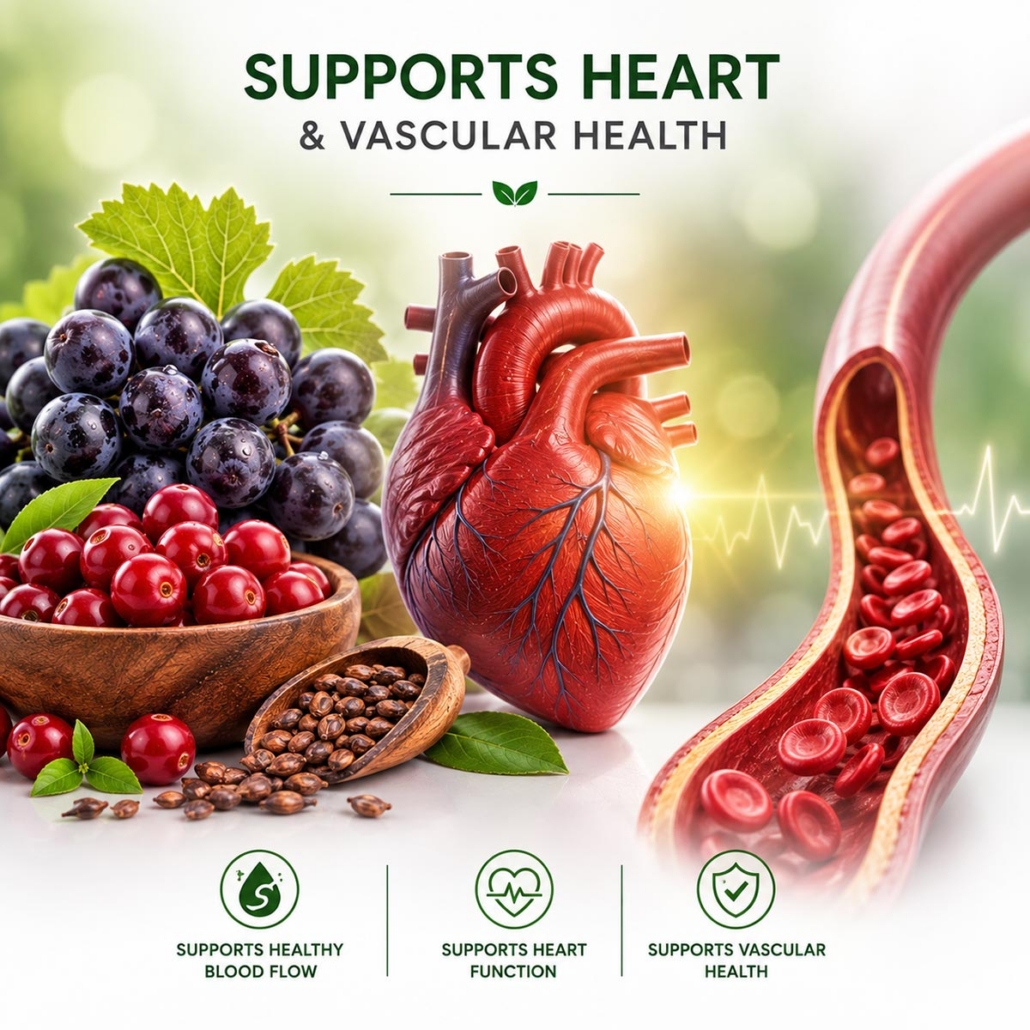
Proanthocyanidins for Cardiovascular Wellness Supplements

Cardiovascular & Vascular Function

Grape seed extract is one of the most extensively studied PAC-rich ingredients for cardiovascular applications.

Research has evaluated grape seed extracts for their potential effects on blood pressure, lipid parameters, endothelial function, and other cardiovascular risk markers.

The National Center for Complementary and Integrative Health notes that human research exists for grape seed extract, although evidence varies by outcome and additional research remains necessary.

This makes cardiovascular health an interesting formulation opportunity.

Still, brands should match finished-product positioning to the specific extract and evidence rather than extrapolating findings from one grape seed ingredient to all proanthocyanidins.

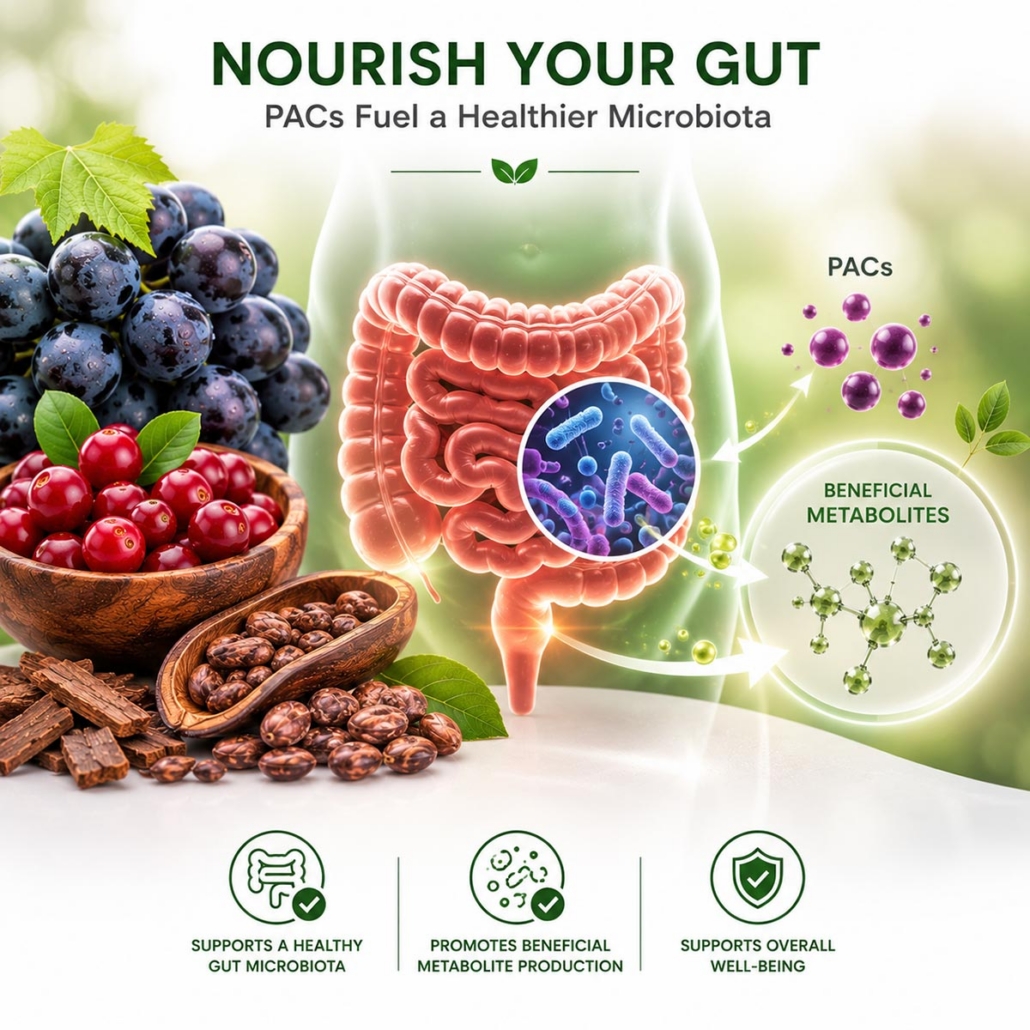
Gut Microbiota & PAC Metabolism

The gastrointestinal tract may play an important role in PAC activity.

Higher-molecular-weight proanthocyanidins are poorly absorbed intact and can reach the colon, where gut microorganisms metabolize them into smaller phenolic compounds.

Research on grape seed PACs suggests a potentially bidirectional relationship between these compounds and the gut microbiota.

However, researchers also emphasize that individual differences in microbial ecology may influence PAC metabolism and biological effects.

This emerging area could eventually create new opportunities for gut-health and healthy-aging formulations. For now, brands should distinguish promising mechanistic research from benefits supported by robust human clinical evidence.

Proanthocyanidins for a Healthy Gut Microbiota

Key Takeaway

Proanthocyanidins work through multiple pathways. Therefore, the strongest products connect PAC structure, metabolism, botanical source, clinical evidence, and intended health positioning rather than relying on antioxidant activity alone.

Key Proanthocyanidin Sources and Synergistic Ingredients

There is no single “best” source of proanthocyanidins. Instead, brands should select a botanical source based on the intended benefit, evidence, sensory requirements, and finished-product positioning.

Blackcurrant Proanthocyanidin Supplement Ingredients

Blackcurrant

Ribes nigrum

Blackcurrant is a rich source of anthocyanins and contains complementary polyphenols, including proanthocyanidin-like compounds that contribute to its strong antioxidant profile.

It’s widely used in formulations targeting eye health, circulation, and oxidative stress support.

Blackcurrant also offers excellent synergy with other berry-derived ingredients, enhancing overall polyphenolic diversity and functional efficacy in blended botanical systems.

Potential Pairings: grape seed extract, pine bark extract (Pycnogenol), cranberry, bilberry, green tea extract, and cocoa flavanols.

Apple Proanthocyanidin Supplement Ingredients

Apple

Malus domestica

Apples contain both A-type and B-type proanthocyanidins, with B-type being more prevalent. Apple-derived ingredients are commonly used in antioxidant, cardiovascular support, digestive health (fiber and pectin), weight management, and polyphenol/immune support supplement categories.

They’re often valued in formulations emphasizing clean-label positioning and familiar fruit-based ingredients. Apple polyphenols may also provide synergistic antioxidant support when combined with other berry- and seed-derived proanthocyanidin sources, enhancing overall functional diversity in multi-botanical blends.

Potential pairings: Vitamin C, collagen, green tea extract, and citrus bioflavonoids.

Grape Seed Extract Proanthocyanidin Supplement Ingredients

Grape Seed Extract

Vitis vinifera

Also known as: grape seed, grape seed polyphenols, grape seed proanthocyanidins, grape seed OPCs

Grape seed extract provides predominantly B-type proanthocyanidins and has a well-established presence in antioxidant and cardiovascular supplement categories. Human studies have evaluated grape seed extracts for cardiovascular risk factors, although results vary across endpoints and formulations.

Potential pairings: CoQ10, magnesium, vitamin C, quercetin, resveratrol.

Cranberry Proanthocyanidin Supplement Ingredients

Cranberry

Vaccinium macrocarpon

Cranberry is particularly notable because it contains A-type proanthocyanidins. Consequently, it has a distinctive position in urinary health formulations.

Importantly, the FDA has exercised enforcement discretion for specific qualified health claims relating certain cranberry products to reduced risk of recurrent urinary tract infections in healthy women.

The FDA describes the supporting evidence as limited, and the permitted language and product criteria are specific. Therefore, brands should not interpret this as a blanket authorized claim for all cranberry or PAC supplements.

Potential pairings: D-mannose, select probiotic strains, vitamin C.

Pine Bark Extract Proanthocyanidin Supplement Ingredients

Pine Bark Extract

Pinus species

Also known as: French maritime pine bark extract

Pine bark extracts can provide proanthocyanidins alongside other polyphenolic compounds. They appear in cardiovascular, healthy-aging, circulation, and antioxidant products.

However, evidence should be evaluated according to the specific standardized extract. A Cochrane review evaluating pine bark supplementation across several chronic conditions found that available evidence was insufficient to draw definitive conclusions for many proposed uses.

Potential pairings: Vitamin C, CoQ10, grape seed extract, quercetin.

Cocoa Proanthocyanidin Supplement Ingredients

Cocoa

Theobroma cacao

Also known as: cacao, cocoa flavanols, cocoa polyphenols, cacao polyphenols

Cocoa contains flavan-3-ols and B-type procyanidins. For formulators, however, cocoa-derived ingredients can differ substantially in flavanol composition depending on processing and standardization.

Therefore, brands interested in cocoa should evaluate the actual flavanol and procyanidin specification rather than assuming that all cocoa powders or extracts provide comparable concentrations.

Potential pairings: Magnesium, berry polyphenols, functional mushroom ingredients, protein or nutrition powder systems.

Choosing Synergies Based on the Product Goal

Synergistic combinations should support a coherent consumer benefit rather than create an unnecessarily crowded label. For example, cranberry PACs plus D-mannose can create a focused urinary-health story. Meanwhile, grape seed extract combined with CoQ10 may support cardiovascular positioning.

For beauty-from-within products, PAC-rich grape seed extract can also complement vitamin C and collagen-based formulas. In each case, the combination should consider dose, evidence, compatibility, sensory performance, and claims strategy.

Key Takeaway: Build around the intended outcome first. Then select the PAC source and complementary ingredients that create the most scientifically coherent formulation.

Proanthocyanidin Source Comparison for Supplement Formulation

Choosing a proanthocyanidin ingredient requires more than comparing the PAC percentage on supplier specifications. Botanical source, PAC structure, research alignment, sensory characteristics, analytical methodology, and intended positioning should all inform the decision. This comparison chart may be used as a starting point when evaluating PAC-rich ingredients for a new supplement.

Botanical Source PAC Type / Structure Primary Applications Sensory Profile Standardization / Notes Common Co-factors
Cranberry (Vaccinium macrocarpon) Predominantly A-type proanthocyanidins Urinary tract health, microbiome support, antioxidant support Tart, slightly bitter, astringent at higher doses DMAC commonly used for PAC quantification; does not distinguish linkage types; variability depends on extraction and cultivar Organic acids, vitamin C, other berry polyphenols
Grape Seed (Vitis vinifera) Mostly B-type proanthocyanidins (OPCs) with varying polymerization Cardiovascular support, circulation, antioxidant protection Mild, slightly bitter, low flavor impact in extracts Often standardized to OPC content; high variability in degree of polymerization across suppliers Flavonoids, linoleic acid traces
Pine Bark (Pinus pinaster) B-type proanthocyanidins with high oligomer content Vascular function, skin health, cognitive support Strongly astringent, woody, bitter Often standardized as Pycnogenol®-like profiles; bioactivity linked to oligomeric fraction Phenolic acids, catechins
Apple (Malus domestica) B-type proanthocyanidins, often high polymerization Gut health, metabolic support, antioxidant blends Mild fruit tannin, slightly sweet-tart PAC content varies widely by cultivar and processing; often under-characterized in supplements Quercetin, pectin, flavanols
Cocoa (Theobroma cacao) B-type proanthocyanidins with flavanol-rich matrix Cardiometabolic health, mood support, vascular function Bitter, chocolate-like, strong polyphenol taste High flavanol content but PAC fraction varies; processing (alkalization) significantly impacts levels Theobromine, catechins, magnesium
Blackcurrant (Ribes nigrum) Contains B-type proanthocyanidins alongside anthocyanins and other polyphenols Eye health, immune support, vascular function, antioxidant-rich berry blends Deep, dark berry flavor with pronounced tartness and potential astringency at higher concentrations Clearly distinguish anthocyanin-driven activity from PAC content; standardization should specify PACs vs anthocyanins vs total polyphenols; strong cultivar dependence Anthocyanins, vitamin C, zinc, other berry polyphenols

How to Use This Chart

The best PAC source depends on the job the ingredient needs to perform. A cranberry extract should not automatically replace grape seed because both provide proanthocyanidins. Likewise, a high-PAC specification does not establish that one ingredient is superior to another.

When comparing suppliers, brands should evaluate five questions:

  1. Which botanical source and plant part provide the PACs?
  2. Which PAC structures and molecular fractions characterize the extract?
  3. How is the PAC or OPC content measured?
  4. Does the commercial ingredient align with research supporting the intended positioning?
  5. Will the ingredient perform successfully at the target dose, format, and sensory profile?

For cranberry in particular, analytical methodology deserves close attention. DMAC is an established approach for quantifying soluble PACs, but a recent multilaboratory analysis notes that results can vary with factors such as extraction conditions, reagents, timing, sample matrix, and reference standards. The method also does not differentiate A-type from B-type linkages.

Why Degree of Polymerization Belongs in the Conversation

There is another variable brands rarely see in a simple ingredient comparison: degree of polymerization (DP), or essentially how many flavan-3-ol units are linked together.

This characteristic can influence metabolism, solubility, stability, protein interactions, and sensory behavior. Current reviews identify structural diversity and polymerization degree as important determinants of PAC functionality and formulation performance.

It can also affect consumer experience. PAC interactions with salivary proteins contribute to astringency, and research indicates that polymerization, galloylation, stereochemistry, and other structural characteristics can influence bitterness and drying sensations.

Key Takeaway: Don’t select a proanthocyanidin ingredient by asking, “Which source has the most PACs?” Instead, ask, “Which PAC profile best matches our target benefit, evidence, dose, format, sensory requirements, and claims strategy?” That question leads to a much stronger commercial formulation.

Flavoring & Sensory Experience with Proanthocyanidins

Sensory performance can become one of the most important formulation challenges when PAC-rich extracts move beyond capsules and into powders. Because proanthocyanidins are condensed tannins, they can produce bitterness, dryness, puckering, and astringency.

Why Proanthocyanidins Taste Astringent

Astringency is different from bitterness. Bitterness involves taste receptors, while astringency is generally perceived as a drying, rough, or puckering oral sensation.

PAC structure influences that sensory response. Research indicates that factors such as polymer size, galloylation, stereochemistry, and interflavan linkages can influence bitterness and astringency. Larger procyanidin structures may produce greater astringency, while lower-molecular-weight compounds can contribute more strongly to bitterness in some systems.

Therefore, two PAC-rich extracts at similar labeled doses may not produce the same sensory profile.

Flavor Systems Should Work With the Botanical

Fruit-forward flavor systems can provide a natural fit for many PAC formulations. Cranberry, mixed berry, grape, pomegranate, cherry, and other tart profiles can make botanical notes feel intentional rather than simply covered up.

However, adding sweetness alone may not solve astringency. Beverage research shows that pH, sweetness, viscosity, and the surrounding formulation matrix can all affect the perception of polyphenol bitterness and astringency.

For this reason, successful masking often requires a complete sensory system rather than one flavor or sweetener.

Consumer Experience Is a Formulation Requirement

For daily-use supplements, taste affects more than the first impression. An overly drying finish or lingering bitterness can undermine repeat use, even when the formula looks compelling on paper.

Consequently, sensory evaluation should begin during development—not after the active formula has been finalized. Early bench testing allows formulators to balance PAC dose, acids, sweeteners, flavors, mouthfeel, and complementary ingredients before scaling.

Key Takeaway: In flavored PAC products, astringency management should be part of the core formulation strategy. A technically effective formula still needs to deliver an experience consumers want to repeat.

Why Proanthocyanidins Make Your Mouth Feel Dry

Take a sip of strong black tea, taste an underripe fruit, or try a concentrated cranberry extract and you may notice an immediate dry, puckering sensation. That sensation is astringency—and proanthocyanidins are particularly good at producing it.

Interestingly, astringency is more than a formulation nuisance. The chemistry behind that dry-mouth sensation reveals something fundamental about how PACs interact with proteins.

Astringency Isn’t Actually a Taste

Sweetness, bitterness, sourness, saltiness, and umami involve specialized taste receptors. Astringency works differently.

Researchers generally describe astringency as a complex oral sensation involving interactions between polyphenols and components of saliva, particularly salivary proteins. Proanthocyanidins can bind with these proteins and alter the lubricating properties of saliva. The resulting changes contribute to sensations consumers describe as drying, rough, puckering, or mouth-coating.

That explains why simply adding more sweetener to a PAC-rich powder may reduce bitterness yet leave an unpleasant drying sensation behind. The formulator is dealing with two different sensory phenomena.

PAC Structure Can Change the Experience

Not every proanthocyanidin produces exactly the same sensory effect.

Research indicates that factors including degree of polymerization, molecular structure, concentration, and interactions with other components of the food or beverage matrix can influence perceived astringency.

In general, increasing molecular size can strengthen interactions between tannins and proteins. However, the relationship is complex, and PAC composition matters alongside concentration. (Food & Function)

This means two extracts delivering a similar amount of PACs can potentially create noticeably different consumer experiences.

The Protein-Binding Ability Is Scientifically Interesting

Here is where the chemistry becomes especially compelling.

The ability of tannins to associate with proteins is not unique to saliva. Protein binding is a fundamental characteristic of many tannin-polyphenol interactions. Researchers study these interactions to understand everything from plant defense mechanisms to food chemistry and biological activity.

Therefore, the puckering sensation consumers notice provides a surprisingly tangible demonstration of PAC chemistry.

In other words, consumers can sometimes feel an expression of the molecular behavior of the ingredient.

That does not mean astringency itself indicates potency or efficacy. A more astringent product is not necessarily a more effective one. However, understanding why the sensation occurs gives formulators another way to think about PAC structure and ingredient behavior.

Astringency Can Become Part of Product Design

The instinct in supplement development is often to eliminate every trace of bitterness or astringency. That may not always produce the most compelling sensory experience.

For certain products, controlled tartness and mild astringency can reinforce the botanical identity. Cranberry, pomegranate, grape, dark berry, and similar flavor profiles naturally accommodate some drying character.

The objective becomes balance rather than complete elimination.

For example, a slightly tart cranberry urinary-wellness powder may feel more authentic than an intensely sweet formula in which the botanical character disappears entirely. Conversely, a beauty-from-within powder positioned as smooth and indulgent may require substantially greater astringency control.

Formulators Should Mask the Problem, Not the Ingredient

This distinction creates a useful sensory-development principle.

Instead of asking, “How do we completely hide the PAC extract?”, formulators can ask, “Which characteristics should we soften, and which can support the intended experience?”

Acid balance, sweetener selection, flavor architecture, mouthfeel modifiers, serving concentration, temperature, and complementary ingredients can all influence perception. Sensory development should therefore happen alongside active formulation rather than after the formula has been locked.

Ultimately, a well-designed PAC product does not have to taste as though the active ingredient is absent. It needs to taste intentional.

Key Takeaway: The dry, puckering sensation associated with PAC-rich botanicals provides a window into their chemistry. Because proanthocyanidins interact with salivary proteins, astringency is fundamentally different from bitterness. Understanding that distinction allows supplement brands to move beyond basic taste masking and design a sensory experience that complements the botanical, benefit, and product positioning.

Formulation Considerations for Proanthocyanidin Supplements

Formulating with proanthocyanidins requires careful control of ingredient identity, standardization, dose, sensory performance, stability, and finished-product testing.

The goal is to preserve the intended PAC profile while creating a scalable product that delivers consistent quality throughout its shelf life.

Key Considerations During Product Development

  • Standardization and analytical methodology: Specify what the extract is standardized to and how that value is measured. Because analytical methods can produce different PAC estimates, brands should avoid comparing supplier percentages without understanding the underlying test methodology.
  • Botanical source and PAC profile: Confirm the plant species, plant part, extraction method, and relevant PAC characteristics. For benefit-specific formulations, determine whether A-type, B-type, oligomeric, or broader polymeric PAC profiles are most relevant to the supporting research.
  • Dose optimization: Base the target dose on evidence for the specific botanical extract whenever possible. Avoid assuming that equal milligram quantities of cranberry, grape seed, pine bark, or other PAC-rich ingredients provide equivalent functionality.
  • Solubility and dispersion: Evaluate extract behavior in the intended delivery system. In powders, poor dispersion, sedimentation, color variation, or interaction with other botanical ingredients can affect finished-product quality.
  • Taste masking and sensory profile: Expect potential bitterness and astringency, particularly at meaningful doses. PAC composition and polymer size can affect sensory perception, so bench testing should use the actual commercial ingredient, not simply a generic botanical substitute.
  • Consistency: Establish specifications for color, flavor, potency, moisture, particle characteristics, and other attributes that could vary between botanical lots. Natural extracts can introduce variability that becomes more noticeable in powders and other sensory-forward products.
  • Shelf stability: Evaluate PAC potency and overall product quality under the intended packaging and storage conditions. Moisture, oxygen, processing conditions, and interactions with other formula components should be considered during stability planning.
  • Claims and regulatory strategy: Build claims around the finished product’s evidence and applicable regulatory framework. In particular, brands should distinguish structure/function claims from disease-risk claims. The FDA’s cranberry qualified health claim, for example, applies under specific conditions and does not establish a universal UTI claim for cranberry supplements.
  • Finished-product verification: Confirm identity, potency, microbial quality, heavy metals, and other relevant specifications using appropriate testing. When PAC content is central to product positioning, verify that the finished product continues to meet its targeted specification rather than relying only on the raw-material certificate of analysis.

Key Takeaway: Successful PAC formulation requires more than adding a standardized botanical extract. Brands should connect source, chemistry, analytical testing, clinical relevance, sensory performance, stability, and claims from the beginning of development.

The PAC–Microbiome Connection: What Happens to PACs You Don’t Absorb?

One of the most interesting things about proanthocyanidins happens to the portion the body doesn’t absorb intact.

Because many PACs, particularly larger polymers, have limited absorption in the small intestine, substantial amounts can continue into the colon. There, the gut microbiota become part of the story.

Your Gut Microbes Help Transform Proanthocyanidins

Colon bacteria can break down flavan-3-ols and related compounds into smaller phenolic metabolites. Research by the European Journal of Nutrition has identified microbial metabolites such as phenyl-γ-valerolactones and phenylvaleric acids following flavan-3-ol consumption. These compounds can subsequently undergo additional metabolism and enter circulation.

This changes how we should think about PAC “bioavailability.”

Traditionally, formulators might assume that an ingredient with poor intact absorption has limited biological value. With polyphenols, however, that can be an incomplete picture. The parent compound is only one part of the exposure pathway.

Bigger PACs May Have a Different Destination

PAC chain length helps determine what happens after ingestion. Smaller flavan-3-ols and some oligomers can follow different metabolic pathways than larger polymeric proanthocyanidins.

Larger structures are generally less likely to cross the intestinal barrier intact. Instead, they can remain in the gastrointestinal tract, where interactions with the intestinal environment and microbial metabolism become increasingly important.

Therefore, “more absorbable” should not automatically be interpreted as “better.” Different PAC fractions may simply have different biological destinations and mechanisms.

The Relationship May Work in Both Directions

The interaction becomes even more interesting because researchers are investigating whether polyphenols merely serve as substrates for gut microbes—or whether they may also influence the microbial community itself.

Reviews of proanthocyanidins and gut microbiota describe a potentially bidirectional relationship: microorganisms transform PACs into metabolites, while PAC exposure may influence microbial populations and activity.

However, much of this research remains preclinical or mechanistic, so brands should avoid turning an emerging area of science into definitive microbiome claims. (Food Bioscience)

Why Two People May Respond Differently

Microbiome metabolism also introduces another intriguing possibility: people may not process the same polyphenol-rich ingredient identically.

Gut microbial communities vary substantially between individuals. Consequently, the types and quantities of metabolites produced after consuming flavan-3-ols can vary as well.

Researchers sometimes refer to these differing patterns as metabotypes—metabolic phenotypes influenced partly by an individual’s microbiota. This concept is contributing to a broader scientific discussion about personalized nutrition and why responses to the same dietary compounds may differ between people.

What This Could Mean for Future Supplement Innovation

The PAC–microbiome relationship opens an intriguing research frontier for supplement brands.

Future formulations may move beyond asking simply, “How much of this ingredient gets absorbed?” Instead, product developers may increasingly ask:

  • What reaches the colon?
  • Which microbial metabolites are produced?
  • How does PAC structure affect microbial metabolism?
  • Do complementary ingredients influence those pathways?
  • Could different PAC profiles support different nutritional applications?

The science is not yet mature enough to support sweeping product claims. Nevertheless, it changes how formulators can think about polyphenol bioavailability and provides a compelling direction for future research.

Key Takeaway: Low intact absorption does not tell the entire proanthocyanidin story. For many PACs, reaching the gut microbiota may be part of the biological journey rather than the end of it—making the PAC–microbiome relationship an important area to watch in next-generation polyphenol formulation.

Why 95% PACs May Not Mean What You Think

A supplement brand comparing two proanthocyanidin ingredients might reasonably assume that an extract standardized to 95% PACs contains more active material than one standardized to 50%. However, PAC percentages are not always directly comparable.

The reason comes down to analytical chemistry. Proanthocyanidins are structurally diverse compounds, and laboratories can use different methods to quantify them. As a result, the analytical method behind the number can be just as important as the percentage itself.

There Is No Single Universal PAC Measurement

Methods used to characterize or quantify proanthocyanidins include DMAC, vanillin-based assays, butanol-HCl methods, chromatographic techniques, and other analytical approaches. These methods do not necessarily measure exactly the same compounds or respond equally to PACs with different structures and chain lengths.

For cranberry specifically, the DMAC method has become an important tool for quantifying soluble proanthocyanidins. Researchers have developed and validated standardized DMAC-based methods to improve consistency when analyzing cranberry products. (Journal of AOAC International)

Consequently, comparing two supplier specification sheets based only on the stated PAC percentage can create a false equivalence.

PAC Structure Adds Another Layer

Consider two extracts that both contain proanthocyanidins. One could contain predominantly shorter oligomers, while another contains a greater proportion of larger polymers. Likewise, one botanical may supply predominantly B-type structures, while another contains meaningful A-type linkages.

Both can legitimately contain PACs. Yet their chemical profiles, sensory characteristics, metabolism, and supporting research may differ.

This is why terms such as “95% OPCs” should prompt additional questions rather than automatically signaling superior quality.

Ask What the Number Actually Represents

When evaluating a PAC-rich ingredient, supplement brands should ask:

  • Which analytical method produced the stated PAC or OPC percentage? A number without a method provides limited context.
  • What reference standard does the laboratory use? Results can depend partly on how the assay is calibrated.
  • Does the specification measure total polyphenols, proanthocyanidins, or a particular PAC fraction? These terms should not automatically be treated as interchangeable.
  • What is the botanical source and plant part? Grape seed, cranberry, pine bark, and other sources can provide substantially different phytochemical profiles.
  • What does the research actually use? Ideally, the commercial ingredient should align closely with the extract, dose, composition, and analytical approach behind the evidence supporting the intended positioning.
  • Can the supplier demonstrate lot-to-lot consistency? Reliable standardization should translate into predictable commercial production, not simply an impressive specification on one batch.

Why This Matters for Product Development

This issue can affect much more than procurement.

Suppose a brand formulates around research conducted with a specific standardized extract but purchases another material based on an apparently equivalent PAC percentage. If the two percentages were generated using different methods—or the extracts have substantially different PAC profiles—the replacement may not be chemically equivalent to the researched ingredient.

That disconnect can affect clinical substantiation, formulation performance, sensory characteristics, specifications, quality control, and ultimately the credibility of the finished product.

It also illustrates an important principle for botanical formulation: a higher standardized percentage does not automatically mean a better ingredient. The more useful question is whether the ingredient is appropriately characterized for its intended application.

From Marketing Number to Meaningful Specification

For premium supplement brands, this creates an opportunity to approach PAC sourcing differently. Rather than competing on the largest number on the label, brands can focus on botanical identity, analytical transparency, evidence alignment, and reproducible quality.

That approach may not create the simplest marketing claim. However, it creates something more valuable: a formulation story that can withstand deeper scrutiny from formulators, retailers, practitioners, educated consumers, and regulatory teams.

Key Takeaway: When evaluating proanthocyanidins, don’t ask only, “What percentage of PACs does this ingredient contain?” Ask “How was it measured, what PACs are present, and does this material match the evidence behind our product?” Those questions turn a specification into a meaningful formulation decision.

Market Trends Shaping Proanthocyanidin Supplement Opportunities

Proanthocyanidins sit at the intersection of several established supplement trends: plant-derived polyphenols, healthy aging, cardiovascular wellness, women’s health, beauty from within, and targeted botanical formulations. However, the strongest commercial opportunities come from connecting a specific PAC source to a recognizable consumer need rather than marketing “proanthocyanidins” as an isolated category.

Cranberry Research Strengthens the Urinary Health Story

Cranberry provides one of the clearest examples of benefit-specific PAC positioning. A 2023 Cochrane review evaluated 50 randomized or quasi-randomized controlled trials involving 8,857 participants.

The review found moderate-certainty evidence that cranberry products reduced the risk of symptomatic, culture-verified urinary tract infections overall compared with placebo or no treatment. The evidence also supported reduced risk in several populations, including women with recurrent UTIs.

Importantly, these findings concern cranberry products rather than proving that isolated A-type PACs alone produce every observed effect. For supplement brands, that distinction reinforces the value of aligning the ingredient, dose, standardization, population, and product positioning with the evidence.

Consumers Want Benefits They Can Understand

Technical terms such as “oligomeric proanthocyanidins” may appeal to formulators, but most consumers shop by desired outcome. Therefore, PACs may gain greater commercial relevance when incorporated into products with intuitive positioning such as daily urinary wellness, cardiovascular support, antioxidant protection, healthy aging, or beauty from within.

This creates an opportunity for brands to educate without overwhelming consumers. Front-of-pack communication can emphasize the recognizable botanical and intended benefit, while digital content can explain the PAC chemistry and supporting science.

Specificity Is Becoming a Competitive Advantage

As botanical formulas become more sophisticated, simply listing “cranberry extract” or “grape seed extract” may offer limited differentiation. Brands can build a stronger technical story by understanding botanical identity, extraction, standardization, PAC profile, analytical methodology, and research alignment.

That transparency also supports better conversations between brand teams, formulators, manufacturers, and ingredient suppliers. In turn, it can help prevent the common mistake of treating botanical extracts with different chemical profiles as interchangeable.

Key Takeaway: The commercial opportunity for proanthocyanidins lies in benefit-specific, evidence-aware formulation. Brands that connect recognizable botanicals with clear consumer needs can create a more compelling story than brands relying on polyphenol content alone.

Target Market Segments for Proanthocyanidin Supplements

PAC-rich botanicals can support multiple supplement categories. However, the best product concepts start with a clearly defined consumer and use case rather than trying to place every potential PAC benefit into one formula.

Women’s Urinary Wellness

Cranberry is a natural fit for women’s wellness products because consumers already associate it with urinary health. Formulators can develop focused daily-use concepts using standardized cranberry ingredients, either independently or alongside complementary ingredients such as D-mannose.

For brands, the opportunity is to move beyond generic cranberry positioning toward a more transparent formulation story. Source, standardization, dose, testing methodology, and evidence can all become meaningful differentiators.

Cardiovascular & Healthy-Aging Consumers

Grape seed and other PAC-rich extracts can fit naturally within cardiovascular and healthy-aging portfolios. These consumers often look for products that support healthy circulation, vascular function, and antioxidant defenses as part of a broader wellness routine.

A focused formula may combine a PAC-rich botanical with complementary ingredients selected for the same positioning. However, each active should earn its place through evidence, dose, compatibility, and a clear role in the finished product.

Beauty-From-Within Consumers

Polyphenols also create opportunities in the expanding connection between nutrition and skin appearance. PAC-rich ingredients can complement formulas built around collagen peptides, vitamin C, hyaluronic acid, and other beauty-focused ingredients.

Here, sensory experience becomes particularly important. Beauty consumers often expect an elevated daily ritual, so flavor, aroma, mouthfeel, color, and packaging should reinforce the premium positioning.

Active and Wellness-Focused Consumers

Brands may also consider PAC-rich botanicals within broader antioxidant and active-lifestyle formulations. Still, this category requires disciplined positioning. Generalized antioxidant language can become indistinguishable in a crowded market.

Instead, brands can differentiate through a specific botanical source, transparent standardization, complementary actives, convenient delivery, and an evidence-based explanation of why each ingredient belongs in the formula.

Key Takeaway: PACs provide the greatest value when brands build around a specific consumer, benefit, and daily use case. A tightly positioned formula is usually easier to explain, substantiate, and market than an overly broad “everything” blend.

Manufacturing & Quality Considerations for PAC Products

Botanical extracts introduce variability that manufacturers must actively manage. For proanthocyanidin products, quality planning should extend from raw-material qualification through finished-product testing and stability.

Raw-Material Specifications Matter

A strong raw-material program starts with identity. Brands and manufacturers should confirm the correct botanical species and plant part while also reviewing extraction details and relevant specifications.

For PAC-rich ingredients, the certificate of analysis should be interpreted carefully. A stated percentage of “polyphenols,” “proanthocyanidins,” or “OPCs” may not mean the same thing across suppliers or analytical methods.

Therefore, sourcing decisions should consider identity, assay methodology, standardized content, contaminants, microbial limits, heavy metals, and lot-to-lot consistency rather than price and headline potency alone.

Manufacturing Must Account for Botanical Behavior

PAC-rich extracts can create practical manufacturing challenges. Powder characteristics may affect flow, blending, fill consistency, dispersion, and sensory performance. Meanwhile, strongly colored extracts can influence the appearance of the entire finished product.

These issues become more important in complex formulations. Accordingly, compatibility should be evaluated before scale-up, particularly when PAC extracts are combined with hygroscopic ingredients, minerals, acids, flavors, or other concentrated botanicals.

Finished-Product Testing Provides Another Layer of Confidence

Raw-material testing is only part of the quality equation. Finished products should also undergo appropriate testing based on their composition, format, specifications, and intended shelf life.

Depending on the product, quality programs may include identity or compositional verification, potency, microbial testing, heavy metals, physical characteristics, and stability monitoring. For flavored powders, organoleptic stability also matters because a product can remain chemically acceptable while its flavor or appearance deteriorates.

Intermountain Nutrition operates under cGMP manufacturing practices and offers on-site third-party testing, helping brands integrate quality considerations into the broader commercialization process.

Stability Should Reflect the Commercial Package

Finally, stability planning should evaluate the formula in packaging that represents the intended commercial system. Moisture exposure, oxygen, temperature, ingredient interactions, and packaging barriers can all influence finished-product performance over time.

For powder products, brands should also monitor changes in flowability, clumping, dispersion, color, aroma, flavor, and astringency. These characteristics directly influence whether consumers receive the same experience near the end of shelf life that they received when the product was first manufactured.

Key Takeaway: Quality PAC manufacturing requires control beyond the active ingredient itself. Raw-material qualification, process compatibility, finished-product testing, packaging, and stability should work together to deliver a consistent product from the first serving through the end of shelf life.

Strategic Opportunities for Supplement Brands

Proanthocyanidins give brands an opportunity to turn familiar botanicals into more sophisticated products. The key is to make the underlying science useful to consumers rather than making the formula unnecessarily complex.

Build Around the Botanical and Its Best-Supported Use

Instead of beginning with a target PAC percentage, start with the consumer problem the product is designed to address. Then select the botanical source and standardized extract that best support that objective.

For example, cranberry offers a logical foundation for urinary wellness. Grape seed can support a different formulation story centered on cardiovascular wellness or antioxidant positioning. This benefit-first approach creates greater coherence across formulation, claims, packaging, educational content, and marketing.

Use Transparency to Differentiate Premium Products

Ingredient transparency can provide meaningful differentiation in a botanical category. Brands can explain where the PACs come from, what the extract is standardized to, why the form was selected, and how the ingredient is tested.

This information also performs well in educational website content because it answers the detailed questions consumers, retailers, practitioners, and AI-powered search tools increasingly use when evaluating products.

Develop a Daily Ritual, Not Just a Supplement

Repeat purchase depends on more than an attractive Supplement Facts panel. A product must also fit comfortably into the consumer’s routine.

For powders, that means prioritizing flavor, dispersion, serving size, packaging, and preparation experience. For capsules, it may mean minimizing capsule burden while maintaining an evidence-aligned dose. In either format, a simple and understandable regimen can improve the overall product proposition.

Plan Claims Before Finalizing the Formula

Claims strategy should begin during development. FDA permits dietary supplement structure/function claims that describe effects on normal body structure or function, but brands must possess substantiation showing that the claim is truthful and not misleading. These claims also carry specific notification and disclaimer requirements. (FDA)

Planning early helps brands avoid developing an excellent formula only to discover that the desired marketing language does not align with the available evidence or regulatory framework.

Work With a Manufacturer That Understands the Entire Product

PAC formulation involves interconnected decisions. Ingredient sourcing affects chemistry. Chemistry affects dose and sensory characteristics. Dose affects format. Format affects manufacturing and consumer experience.

Intermountain Nutrition can help brands evaluate these variables together while developing custom capsules and powder formulations. By approaching formulation, manufacturability, sensory performance, scalability, and quality as one development process, brands can reduce avoidable complications as a concept moves toward commercialization.

Key Takeaway: The strongest PAC products combine focused positioning, appropriate standardization, consumer-friendly delivery, substantiated claims, and scalable manufacturing. Brands should build those elements together from the beginning.

Frequently Asked Questions

Proanthocyanidins (PACs) are a family of plant-derived polyphenols composed of flavan-3-ol units. They occur naturally in foods and botanicals such as grapes, cranberries, cocoa, apples, berries, and certain types of bark. Depending on their structure, PACs can range from relatively small oligomers to much larger polymers.

Their biological activity is more complicated than their reputation as simple antioxidants suggests. PAC structure and molecular size affect absorption, metabolism, and interactions within the gastrointestinal tract. Human research on flavan-3-ols has identified numerous circulating metabolites, including compounds produced through microbial metabolism.

For supplement brands, this means PACs should not be treated as one interchangeable ingredient. Botanical source, PAC composition, standardization, analytical method, dose, and supporting research should all influence ingredient selection.

These terms overlap, but they are not always synonymous. Proanthocyanidins describe the broader family of condensed flavan-3-ol oligomers and polymers. Procyanidins are an important subgroup of proanthocyanidins built from catechin and/or epicatechin units.

OPC stands for oligomeric proanthocyanidins and generally refers to shorter-chain PAC structures. However, commercial use of the term “OPC” is not always analytically uniform. Therefore, brands should not assume that two extracts labeled with the same OPC percentage are chemically equivalent.

For product development, the specification behind the terminology matters. Ask the supplier which compounds the assay measures, which analytical method and reference standard are used, and whether the resulting specification corresponds with the ingredient evaluated in relevant research. This is particularly important when a standardized PAC or OPC level forms part of the product’s technical or marketing story.

Yes. One of the most important distinctions involves their interflavan linkages. Cranberries are notable for A-type proanthocyanidins, whereas grape-derived PACs predominantly contain B-type structures.

The difference matters because evidence generated with one botanical source should not automatically be extrapolated to another. Cranberry has an especially established research history in urinary health, while grape seed extract has been investigated in areas including cardiovascular health. NCCIH notes that human research on grape seed extract has examined outcomes such as cholesterol and blood pressure, although results and product compositions vary.

For formulators, the practical rule is straightforward: choose the botanical and PAC profile that align with the intended application and evidence, rather than selecting an ingredient based on total PAC percentage alone.

Not necessarily in their original form—and that is part of what makes their biology interesting.

Higher procyanidin oligomers generally have limited intact absorption, while monomers and smaller structures follow different metabolic pathways. Research also shows that flavan-3-ols undergo extensive metabolism after consumption. Gut microorganisms can transform compounds reaching the colon into smaller metabolites, including phenyl-γ-valerolactones and related compounds that can subsequently appear in circulation.

Therefore, describing PAC bioavailability simply as “high” or “low” can miss an important part of the picture. Formulators should consider the parent compounds, molecular size, gastrointestinal metabolism, microbial metabolites, and human evidence together.

For brands, this also means that higher intact absorption should not automatically be used as a proxy for a superior PAC ingredient.

Start with botanical identity and then move deeper into characterization. Confirm the species, plant part, extraction process, standardized PAC or OPC content, analytical method, and reference standard when applicable.

Next, determine whether the commercial extract aligns with the research supporting the intended product positioning. Two ingredients can display similar percentages on specification sheets while differing in PAC structure, molecular distribution, or analytical methodology.

Brands should also review lot-to-lot consistency, microbial specifications, heavy metals, residual solvents where relevant, and other quality parameters appropriate to the extract. Finished-product stability and sensory performance matter as well.

Finally, avoid evaluating botanical ingredients solely by the highest standardized percentage or lowest price per kilogram. The better commercial ingredient is the one that delivers appropriate chemistry, evidence alignment, reproducible quality, manufacturability, and a consumer experience that works in the finished product.

Yes. PAC-rich botanical extracts can work well in powder formulations, but sensory development deserves particular attention. Because proanthocyanidins are condensed tannins, they can contribute astringency, bitterness, dryness, color, and lingering botanical notes.

The severity depends on the source, PAC profile, dose, accompanying ingredients, serving concentration, and flavor system. Consequently, formulators should bench-test the actual commercial extract rather than developing the flavor around a generic substitute.

Fruit-forward profiles such as cranberry, grape, pomegranate, cherry, and mixed berry can complement many PAC-rich ingredients. However, sweetness alone may not adequately control astringency. Acids, flavor architecture, mouthfeel, serving concentration, and other components of the formulation matrix should work together.

For a daily-use powder, sensory performance should be treated as a core product specification, not a final-stage cosmetic adjustment.

Claims depend on the ingredient, evidence, wording, and regulatory context. In the United States, dietary supplement structure/function claims may describe how an ingredient supports the normal structure or function of the body. However, the company making the claim must have substantiation that it is truthful and not misleading. FDA also requires applicable notification and disclaimer provisions.

Disease claims are different. A dietary supplement cannot simply claim to diagnose, treat, cure, mitigate, or prevent a disease. FDA distinguishes these claims from permissible structure/function claims.

Therefore, claims planning should begin during formulation development. Brands should ensure that the commercial ingredient, dose, evidence, finished formula, and proposed language work together before packaging and marketing materials are finalized.

References

National Center for Complementary and Integrative Health. (n.d.). Grape seed extract: Usefulness and safety.

U.S. Food and Drug Administration. (2024). Structure/function claims.

U.S. Food and Drug Administration. (2024). Label claims for conventional foods and dietary supplements.

U.S. Food and Drug Administration. (2024). Notifications for structure/function and related claims in dietary supplement labeling.

U.S. Food and Drug Administration. Dietary Supplement Labeling Guide: Chapter VI. Claims.

Mena, P., et al. (2022). Revisiting the bioavailability of flavan-3-ols in humans: A systematic review and comprehensive data analysis. Molecular Aspects of Medicine, 89, 101146.

Spencer, J. P. E., et al. (2001). Bioavailability of flavan-3-ols and procyanidins: Gastrointestinal tract influences and their relevance to bioactive forms in vivo. Antioxidants & Redox Signaling, 3(6), 1023–1039.

Ou, K., & Gu, L. (2014). Absorption, metabolism, and excretion of procyanidins. Journal of Functional Foods, 7, 43–53.

Rauf, A., et al. (2019). Proanthocyanidins: A comprehensive review.

Tao, W., et al. (2019). Rethinking the mechanism of the health benefits of proanthocyanidins: Absorption, metabolism, and interaction with gut microbiota.

Williams, D. J., et al. (2010). Development and validation of an improved method for determination of proanthocyanidins in cranberry products by DMAC. Journal of AOAC International, 93(2), 509–516.

Cochrane. (2023). Cranberries for preventing urinary tract infections.

Related Postings

Andrographis for Immunity Support Supplements
STOCK FORMULA: Elderberry Gummies for Immune Support
Bees Using Propolis As a to Build the Honeycomb Structure of Their Hive