Astaxanthin for Immune Health Supplements: A Strategic Ingredient for Modern Formulations

September 1, 2026 |

Discover how astaxanthin supports antioxidant defenses, immune resilience, and healthy aging and why it offers supplement brands a differentiated approach to next-generation immune wellness.

Prefer to listen to the audio summary?

At a Glance

Astaxanthin combines an established nutraceutical presence with growing opportunities in immunity, healthy aging, beauty, and active lifestyle formulations.

  • Ingredient class: Xanthophyll carotenoid
  • Primary natural supplement source: Haematococcus pluvialis microalgae
  • Primary formulation role: Antioxidant and oxidative stress support
  • Immune health relevance: Research has investigated its effects on oxidative stress, inflammatory signaling, and several markers of immune response
  • Additional positioning opportunities: Healthy aging, cellular wellness, skin health, eye health, active lifestyle, and recovery
  • Common complementary ingredients: Vitamin C, vitamin D3, zinc, quercetin, omega-3 fatty acids, CoQ10, elderberry, and functional mushrooms
  • Technical considerations: Lipid solubility, oxidation, light exposure, heat, bioavailability, delivery system, and finished-product stability
  • Common supplemental range: Commercial products and human studies frequently use doses in the low single-digit to low double-digit milligram range, although the appropriate amount depends on the ingredient, formulation, intended positioning, and supporting evidence

Why Astaxanthin Is Gaining Attention in Immune Health

Immune health remains an important category in the dietary supplement industry. However, the way consumers think about immunity is changing. Vitamin C, vitamin D, zinc, and elderberry remain familiar choices, but many consumers now take a broader view of immune wellness that includes resilience, recovery, healthy aging, and everyday vitality.

That shift creates opportunities for supplement brands to move beyond conventional seasonal formulas. Ingredients that address oxidative stress, cellular health, and healthy inflammatory responses can help brands develop products designed for year-round wellness.

Astaxanthin is particularly well suited to this strategy.

From Microalgae to a High-Value Nutraceutical

Astaxanthin is a naturally occurring red-orange xanthophyll carotenoid found throughout aquatic ecosystems. It contributes to the characteristic coloration of salmon, shrimp, krill, and other marine organisms. For human dietary supplements, Haematococcus pluvialis microalgae has become an important natural commercial source of astaxanthin.

The microalgae produces astaxanthin in response to environmental stress. This compound helps protect the organism against oxidative damage, and researchers have subsequently investigated its antioxidant and biological activities in human health.

Astaxanthin is also fat-soluble and has a distinctive molecular structure that allows it to associate with lipid membranes. These characteristics have contributed to considerable research interest in its potential applications for oxidative stress, inflammation, immune function, skin health, exercise recovery, eye health, and healthy aging.

Why Astaxanthin Fits the Modern Immune Health Conversation

For formulators, the opportunity extends beyond antioxidant activity alone. Astaxanthin can support several product narratives within one formulation strategy.

An immunity-focused product, for example, might combine astaxanthin with established nutrients such as vitamin D3 and zinc. A healthy aging formula could pair it with CoQ10 or omega-3 fatty acids. Meanwhile, beauty-from-within and active lifestyle products can use the same ingredient to connect antioxidant support with skin health or recovery.

This versatility is valuable as consumers increasingly approach wellness holistically. Instead of thinking about immune health only during seasonal challenges, brands can develop products around daily immune resilience—connecting immune function with oxidative balance, recovery, cellular health, and healthy aging.

For brands seeking a premium alternative to conventional immune formulations, astaxanthin provides a science-forward ingredient with considerable cross-category potential.

A Different Role Than Foundational Immune Nutrients

Astaxanthin does not need to replace familiar immune health ingredients. In many formulations, its greater value comes from complementing them.

Vitamin D and zinc, for example, have established physiological roles in normal immune function. Astaxanthin adds a different dimension by supporting antioxidant defenses and helping address oxidative stress.

This distinction can give brands a stronger product architecture. Rather than creating another formula based exclusively on familiar immune ingredients, brands can combine foundational nutrition with more advanced cellular and antioxidant support.

Why Oxidative Stress Matters for Immune Health

Oxidative stress and immune function are closely connected. Reactive oxygen species, or ROS, are not inherently harmful. In fact, immune cells generate them as part of normal cellular signaling and host-defense processes.

Problems can arise when ROS production becomes excessive relative to the body’s antioxidant defenses. This imbalance is known as oxidative stress.

Oxidative Stress Is Part of Normal Immune Biology

Immune cells use reactive oxygen species during normal immune responses. At controlled levels, these molecules participate in signaling and defense mechanisms.

However, excessive ROS can damage lipids, proteins, DNA, and other cellular structures. Oxidative stress can also interact with inflammatory signaling, creating a biological environment that may become less favorable for maintaining normal cellular and immune function.

This is why the goal of an antioxidant-focused formulation should not be framed as eliminating free radicals. Instead, a more scientifically accurate objective is supporting healthy oxidative balance.

Everyday Factors Can Increase Oxidative Burden

Oxidative stress can result from many interacting factors. Aging, environmental exposures, inadequate sleep, intense physical activity, psychological stress, and dietary patterns can all influence the balance between oxidants and antioxidant defenses.

That makes oxidative balance relevant to more than traditional immunity products. It also connects immune wellness with several categories consumers already prioritize, including recovery, stress resilience, active aging, and overall vitality.

For supplement brands, this creates an opportunity to formulate around a more comprehensive definition of resilience.

INFOGRAPHIC: Astaxanthin Has A Distinctive Antioxidant Structure

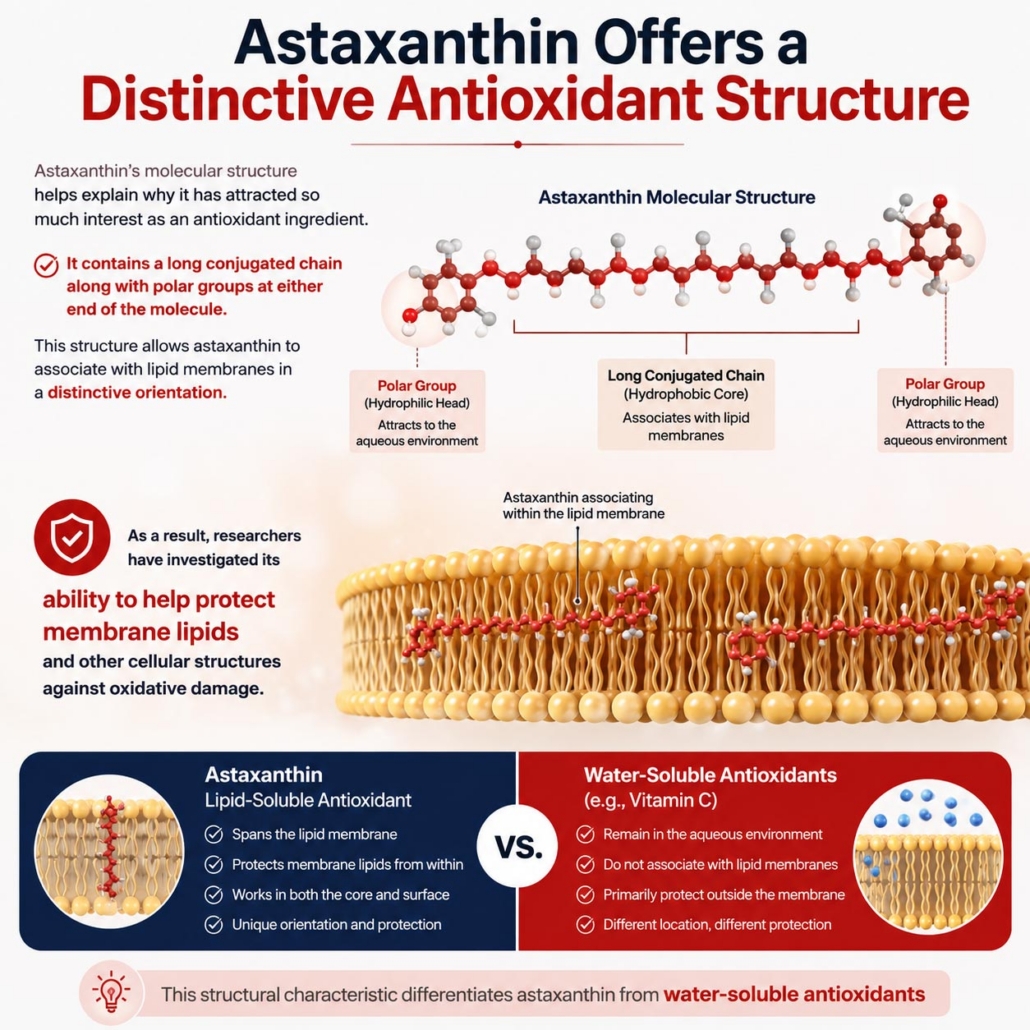
Astaxanthin Offers a Distinctive Antioxidant Structure

Astaxanthin’s molecular structure helps explain why it has attracted so much interest as an antioxidant ingredient. It contains a long conjugated chain along with polar groups at either end of the molecule. This structure allows astaxanthin to associate with lipid membranes in a distinctive orientation.

As a result, researchers have investigated its ability to help protect membrane lipids and other cellular structures against oxidative damage.

This characteristic differentiates astaxanthin from water-soluble antioxidants such as vitamin C. Rather than treating one antioxidant as inherently superior to another, formulators can consider how antioxidants with different properties may complement one another within a comprehensive product.

Oxidative Balance Creates A Bridge to Healthy Aging

The connection between oxidative stress and cellular function also makes astaxanthin relevant to healthy aging.

Oxidative damage accumulates as part of the aging process, while age-related changes can affect both inflammatory regulation and immune function. Consequently, products designed around cellular resilience increasingly overlap with immunity and longevity positioning.

This creates a particularly compelling opportunity for astaxanthin. Instead of limiting the ingredient to a seasonal immune product, brands can position formulations around everyday antioxidant defense, cellular health, active aging, and long-term resilience.

Key Takeaway: Oxidative stress is closely connected with cellular and immune biology. Astaxanthin gives formulators a way to address antioxidant defenses while building a broader story around immune resilience and healthy aging.

How Astaxanthin Supports Immune Resilience

Astaxanthin’s relevance to immune health appears to involve several interconnected mechanisms rather than one isolated pathway. Research has focused particularly on antioxidant activity, inflammatory signaling, cellular membrane protection, and immune cell responses.

However, it is important to distinguish between promising mechanistic evidence and established clinical outcomes. Astaxanthin should be positioned as an ingredient that supports normal physiological processes—not as an ingredient that prevents or treats infection or disease.

Supporting Antioxidant Defenses

Astaxanthin is best known for its antioxidant activity. Its conjugated molecular structure enables it to interact with reactive species and help limit oxidative chain reactions.

This mechanism matters because immune activity itself can generate reactive oxygen species. When oxidative pressure increases, antioxidant defense systems help maintain cellular balance.

For an immunity-focused supplement, astaxanthin can therefore provide a complementary mechanism to traditional vitamins and minerals. Rather than duplicating the function of zinc or vitamin D, it broadens the formula toward oxidative and cellular resilience.

INFOGRAPHIC: Supporting Antioxidant Defenses
INFOGRAPHIC: Helping To Protecting Cellular Membranes

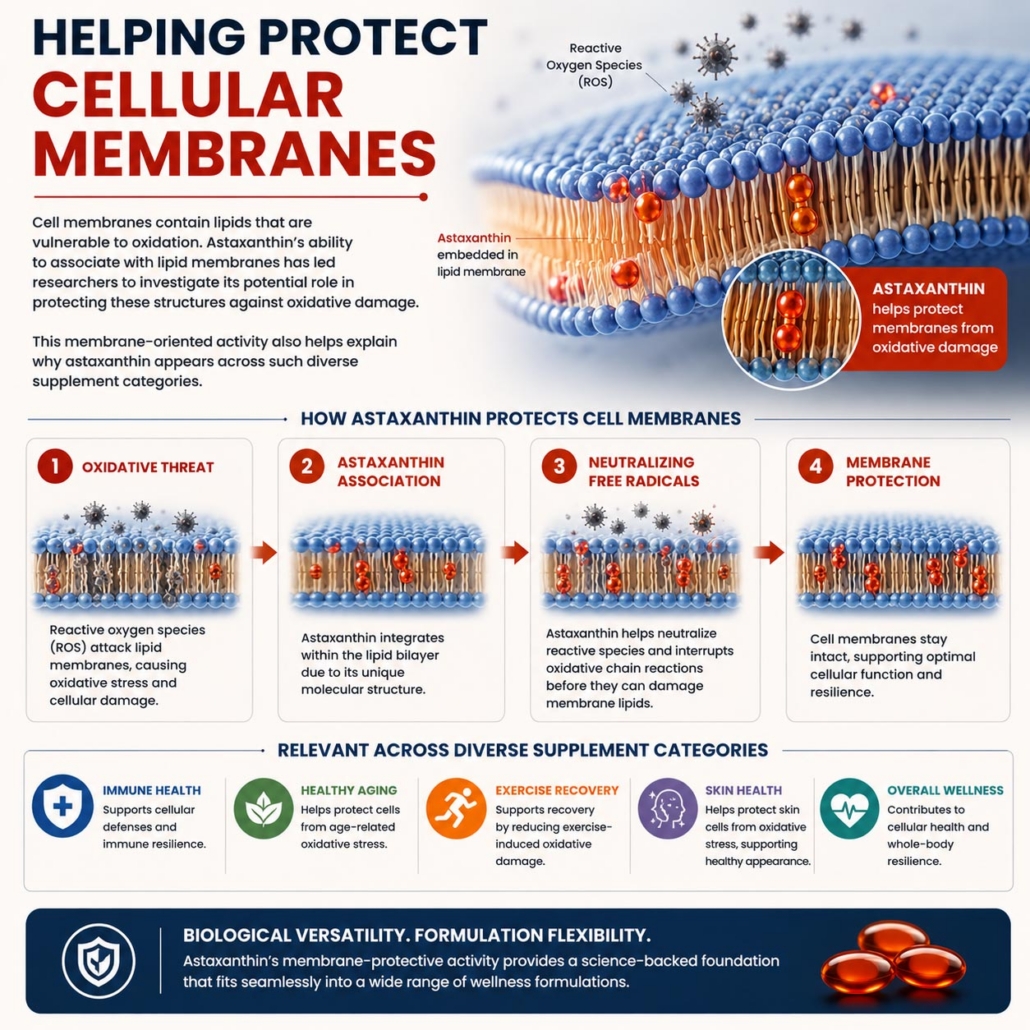
Helping Protect Cellular Membranes

Cell membranes contain lipids that are vulnerable to oxidation. Astaxanthin’s ability to associate with lipid membranes has led researchers to investigate its potential role in protecting these structures against oxidative damage.

This membrane-oriented activity also helps explain why astaxanthin appears across such diverse supplement categories. Cellular protection is relevant not only to immune health but also to healthy aging, exercise recovery, skin health, and other wellness applications.

For brands, that biological versatility creates useful formulation flexibility without requiring unrelated benefit stories.

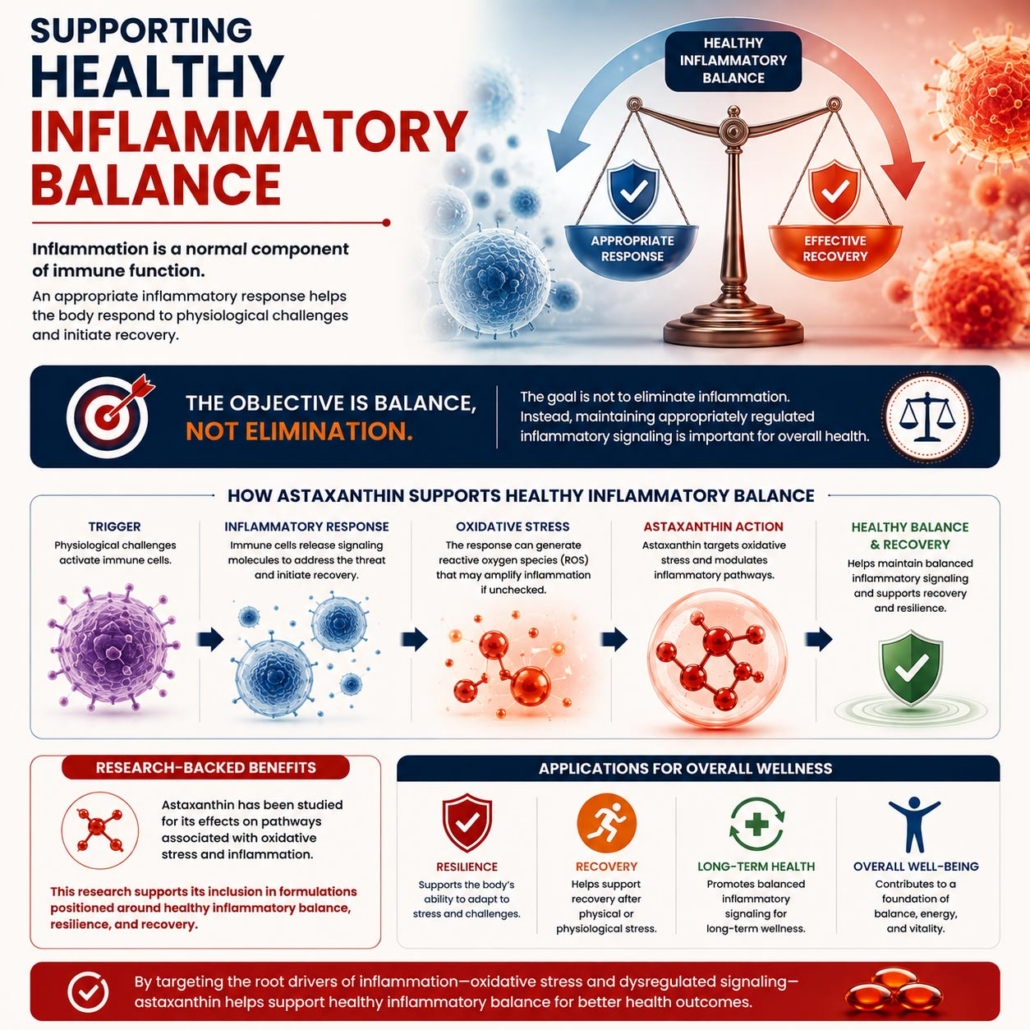
Supporting Healthy Inflammatory Balance

Inflammation is a normal component of immune function. An appropriate inflammatory response helps the body respond to physiological challenges and initiate recovery.

The objective is therefore not to eliminate inflammation. Instead, maintaining appropriately regulated inflammatory signaling is important for overall health.

Astaxanthin has been studied for its effects on pathways associated with oxidative stress and inflammation. This research supports its inclusion in formulations positioned around healthy inflammatory balance, resilience, and recovery.

INFOGRAPHIC: Supporting Healthy Inflammatory Balance
INFOGRAPHIC: Researching Immune Cell Activity

Researching Immune Cell Activity

Human research provides an additional reason for interest in astaxanthin.

In a randomized, double-blind study of healthy young women, Park and colleagues evaluated dietary astaxanthin supplementation over eight weeks. The researchers reported changes in several immune-related measures, including natural killer cell activity and lymphocyte-related responses, alongside reductions in markers of oxidative damage.

The study provides useful human evidence connecting astaxanthin with immune response. However, it was relatively small and involved a specific population. Therefore, it should be considered part of an emerging evidence base rather than proof that astaxanthin prevents illness or produces the same effects across all populations.

For supplement brands, that distinction matters. Responsible science communication can make a formulation more credible while reducing the risk of overstating what the research actually demonstrates.

Connecting Immunity With Healthy Aging

Astaxanthin becomes particularly interesting when immune health is viewed through the lens of healthy aging.

Consumers increasingly want to maintain physical function, cognition, appearance, recovery, and resilience as they age. These goals involve multiple biological systems, including antioxidant defenses and immune regulation.

Astaxanthin allows brands to participate in this broader conversation. An immunity-focused product can become a daily resilience formula. A healthy aging product can incorporate immune wellness. An active lifestyle product can combine recovery with cellular protection.

That cross-category relevance may ultimately be one of astaxanthin’s greatest commercial strengths.

INFOGRAPHIC: Connecting Immunity With Healthy Aging

Key Takeaway: Research suggests astaxanthin may support immune resilience through complementary mechanisms involving antioxidant defenses, cellular membrane protection, inflammatory balance, and immune cell activity. Its strongest formulation opportunity may be connecting these mechanisms with broader daily wellness and healthy aging positioning.

Important Information for Supplement Brands: Sourcing & Quality Considerations

Astaxanthin’s effectiveness as a finished-product ingredient depends on more than the number of milligrams listed on the Supplement Facts panel. Source material, standardization, ingredient form, processing, stability, and supplier controls can all influence product quality.

For supplement brands, these considerations should begin during ingredient selection—not after the formulation has already been developed.

Natural Astaxanthin vs. Synthetic Astaxanthin

Astaxanthin can come from natural and synthetic sources. Within dietary supplements, natural astaxanthin derived from Haematococcus pluvialis microalgae has become an important option, particularly for brands seeking naturally derived and premium positioning.

The distinction involves more than marketing. Natural and synthetic astaxanthin can differ in stereoisomer composition and esterification. Consequently, formulators should not assume that every source is interchangeable simply because the label identifies the active compound as astaxanthin.

Brands should determine the desired ingredient source early in product development and confirm that supporting research is relevant to the specific form being considered.

INFOGRAPHIC: Standardization And Supplier Documentation

Standardization & Supplier Documentation Matter

Ingredient specifications should clearly establish astaxanthin concentration, identity, purity, and the physical form being supplied.

Supplier qualification should also include appropriate documentation and testing. Depending on the source and ingredient format, manufacturers may evaluate:

  • Identity and potency
  • Microbiological specifications
  • Heavy metals
  • Residual solvents, when applicable
  • Oxidation parameters
  • Carrier oils or excipients
  • Allergen considerations
  • Storage conditions
  • Shelf-life and stability data
  • Regulatory and traceability documentation

A strong specification helps reduce variability between ingredient lots and gives formulators a more reliable foundation for finished-product development.

Stability Should Be Addressed Early

Astaxanthin is susceptible to degradation from factors including oxygen, light, and heat. Processing conditions and the surrounding formulation matrix can therefore affect how well the ingredient maintains potency and color over time.

This becomes particularly important when moving beyond oil-based delivery systems into more technically challenging applications. Beadlets, emulsions, encapsulated ingredients, and other stabilized systems can help expand astaxanthin into capsules, gummies, powders, and dispersible products.

The appropriate system depends on the finished dosage form, manufacturing process, target shelf life, and other ingredients in the formula.

Packaging Is Part of the Formulation Strategy

Packaging should not be treated as an afterthought. Light transmission, oxygen exposure, headspace, moisture, and storage temperature may influence finished-product stability.

Depending on the dosage form, formulators may consider opaque or light-resistant packaging, oxygen-barrier materials, desiccants, induction seals, or other protective strategies. Accelerated and real-time stability testing can then help determine whether the entire system — ingredient, formulation, manufacturing process, and packaging—maintains acceptable specifications throughout shelf life.

For brands investing in premium astaxanthin positioning, these technical details are essential. A sophisticated ingredient story needs equally sophisticated product development behind it.

Key Takeaway: Astaxanthin sourcing should be evaluated alongside ingredient form, standardization, supplier documentation, stability, and finished-product requirements. Selecting the right raw material early can reduce development challenges later.

Positioning Astaxanthin Beyond Traditional Immune Support

One of astaxanthin’s most valuable commercial characteristics is its versatility. The ingredient does not need to be confined to a traditional “immune support” formula.

Instead, brands can use astaxanthin to connect immune wellness with several adjacent consumer priorities. This approach can create more distinctive products while expanding their relevance beyond seasonal purchasing.

older woman running in the park as part of a healthy aging routine

Immune Resilience + Healthy Aging

Healthy aging represents a natural extension of astaxanthin’s antioxidant positioning.

Rather than focusing exclusively on chronological age, today’s healthy aging products increasingly emphasize maintaining vitality, function, resilience, and quality of life. Oxidative balance and cellular health fit naturally within this framework.

An immunity-focused healthy aging formula might combine astaxanthin with ingredients such as vitamin D3, zinc, CoQ10, omega-3 fatty acids, or selected botanical antioxidants.

This creates a broader product story: supporting the body’s defenses while helping consumers maintain cellular wellness as they age.

woman touching her soft skin accomplished through beauty-from-within supplementation including astaxanthin

Immune Resilience + Beauty-From-Within

Astaxanthin also has significant crossover potential between immune wellness and beauty-from-within.

The ingredient has been studied extensively in skin-health applications, including areas such as oxidative stress, skin appearance, moisture, and responses to environmental exposure. That research creates opportunities for brands targeting consumers who view appearance as part of overall wellness.

For example, a formula could combine astaxanthin with vitamin C and other complementary ingredients to connect antioxidant defenses, skin health, and everyday wellness.

This positioning may be especially relevant for brands developing products for women, healthy aging consumers, or premium beauty and wellness audiences.

man performing an intensive athletic training as part of an active lifestyle

Immune Resilience + Active Lifestyle

Exercise creates temporary physiological stress and increases production of reactive oxygen species. Although these processes are normal parts of exercise adaptation, recovery remains a major concern for active consumers.

Astaxanthin has consequently attracted research interest in sports nutrition and exercise applications. This makes it possible to develop products that connect antioxidant support with recovery and daily resilience.

For brands, the opportunity extends beyond competitive athletes. Active aging consumers, recreational athletes, busy professionals, and wellness-oriented consumers may all respond to products positioned around maintaining resilience during physically demanding lifestyles.

healthy friends leading an active lifestyle

Immune Resilience + Cellular Wellness

Cellular wellness provides perhaps the broadest positioning platform.

Rather than tying astaxanthin to a single health outcome, brands can build a product story around helping protect cells against oxidative stress while supporting overall wellness. This approach creates room for astaxanthin to sit alongside polyphenols, carotenoids, vitamins, minerals, and other complementary ingredients.

However, broad positioning requires disciplined claims language. Brands should avoid implying that astaxanthin prevents infections, treats inflammatory disorders, or protects against specific diseases. Structure/function claims should remain substantiated and focused on normal physiological support.

Key Takeaway: Astaxanthin can help brands move from narrow seasonal immune positioning toward broader platforms built around resilience, healthy aging, beauty, recovery, and cellular wellness.

Market Trends Driving Astaxanthin Demand

The commercial opportunity for astaxanthin becomes clearer when viewed alongside several larger wellness trends. Immune health, healthy aging, preventative wellness, and multifunctional supplementation are increasingly interconnected.

For supplement brands, this convergence creates opportunities for ingredients capable of supporting more than one consumer need.

Immune Health Remains a Significant Market

The global immune health supplements market continues to represent a substantial commercial category.

Grand View Research estimated the global immune health supplements market at approximately $35.35 billion in 2024 and projects it to reach approximately $76.23 billion by 2033, representing a compound annual growth rate of about 9.1% from 2025 through 2033.

Those projections indicate that immune wellness remains relevant well beyond the short-term surge in demand associated with the COVID-19 pandemic.

However, the opportunity is changing. As the category matures, brands need stronger differentiation than simply adding another familiar immune nutrient to an established formula.

That environment creates space for ingredients such as astaxanthin that can extend an immune product into adjacent wellness categories.

CHART: Global Immune Health Supplement Market

Astaxanthin Is Expanding as a Commercial Ingredient

The astaxanthin market itself is also projected to grow.

Grand View Research estimated the global astaxanthin market at approximately $1.96 billion in 2025 and projects it to reach approximately $4.27 billion by 2033, representing a compound annual growth rate of approximately 9.5% from 2026 through 2033.

Importantly, astaxanthin demand extends beyond dietary supplements. The ingredient has applications across nutraceuticals, functional foods, cosmetics, animal nutrition, and other sectors.

For supplement brands, that cross-category presence can be advantageous. Consumer exposure through beauty, sports nutrition, and healthy aging products can help support broader recognition of the ingredient.

Healthy Aging Expands the Addressable Consumer Base

Demographics provide another important tailwind.

According to the United Nations, the global population aged 65 and older is projected to increase from approximately 761 million people in 2021 to 1.6 billion by 2050. By that point, roughly one in six people worldwide is expected to be 65 or older.

Yet healthy aging is not exclusively an older-consumer trend. Younger adults are increasingly engaging with longevity, metabolic health, cognitive performance, recovery, and cellular wellness earlier in life.

That broadens the potential audience for products positioned around maintaining health over time.

For astaxanthin, this trend is particularly relevant. The ingredient can serve older consumers interested in maintaining resilience while simultaneously appealing to younger consumers focused on proactive wellness.

Wellness Has Become an Everyday Priority

The broader wellness economy provides additional context.

McKinsey’s wellness research has found that 82% of U.S. consumers consider wellness a top or important priority in their everyday lives. The firm has also documented particularly strong interest in wellness among younger generations, which suggests that proactive health behaviors are becoming embedded earlier in the consumer lifecycle.

This shift changes the strategic role of immune supplements.

A product purchased only when consumers perceive an immediate immune challenge competes in a narrow window. A product positioned around everyday resilience, antioxidant support, recovery, and healthy aging has the potential to become part of a year-round wellness routine.

Key Takeaway: Astaxanthin benefits from the convergence of several durable trends: continued immune-health demand, growth in the astaxanthin market itself, an aging global population, and increasing consumer prioritization of everyday wellness.

Why Astaxanthin Is Well Positioned for the Next Generation of Immune Formulations

Market growth alone does not make an ingredient strategically valuable. Successful ingredients must also address changes in how consumers shop, how brands differentiate, and how products fit into everyday routines.

Astaxanthin performs well against several of these criteria.

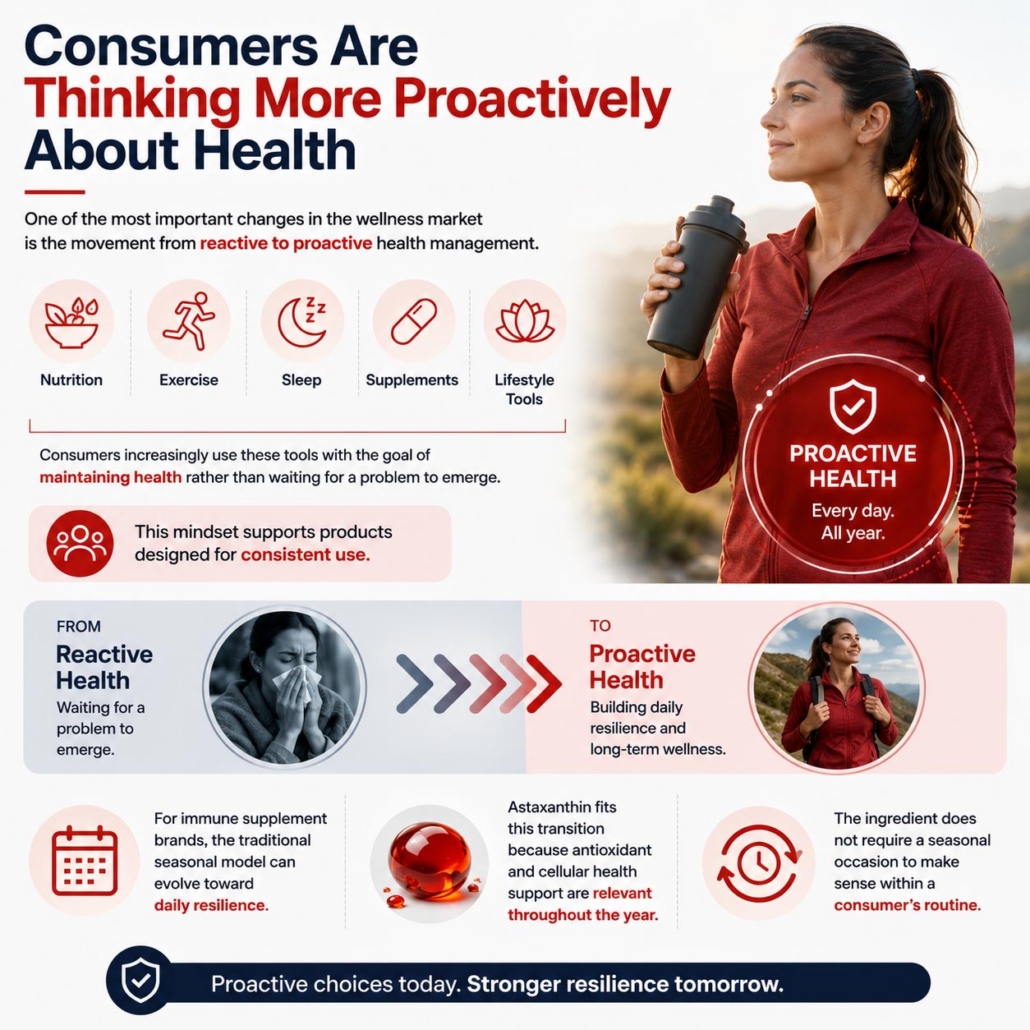
Consumers Are Thinking More Proactively About Health

One of the most important changes in the wellness market is the movement from reactive to proactive health management.

Consumers increasingly use nutrition, exercise, sleep, supplements, and other lifestyle tools with the goal of maintaining health rather than waiting for a problem to emerge. This mindset supports products designed for consistent use.

For immune supplement brands, that means the traditional seasonal model can evolve toward daily resilience.

Astaxanthin fits this transition because antioxidant and cellular health support are relevant throughout the year. The ingredient does not require a seasonal occasion to make sense within a consumer’s routine.

INFOGRAPHIC: Consumers Are Thinking More Proactively

Healthy Aging Is Becoming a Cross-Generational Opportunity

The longevity conversation has also changed.

Healthy aging once primarily targeted older adults with products addressing age-specific concerns. Today, consumers across age groups increasingly think about maintaining physical performance, cognition, metabolic health, appearance, and resilience over time.

That shift allows brands to develop products around healthspan rather than simply “anti-aging.”

Astaxanthin can fit naturally into this approach because its antioxidant properties provide a mechanism that can connect cellular wellness with several consumer-facing benefits. For brands, this creates opportunities to develop formulas for active aging, women’s wellness, beauty-from-within, cognitive wellness, and daily resilience.

Multifunctional Formulas Can Create Greater Consumer Value

Consumers do not necessarily organize health concerns into the same categories used by the supplement industry.

A single consumer may simultaneously want immune support, better recovery, healthy skin, sustained energy, and long-term wellness. Products capable of addressing complementary needs can therefore provide a more intuitive value proposition.

Astaxanthin’s cross-category research makes it particularly useful in this environment.

Rather than adding numerous unrelated ingredients to make a long list of claims, brands can build a more coherent formulation around interconnected mechanisms such as oxidative stress, cellular protection, and healthy inflammatory balance.

That can create a simpler and potentially more credible product story.

Differentiation Is Becoming More Important

Traditional immune formulas frequently rely on similar combinations of vitamin C, vitamin D, zinc, and familiar botanicals. These ingredients remain valuable, but extensive competition can make meaningful product differentiation difficult.

Astaxanthin offers another layer.

A brand can retain recognizable foundational nutrients while using astaxanthin to introduce a premium antioxidant, cellular wellness, and healthy aging narrative. This approach balances consumer familiarity with innovation.

The result does not have to be a more complicated formula. In many cases, strategic differentiation comes from selecting a smaller number of complementary ingredients and giving each one a clearly defined role.

Science & Storytelling Need to Work Together

Astaxanthin also offers a compelling ingredient story. Its microalgae origin, distinctive red-orange pigmentation, biological role in aquatic ecosystems, and growing human research base provide multiple ways to explain the ingredient to consumers.

However, storytelling should follow the science rather than outrun it.

Brands that communicate what astaxanthin does, explain why that mechanism matters, and carefully distinguish emerging research from established benefits can build greater credibility with increasingly informed consumers.

For supplement brands, that may be the most important opportunity of all. Astaxanthin provides the science, differentiation, and versatility needed to develop a more sophisticated approach to immune wellness—without abandoning the familiar ingredients consumers already understand.

Key Takeaway: Astaxanthin is particularly well positioned for next-generation immune supplements because it supports year-round wellness, healthy aging, multifunctional formulation strategies, and premium differentiation while providing a science-forward story consumers can understand.

Key Ingredients That Pair Well with Astaxanthin

Astaxanthin can serve as the antioxidant foundation of an immune resilience formula, but its greatest value may emerge when it is combined with ingredients that address complementary physiological pathways.

The right combination depends on the intended consumer, desired positioning, dosage form, cost target, and claims strategy. Rather than adding ingredients simply for label recognition, brands should give each active a defined purpose within the formulation.

Vitamin D3: Foundational Immune Function

Scientific Name: Cholecalciferol

Vitamin D plays an important role in both innate and adaptive immune function. Vitamin D receptors are expressed on multiple types of immune cells, and adequate vitamin D status is important for normal immune regulation.

That makes vitamin D3 a logical complement to astaxanthin. Vitamin D3 provides a recognizable foundational nutrient associated with normal immune function, while astaxanthin broadens the formulation toward antioxidant defenses and cellular resilience.

Together, these ingredients can work particularly well in daily immune wellness and healthy aging products designed for year-round use.

Zinc: Familiar Immune Support with Strong Consumer Recognition

Zinc is an essential mineral involved in numerous biological processes, including normal immune function. Zinc deficiency can impair immune responses, which helps explain why the mineral remains a cornerstone of many immune health formulations.

Pairing zinc with astaxanthin gives brands a useful combination of familiarity and differentiation. Consumers recognize zinc, while astaxanthin provides a more distinctive antioxidant and healthy aging story.

This combination may be particularly appropriate for streamlined formulations in which every active needs a clearly defined role.

Vitamin C: Complementary Antioxidant Support

Vitamin C is a water-soluble antioxidant and essential nutrient with established roles in normal immune function. It also contributes to the protection of cells from oxidative stress.

Astaxanthin provides a complementary antioxidant profile because it is lipid-soluble and associates with lipid membranes. Formulators can therefore build a more comprehensive antioxidant narrative around compounds that function in different biological environments.

Vitamin C also offers strong consumer recognition, which can make a more unfamiliar ingredient such as astaxanthin easier to understand within an immune health product.

Quercetin: A Polyphenol-Focused Approach

Quercetin is a flavonoid naturally present in foods including onions, apples, berries, and tea. It has attracted considerable nutraceutical interest because of its antioxidant activity and research into inflammatory and cellular signaling pathways.

Combining quercetin with astaxanthin can create a sophisticated antioxidant platform for products positioned around cellular wellness, resilience, or healthy aging.

However, formulators should evaluate dosage requirements and delivery technologies carefully. Quercetin has relatively low oral bioavailability in some forms, so ingredient form and formulation strategy can materially affect the finished product.

Elderberry: Connecting Innovation with Familiarity

Black elderberry (Sambucus nigra) remains strongly associated with the immune wellness category. Its consumer familiarity can make it useful in formulations that introduce less familiar ingredients.

Pairing elderberry with astaxanthin allows brands to retain a recognizable botanical immune story while expanding the product toward antioxidant and cellular wellness positioning.

This combination may work especially well in gummies and powders where berry flavor systems can complement both the ingredient story and the finished product’s natural red-orange coloration.

Functional Mushrooms: Resilience-Focused Positioning

Functional mushrooms such as reishi (Ganoderma lucidum) are increasingly incorporated into products positioned around immune wellness, adaptogenic support, and resilience.

Reishi contains polysaccharides, including beta-glucans, that have attracted research interest for their interactions with immune pathways. When paired with astaxanthin, the combination can create a broader resilience platform rather than a conventional vitamin-and-mineral immune formula.

Brands should pay close attention to mushroom species, plant part or fungal material used, extract specifications, beta-glucan standardization, and supplier documentation. These factors can substantially affect ingredient quality.

Omega-3 Fatty Acids: Healthy Aging and Recovery Crossover

EPA and DHA omega-3 fatty acids provide an interesting pairing for products positioned around healthy aging, cardiovascular wellness, recovery, and inflammatory balance.

The combination also creates a cohesive marine-oriented ingredient story. Astaxanthin naturally occurs within aquatic food systems, while EPA and DHA are commonly sourced from fish or algae.

From a technical perspective, however, combining multiple oxidation-sensitive lipid ingredients increases the importance of antioxidant protection, packaging, manufacturing conditions, and stability testing.

CoQ10: Cellular Energy and Longevity Positioning

Coenzyme Q10 provides another strong option for healthy aging formulations. CoQ10 participates in mitochondrial energy production and also functions as an antioxidant within lipid environments.

Combining CoQ10 with astaxanthin can support formulations built around cellular energy, oxidative balance, and healthy aging rather than immunity alone.

This pairing may be particularly attractive for premium products targeting adults interested in maintaining vitality and resilience over time.

Key Takeaway: The strongest astaxanthin combinations give each ingredient a distinct role. Foundational nutrients can provide familiar immune support while astaxanthin and complementary actives expand the product toward antioxidant defense, resilience, recovery, and healthy aging.

Astaxanthin Formulation Comparison Chart

Astaxanthin does not necessarily compete with traditional immune ingredients. Instead, it can fill a different role within a formulation.

The following comparison illustrates how several ingredients can contribute to different product-positioning strategies. These ratings are intended as a formulation and positioning framework, not as a comparison of clinical efficacy.

Formulation Goal Astaxanthin Vitamin C Quercetin Elderberry
Antioxidant Positioning Excellent Excellent Strong Moderate
Traditional Immune Positioning Emerging Excellent Strong Excellent
Cellular Wellness Excellent Strong Strong Moderate
Healthy Aging Positioning Excellent Strong Strong Moderate
Active Lifestyle/Recovery Strong Strong Moderate Limited
Beauty-From-Within Excellent Strong Moderate Limited
Seasonal Immune Products Moderate Excellent Strong Excellent
Year-Round Resilience Excellent Strong Strong Moderate
Consumer Familiarity Emerging Excellent Moderate Excellent
Premium Differentiation Excellent Moderate Strong Moderate

Familiar Ingredients & Differentiating Ingredients Can Work Together

The comparison highlights an important formulation principle: familiarity and differentiation serve different purposes.

Vitamin C and elderberry give consumers immediate category recognition. Astaxanthin can provide the differentiation needed to move the product beyond a conventional immune formula. Quercetin occupies a useful middle ground, with growing consumer recognition and a strong antioxidant narrative.

For many brands, the best approach will not involve choosing one ingredient over another. Instead, the goal is to construct a complementary system in which familiar ingredients communicate the product’s core purpose while differentiated ingredients provide a compelling reason to choose it over competitors.

Consider the Target Consumer Before Building the Stack

Ingredient priorities should also change according to the target audience.

A seasonal immune product might emphasize vitamin C, vitamin D3, zinc, and elderberry with astaxanthin providing additional antioxidant differentiation.

An active aging product could place astaxanthin at the center of the formula alongside vitamin D3, CoQ10, and other complementary nutrients.

Meanwhile, a beauty-from-within formula might combine astaxanthin with vitamin C and other ingredients selected specifically for skin and structural support.

This audience-first approach helps prevent over-formulation and creates a clearer product story.

Flavoring & Sensory Experience

Astaxanthin influences more than the functional profile of a supplement. Its intense red-orange pigmentation and ingredient format can affect appearance, flavor development, and the overall sensory experience.

These characteristics can become either formulation challenges or branding advantages depending on how early they are incorporated into product development.

Natural Color Can Become Part of the Product Story

Astaxanthin’s characteristic red-orange color comes from its carotenoid structure. In some delivery formats, this pigmentation can contribute visible color to the finished product.

Rather than automatically masking it, brands may be able to incorporate the color into the product concept. Berry, blood orange, cherry, pomegranate, grapefruit, and tropical flavor systems can visually align with red-orange tones.

This approach can create stronger sensory coherence: the product’s appearance, flavor, ingredient story, and positioning all reinforce one another.

However, the final color depends on astaxanthin concentration, ingredient form, carrier system, surrounding matrix, processing, and other color-producing ingredients. Prototype evaluation remains essential.

Ingredient Form Influences Sensory Performance

Not every astaxanthin ingredient produces the same sensory profile.

Oil-based ingredients may behave differently from beadlets, powders, emulsions, or microencapsulated systems. Carrier oils and other excipients can also influence aroma and flavor.

Formulators should therefore evaluate the complete commercial ingredient rather than making decisions based solely on astaxanthin itself.

This becomes especially important in gummies, flavored powders, and other formats where consumers directly experience the formulation.

Oxidation Can Create Sensory Problems

Because astaxanthin formulations may contain oxidation-sensitive lipids, oxidative stability can affect more than potency. Lipid oxidation can also produce undesirable aromas and flavors.

A product that tastes acceptable immediately after manufacturing may therefore develop sensory problems during storage if the formulation and packaging do not provide sufficient protection.

Sensory evaluation should be incorporated into stability programs alongside analytical testing. Monitoring flavor, aroma, color, texture, and appearance can help identify deterioration that a potency test alone may not capture.

Flavor Strategy Should Support Positioning

Flavor selection also creates an opportunity to reinforce the intended consumer experience.

Berry and cherry profiles can work well for immune wellness. Citrus and grapefruit can support active lifestyle positioning. Tropical flavors may create a brighter everyday wellness experience, while more sophisticated berry-citrus combinations can support premium healthy aging products.

The strongest formulation strategy treats flavor as part of product architecture rather than something added after the active ingredients have already been finalized.

Key Takeaway: Astaxanthin’s natural pigmentation and ingredient characteristics can become product advantages when color, flavor, ingredient form, and stability are developed as an integrated sensory system.

Formulation Considerations for Astaxanthin Supplements

Astaxanthin presents compelling opportunities, but successful commercialization requires careful technical planning. Its lipid solubility, sensitivity to environmental conditions, and intense pigmentation make ingredient form and dosage format especially important.

These factors should be considered during concept development rather than addressed only after a prototype encounters stability or sensory problems.

Solubility & Bioavailability

Astaxanthin is lipophilic, meaning it is soluble in lipids rather than water. This characteristic has important implications for both absorption and finished-product development.

Human absorption of carotenoids can be influenced by the surrounding dietary matrix, particularly the presence of lipids. For formulation purposes, oil-based astaxanthin systems naturally fit lipid-compatible delivery formats.

Water-dispersible applications require additional technology. Emulsification, encapsulation, beadlet systems, and other delivery approaches can help incorporate astaxanthin into products where conventional oil dispersions would be impractical.

Brands should evaluate the evidence and technical data associated with the specific commercial ingredient rather than assuming all delivery technologies provide equivalent performance.

INFOGRAPHIC: Solubility And Bioavailability

Oxidation, Heat & Light Exposure

Astaxanthin can degrade when exposed to unfavorable environmental conditions. Oxygen, light, and elevated temperatures are therefore important considerations throughout manufacturing and storage.

Processing parameters should be evaluated for the specific delivery system. Extended heat exposure, aggressive processing, or prolonged contact with oxygen may affect stability depending on the ingredient technology.

Packaging should provide an appropriate level of protection for the finished product. The optimal solution depends on the dosage form, formulation matrix, expected distribution conditions, and desired shelf life.

Compatibility with Other Ingredients

Astaxanthin is often used in complex formulations, making ingredient compatibility an important development consideration.

Minerals, botanical extracts, oils, flavors, acids, sweeteners, and other antioxidants can affect the finished matrix in different ways. Some combinations may influence color, oxidation, dispersion, or sensory performance.

Prototype development and stability testing are therefore particularly important for multifunctional formulas.

Rather than selecting every ingredient independently, formulators should evaluate how the complete system behaves together.

Dose & Finished-Product Format

Astaxanthin is typically used at relatively low milligram levels compared with many vitamins, minerals, amino acids, and botanical ingredients. This can make it attractive for compact formulations, but dose uniformity remains important.

The appropriate inclusion level should be based on the intended benefit, ingredient specifications, available human evidence, regulatory considerations, and serving format.

Manufacturers also need to account for the potency of the commercial raw material. An ingredient standardized to a particular percentage of astaxanthin requires a different input weight than pure active dosage might suggest.

INFOGRAPHIC: Stability Testing is Essential

Stability Testing Is Essential

Finished-product stability should confirm more than initial potency.

A robust program may evaluate:

  • Astaxanthin potency over time
  • Oxidative stability
  • Color changes
  • Flavor and aroma
  • Moisture where relevant
  • Physical integrity
  • Microbiological specifications
  • Packaging performance
  • Other active ingredients in the formulation

Accelerated studies can provide useful development information, while real-time stability data help substantiate the finished product’s intended shelf life.

Formulation Considerations at a Glance

When developing an astaxanthin supplement, brands should consider:

  • Source: Determine whether natural H. pluvialis-derived astaxanthin aligns with the desired positioning and evidence base.
  • Ingredient form: Select an oil, beadlet, emulsion, encapsulated system, or other format appropriate for the finished product.
  • Bioavailability: Evaluate the delivery system and supporting technical or clinical evidence.
  • Oxidation: Minimize unnecessary exposure to oxygen throughout processing and storage.
  • Heat: Confirm that manufacturing conditions are compatible with the selected ingredient technology.
  • Light: Select packaging that provides appropriate protection where needed.
  • Sensory impact: Evaluate color, aroma, and flavor throughout shelf life—not just at initial production.
  • Compatibility: Test the complete formulation rather than assuming ingredients will remain stable independently.
  • Standardization: Calculate input levels using the actual astaxanthin concentration of the commercial ingredient.
  • Testing: Establish finished-product specifications and an appropriate stability program before commercialization.

Key Takeaway: Astaxanthin formulation requires coordination among ingredient sourcing, delivery technology, manufacturing conditions, sensory development, packaging, and stability testing. Addressing these variables early makes it easier to translate a promising ingredient concept into a scalable commercial product.

Strategic Opportunities for Supplement Brands

Astaxanthin’s greatest commercial advantage may be its ability to participate credibly in several wellness categories at once. Few ingredients offer a natural bridge between antioxidant support, immune resilience, healthy aging, active lifestyle, and beauty-from-within positioning.

For supplement brands, that versatility creates opportunities to develop more differentiated products without relying on excessively complex formulas.

Premium Daily Immune Resilience

Traditional immune products often compete using similar combinations of vitamin C, vitamin D, zinc, and botanicals. These ingredients remain valuable, but differentiation can become difficult when dozens of products make similar claims.

Astaxanthin provides another layer of product architecture.

A brand could retain foundational nutrients consumers recognize while using astaxanthin to introduce antioxidant defense, cellular wellness, and healthy aging into the formulation. This shifts the product from a seasonal immune concept toward a daily resilience platform.

That distinction may also create opportunities for premium positioning. Instead of competing primarily on ingredient count or price, brands can compete on formulation strategy, science, sourcing, and the overall consumer experience.

Healthy Aging & Longevity

Healthy aging represents one of the strongest opportunities for astaxanthin.

As consumers increasingly focus on healthspan, the category is expanding beyond products designed specifically for older adults. Younger consumers are also engaging with longevity, cellular health, cognitive performance, metabolic wellness, and recovery.

Astaxanthin fits this broader framework because antioxidant defenses and oxidative balance can connect several aspects of healthy aging within a coherent formulation story.

Brands could explore combinations with CoQ10, vitamin D3, omega-3 fatty acids, polyphenols, or other ingredients selected for complementary benefits.

Beauty-From-Within

Astaxanthin already has relevance within skin-health research, creating opportunities for products that connect internal wellness with external appearance.

Rather than developing a narrowly positioned beauty supplement, brands can explore formulas that address skin health alongside antioxidant support and healthy aging. This approach reflects a broader shift toward beauty-from-within products that consumers view as part of their overall wellness routines.

The ingredient’s naturally vibrant pigmentation and microalgae origin also provide useful storytelling opportunities for premium beauty and wellness brands.

Active Lifestyle & Recovery

Astaxanthin can also support innovation outside traditional sports nutrition.

Active consumers increasingly include recreational athletes, outdoor enthusiasts, busy professionals, and older adults who want to maintain physical function. Products designed for these audiences can focus on resilience and recovery rather than stimulant-driven performance alone.

An astaxanthin formula might combine antioxidant support with ingredients selected for hydration, cellular energy, healthy inflammatory balance, or recovery.

This creates opportunities for brands to reach consumers who want to remain active without necessarily identifying as competitive athletes.

Build Around the Consumer, Not the Ingredient

The strongest product concept should begin with a defined consumer need.

A brand targeting healthy aging consumers will require a different ingredient stack, format, claims strategy, and sensory experience than a beauty-from-within or active lifestyle product.

Starting with the consumer also helps prevent over-formulation. Astaxanthin does not need to appear alongside every ingredient associated with immune health. A smaller number of complementary actives can often create a clearer value proposition and make clinically relevant inclusion levels easier to achieve.

Key Takeaway: Astaxanthin gives supplement brands multiple paths to innovation, but the strongest products will use its versatility to solve a clearly defined consumer need rather than trying to address every wellness category at once.

Why Intermountain Nutrition for Astaxanthin Supplement Development?

Developing a differentiated supplement requires coordination across formulation, sourcing, manufacturing, quality, sensory development, packaging, and scale-up.

Intermountain Nutrition works with supplement brands to turn early-stage concepts into commercially scalable products while considering these requirements throughout development.

Our formulation team can help brands evaluate astaxanthin within the context of the complete product rather than as an isolated ingredient.

That includes selecting complementary actives, determining practical dosage formats, addressing flavor and stability considerations, and designing products around the intended consumer and market position.

For brands with an existing formula, development may instead focus on optimization, manufacturability, sensory performance, or commercial scale-up.

Intermountain Nutrition combines product development with high-volume manufacturing capabilities and on-site third-party testing, helping brands plan for commercial requirements early in the development process.

Frequently Asked Questions

Astaxanthin is a naturally occurring xanthophyll carotenoid responsible for the red-orange coloration of several aquatic organisms, including salmon, shrimp, and krill. For dietary supplements, natural astaxanthin is commonly produced from the microalgae Haematococcus pluvialis. Astaxanthin is best known for its antioxidant properties and has been studied across several areas of human health, including oxidative stress, skin health, exercise, eye health, inflammatory signaling, and immune response.

Astaxanthin’s potential relevance to immune wellness involves several interconnected mechanisms. Its antioxidant activity may help support cellular defenses against oxidative stress, while research has also examined its effects on inflammatory signaling and immune cell responses. However, astaxanthin should not be positioned as preventing or treating infections or immune-related diseases.

Both ingredients provide antioxidant support, but their chemical characteristics differ. Vitamin C is water-soluble, while astaxanthin is lipid-soluble and can associate with cellular membranes. Rather than viewing them as competing antioxidants, formulators can use their different properties to build complementary antioxidant strategies.

Vitamin C also provides established immune-health familiarity, while astaxanthin can add premium cellular wellness and healthy aging differentiation.

Yes. Astaxanthin can complement vitamin D3 and zinc in an immune-focused formulation. Vitamin D and zinc have established physiological roles in normal immune function, while astaxanthin contributes antioxidant and cellular wellness positioning. This combination can allow brands to maintain familiar foundational immune nutrients while creating a broader daily resilience and healthy aging story.

Natural and synthetic astaxanthin can differ in stereoisomer composition and other characteristics. Natural astaxanthin used in dietary supplements is frequently derived from Haematococcus pluvialis microalgae and may be preferred by brands seeking naturally derived positioning. Ingredient selection should consider the specific form, supporting evidence, standardization, regulatory status, stability, supplier documentation, and intended product claims rather than source alone.

Commercial supplements and human research commonly use astaxanthin in the low single-digit to low double-digit milligram range per day, although there is no universal dose appropriate for every product.

The appropriate inclusion level depends on the specific ingredient, intended benefit, available evidence, target consumer, delivery format, and regulatory considerations. Formulators should also account for the actual astaxanthin concentration of the commercial raw material when calculating input quantities.

Astaxanthin can be formulated into several supplement formats when the appropriate ingredient technology is used. Options can include capsules, gummies, powders, and other delivery systems.

Because astaxanthin is lipophilic, water-based or dry applications may require technologies such as emulsification, encapsulation, or beadlets to improve dispersion and protect stability. The optimal format depends on the formulation, consumer experience, manufacturing process, and desired shelf life.

Astaxanthin is well suited to healthy aging positioning because oxidative stress and cellular health are relevant to maintaining wellness throughout life. Its research also extends into areas that overlap with healthy aging, including skin health, exercise, and other aspects of physiological resilience. This allows brands to develop products that connect antioxidant support with broader healthy aging goals while maintaining appropriately substantiated structure/function claims.

Potential complementary ingredients include vitamin C, vitamin D3, zinc, quercetin, CoQ10, omega-3 fatty acids, elderberry, and selected functional mushrooms. However, the best combination depends on the intended consumer and product objective. A healthy aging formula, for example, may require a very different ingredient strategy than a seasonal immune or beauty-from-within product.

Stability is one of the primary considerations. Astaxanthin can be sensitive to oxygen, light, and heat, while its lipid solubility can create additional challenges in water-based or dry products. Formulators should also consider ingredient form, potency standardization, color, sensory characteristics, ingredient interactions, processing conditions, and packaging. Addressing these factors early can reduce development problems and improve finished-product consistency.

References

Park, J. S., Chyun, J. H., Kim, Y. K., Line, L. L., & Chew, B. P. (2010). Astaxanthin decreased oxidative stress and inflammation and enhanced immune response in humans. Nutrition & Metabolism, 7, 18.

Ambati, R. R., Phang, S. M., Ravi, S., & Aswathanarayana, R. G. (2014). Astaxanthin: Sources, extraction, stability, biological activities and its commercial applications—A review. Marine Drugs, 12(1), 128–152.

Fakhri, S., Abbaszadeh, F., Dargahi, L., & Jorjani, M. (2018). Astaxanthin: A mechanistic review on its biological activities and health benefits. Pharmacological Research, 136, 1–20.

Davinelli, S., Nielsen, M. E., & Scapagnini, G. (2018). Astaxanthin in skin health, repair, and disease: A comprehensive review. Nutrients, 10(4), 522.

National Institutes of Health Office of Dietary Supplements. Vitamin D: Fact Sheet for Health Professionals.

National Institutes of Health Office of Dietary Supplements. Zinc: Fact Sheet for Health Professionals.

National Institutes of Health Office of Dietary Supplements. Vitamin C: Fact Sheet for Health Professionals.

Grand View Research. Immune Health Supplements Market Size, Share & Trends Analysis Report.

Grand View Research. Astaxanthin Market Size, Share & Trends Analysis Report.

United Nations Department of Economic and Social Affairs. World Social Report 2023: Leaving No One Behind in an Ageing World.

McKinsey & Company. The trends defining the $1.8 trillion global wellness market in 2024.

Related Postings

Andrographis for Immunity Support Supplements
STOCK FORMULA: Elderberry Gummies for Immune Support
Bees Using Propolis As a to Build the Honeycomb Structure of Their Hive