Beta-Glucans for Immune Support Supplements: Benefits, Formulation Strategies, and Market Trends

September 8, 2026 |

Beta-glucans give supplement brands a science-backed way to formulate for immune health, daily resilience, and broader wellness.

Prefer to listen to the audio summary?

At a Glance

  • Beta-glucans are complex carbohydrates. They are naturally present in yeast, mushrooms and other fungi, oats, barley, algae, and certain bacteria.
  • Source affects structure and function. Cereal beta-glucans differ structurally from the beta-glucans commonly studied for immune modulation.
  • Yeast beta-glucans typically contain beta-1,3/1,6 linkages. Saccharomyces cerevisiae is an important commercial source of beta-glucans used in immune-focused research and products.
  • Several innate immune cells recognize beta-glucans. Macrophages, neutrophils, monocytes, and dendritic cells express receptors capable of recognizing different beta-glucan preparations.

Understanding Beta-Glucans for Immune Health Products

Immune health remains an important dietary supplement category, but the way brands approach it is evolving. Instead of limiting immune products to seasonal use, brands can increasingly position immune health as part of a broader daily wellness routine that intersects with healthy aging, gut health, active lifestyles, and overall resilience.

Beta-glucans offer an intriguing ingredient platform for this shift. These naturally occurring polysaccharides are found in yeast, fungi, cereals, algae, and certain bacteria. However, beta-glucans are not a single interchangeable ingredient class. Their molecular structure varies considerably by source, and those differences influence their physicochemical properties and biological activity.

What Are Beta-Glucans?

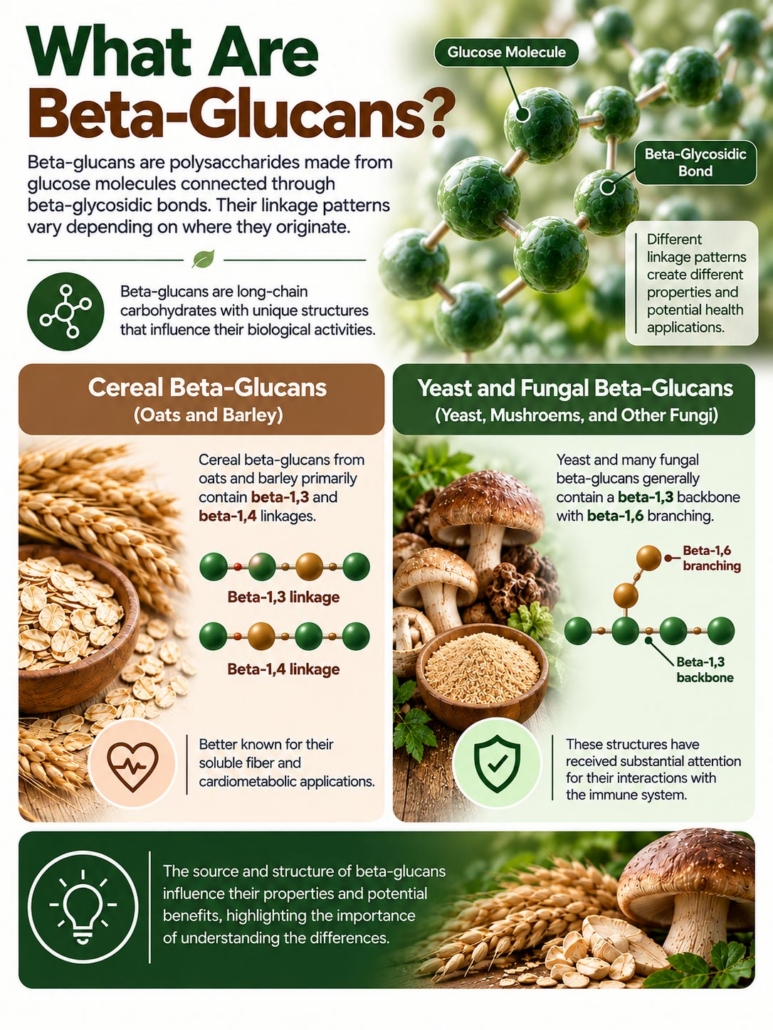
Beta-glucans are polysaccharides made from glucose molecules connected through beta-glycosidic bonds. Their linkage patterns vary depending on where they originate.

Cereal beta-glucans from oats and barley primarily contain beta-1,3 and beta-1,4 linkages. These forms are better known for their soluble fiber and cardiometabolic applications.

In contrast, yeast and many fungal beta-glucans generally contain a beta-1,3 backbone with beta-1,6 branching. These structures have received substantial attention for their interactions with the immune system.

That distinction is particularly important for supplement brands. A label that simply states “beta-glucan” does not tell the complete formulation story.

Why Source & Structure Matter

Source, molecular weight, branching, solubility, extraction, purification, and three-dimensional conformation can all influence beta-glucan functionality. Researchers caution against extrapolating findings from one beta-glucan preparation to every other beta-glucan ingredient.

For immune support applications, yeast-derived beta-1,3/1,6-glucans — particularly those obtained from Saccharomyces cerevisiae — are among the best-characterized options.

Yeast beta-glucans have been investigated for their ability to interact with components of innate immunity, including pattern-recognition receptors on immune cells.

INFOGRAPHIC: What Are Beta-Glucans?

How Do Major Beta-Glucan Sources Compare?

The term “beta-glucan” covers structurally different compounds. This comparison provides a practical starting point for ingredient selection.

Beta-Glucan Source Typical Structural Pattern Most Relevant Positioning Formulation Perspective
Yeast (Saccharomyces cerevisiae) Primarily beta-1,3 backbone with beta-1,6 branching Immune support and daily resilience Strong option for dedicated immune formulas; evaluate standardization and clinical substantiation
Mushrooms and other fungi Typically beta-1,3 backbone with beta-1,6 branches; structure varies by species Immune wellness, functional mushrooms, healthy aging Useful for mushroom-forward products; verify beta-glucan rather than relying only on total polysaccharides
Oats Mixed beta-1,3/1,4 linkages Heart and metabolic health, soluble fiber Better aligned with fiber and cardiometabolic applications than dedicated immune positioning
Barley Mixed beta-1,3/1,4 linkages Fiber, digestive and metabolic wellness Useful where soluble fiber functionality is a primary objective
Algae and bacteria Highly source-dependent Emerging or specialized applications Requires ingredient-specific evaluation because structure and evidence vary substantially

Table takeaway: For an immune support supplement, selecting a beta-glucan based solely on milligram quantity can be misleading. Source, linkage pattern, branching, molecular characteristics, processing, and evidence for the specific ingredient all matter.

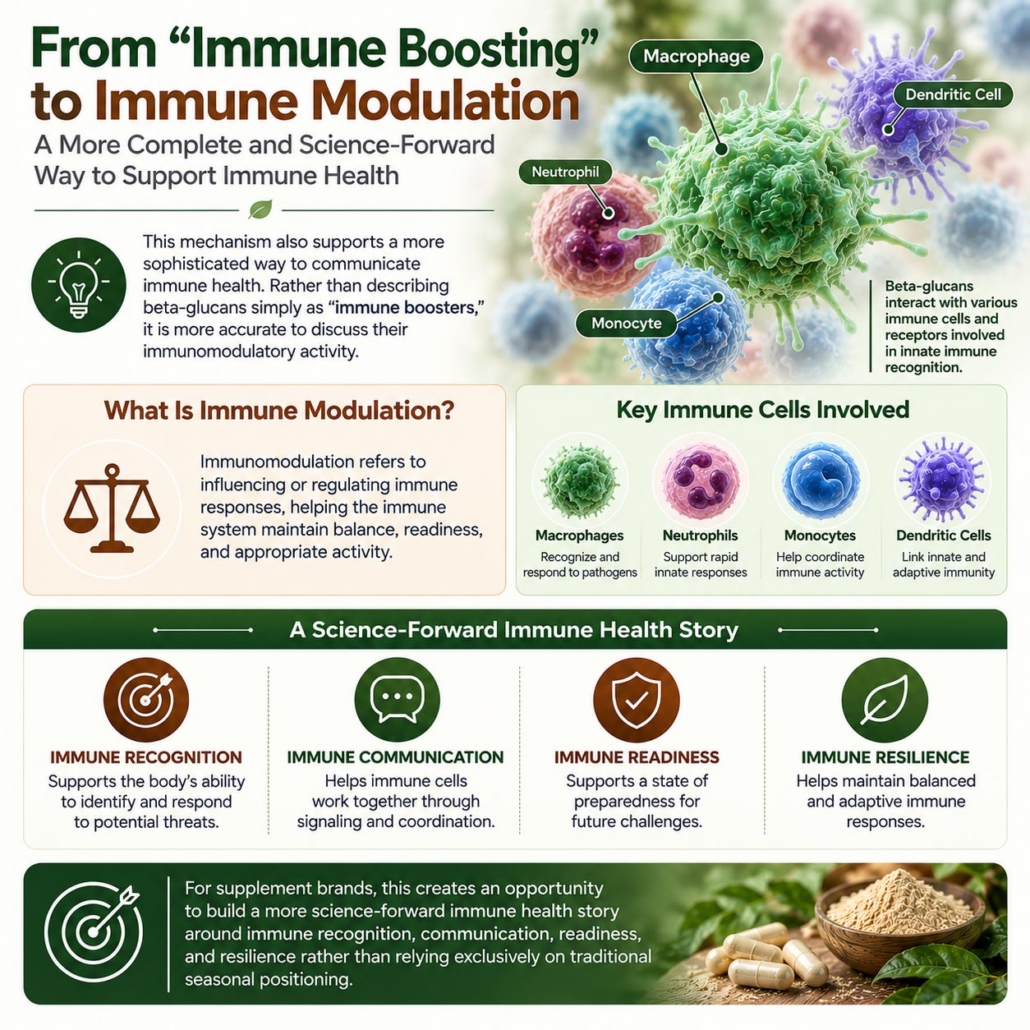
INFOGRAPHIC: From Immune Boosting To Immune Modulation

From Immune Boosting to Immune Modulation

This mechanism also supports a more sophisticated way to communicate immune health.

Rather than describing beta-glucans simply as “immune boosters,” it is more accurate to discuss their immunomodulatory activity.

Immunomodulation refers to influencing or regulating immune responses. Research on beta-glucans includes interactions with macrophages, neutrophils, monocytes, and dendritic cells, as well as receptors involved in innate immune recognition.

For supplement brands, that creates an opportunity to build a more science-forward immune health story around immune recognition, communication, readiness, and resilience rather than relying exclusively on traditional seasonal positioning.

Why Beta-Glucans Are Becoming Important for Immune Support Supplements

Beta-glucans give brands an opportunity to move immune health beyond the familiar vitamin-and-mineral formula. Their value comes from a combination of mechanistic research, formulation versatility, and the ability to support more nuanced immune wellness positioning.

Beta-Glucans Bring a Distinct Mechanism to Immune Formulas

Vitamin C, vitamin D, and zinc remain recognizable immune health nutrients. Beta-glucans can add another dimension because certain forms are recognized directly by receptors associated with innate immunity.

Dectin-1, also known as CLEC7A, is particularly important in beta-glucan research. This pattern-recognition receptor recognizes beta-glucans and is expressed by several myeloid immune cell populations, including macrophages, monocytes, neutrophils, and dendritic cells.

Binding can initiate intracellular signaling and downstream cellular responses, although the magnitude and nature of those responses depend on the beta-glucan preparation and biological context.

This mechanism gives brands a more differentiated scientific narrative than simply combining another vitamin or mineral with an existing immune formula.

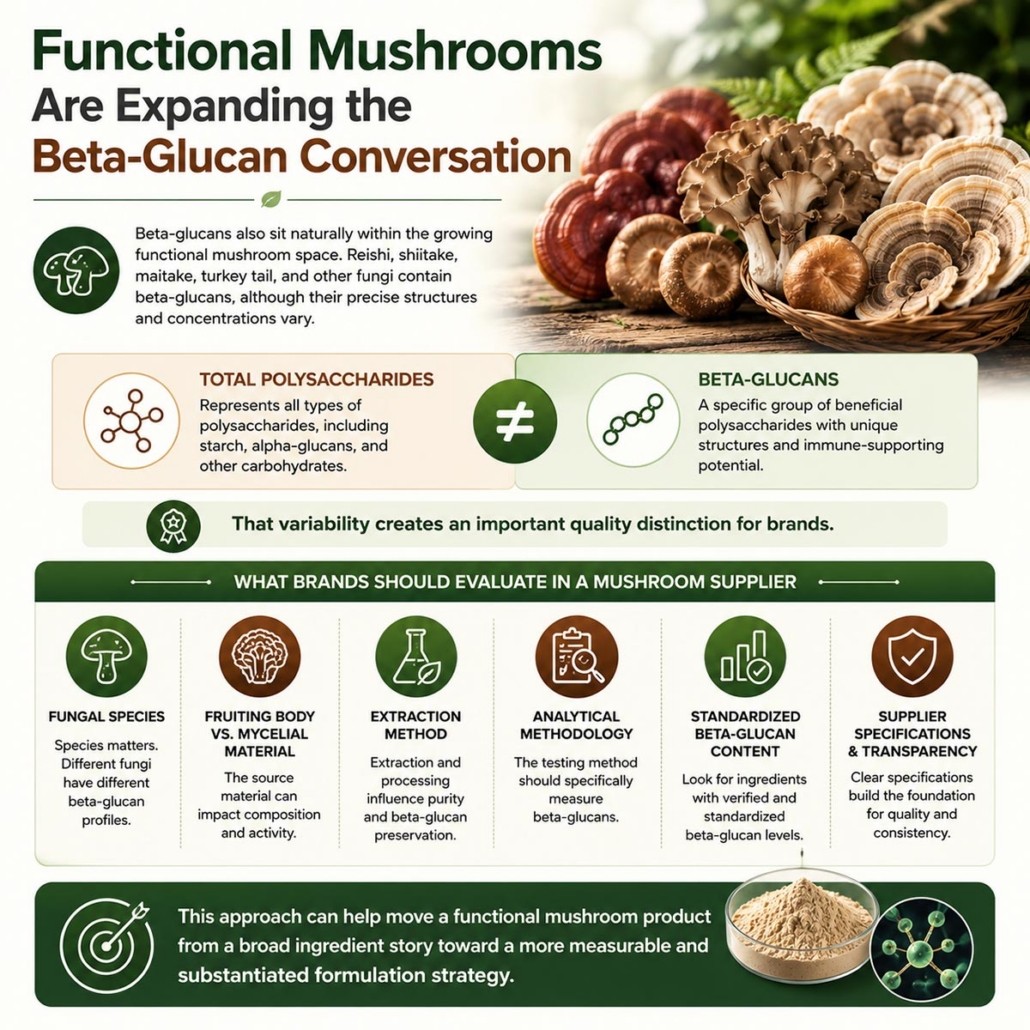
Functional Mushrooms Are Expanding the Beta-Glucan Conversation

Beta-glucans also sit naturally within the growing functional mushroom space.

Reishi, shiitake, maitake, turkey tail, and other fungi contain beta-glucans, although their precise structures and concentrations vary.

That variability creates an important quality distinction for brands. Total polysaccharide content is not necessarily equivalent to beta-glucan content.

When beta-glucans are central to a mushroom product’s positioning, brands should evaluate supplier specifications, analytical methodology, extraction, fungal species, fruiting-body versus mycelial material, and actual standardized beta-glucan content.

This approach can help move a functional mushroom product from a broad ingredient story toward a more measurable and substantiated formulation strategy.

INFOGRAPHIC: Functional Mushrooms For Beta Glucan Supplements

Beta-Glucans Support Broader Wellness Positioning

Beta-glucans also offer flexibility beyond a conventional “seasonal immunity” SKU. Depending on the supporting ingredients and target consumer, brands can develop concepts around:

  • Daily immune health
  • Immune resilience
  • Healthy aging
  • Gut-immune wellness
  • Functional mushrooms
  • Active lifestyle and recovery
  • Travel wellness
  • Everyday nutritional support

That flexibility can be particularly valuable for brands trying to build products that remain relevant throughout the year.

The Opportunity Is Ingredient-Specific, Not Category-Wide

However, the scientific story requires precision. Research consistently shows that beta-glucan activity depends on structural characteristics such as source, molecular size, branching, solubility, and conformation. Findings from a particular yeast or fungal preparation should not automatically be applied to an unrelated beta-glucan ingredient.

Therefore, brands should work backward from the desired product concept and evidence base. First define the consumer, benefit territory, format, and claims strategy. Then select a beta-glucan with the specifications and substantiation needed to support that positioning.

Key Takeaway for Supplement Brands

Beta-glucans can help brands create more differentiated, science-forward immune support products—but specificity matters. The strongest formulation strategy starts with the right beta-glucan source and structure, verifies standardized content and quality, and builds the finished formula around evidence appropriate to that particular ingredient.

How Do Beta-Glucans Support Healthy Immune Function?

Beta-glucans support immune function through interactions with the innate immune system, the body’s rapid-response defense network. Rather than acting like conventional nutrients that serve as enzyme cofactors or structural components, certain beta-glucans are recognized by specialized receptors on immune cells.

This recognition helps explain why beta-glucans are commonly described as immunomodulators. However, the response depends heavily on beta-glucan source, structure, molecular weight, solubility, branching, and physical form.

Beta-Glucans Interact With Pattern-Recognition Receptors

Innate immune cells use pattern-recognition receptors (PRRs) to identify molecular structures associated with microorganisms. Fungal beta-glucans represent one such recognizable pattern.

Several receptors can participate in beta-glucan recognition, including:

  • Dectin-1
  • Complement receptor 3 (CR3)
  • Selected scavenger receptors
  • Other receptors and signaling pathways that can participate in the broader response

Dectin-1 and CR3 are among the best-characterized receptors for direct beta-glucan interactions.

Importantly, receptor involvement differs by immune cell. Dectin-1 is particularly important for beta-glucan recognition by macrophages and is also expressed by dendritic cells, monocytes, and neutrophils. CR3 is highly expressed on neutrophils and monocytes and is also present on natural killer (NK) cells.

That distinction matters when communicating the mechanism. Beta-glucans do not simply “switch on” every immune cell through one receptor. Instead, they participate in a network of recognition and signaling pathways within innate immunity.

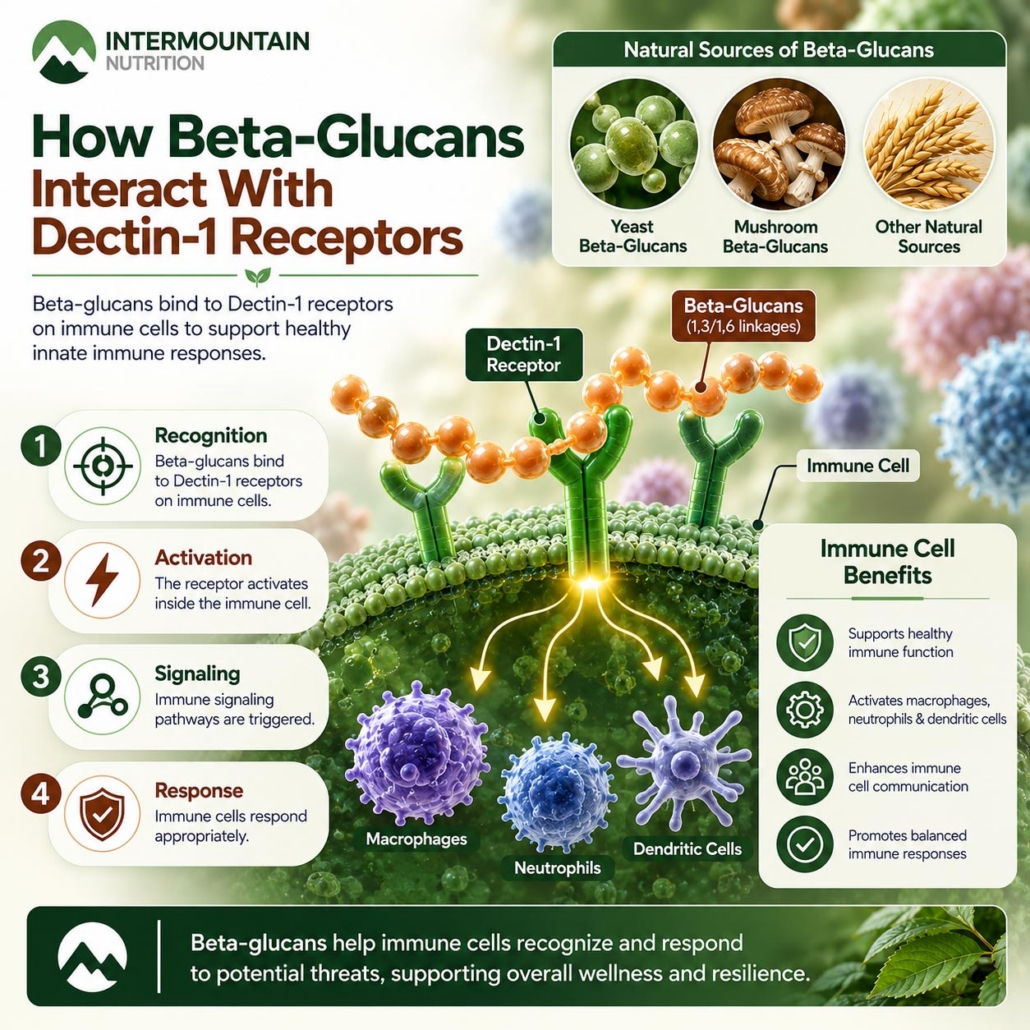
Dectin-1 Helps Immune Cells Recognize Beta-Glucans

Dectin-1, also known as CLEC7A, is a C-type lectin pattern-recognition receptor and one of the most extensively studied receptors involved in fungal beta-glucan recognition.

When an appropriate beta-glucan structure engages Dectin-1, receptor signaling can influence functions such as phagocytosis, oxidative responses, and production of cytokines and chemokines.

These signals help immune cells communicate and coordinate responses.

However, binding does not automatically mean signaling. Research indicates that beta-glucan presentation and physical structure influence the response.

For example, particulate and soluble beta-glucans can interact differently with Dectin-1.

This is another reason brands should avoid treating all beta-glucan ingredients as biologically equivalent.

INFOGRAPHICS: Beta-Glucans Interact With Dectin-1 Receptors

What Happens After Oral Beta-Glucans Are Consumed?

The mechanism becomes more complex when beta-glucans are consumed orally.

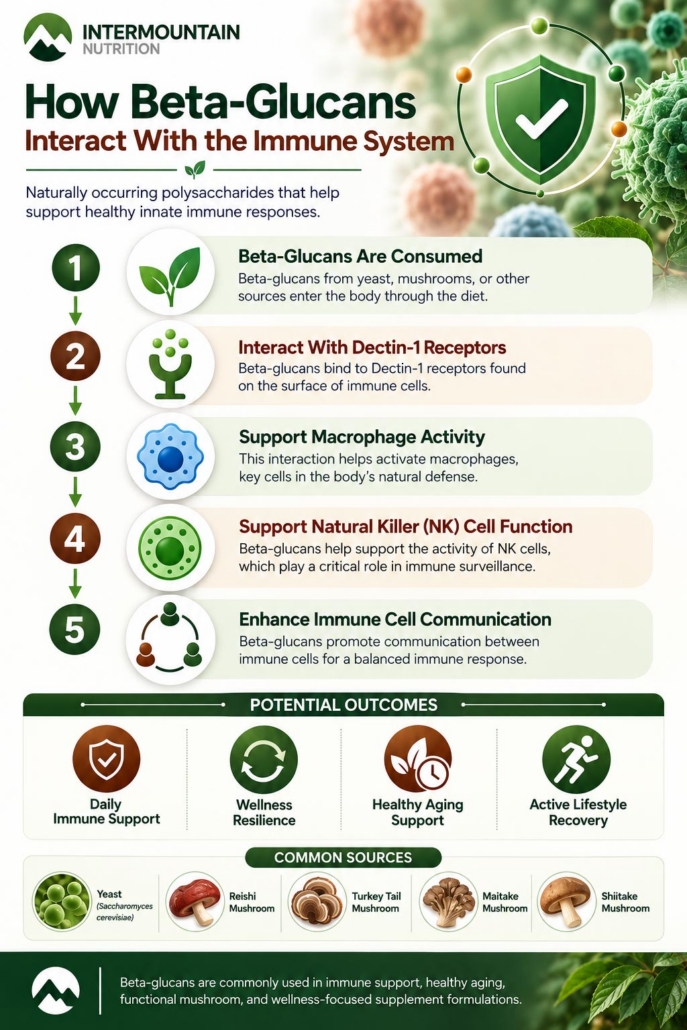
Beta-Glucans Interact With The Immune System

Research models suggest that particulate beta-glucans can interact with gut-associated lymphoid tissue, including Peyer’s patches in the small intestine. Microfold cells, or M cells, may participate in transporting beta-glucan particles across the intestinal epithelium, where macrophages and other immune cells can encounter them.

However, some details of the absorption, transport, fragmentation, and systemic handling of orally consumed beta-glucans remain under investigation. Therefore, brands should avoid overly simplistic diagrams suggesting that an intact beta-glucan molecule enters the bloodstream and directly activates immune cells throughout the body.

A more accurate consumer-facing explanation is:

Beta-glucan consumption → interaction with gut-associated immune tissues → recognition by innate immune cells → receptor-mediated signaling → coordinated immune responses

Macrophages Help Coordinate Innate Immune Responses

Macrophages are specialized white blood cells capable of engulfing foreign material and cellular debris through phagocytosis. They also release signaling molecules that help coordinate immune activity.

Dectin-1 is particularly important in macrophage recognition of certain beta-glucans. When appropriately presented beta-glucans engage the receptor, downstream signaling can influence macrophage functions including phagocytosis and cytokine production.

This macrophage interaction represents one of the strongest mechanistic links between beta-glucans and innate immunity.

Neutrophils Provide Rapid Immune Defense

Neutrophils are highly abundant white blood cells and rapid responders within innate immunity. They recognize beta-glucans through receptors that include CR3 and Dectin-1, although the relative importance of each pathway differs according to the cell and beta-glucan preparation.

Because neutrophils respond rapidly to immune challenges, their interaction with beta-glucans contributes to the broader scientific rationale for using specific beta-glucans in immune support products.

Dendritic Cells Connect Innate & Adaptive Immunity

Dendritic cells have another important role: they help bridge innate and adaptive immune responses.

These cells detect environmental signals, process antigens, and communicate with T cells. Dectin-1 signaling in dendritic cells can influence cytokine production and other processes involved in coordinating subsequent immune responses.

For brands, this provides a more sophisticated way to explain beta-glucans. Their relevance extends beyond a single immune cell and involves communication across interconnected components of immune function.

What About Natural Killer Cells?

Natural killer cells are part of innate immunity and contribute to immune surveillance. However, they should not be described as a major Dectin-1-expressing cell population.

Instead, beta-glucan-related effects involving NK cells can occur through other mechanisms, including CR3-associated interactions and signaling generated elsewhere within the immune network.

This distinction is important for scientifically accurate beta-glucan content.

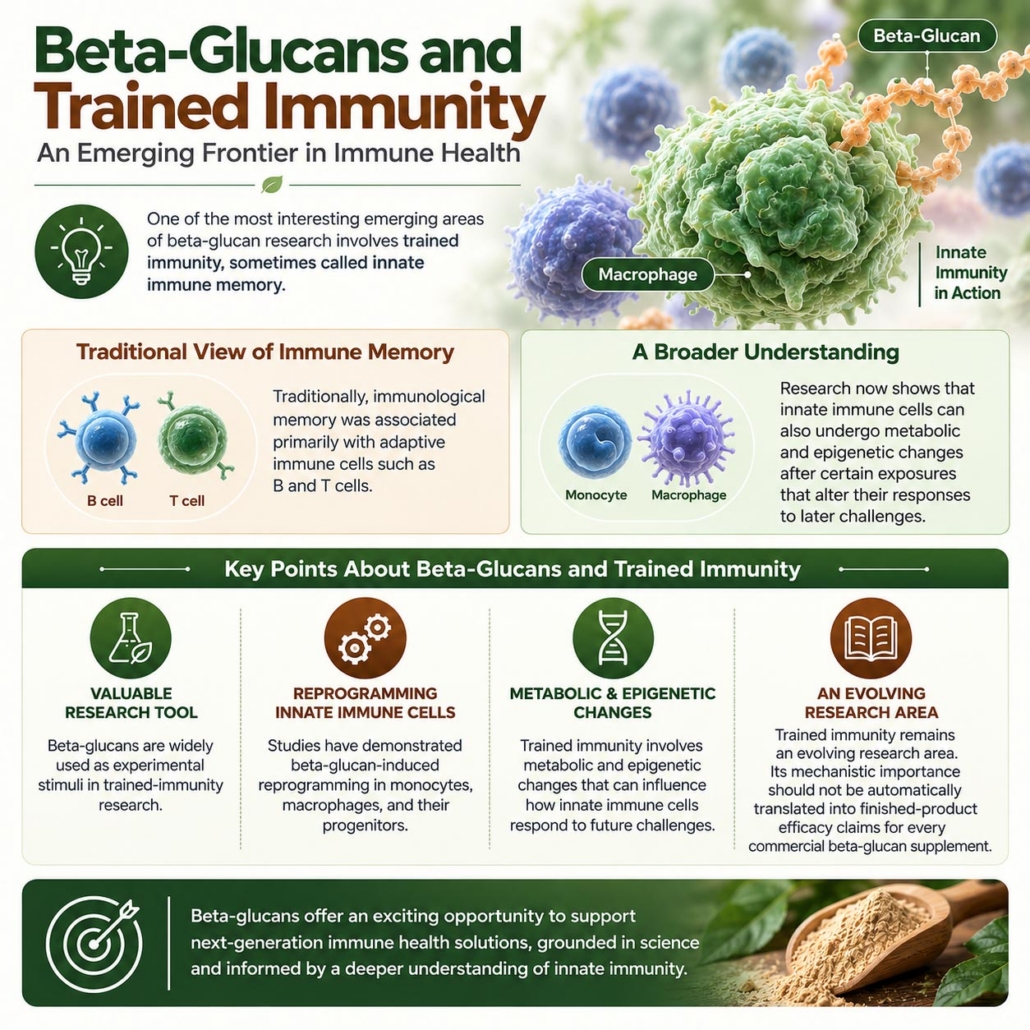
Beta-Glucans & Trained Immunity

One of the most interesting emerging areas of beta-glucan research involves trained immunity, sometimes called innate immune memory.

Traditionally, immunological memory was associated primarily with adaptive immune cells such as B and T cells. Research now shows that innate immune cells can also undergo metabolic and epigenetic changes after certain exposures that alter their responses to later challenges.

Beta-glucans are widely used as experimental stimuli in trained-immunity research. Studies have demonstrated beta-glucan-induced reprogramming in monocytes, macrophages, and their progenitors.

However, trained immunity remains an evolving research area. Its mechanistic importance should not be automatically translated into finished-product efficacy claims for every commercial beta-glucan supplement.

Key Takeaway for Supplement Brands

Beta-glucans interact with a network of innate immune receptors and cells rather than functioning as a simple immune “on switch.” Dectin-1 is particularly important for macrophage and other myeloid-cell recognition, while CR3 contributes to beta-glucan responses in neutrophils and other immune cells.

INFOGRAPHICS: Beta-Glucans & Trained Immunity

Which Ingredients Pair Well With Beta-Glucans in Immune Support Formulas?

Beta-glucans do not need to carry an entire immune formulation alone. In fact, one of their biggest advantages is the ability to complement familiar vitamins, minerals, probiotics, and functional mushrooms while giving the product a more differentiated mechanism story.

The strongest combination depends on the consumer, format, claims strategy, and intended use occasion.

Vitamin C Adds Familiar Antioxidant and Immune Support

Vitamin C remains one of the most recognizable immune-health nutrients. It contributes to normal immune function and antioxidant protection, making it a logical companion for beta-glucans.

For brands, the combination can balance consumer familiarity with ingredient differentiation. Vitamin C provides an immediately recognizable nutritional anchor, while beta-glucans introduce a more specialized immune-modulation story.

This combination can work particularly well in gummies, powders, stick packs, and daily immune formulas.

Vitamin D Supports a Broader Daily Wellness Strategy

Vitamin D plays established roles in immune function in addition to its better-known contributions to bone and mineral metabolism.

Pairing vitamin D with beta-glucans can help shift an immune formula toward daily foundational wellness, particularly for brands trying to move away from highly seasonal positioning.

The combination can also fit naturally into healthy aging and whole-body wellness concepts.

Zinc Provides Another Foundational Immune Nutrient

Zinc contributes to normal immune function and numerous cellular processes. It is also one of the ingredients consumers most readily associate with immune support.

A formula combining beta-glucans, vitamin C, vitamin D, and zinc creates an intuitive architecture:

Recognizable foundational nutrients + differentiated beta-glucan support

However, more ingredients do not automatically create a better formula. Brands should consider dose, serving size, sensory characteristics, assay requirements, stability, and finished-product cost before building an overly complex active panel.

Functional Mushrooms Can Extend the Product Story

Functional mushrooms create a different strategic opportunity.

Reishi, turkey tail, maitake, and shiitake naturally contain beta-glucans and can support mushroom-forward positioning. However, formulators should distinguish between adding a standardized yeast beta-glucan to a mushroom formula and relying on mushroom ingredients themselves as the beta-glucan source.

When mushrooms are central to the concept, supplier documentation should identify:

  • Fungal species
  • Plant/fungal part or material used
  • Fruiting body versus mycelium
  • Extraction method
  • Beta-glucan content
  • Alpha-glucan content where relevant
  • Total polysaccharides
  • Identity and purity testing

This level of detail helps brands avoid treating “mushroom polysaccharides” and “beta-glucans” as synonymous terms.

Probiotics Create a Gut-Immune Positioning Opportunity

The gastrointestinal tract contains extensive immune tissue and plays an important role in host-microbe interactions. Consequently, beta-glucans can also fit within products designed around the gut-immune axis.

Combining beta-glucans with carefully selected probiotic strains may create a compelling multifunctional concept. However, probiotic formulation introduces additional technical considerations, including strain selection, potency through shelf life, moisture, temperature exposure, packaging, and compatibility with the finished delivery system.

The scientific substantiation should also remain ingredient- and strain-specific.

Choose Pairings Based on the Product Strategy

Rather than beginning with a long list of popular immune ingredients, brands can build more coherent formulas by starting with the intended consumer benefit.

Product Concept Beta-Glucan Role Complementary Ingredients to Consider
Daily Immune Support Differentiated innate immune support Vitamin C, vitamin D, zinc
Functional Mushroom Wellness Standardized beta-glucan platform or mushroom-derived component Reishi, turkey tail, maitake, shiitake
Gut-Immune Support Immune-focused polysaccharide Selected probiotics, prebiotic fibers, postbiotics
Healthy Aging + Resilience Immune resilience component Vitamin D, zinc, antioxidant nutrients, selected mushroom extracts
Active Lifestyle Immune Support Everyday immune support during demanding routines Vitamin C, vitamin D, zinc, hydration-support ingredients
Seasonal Wellness Core immune-support ingredient Vitamin C, zinc, vitamin D and selected botanicals

Keep the Formula Focused

A strong beta-glucan product does not need every ingredient associated with immunity.

In many cases, a focused formula with a well-characterized beta-glucan and two or three complementary ingredients creates a clearer consumer proposition than a crowded panel containing numerous underdosed actives.

For brands, the goal should be to make every ingredient earn its place through mechanistic relevance, substantiation, formulation compatibility, consumer understanding, and commercial viability.

Key Takeaway

Beta-glucans work best as part of a deliberate formulation strategy rather than an ingredient checklist. Pairing a well-characterized beta-glucan with familiar immune nutrients, functional mushrooms, or gut-health ingredients can create distinct product platforms for daily immunity, healthy aging, functional mushroom wellness, and gut-immune support.

Market Trends Driving Beta-Glucan Supplement Innovation

The beta-glucan market is expanding as consumers look for functional ingredients that fit broader goals around immune health, gut health, cardiovascular wellness, and everyday nutrition. For supplement brands, this growth creates opportunities to move beta-glucans beyond traditional seasonal immune products and into more targeted wellness concepts.

The Global Beta-Glucan Market Is Growing

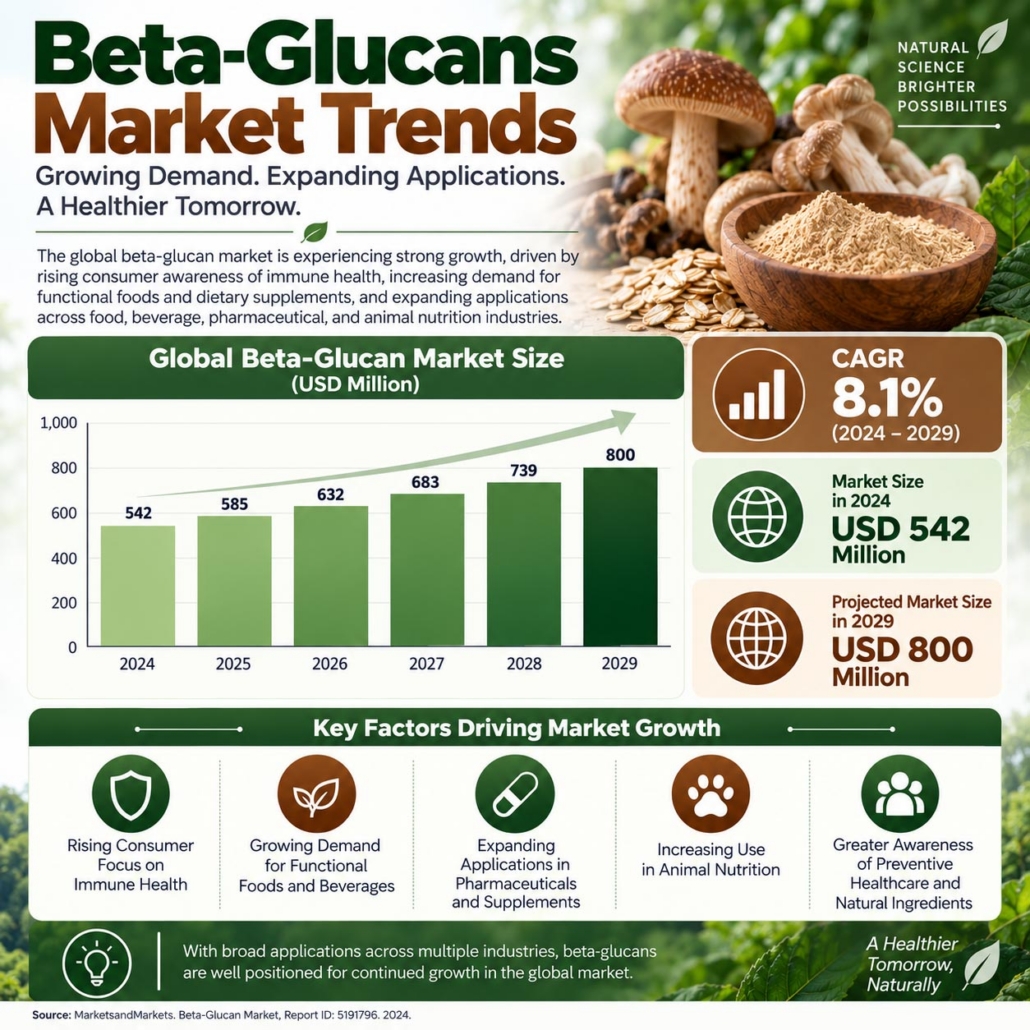
MarketsandMarkets estimates the global beta-glucan market at $542 million in 2024 and projects it will reach $800 million by 2029, representing an 8.1% compound annual growth rate (CAGR). The report covers beta-glucans from cereals and grains, mushrooms, yeast, and seaweed across applications that include dietary supplements, foods, pharmaceuticals, personal care, and other categories.

This forecast provides a useful indicator of broader commercial momentum. However, it is important to recognize that the figure represents the overall beta-glucan market, not dietary supplements alone.

INFOGRAPHIC: Beta-Glucans Market Trends

Immune Health Is Helping Drive Supplement Demand

For supplement brands, one of the most relevant findings is the role of immune health. MarketsandMarkets identifies growing awareness of immune health, cholesterol management, and gut health as factors supporting beta-glucan demand.

The report also specifically identifies dietary supplements as an application segment and cites demand for immune support, cholesterol reduction, and improved gut health as drivers within that segment.

This creates room for more diversified product development. Beta-glucans can support concepts built around daily immune wellness, gut-immune health, healthy aging, functional mushrooms, and broader resilience rather than being restricted to cold-weather or seasonal formulations.

Source-Specific Positioning Creates More Meaningful Differentiation

As discussed throughout this article, beta-glucan source matters. MarketsandMarkets notes growing demand for beta-glucans derived from oats, barley, yeast, and mushrooms. It also identifies yeast beta-glucans as particularly relevant to nutraceutical applications, while cereal-derived beta-glucans remain important in functional foods.

For supplement brands, this reinforces an important product-development principle: simply adding “beta-glucan” is not enough.

The source, linkage pattern, purity, standardization, processing method, dose, and supporting research can all influence how an ingredient fits a finished product. As a result, stronger formulations can differentiate around what kind of beta-glucan they contain and why it was selected.

Natural Ingredients Are Supporting Broader Adoption

MarketsandMarkets also identifies increasing demand for natural and plant-based ingredients as an opportunity for the category. Its market analysis points to growing interest in clean-label products, functional foods, fortified products, personalized nutrition, and immune-health supplements.

That combination makes beta-glucans particularly interesting for brands developing modern immune-health products. Instead of competing solely through larger ingredient panels, brands can focus on well-characterized ingredients, appropriate doses, credible substantiation, and formulations designed around a clearly defined consumer need.

Key Takeaway

The commercial opportunity surrounding beta-glucans extends beyond market growth alone. As the category expands, source specificity, scientific substantiation, ingredient quality, and targeted formulation are becoming increasingly important differentiators.

For supplement brands, that creates an opportunity to develop beta-glucan products with a more sophisticated story—one that connects the right beta-glucan source with a specific health objective, complementary ingredients, appropriate delivery format, and evidence-based positioning.

What These Trends Mean for Supplement Brands

The opportunity is not simply to add beta-glucan to another immune formula. Brands can use the ingredient to create more specific product concepts around:

  • Daily immune resilience
  • Gut-immune wellness
  • Functional mushroom nutrition
  • Healthy aging
  • Active lifestyle support
  • Travel wellness
  • Family wellness
  • Proactive health routines

Key Takeaway: Beta-glucans can help brands reposition immunity as a year-round wellness benefit. The strongest opportunities connect a well-characterized beta-glucan with a clearly defined consumer, use occasion, and complementary health platform.

Flavoring & Sensory Considerations for Beta-Glucan Supplements

Beta-glucans can work across several supplement formats, but sensory performance depends heavily on the source and accompanying ingredients. Consequently, flavor development should begin alongside active-ingredient selection rather than after the formula has been finalized.

Yeast & Mushroom Ingredients Can Introduce Savory Notes

Purified yeast beta-glucans may have relatively modest sensory effects at appropriate inclusion levels. However, yeast-derived materials can introduce subtle fermented, cereal-like, or savory characteristics depending on purity and processing.

Mushroom ingredients can create a greater sensory challenge. Reishi, turkey tail, maitake, and other mushroom materials may contribute earthy, woody, bitter, or umami notes.

The sensory profile therefore depends on the entire ingredient system, not simply the stated beta-glucan dose.

Fruit Profiles Can Help Balance Earthy Ingredients

Bright fruit flavors provide a useful counterpoint to earthy or savory notes. Depending on the formula, strong candidates include:

  • Mixed berry
  • Blackberry
  • Blueberry
  • Raspberry
  • Strawberry
  • Orange
  • Lemon
  • Lime
  • Mango
  • Tropical fruit
  • Pomegranate

Acidity can add brightness and help create separation from earthy background notes. However, the acid system, sweetener system, active ingredients, and flavor should be evaluated together because excessive acidity can introduce its own sensory and stability challenges.

Warm Flavor Systems Offer Another Direction

Not every beta-glucan product needs a bright fruit profile.

Vanilla, apple-cinnamon, chai spice, and other warm flavors can work particularly well with mushroom-forward or healthy-aging concepts. Instead of completely masking earthy notes, these systems may incorporate them into an intentional sensory profile.

This approach can be especially useful for powdered products where a creamy or warming flavor experience supports the overall product concept.

Texture & Mouthfeel Matter in Beta-Glucan Products

Beta-glucans are polysaccharides, so their molecular characteristics can influence water interactions, solubility, aggregation, viscosity, and texture. Molecular weight and concentration are particularly important determinants of viscosity in beta-glucan systems.

Beta-Glucan Powder Supplements

A beta-glucan that performs well in a capsule may behave very differently in a powder intended to be mixed with water.

Formulators should evaluate:

  • Dispersibility
  • Solubility
  • Viscosity
  • Mouthfeel
  • Sedimentation
  • Clumping
  • Foam formation
  • Flavor release
  • Aftertaste

These characteristics should be tested in the actual finished-product matrix rather than predicted from the raw ingredient specification alone.

Agglomeration Can Improve Powder Performance

For powdered supplement applications, particle engineering can sometimes improve the consumer experience.

Agglomeration combines fine particles into larger, more porous granules. Depending on the ingredient system, this can improve wetting, dispersibility, flow, and mixing behavior.

However, processing decisions should not be made solely for convenience. Because molecular structure and processing can alter beta-glucan physicochemical properties, manufacturers should verify that the finished ingredient continues to meet the intended specifications.

Gummies Present Different Constraints

In gummies, beta-glucan inclusion must work within a much smaller active payload.

Formulators need to balance the target dose against gummy size, texture, moisture, sweetness, acidity, and other active ingredients. If mushrooms, minerals, or high-dose vitamins are included alongside beta-glucans, taste masking and payload management can become substantially more challenging.

For that reason, a focused beta-glucan gummy may offer better sensory performance than an overloaded “everything immunity” formula.

Palatability Is Part of Product Performance

Consumers cannot benefit from a supplement they dislike enough to stop taking.

For powders and gummies in particular, palatability should be treated as a core development criterion. Taste, aroma, texture, mouthfeel, sweetness, aftertaste, and appearance all contribute to the consumer experience.

Key Takeaway: Beta-glucan sensory performance is highly formulation-dependent. Selecting the flavor system, sweetener strategy, delivery format, and beta-glucan source together can reduce reformulation and create a more commercially viable finished product.

How Supplement Brands Can Differentiate Beta-Glucan Products

The commercial opportunity with beta-glucans is not simply to launch another “immune support” supplement. The category already contains countless products built around familiar combinations of vitamin C, vitamin D, zinc, elderberry, echinacea, and other established ingredients.

Beta-glucans give brands an opportunity to tell a more differentiated story.

Lead With a Specific Product Concept

A product positioned simply as “immune support” competes with an enormous number of alternatives.

A more specific concept can give consumers a clearer reason to choose the product.

Product Platform Core Consumer Need Beta-Glucan Strategy Supporting Formula Direction
Daily Immune Resilience Year-round immune wellness Standardized yeast beta-glucan Vitamin D + zinc
Gut + Immune Support Connected digestive and immune wellness Characterized beta-glucan Probiotic strains + prebiotic fiber
Functional Mushroom Immunity Mushroom-forward natural wellness Standardized mushroom beta-glucans or yeast beta-glucan foundation Reishi + turkey tail + maitake
Healthy Aging + Immunity Maintaining wellness with age Evidence-backed beta-glucan Vitamin D + zinc + antioxidant nutrients
Active Lifestyle Immunity Wellness during demanding routines Yeast beta-glucan Vitamin C + vitamin D + complementary nutrients
Seasonal Immune Support Periods of increased immune concern Yeast beta-glucan Vitamin C + D + zinc + selected botanicals

The value of this framework is focus. Each concept answers a different consumer need even though beta-glucan remains the central differentiating ingredient.

Beta-Glucans For Immune Supplement Formulation

Daily Immune Support: Build for Everyday Consistency

Target segments: Wellness-focused adults, busy professionals, parents, routine supplement users, and consumers who want proactive immune support rather than a product they reach for only when seasonal concerns arise.

Daily immune support is arguably the broadest opportunity for beta-glucans. The goal should be to reposition immunity as part of an everyday wellness routine—not something consumers think about only during cold-and-flu season. That means the formula needs to be simple, approachable, and easy to take consistently.

A standardized yeast beta-1,3/1,6-glucan can serve as the hero ingredient, supported by familiar foundational nutrients such as vitamin D and zinc. Vitamin C may also make sense, particularly in gummies or powders where consumers expect it, but brands do not necessarily need to recreate the conventional high-dose vitamin C immune formula. Instead, beta-glucan should provide the product’s differentiated science story.

For this segment, capsules, gummies, or convenient stick packs can all work. Gummies may broaden consumer appeal, while capsules support a more clinical, science-forward position. Stick packs can reinforce portability and daily routine. In each case, brands should prioritize a manageable serving size and straightforward benefit proposition.

Product concept: A focused daily immune formula featuring a clinically relevant dose of a characterized yeast beta-glucan plus vitamin D and zinc, positioned around everyday immune function and resilience.

Beta-Glucans For Immune Supplement Formulation

Healthy Aging + Resilience: Position Immune Health as Part of Longevity

Target segments: Adults 50+, active agers, longevity-focused consumers, preventive-wellness consumers, and adults looking to maintain function and resilience as they age.

Healthy aging creates an opportunity to take beta-glucans outside the traditional immunity aisle entirely. Immune function changes with age, so immune resilience can become one component of a broader strategy focused on maintaining health and function over time.

The formula should reflect that broader purpose. A standardized beta-glucan can provide the immune-health component, while a small number of complementary nutrients can support the overall healthy-aging story. Vitamin D may be particularly logical because of its established physiological roles and consumer familiarity. Depending on the concept, antioxidant nutrients or selected functional mushroom ingredients may also fit.

However, this is a category where brands should be especially cautious about excessive formulation complexity. Longevity formulas can quickly become expensive collections of trendy ingredients. A beta-glucan product does not need to contain every compound associated with healthy aging to be credible.

Capsules or powders are likely the strongest formats. Capsules can communicate precision and clinical credibility, while powders can support a more comprehensive daily wellness ritual. Packaging and messaging should feel proactive and sophisticated rather than medicalized.

Product concept: A streamlined healthy-aging formula combining a characterized beta-glucan with carefully selected foundational nutrients, positioned around immune resilience and maintaining wellness with age.

Beta Glucans For Immune Supplement Formulation

Gut + Immune Support: Connect Two Closely Related Wellness Priorities

Target segments: Digestive-health consumers, probiotic users, microbiome-conscious consumers, wellness-focused adults, and consumers seeking multifunctional supplements.

Gut + immune support gives brands an opportunity to build a more sophisticated product around the relationship between gastrointestinal and immune function. Rather than simply putting a probiotic and beta-glucan into the same formula, however, the product should be designed around a coherent gut-immune strategy.

A characterized beta-glucan can provide the immune component, while carefully selected probiotic strains, prebiotic fibers, or postbiotics provide complementary microbiome positioning. Ingredient specificity matters here. Probiotic benefits are strain-specific, and beta-glucan evidence is preparation-specific, so brands should avoid making broad claims based simply on the presence of both ingredient categories.

Powders and stick packs can be particularly attractive because they provide more room for prebiotic fibers and other ingredients. Capsules offer a simpler route for formulas combining beta-glucan with selected probiotics or postbiotics. Gummies are possible, but payload, water activity, probiotic stability, and sensory requirements can make development more complex.

The key is restraint. A gut + immune product does not need beta-glucan, five probiotic strains, three fibers, digestive enzymes, mushrooms, botanicals, and vitamins all in one serving. A smaller number of well-selected ingredients can create a clearer scientific and commercial proposition.

Product concept: A beta-glucan-centered gut-immune formula combined with targeted microbiome support, such as a substantiated probiotic, prebiotic, or postbiotic system.

Beta-Glucans for Immune Supplement Formulations

Seasonal Wellness: Modernize the Traditional Immune Formula

Target segments: Mainstream immune-support shoppers, families, travelers, teachers, healthcare workers, students, and consumers who increase supplement use during fall and winter or other periods of heightened immune concern.

Seasonal wellness remains a commercially relevant beta-glucan platform even as the category expands toward year-round immunity. The opportunity is to improve the conventional seasonal formula rather than abandon it.

A standardized yeast beta-glucan can provide differentiation from products built almost entirely around vitamin C and zinc. Those familiar nutrients can remain in the formula, along with vitamin D or carefully selected botanicals, but the beta-glucan gives brands a deeper immune-science story around innate immune recognition and modulation.

This audience may also respond particularly well to gummies, capsules, and portable stick packs. Gummies can work for approachable family or mainstream wellness positioning, while capsules may appeal to adults seeking stronger science credentials. Stick packs can create compelling travel, workplace, or on-the-go seasonal concepts.

The temptation will be to add every recognizable seasonal ingredient. Brands should resist it. A focused formula containing beta-glucan plus a few familiar immune nutrients can deliver a cleaner label, more meaningful doses, fewer assays, easier sensory development, and potentially better COGS.

Product concept: A modern seasonal immune supplement that combines a standardized yeast beta-glucan with recognizable foundational immune nutrients, giving consumers familiarity while providing the brand with a more differentiated mechanism story.

Beta-Glucans for Immune Supplement Formulations

Functional Mushroom Wellness: Make Beta-Glucan Content Measurable

Target segments: Functional mushroom consumers, natural wellness shoppers, biohackers, younger wellness consumers, healthy-aging consumers, and consumers already familiar with reishi, turkey tail, maitake, shiitake, or other medicinal mushrooms.

Functional mushroom products provide one of the most natural platforms for beta-glucan differentiation. However, this is also where brands can move beyond the increasingly common practice of simply putting several mushroom names on the front of a package.

The formulation strategy should emphasize mushroom quality and characterization. Brands can evaluate fruiting-body versus mycelial material, fungal species, extraction, beta-glucan content, alpha-glucans, and analytical methodology. If beta-glucans are central to the positioning, verified beta-glucan content can provide a more meaningful specification than total polysaccharides alone.

There are two viable formulation strategies. A brand can formulate around mushroom ingredients that provide characterized beta-glucans, or it can use a standardized yeast beta-glucan as the immune foundation and add selected mushrooms for complementary positioning. Those are different product stories and should be communicated accordingly.

Capsules are an excellent fit for concentrated mushroom formulations. Powders can create a more experiential wellness product, particularly with cocoa, chai, vanilla, coffee, or other warm flavor systems that complement earthy mushroom notes. This platform also offers substantial educational-content potential because brands can explain species, sourcing, extraction, beta-glucan standardization, and mushroom quality.

Product concept: A transparent, analytically characterized functional mushroom formula built around verified beta-glucan content rather than mushroom milligrams alone.

Beta-Glucans For Immune Supplement Formulation

Active Lifestyle Immune Support: Formulate for Consumers Under Physical Demand

Target segments: Runners, endurance athletes, frequent gym users, outdoor enthusiasts, highly active adults, and performance-oriented consumers who already maintain structured nutrition and supplement routines.

Active consumers create a distinct use case because demanding exercise and training schedules can intersect with recovery, travel, sleep, nutrition, and immune-health concerns. Beta-glucans are particularly interesting here because yeast beta-glucans have been investigated in physically active populations, including marathon runners.

The product should not try to compete with a pre-workout or sports-performance supplement. Instead, brands can position it as part of the wellness infrastructure that supports an active lifestyle. A characterized yeast beta-glucan could anchor the formula, with vitamin D, vitamin C, zinc, or other carefully selected nutrients providing complementary nutritional support.

Format is especially important. Stick packs and powders can fit naturally into an athlete’s existing routine and offer opportunities to incorporate hydration-oriented positioning. Capsules are also attractive for serious sports-nutrition consumers who prioritize convenience and precise dosing.

A dedicated active-lifestyle formula may also provide a stronger commercial story than simply adding beta-glucan to an already overloaded pre-workout. The use occasion is different: this is a daily wellness and resilience product for active consumers, not an acute performance product.

Product concept: A portable daily immune-support formula centered on a researched yeast beta-glucan and designed specifically for athletes and highly active consumers.

Choosing the Right Beta-Glucan Product Platform

These six platforms illustrate why beta-glucans should not be treated as a one-category ingredient. The same core ingredient can support very different products depending on the target consumer, evidence base, supporting ingredients, delivery format, use occasion, and brand positioning.

For brands, the most important decision should come before ingredient selection: Who is this product for, and what job should it perform in that consumer’s routine? Once that is clear, the beta-glucan source, specifications, dose, complementary actives, format, and claims strategy can be built around a much more focused commercial objective.

Strategic Opportunities for Beta-Glucan Immune Support Brands

Beta-glucans represent more than another ingredient option for the immune category. They provide a platform for brands to rethink how immune wellness fits into consumers’ everyday routines.

The strongest opportunity may be moving from reactive seasonal immunity toward proactive, year-round immune support.

Build for Daily Use, Not Just Cold-and-Flu Season

Historically, many immune products have been marketed most aggressively during fall and winter.

Beta-glucans can support a broader narrative around maintaining healthy immune function throughout the year. That positioning creates opportunities to connect immunity with travel, stress, active lifestyles, healthy aging, digestive wellness, and everyday nutritional routines.

For brands, this may help create a product with more consistent year-round relevance.

Use Better Specifications as a Competitive Advantage

The beta-glucan category can be confusing. That confusion creates an opportunity for brands willing to be more transparent.

A brand that can clearly explain where its beta-glucan comes from, how it is standardized, why that particular structure was selected, and what evidence supports it can create a stronger quality narrative.

This is particularly valuable as consumers and retail buyers become more sophisticated about functional mushrooms and other polysaccharide-rich ingredients.

Consider Beta-Glucans as a Platform Ingredient

Beta-glucans can also serve as a foundation for multiple products rather than a single SKU.

For example, a brand could develop a broader platform around:

Daily Immunity → Gut + Immune → Healthy Aging → Active Lifestyle → Functional Mushroom Wellness

Using a consistent, well-characterized beta-glucan across several formulas can help create continuity while complementary ingredients and positioning differentiate each product.

This approach may also simplify sourcing and supplier qualification compared with introducing a completely different hero ingredient for every SKU.

Formulate Around Evidence Before Marketing Claims

A successful product strategy should connect the commercial concept to the evidence from the beginning.

The process can follow a simple sequence:

Consumer need → benefit territory → evidence → ingredient specification → clinically relevant dose → format → supporting ingredients → sensory development → testing → claims → commercialization

Reversing that process—developing a trendy marketing concept first and trying to find substantiation afterward—creates unnecessary regulatory and formulation risk.

Make the Finished Product Better, Not Just the Ingredient List Longer

For supplement brands, meaningful differentiation increasingly depends on execution.

Consumers may see several products containing the same ingredients. What they cannot easily see is the work behind supplier qualification, dosage decisions, sensory development, analytical testing, stability, packaging, and scale-up.

Those details determine whether an interesting formulation becomes a consistently high-quality commercial product.

Partner With a Manufacturer That Can Support Commercialization

Beta-glucan products can involve decisions about ingredient sourcing, dosage, flavor masking, powder behavior, gummy payload, capsule fill, stability, analytical testing, packaging, and scale.

Working with an experienced supplement manufacturing partner early in development can help brands evaluate those tradeoffs before they become expensive reformulation problems.

Intermountain Nutrition works with supplement brands across formulation development, flavoring and sensory optimization, manufacturing, quality, packaging, and commercialization.

For brands exploring beta-glucan immune support products, the objective should be more than adding a trending ingredient. It should be creating a well-characterized, evidence-informed formula that can perform consistently at commercial scale.

Key Takeaway for Supplement Brands

Beta-glucans give brands an opportunity to build the next generation of immune support around daily resilience, ingredient transparency, and formulation precision. Brands that connect the right beta-glucan with meaningful dosing, complementary ingredients, strong quality specifications, and a focused consumer proposition can create products that stand apart from conventional seasonal immunity formulas.

Ready to explore a beta-glucan immune support concept? Talk with Intermountain Nutrition about developing a formula designed around your target consumer, delivery format, product positioning, and commercialization goals.

Frequently Asked Questions

Beta-glucans are naturally occurring polysaccharides made from glucose molecules joined by beta-glycosidic bonds. They occur in yeast, mushrooms and other fungi, oats, barley, algae, and certain bacteria.

However, beta-glucans are not one uniform ingredient. Their linkage patterns, branching, molecular weight, solubility, and physical structure vary by source. These differences can influence their biological activity. For immune support supplements, yeast-derived beta-1,3/1,6-glucans from Saccharomyces cerevisiae are among the most extensively studied forms. Cereal beta-glucans from oats and barley have different structures and are better established for soluble fiber and cardiometabolic applications.

Certain beta-glucans interact with pattern-recognition receptors used by the innate immune system to recognize microbial structures. Dectin-1 is one of the best-characterized receptors involved in fungal beta-glucan recognition, while complement receptor 3 (CR3) also participates in beta-glucan-related immune activity.

These interactions can influence macrophages, neutrophils, monocytes, dendritic cells, and immune signaling. Therefore, beta-glucans are better described as immunomodulatory ingredients rather than simple immune stimulants. Importantly, biological effects depend on the specific beta-glucan preparation, so findings from one ingredient should not automatically be generalized to all beta-glucans.

The primary difference is molecular structure. Yeast and many fungal beta-glucans typically contain beta-1,3 backbones with beta-1,6 branching. These structures have received considerable attention for interactions with innate immunity.

Oat and barley beta-glucans primarily contain mixed beta-1,3 and beta-1,4 linkages. They behave differently and are better known for soluble fiber and cardiometabolic benefits. Even within yeast and mushroom categories, beta-glucans can differ in molecular weight, branching, solubility, conformation, purity, and processing. Consequently, brands should select beta-glucans according to the intended application and supporting evidence rather than treating every source as interchangeable.

Yeast beta-1,3/1,6-glucans are among the most extensively characterized beta-glucans for dietary immune support. Several human clinical trials have investigated standardized preparations derived from Saccharomyces cerevisiae, including research examining respiratory-health and immune-related outcomes.

However, “yeast beta-glucan” still describes a category rather than a single standardized ingredient. Extraction, purification, molecular characteristics, dosage, and other specifications can vary between commercial materials. Brands should therefore evaluate the evidence supporting the specific beta-glucan ingredient under consideration, including whether clinical research used the same or a materially comparable preparation at a relevant dose.

No. Although yeast and many mushrooms contain beta-glucans with beta-1,3 and beta-1,6 structural features, their precise molecular characteristics can differ substantially. Mushroom beta-glucans also vary by fungal species, cultivation method, extraction, processing, and whether an ingredient comes from fruiting bodies, mycelium, or another material.

Brands should also distinguish beta-glucan content from total polysaccharide content. A mushroom extract standardized to total polysaccharides does not necessarily contain an equivalent percentage of beta-glucans. When beta-glucans are central to the product concept, ingredient specifications and appropriate analytical testing can provide a more meaningful basis for formulation and quality evaluation.

Dectin-1, also called CLEC7A, is a pattern-recognition receptor involved in innate immunity. It recognizes beta-glucan structures found in the cell walls of fungi and is expressed by several myeloid immune-cell populations, including macrophages, monocytes, neutrophils, and dendritic cells.

When an appropriate beta-glucan interacts with Dectin-1, downstream signaling can influence functions such as phagocytosis and production of immune signaling molecules. However, the response depends on beta-glucan structure and presentation. Dectin-1 is therefore an important part of the beta-glucan mechanism, but it should not be presented as a simple pathway in which every beta-glucan directly activates every immune cell.

Beta-glucans are widely used in research investigating trained immunity, an emerging concept describing longer-lasting functional changes in innate immune cells following certain exposures. Experimental studies suggest beta-glucans can induce metabolic and epigenetic reprogramming in monocytes, macrophages, and related progenitor cells.

However, this research should be interpreted carefully in the dietary supplement context. Much of the mechanistic evidence comes from experimental models, and it should not be assumed that every orally consumed commercial beta-glucan produces clinically meaningful trained immunity in humans. For supplement brands, trained immunity is best treated as an important area of emerging science rather than a broadly established finished-product benefit or marketing claim.

Beta-glucans can be formulated with established immune-health nutrients such as vitamin C, vitamin D, and zinc. They can also complement functional mushrooms or support broader gut-immune concepts containing carefully selected probiotics, prebiotics, or postbiotics.

The best combination depends on the target consumer and product positioning. A daily immune formula might pair a standardized yeast beta-glucan with vitamin D and zinc, while a functional mushroom product could emphasize characterized mushroom ingredients and standardized beta-glucan content. Rather than adding every popular immune ingredient, brands should prioritize clinically relevant doses, formulation compatibility, sensory performance, stability, testing requirements, and a clear consumer proposition.

Brands should begin with source identity and standardized beta-glucan content. Depending on the ingredient, supplier documentation may also address organism or fungal species, linkage characteristics, purity, molecular properties, particle size, solubility or dispersibility, extraction or manufacturing methods, microbiological specifications, contaminants, and analytical methodology.

Clinical substantiation deserves equal attention. If a supplier references published research, brands should determine whether the studied material corresponds to the commercial ingredient and whether the studied dose and population support the intended product positioning. The strongest sourcing strategy connects identity, specification, testing, evidence, and finished-product requirements rather than relying on beta-glucan milligrams alone.

Yes, but each format presents different formulation considerations. Capsules can accommodate straightforward beta-glucan formulas without significant taste concerns, although powder flow, particle size, and fill characteristics still matter. Gummies offer consumer-friendly delivery but impose tighter limits on payload, flavor, texture, moisture, and active-ingredient compatibility.

Powders and stick packs can provide greater formulation flexibility, particularly when higher active loads or complementary nutrients are required. However, formulators must consider dispersibility, sedimentation, viscosity, mouthfeel, clumping, and flavor. The appropriate beta-glucan source and specification should therefore be selected with the intended delivery format in mind.

References

Beta-Glucan Structure, Sources, and Immune Activity

Han, B., Baruah, K., Cox, E., Vanrompay, D., & Bossier, P. (2020). Structure-functional activity relationship of β-glucans from the perspective of immunomodulation: A mini-review. Frontiers in Immunology, 11, 658.

Volman, J. J., Ramakers, J. D., & Plat, J. (2008). Dietary modulation of immune function by β-glucans. Physiology & Behavior, 94(2), 276–284.

3. Chan, G. C. F., Chan, W. K., & Sze, D. M. Y. (2009). The effects of β-glucan on human immune and cancer cells. Journal of Hematology & Oncology, 2, 25.

Dectin-1 and Innate Immune Mechanisms

Goodridge, H. S., Wolf, A. J., & Underhill, D. M. (2009). β-Glucan recognition by the innate immune system. Immunological Reviews, 230(1), 38–50.

Goodridge, H. S., Reyes, C. N., Becker, C. A., et al. (2011). Activation of the innate immune receptor Dectin-1 upon formation of a “phagocytic synapse.” Nature, 472(7344), 471–475.

Elder, M. J., Webster, S. J., Chee, R., Williams, D. L., Hill Gaston, J. S., & Goodall, J. C. (2017). β-Glucan size controls Dectin-1-mediated immune responses in human dendritic cells by regulating IL-1β production. Frontiers in Immunology, 8, 791.

Human Clinical Research on Yeast Beta-Glucans

Stier, H., Ebbeskotte, V., & Gruenwald, J. (2014). Immune-modulatory effects of dietary yeast beta-1,3/1,6-D-glucan. Nutrition Journal, 13, 38.

Talbott, S., & Talbott, J. (2009). Effect of beta 1,3/1,6 glucan on upper respiratory tract infection symptoms and mood state in marathon athletes. Journal of Sports Science & Medicine, 8(4), 509–515.

Auinger, A., Riede, L., Bothe, G., Busch, R., & Gruenwald, J. (2013). Yeast (1,3)-(1,6)-beta-glucan helps to maintain the body’s defence against pathogens: A double-blind, randomized, placebo-controlled, multicentric study in healthy subjects. European Journal of Nutrition, 52(8), 1913–1918.

Dharsono, T., Rudnicka, K., Wilhelm, M., & Schoen, C. (2019). Effects of yeast (1,3)-(1,6)-beta-glucan on severity of upper respiratory tract infections: A double-blind, randomized, placebo-controlled study in healthy subjects. Journal of the American College of Nutrition, 38(1), 40–50.

Mah, E., Kaden, V. N., Kelley, K. M., & Liska, D. J. (2020). Soluble and insoluble yeast β-glucan differentially affect upper respiratory tract infection in marathon runners: A double-blind, randomized placebo-controlled trial. Journal of Medicinal Food, 23(4), 416–419.

Emerging Trained-Immunity Research

Moerings, B. G. J., de Graaff, P., Furber, M., Witkamp, R. F., Debets, R., Mes, J. J., van Bergenhenegouwen, J., & Govers, C. (2021). Continuous exposure to non-soluble β-glucans induces trained immunity in M-CSF-differentiated macrophages. Frontiers in Immunology, 12, 672796.

Related Postings

Andrographis for Immunity Support Supplements
STOCK FORMULA: Elderberry Gummies for Immune Support
Bees Using Propolis As a to Build the Honeycomb Structure of Their Hive