Propolis Origins, Hive Function, and Botanical Sources
Choi, K., & Kim, J. Y. (2026). Botanical origin and compositional variability of bee-derived propolis in relation to current clinical evidence and nutraceutical applications. Applied Biological Chemistry, 69, Article 62.
Dezmirean, D. S., Paşca, C., Moise, A. R., & Bobiş, O. (2021). Plant sources responsible for the chemical composition and main bioactive properties of poplar-type propolis. Plants, 10(1), Article 22.
Ristivojević, P., Trifković, J., Andrić, F., & Milojković-Opsenica, D. (2015). Poplar-type propolis: Chemical composition, botanical origin and biological activity. Natural Product Communications, 10(11), 1869–1876.
Sartori, A. G. O., Spada, F. P., Ribeiro, V. P., Rosalen, P. L., Ikegaki, M., Bastos, J. K., & de Alencar, S. M. (2021). An insight into the botanical origins of propolis from permanent preservation and reforestation areas of southern Brazil. Scientific Reports, 11, Article 22043.
Wang, X., Hu, H., Luo, Z., Liu, Y., & Zhang, H. (2018). A plant origin of Chinese propolis: Populus canadensis Moench. Journal of Apicultural Research, 57(2), 228–245.
Propolis Types and Antioxidant Activity
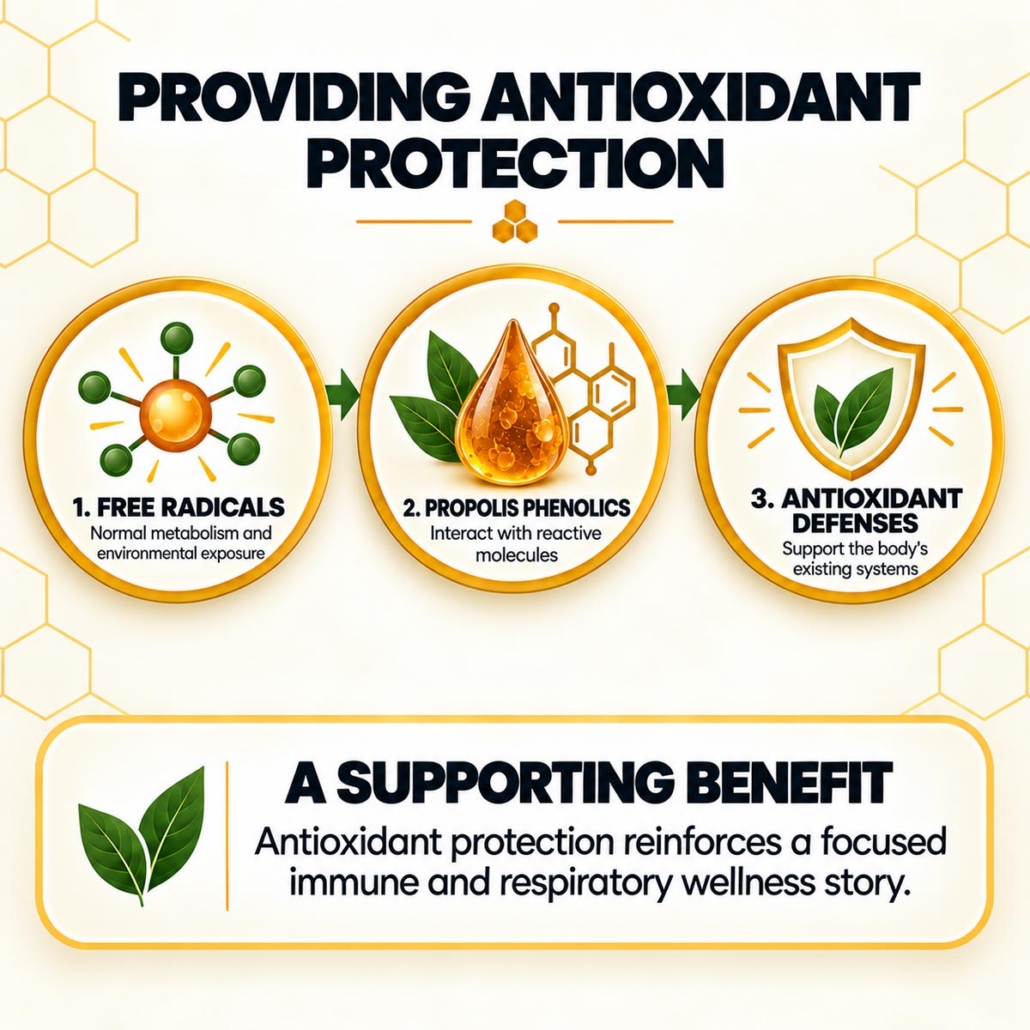
Vieira, A. L. S., Correia, V. T. V., Ramos, A. L. C. C., da Silva, N. H. A., Jaymes, L. A. C., Melo, J. O. F., de Paula, A. C. C. F. F., Garcia, M. A. V. T., & Araújo, R. L. B. (2023). Evaluation of the chemical profile and antioxidant capacity of green, brown, and dark propolis. Plants, 12(18), Article 3204.
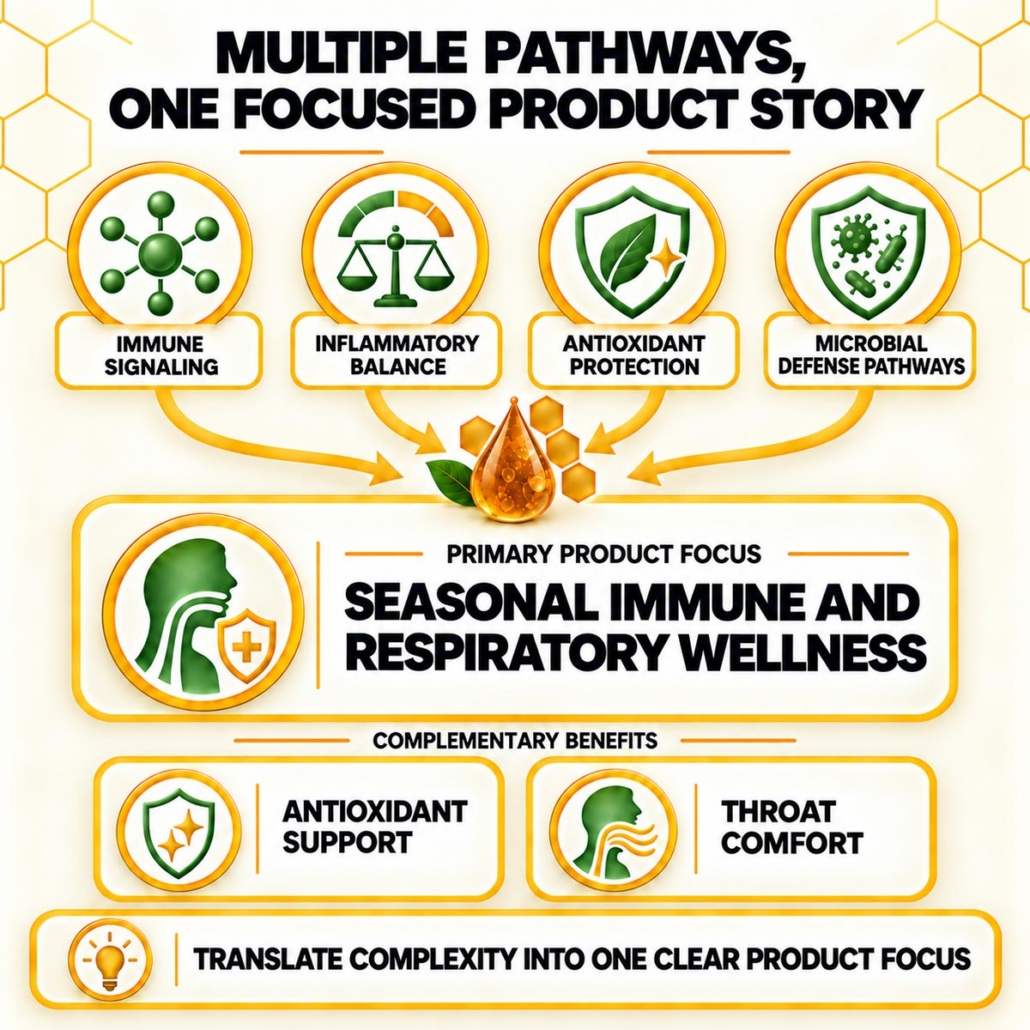
Immune Activity and Seasonal Respiratory Wellness
Esposito, C., Garzarella, E. U., Bocchino, B., D’Avino, M., Caruso, G., Buonomo, A. R., Sacchi, R., Galeotti, F., Tenore, G. C., Zaccaria, V., & Daglia, M. (2021). A standardized polyphenol mixture extracted from poplar-type propolis for remission of symptoms of uncomplicated upper respiratory tract infection (URTI): A monocentric, randomized, double-blind, placebo-controlled clinical trial. Phytomedicine, 80, Article 153368.
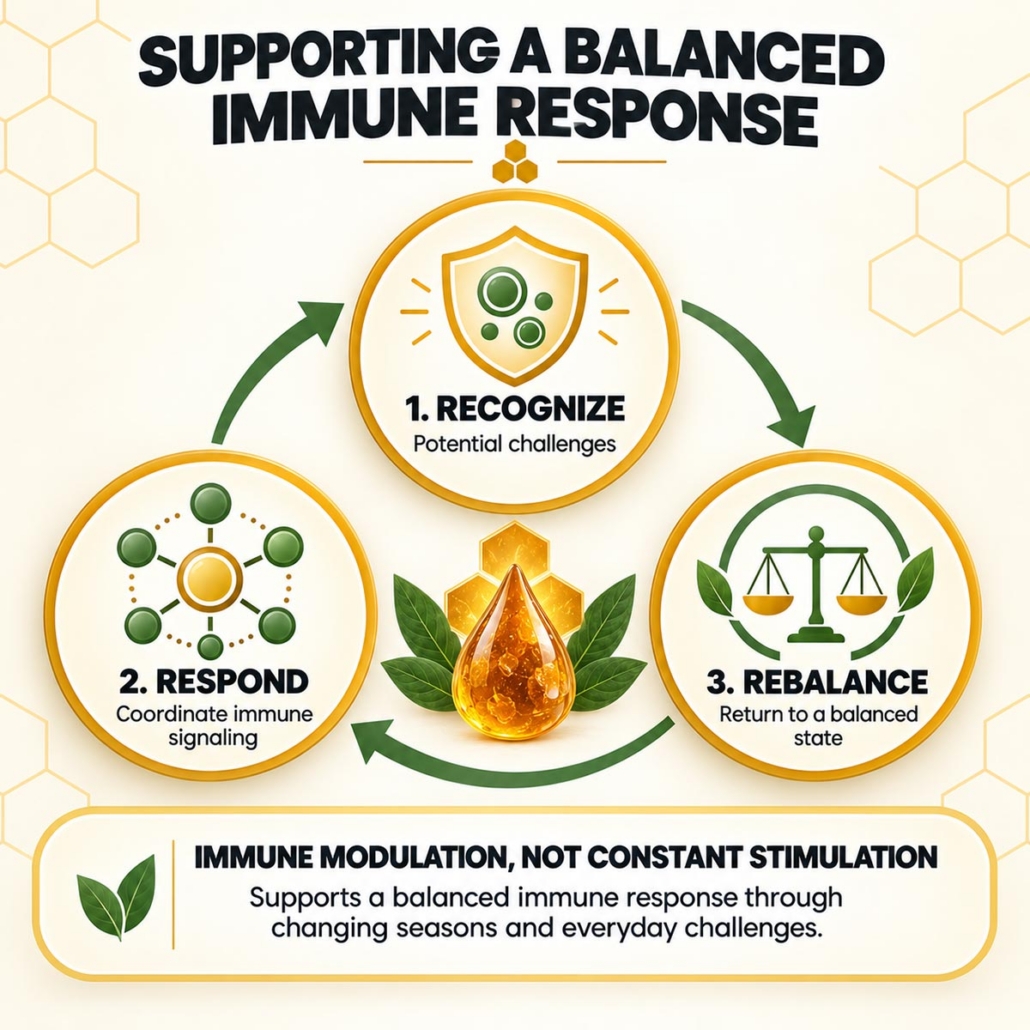
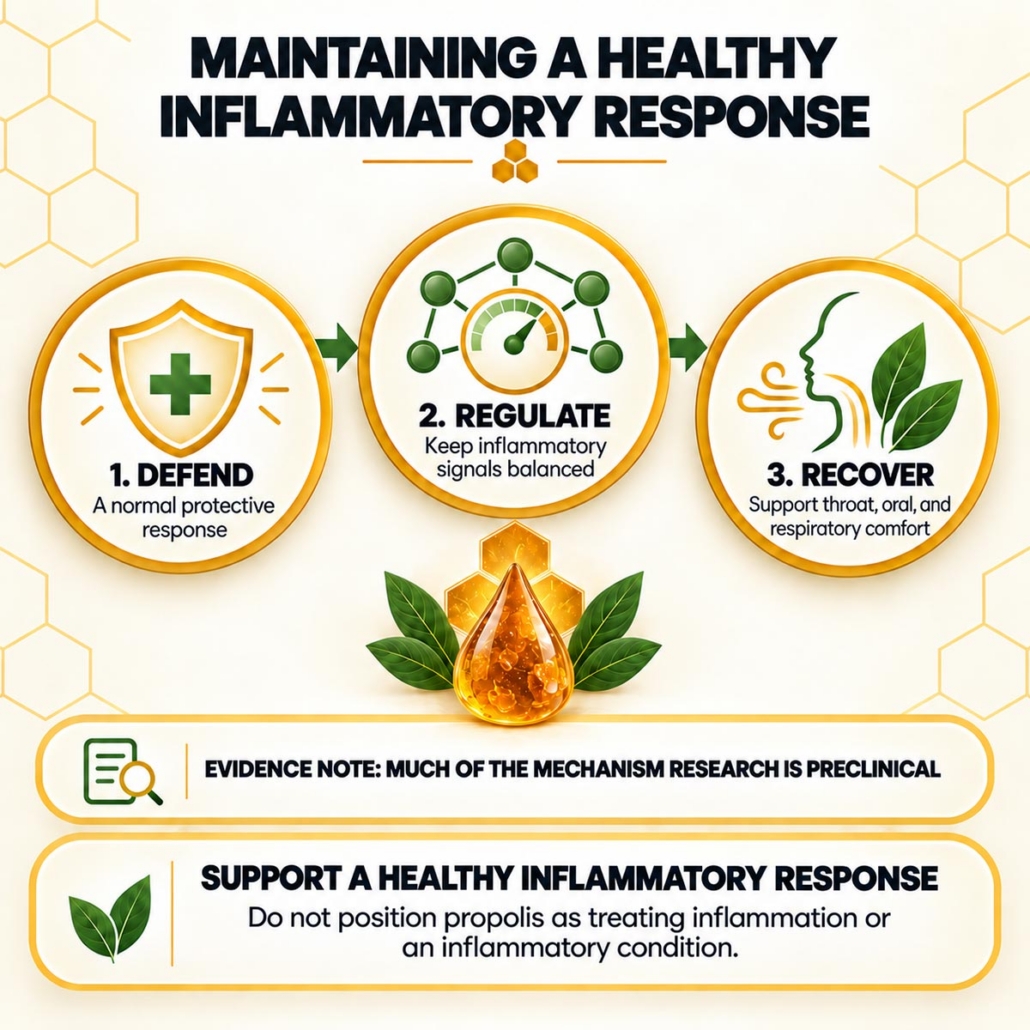
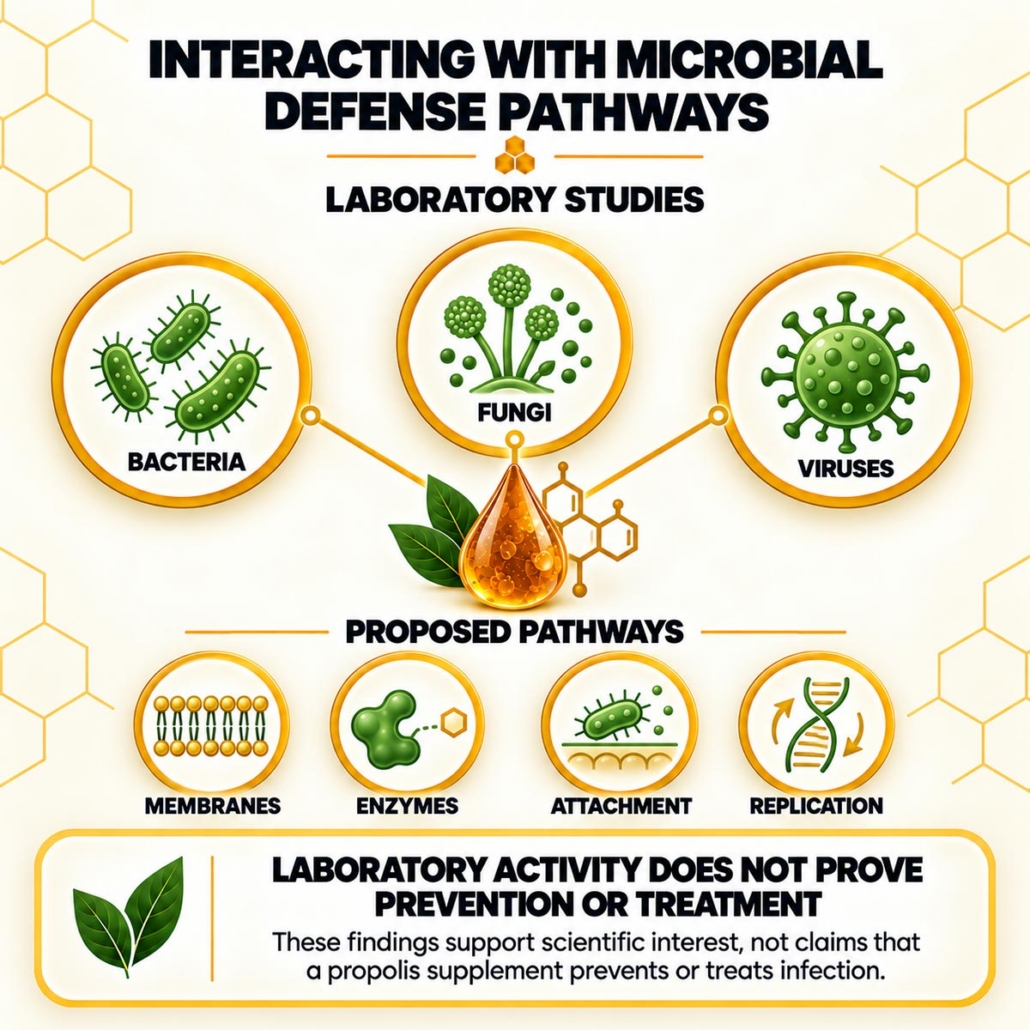
Magnavacca, A., Sangiovanni, E., Racagni, G., & Dell’Agli, M. (2022). The antiviral and immunomodulatory activities of propolis: An update and future perspectives for respiratory diseases. Medicinal Research Reviews, 42(2), 897–945.
Human Bioavailability
Jaffrelo, M., Iglesias-Carres, L., Raymond, C., del Pino, A., Salinas-Camargo, J. C., Chung, L. H., Alcaraz, P. E., Canela, N., Romain, C., & Cases, J. (2026). Nutrikinetics and bioavailability of Promunel®, a standardized poplar-type propolis phenolic extract: A double-blinded, placebo-controlled, cross-over, randomized trial. Food & Function, 17(17), 7687–7700.
Sensory & Formulation Properties
Sarapa, A., Peter, A., Buettner, A., & Loos, H. M. (2025). Organoleptic and chemical properties of propolis: A review. European Food Research and Technology, 251(6), 1331–1352.
Safety & Allergic Reactions
Mezei, D., Németh, D., Temesvári, E., & Pónyai, G. (2022). A new-old allergen: Propolis contact hypersensitivity 1992–2021. Orvosi Hetilap, 163(39), 1559–1567.
Memorial Sloan Kettering Cancer Center. (2022, July 6). Propolis.
Market Trends
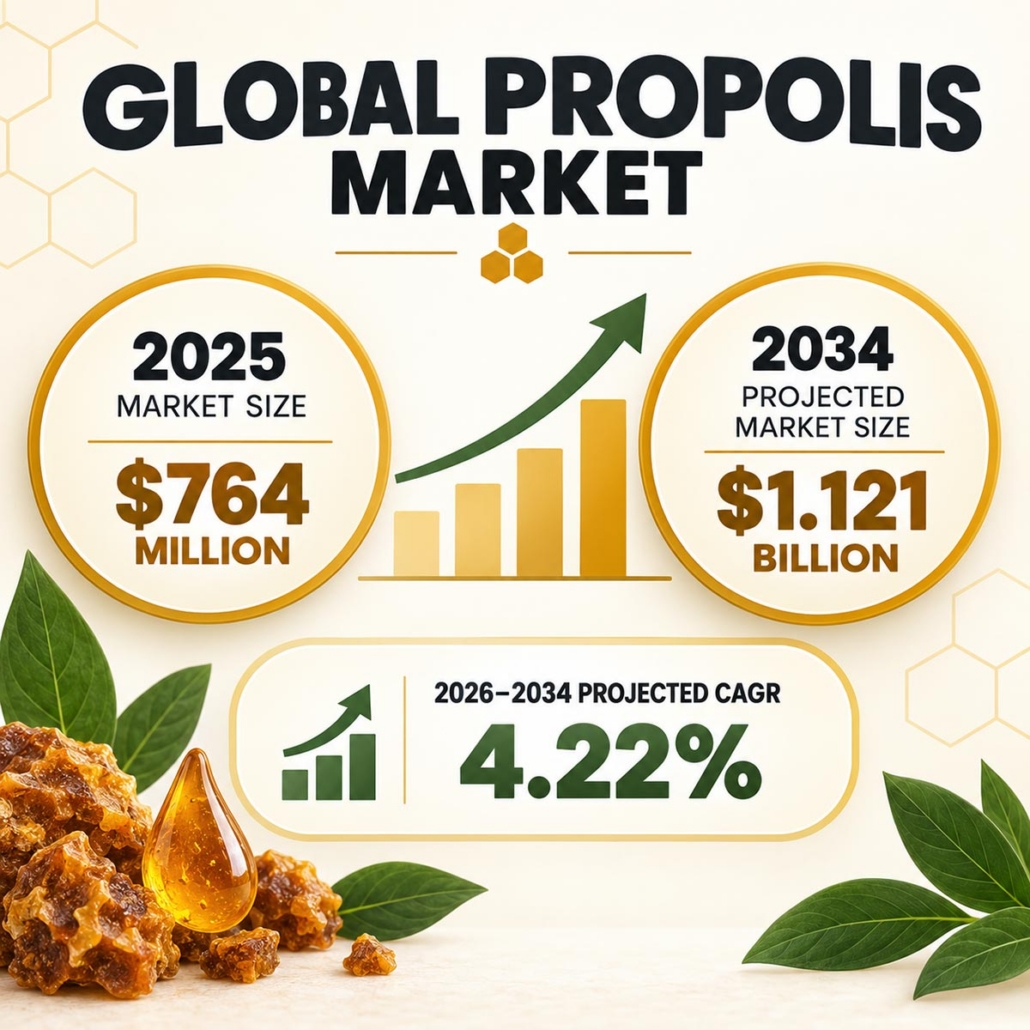
IMARC Group. (2026). Propolis market report by product type, category, distribution channel, application, and region, 2026–2034.