Advancements in Electrolyte Absorption
April 7, 2026 | Focus on Formulation
For supplement brands, the opportunity is no longer just replacing electrolytes. It’s enhancing how efficiently the body absorbs and utilizes them.

April 7, 2026 | Focus on Formulation
For supplement brands, the opportunity is no longer just replacing electrolytes. It’s enhancing how efficiently the body absorbs and utilizes them.
Electrolyte products have evolved significantly — from simple salt-based formulations to highly engineered systems designed to maximize absorption, performance, and consumer experience.
Recent advancements in physiology, ingredient science, and formulation strategy are redefining what “effective hydration” actually means.
At the core of electrolyte absorption is a set of tightly regulated biological transport systems in the small intestine.
Sodium plays a central role in fluid balance. Its absorption creates an osmotic gradient that pulls water into circulation.
Sodium is transported into intestinal cells and then pumped into the bloodstream, generating a gradient that drives water absorption.
This mechanism underpins virtually all effective hydration strategies.
The most important advancement in hydration science remains the discovery of sodium-glucose co-transport (SGLT1).
Glucose enables sodium to be actively transported into intestinal cells
Water follows this movement, dramatically improving hydration efficiency
This mechanism is the foundation of oral rehydration therapy, widely considered one of the most impactful medical advancements of the 20th century
Electrolytes alone are not enough. Co-transport systems determine absorption speed and effectiveness.
Modern formulations are moving beyond simply “adding sugar” to electrolytes.
Research confirms that glucose significantly accelerates sodium and water uptake, particularly in high-demand conditions like exercise or dehydration
Formulation trend: Balanced, low-glycemic carbohydrate systems (e.g., dextrose blends, cyclic dextrins)
While SGLT1 is dominant, electrolyte absorption can also occur via:
Emerging strategy: Combine multiple absorption pathways in a single formula
Examples:
Consumer demand is pushing brands toward sugar-free hydration — but with tradeoffs.
Innovation focus:
Not all electrolytes are created equal.
Next-gen formats include:
These formats can:
One of the most overlooked — but critical — factors in absorption is osmolarity.
Advanced formulations now:
Absorption is not just about ingredients. It’s also about format.
Emerging formats include:
Each format influences:
The hydration category is rapidly expanding beyond sports into daily wellness, performance, and lifestyle use cases.
The global electrolyte drinks market is projected to exceed $78 billion by 2034, while the broader wellness economy reached $6.3 trillion in 2023, highlighting strong consumer demand for proactive health solutions.
At the same time, the category is undergoing a structural shift:
As a result, brands are no longer competing on hydration alone. They’re competing on formula sophistication, absorption efficiency, and functional outcomes.
Not all electrolytes serve the same purpose — and not all are equally relevant in product development. For supplement brands, understanding which electrolytes to prioritize is essential for creating targeted, effective formulations.
These form the foundation of nearly all electrolyte products:
These electrolytes enhance functional outcomes beyond basic hydration:
These are typically included in smaller amounts to support broader physiological functions:
While it may be tempting to include a wide range of electrolytes, effective formulations are not defined by quantity—they are defined by precision and purpose.
Leading brands focus on:
The most successful electrolyte products are not the most complex—they are the most intentionally designed.
Not all electrolytes serve the same formulation purpose, which is why many brands group them into core hydration electrolytes, performance-support electrolytes, and trace or functional electrolytes.
| Category | Electrolyte | Primary Role | Why It Matters in Supplements | Common Formulation Use |
|---|---|---|---|---|
| Core | Sodium (Na⁺) | Fluid balance, nerve signaling, muscle contraction | Primary driver of hydration and osmotic balance; supports rapid fluid uptake | Hydration, sports performance, rehydration formulas |
| Core | Potassium (K⁺) | Cellular hydration, nerve transmission, muscle function | Helps maintain intracellular fluid balance and supports cardiovascular and muscle function | Daily hydration, recovery, performance blends |
| Core | Chloride (Cl⁻) | Fluid balance, acid-base balance, gastric support | Works with sodium to maintain osmotic pressure and overall electrolyte balance | Hydration systems, balanced electrolyte formulas |
| Performance | Magnesium (Mg²⁺) | Muscle relaxation, ATP production, enzyme activity | Supports energy metabolism and recovery; often included for muscle function and cramp support | Recovery products, endurance hydration, premium electrolyte blends |
| Performance | Calcium (Ca²⁺) | Muscle contraction, nerve signaling, bone support | Important for neuromuscular performance and muscle contraction | Endurance formulas, active lifestyle products |
| Performance | Phosphate (PO₄³⁻) | ATP production, cellular energy, bone structure | Supports energy metabolism and performance-oriented formulations | Endurance and metabolic support formulas |
| Trace / Functional | Bicarbonate (HCO₃⁻) | pH buffering, acid-base regulation | Helps buffer acid accumulation during high-intensity exercise | Performance hydration, buffering systems |
| Trace / Functional | Zinc (Zn²⁺) | Enzyme activity, immune support, cellular signaling | Adds broader functional value beyond hydration alone | Wellness blends, multifunction hydration products |
| Trace / Functional | Iron (Fe²⁺ / Fe³⁺) | Oxygen transport, energy metabolism | More specialized; relevant for endurance and targeted performance support | Specialized performance and recovery formulas |
Key Takeaway: Most hydration products should prioritize sodium, potassium, and chloride as the core system, then add performance or trace electrolytes only when they support a specific use case such as endurance, recovery, or broader wellness positioning.
Designing effective electrolyte products requires balancing physiology, performance, and consumer experience.

Formulate with ingredients that activate multiple transport systems, including sodium-glucose and amino acid co-transport. This improves total absorption efficiency and supports performance-driven hydration.

Maintain isotonic or slightly hypotonic formulations to support rapid gastric emptying and fluid uptake. Excessively concentrated solutions can reduce hydration effectiveness.

Combine sodium, potassium, and chloride with supportive minerals like magnesium to create a balanced electrolyte profile. Strategic pairing improves functional outcomes and formulation stability.

Use optimized carbohydrate levels or low-glycemic alternatives to support absorption without compromising clean-label positioning. Hybrid systems are increasingly effective.

Address bitterness and mineral off-notes through flavor systems or encapsulation technologies. Palatability directly impacts compliance and repeat use.

Ensure mineral compatibility and moisture control in powder systems. Microencapsulation and proper excipient selection can improve long-term stability.
The next wave of innovation will likely focus on:
Most importantly, brands that win will be those that translate complex physiology into clear, effective, consumer-friendly solutions.
Electrolyte absorption is no longer a solved problem. It’s an active area of innovation.
While sodium-glucose co-transport remains foundational, advancements in formulation science are unlocking new ways to:
For supplement brands, this represents a significant opportunity to move beyond commodity hydration — and into precision performance solutions.

Intermountain Nutrition partners with brands to develop science-backed, high-performance hydration formulations tailored to evolving market demands. From advanced ingredient selection to optimized delivery systems, our team helps bring next-generation electrolyte products to life.
Electrolyte quantity alone does not determine hydration effectiveness — absorption efficiency is the critical factor.
The body must transport electrolytes across intestinal membranes before they can influence fluid balance, nerve signaling, and muscle function. Mechanisms like sodium-glucose co-transport significantly enhance this process by actively moving electrolytes into cells, allowing water to follow.
Without effective absorption, even high-dose electrolyte formulations may deliver limited physiological benefit. For brands, this means that formulation strategy should prioritize transport pathways, osmolarity, and ingredient synergy rather than simply increasing mineral content.
Electrolyte drinks do not strictly require sugar to function, but glucose plays a meaningful role in enhancing absorption efficiency.
Through sodium-glucose co-transport, glucose accelerates sodium uptake, which in turn drives water absorption. Sugar-free formulations can still support hydration, particularly in low-demand scenarios. But, they may not deliver the same rapid rehydration benefits during intense exercise or dehydration.
As a result, many modern products use hybrid approaches, incorporating low levels of carbohydrates or alternative co-transport enhancers, to balance performance with consumer demand for reduced sugar intake.
Yes, electrolyte products can still function without sugar, but their efficiency depends on the intended use case. In low-intensity or daily hydration scenarios, sugar-free formulations can adequately replenish electrolyte levels through passive and alternative transport mechanisms.
However, in situations requiring rapid rehydration, such as intense exercise, heat exposure, or illness, glucose significantly enhances absorption speed by activating sodium-glucose co-transport.
Without it, the body absorbs electrolytes more slowly, which may limit performance or recovery outcomes. As a result, many modern formulations use hybrid approaches, incorporating minimal sugar or alternative co-transport enhancers to balance performance benefits with consumer demand for low-sugar products.
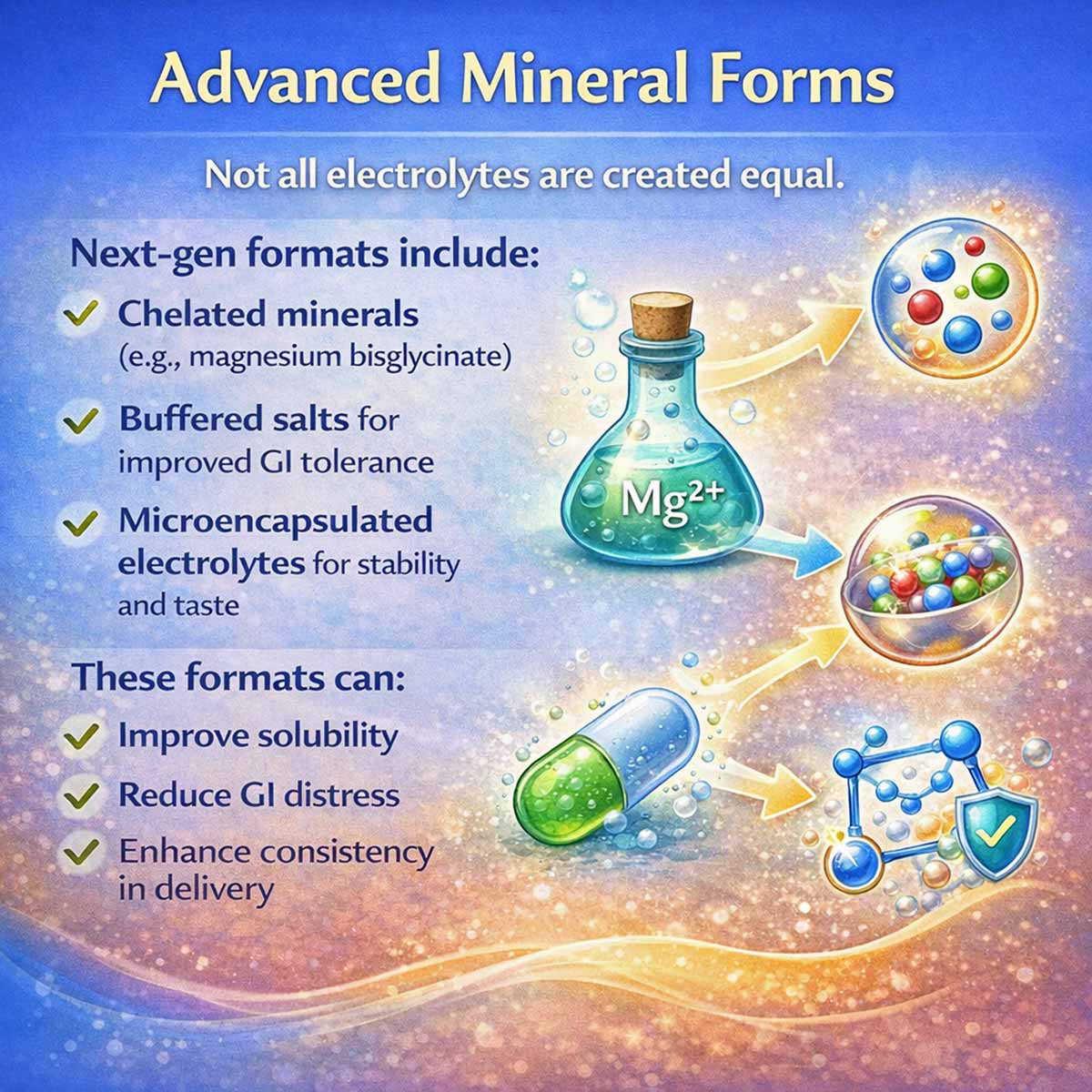
Yes, the form of an electrolyte mineral can significantly influence its absorption, tolerability, and overall performance.
For example, chelated minerals such as magnesium bisglycinate are often better tolerated and may have improved bioavailability compared to inorganic salts like magnesium oxide.
Similarly, buffered or organic salt forms can enhance solubility and reduce gastrointestinal discomfort. However, the “best” form depends on the formulation context, including pH, other ingredients, and delivery format.
Leading formulations often combine multiple mineral forms to balance rapid absorption with sustained availability and consumer comfort. This layered approach is becoming increasingly common in premium hydration products.
Advanced mineral forms such as chelated minerals and buffered salts can provide meaningful benefits, depending on the formulation goals.
These forms often improve solubility, reduce gastrointestinal discomfort, and enhance consistency in delivery compared to traditional inorganic salts.
While they may increase raw material costs, they can also improve product performance and consumer experience — both of which are critical for premium positioning. For brands targeting high-performance or clinical-grade hydration, advanced mineral forms are often a worthwhile investment.
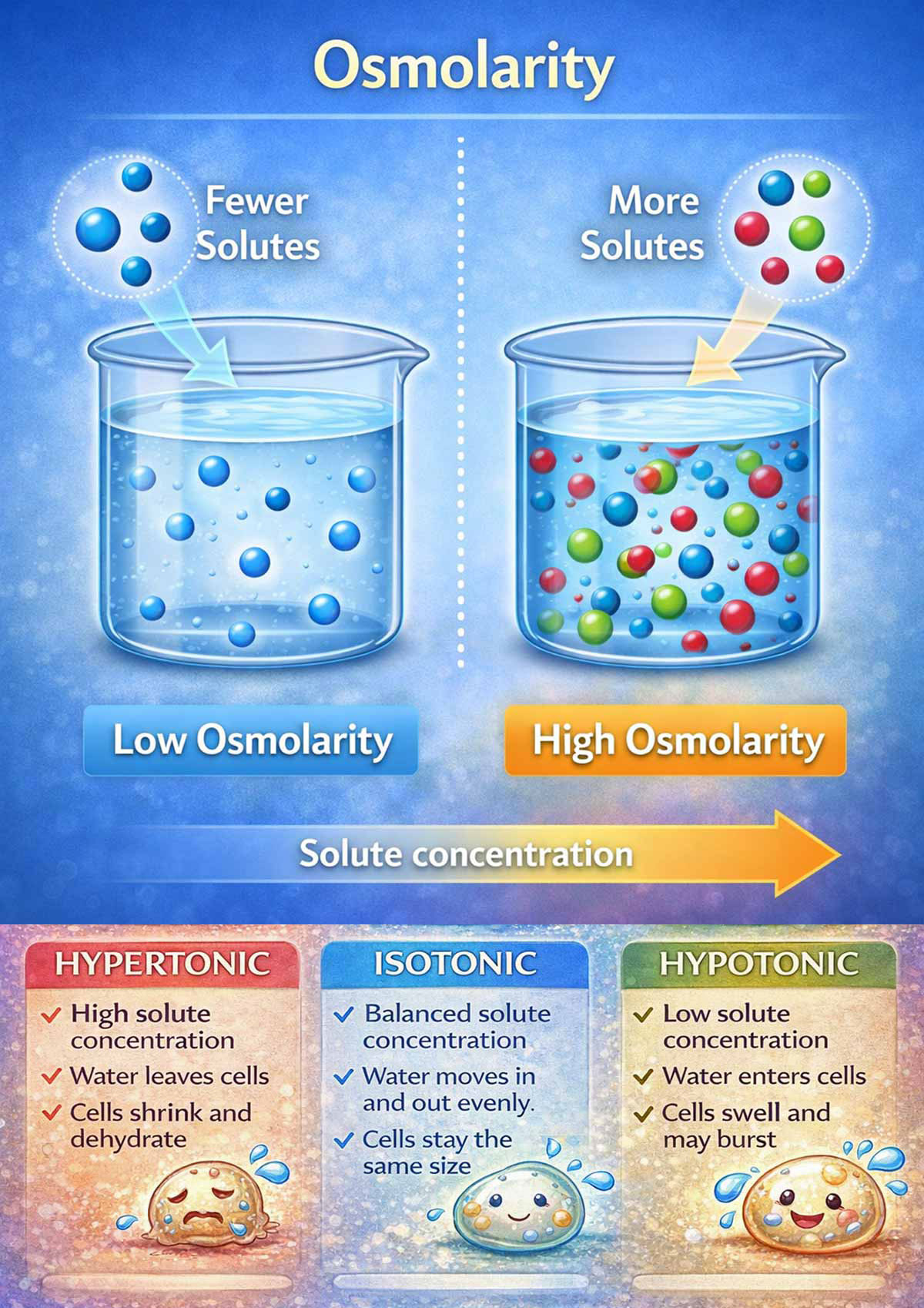 Osmolarity refers to the concentration of dissolved particles in a solution, and it directly affects how fluids move across biological membranes.
In hydration products, osmolarity influences how quickly a solution leaves the stomach and how efficiently it is absorbed in the intestines.
Hypertonic solutions, which are highly concentrated, can slow gastric emptying and even draw water into the gut, reducing hydration effectiveness.
In contrast, isotonic or slightly hypotonic solutions align with physiological conditions and promote faster absorption. Proper osmolarity design is therefore essential for optimizing both performance and user experience.
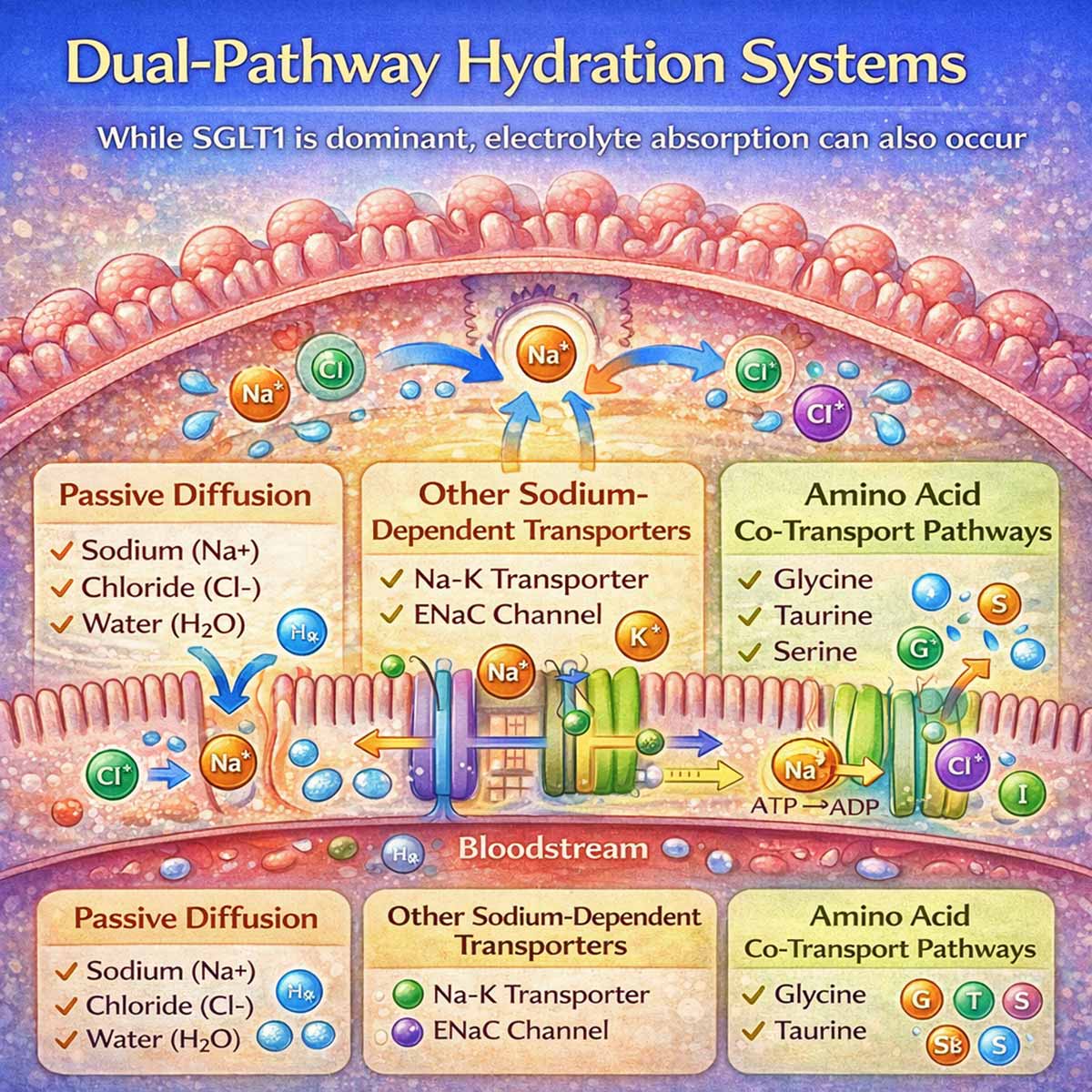
Dual-pathway hydration systems are formulations designed to leverage multiple absorption mechanisms simultaneously. Instead of relying solely on sodium-glucose co-transport, these systems incorporate additional pathways such as amino acid co-transport or passive diffusion.
By engaging multiple transport routes, these formulations can improve total electrolyte uptake and provide more consistent hydration across different physiological conditions.
This approach represents a key innovation area in next-generation hydration products and offers brands a strong opportunity for differentiation.
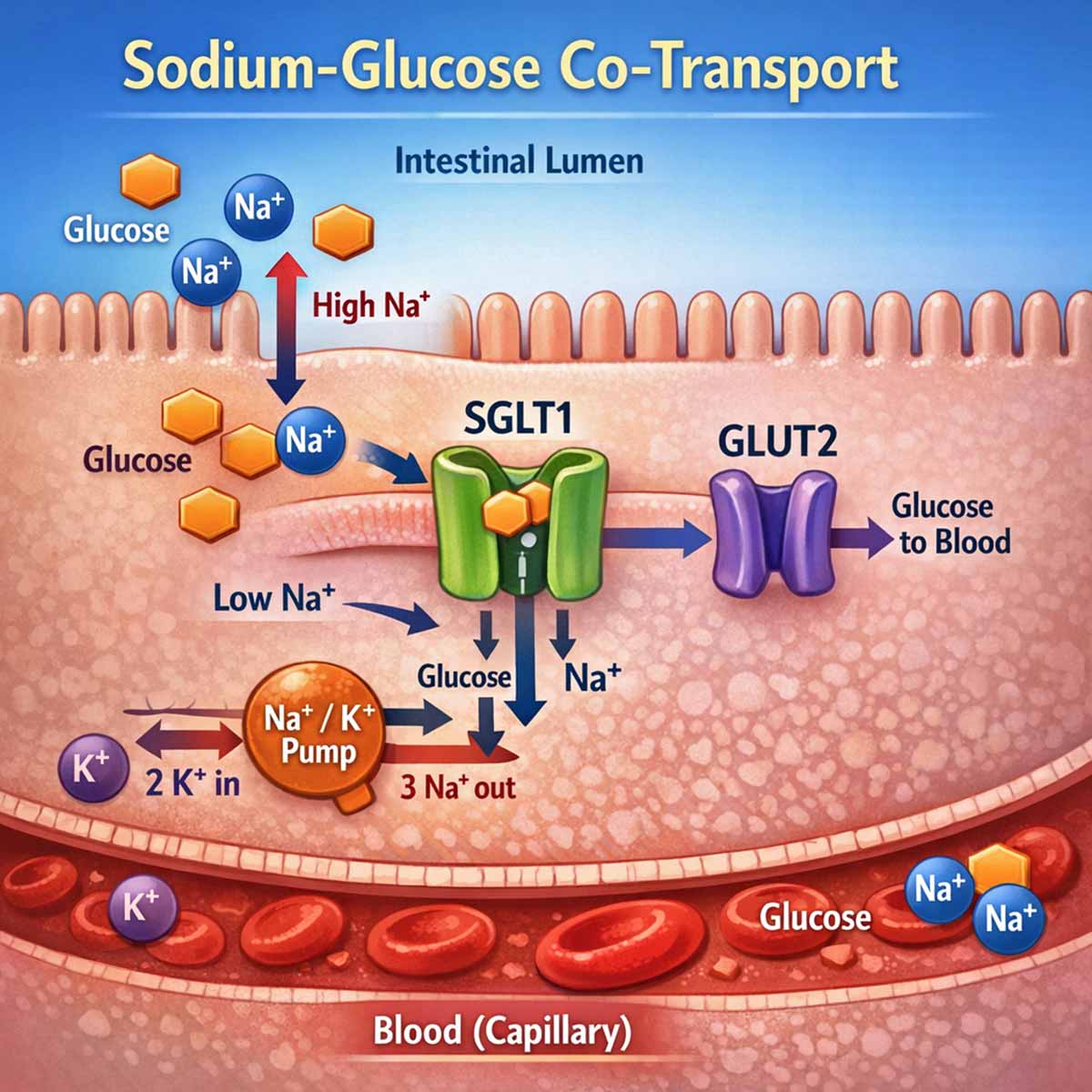 Sodium-glucose co-transport remains the most efficient mechanism for rapid hydration because it leverages a natural, active transport system in the small intestine known as SGLT1. This transporter simultaneously moves sodium and glucose into intestinal cells, creating an osmotic gradient that pulls water into circulation.
As a result, fluids are absorbed faster and more efficiently compared to passive diffusion alone. This mechanism has been extensively validated in clinical settings and forms the basis of oral rehydration therapy, which has saved millions of lives globally.
While newer innovations are emerging, none have fully replaced the efficiency and reliability of this pathway for rapid fluid and electrolyte replenishment.
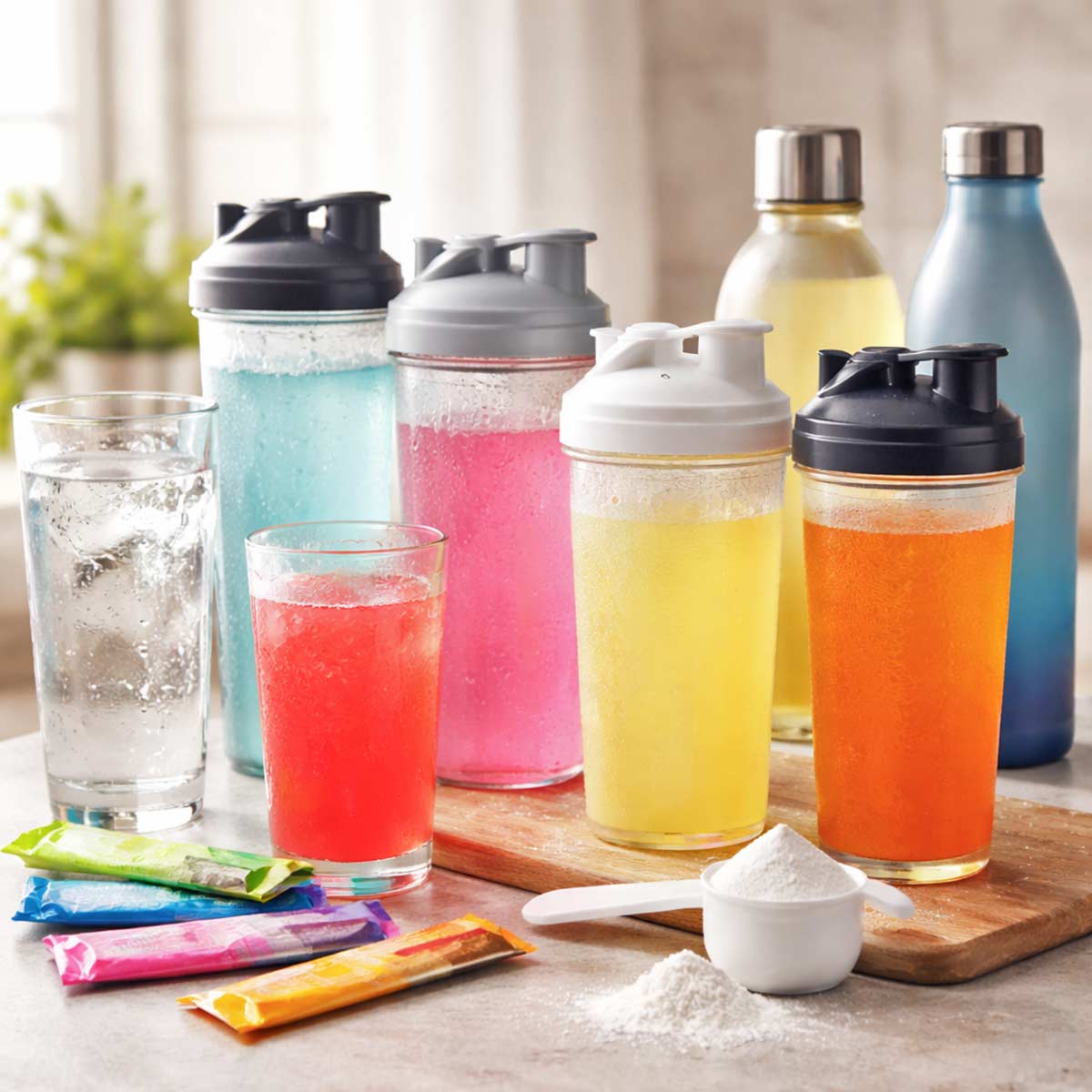
Delivery format plays a meaningful role in how quickly and effectively electrolytes are absorbed. Powders, for example, dissolve rapidly and allow for immediate availability in solution, which supports faster uptake in the digestive tract.
Stick packs enable precise dosing and portability, improving user compliance—an often overlooked factor in real-world effectiveness. Ready-to-mix or ready-to-drink formats can further streamline consumption, particularly in athletic or on-the-go scenarios.
Additionally, advances in encapsulation and dispersion technologies are improving ingredient stability and uniformity, ensuring consistent dosing.
As a result, format is no longer just a convenience factor. It’s a strategic lever for optimizing both absorption and user experience.
Fortune Business Insights. (2025). Electrolyte drinks market size, share, growth, trends, 2034.
Future Market Insights. (2025, June 28). Sports drink market (2025–2035): Size, trends & forecast.
Gagnon, K. B., & Delpire, E. (2021). Sodium transporters in human health and disease. Frontiers in Physiology, 11,
Global Wellness Institute. (2024). 2024 global wellness economy monitor.
PepsiCo. (n.d.). Gatorade, orange flavored, Thirst Quencher – SmartLabel.
PepsiCo. (n.d.). Gatorade, G2, orange flavored, Thirst Quencher – SmartLabel.
ScienceDirect. (n.d.). Sodium-glucose cotransporter – an overview.
World Health Organization. (2006). Oral rehydration salts: Production of the new ORS.
World Health Organization. (n.d.). Diarrhoea.
 https://intermountainnutrition.com/wp-content/uploads/2026/10/creatine-for-healthy-aging-04.jpg
1200
1200
Larisa Graham
https://intermountainnutrition.com/wp-content/uploads/2026/01/IMN-gradient-logo-NEW.png
Larisa Graham2026-10-16 08:00:002026-10-15 08:32:40Creatine for Healthy Aging
https://intermountainnutrition.com/wp-content/uploads/2026/10/creatine-for-healthy-aging-04.jpg
1200
1200
Larisa Graham
https://intermountainnutrition.com/wp-content/uploads/2026/01/IMN-gradient-logo-NEW.png
Larisa Graham2026-10-16 08:00:002026-10-15 08:32:40Creatine for Healthy Aging https://intermountainnutrition.com/wp-content/uploads/2026/10/mushroom-memory-powder-cocoa-23.jpg
1200
1200
Larisa Graham
https://intermountainnutrition.com/wp-content/uploads/2026/01/IMN-gradient-logo-NEW.png
Larisa Graham2026-10-15 09:00:002026-10-08 16:17:36STOCK FORMULA: Mushroom Memory Powder for Cognitive Health & Healthy Aging
https://intermountainnutrition.com/wp-content/uploads/2026/10/mushroom-memory-powder-cocoa-23.jpg
1200
1200
Larisa Graham
https://intermountainnutrition.com/wp-content/uploads/2026/01/IMN-gradient-logo-NEW.png
Larisa Graham2026-10-15 09:00:002026-10-08 16:17:36STOCK FORMULA: Mushroom Memory Powder for Cognitive Health & Healthy Aging https://intermountainnutrition.com/wp-content/uploads/2026/10/evidence-economy-08.jpg
1200
1200
Larisa Graham
https://intermountainnutrition.com/wp-content/uploads/2026/01/IMN-gradient-logo-NEW.png
Larisa Graham2026-10-14 08:00:002026-10-14 00:57:25The Evidence Economy
https://intermountainnutrition.com/wp-content/uploads/2026/10/evidence-economy-08.jpg
1200
1200
Larisa Graham
https://intermountainnutrition.com/wp-content/uploads/2026/01/IMN-gradient-logo-NEW.png
Larisa Graham2026-10-14 08:00:002026-10-14 00:57:25The Evidence Economy

 Sustainable Ingredient Sourcing