The Rise of Testosterone Support in Men’s Health Supplements
June 5, 2026 | Focus on Formulation, Trends
Men’s health supplements are evolving rapidly as consumers prioritize vitality, performance, healthy aging, and long-term wellness support.

June 5, 2026 | Focus on Formulation, Trends
Men’s health supplements are evolving rapidly as consumers prioritize vitality, performance, healthy aging, and long-term wellness support.
Interest in testosterone support supplements has expanded significantly during the past several years. While traditional sports nutrition once dominated the category, today’s consumers are looking for more comprehensive wellness solutions that support energy, recovery, resilience, body composition, and healthy aging.
As a result, supplement brands are expanding beyond aggressive “test booster” positioning and moving toward clinically informed men’s vitality formulations.
Additionally, rising awareness around hormonal wellness has increased demand for education-driven products. Consumers are paying more attention to sleep quality, stress management, muscle maintenance, metabolic health, and healthy aging strategies.
This trend has accelerated alongside broader interest in longevity-focused supplementation.
The market opportunity continues to grow. According to Grand View Research, the global testosterone booster market is projected to expand steadily throughout the next decade as more men seek natural wellness support options. At the same time, the broader global healthy aging market continues to drive demand for condition-adjacent men’s health products.
Importantly, younger consumers are also entering the category. Men in their 30s and 40s are increasingly interested in proactive wellness strategies that support performance, recovery, and long-term vitality rather than reactive solutions later in life.
Modern testosterone support products are no longer limited to bodybuilding audiences. Instead, the category now intersects with healthy aging, metabolic wellness, active nutrition, stress support, and daily performance optimization.
The men’s health category is shifting toward a broader wellness framework. Instead of focusing solely on athletic performance, consumers now associate hormonal wellness with energy, recovery, mood, body composition, motivation, and healthy aging.
This evolution is changing product development strategies across the supplement industry. Brands are increasingly formulating products that combine adaptogens, micronutrients, recovery ingredients, and metabolic support compounds into more comprehensive men’s vitality systems.
Testosterone naturally declines starting around age 30, creating a large addressable market of aging men seeking energy, vitality, and metabolic support.
Approximately 64% of gym-going men aged 25–40 use testosterone-enhancing supplements monthly.
Roughly 24 million U.S. men were clinically low in testosterone in 2023 , while over 40% of men over 40 experience low levels.
Furthermore, the rise of GLP-1 medications has created additional interest in muscle maintenance and metabolic support. Many consumers using weight management therapies are now seeking products that support lean body composition, recovery, and strength retention.
Digital health culture has also accelerated awareness. Podcasts, social media, health influencers, and longevity-focused physicians frequently discuss testosterone optimization, recovery strategies, and men’s wellness. As a result, consumers are becoming more educated and more selective about ingredient quality and formulation transparency.
Consumers are shifting toward proactive hormone optimization, not just treatment which is driving growth in OTC and functional formulations.
Botanical ingredients now represent:
Consumers are actively moving away from synthetic hormones toward:
However, the category also presents regulatory and formulation challenges. Brands must avoid disease claims while still delivering compelling positioning and meaningful consumer experiences.
Lifestyle habits remain one of the most important drivers of hormonal wellness outcomes. Consequently, educational content around testosterone support should address the broader wellness ecosystem rather than focusing exclusively on ingredients.

Sleep plays a critical role in recovery and hormonal regulation. Poor sleep duration and sleep quality may negatively affect energy, recovery capacity, stress resilience, and wellness markers associated with testosterone balance.

Strength training and resistance exercise remain foundational components of healthy aging and body composition support. Additionally, consumers increasingly associate muscle maintenance with longevity and metabolic wellness.

Chronic stress may elevate cortisol levels, which can negatively affect recovery and overall vitality. Therefore, adaptogenic ingredients have become increasingly popular within men’s wellness formulations.

Nutrients such as Zinc, Magnesium, and Vitamin D continue to play important roles in foundational wellness support. As a result, many successful men’s health products incorporate both botanical and nutritional support systems.

Poor recovery habits, overtraining, and excess body fat may all influence wellness outcomes related to energy, resilience, and physical performance.

Supplement brands that educate consumers about holistic wellness strategies often build stronger long-term trust and customer retention.
Men’s health supplements have become a mainstream wellness category. Today, consumers invest in products that support energy, cognition, metabolic health, resilience, and healthy aging.
As a result, the category continues to expand. According to The Business Research Company, the global men’s health supplements market is expected to exceed $96 billion in 2026. Growing interest in preventative health, longevity, and personalized wellness continues to drive demand.
Importantly, today’s consumers are taking a more holistic approach to men’s wellness. Rather than seeking aggressive “quick-fix” testosterone products, many are prioritizing balanced formulations that support:
At the same time, consumers are becoming significantly more ingredient-aware. Clinical substantiation, transparency, bioavailability, and realistic positioning now influence purchasing decisions more heavily than exaggerated marketing claims.
Healthy aging has become one of the strongest drivers in men’s wellness. Many buyers now seek products that support long-term performance, mobility, cognition, and metabolic function rather than simply short-term athletic outcomes.
Cognitive support is becoming deeply integrated into men’s health. Focus, productivity, emotional resilience, and stress management are now considered core wellness priorities alongside physical performance.
Hydration systems, creatine, amino acids, and recovery-focused ingredients are increasingly moving beyond sports nutrition and into everyday wellness positioning.
Supplement users continue demanding:
This is especially important in men’s health, where skepticism around overstated hormonal claims continues to grow.
Powders, stick packs, functional beverages, capsules, and personalized systems are helping brands improve compliance, portability, and user experience.
Importantly, sensory experience is also becoming a major differentiator as consumers increasingly expect wellness products to taste and feel premium.
Testosterone influences many aspects of male wellness. It supports muscle protein synthesis, recovery, energy metabolism, bone health, motivation, libido, and body composition. Because of this, healthy testosterone balance remains an important part of overall vitality.
From a physiological perspective, testosterone influences:
However, hormone health does not exist in isolation. Sleep quality, stress levels, body composition, nutrition, alcohol intake, and recovery habits can all influence wellness outcomes associated with healthy testosterone balance.
Importantly, supplement brands should frame products responsibly. Rather than implying treatment of low testosterone or hormone deficiency, successful formulations typically focus on supporting healthy testosterone levels already within normal ranges.
This distinction matters significantly from both a compliance and consumer trust perspective.
Additionally, today’s consumers increasingly understand that no supplement operates independently from lifestyle habits. Consequently, education-driven brands are emphasizing holistic wellness strategies that combine nutrition, sleep, recovery, exercise, and supplementation.
Consumers increasingly prefer science-forward wellness support products that complement healthy lifestyle habits rather than exaggerated “quick-fix” solutions.

(Withania somnifera)
Indian Ginseng | Winter Cherry | Withania Root
Ashwagandha remains one of the most widely used adaptogens in men’s health formulations. It is commonly positioned for:
Because stress management and recovery are closely connected to hormonal wellness, Ashwagandha is frequently included in comprehensive vitality products.
Clinically standardized extracts continue to gain traction because consumers increasingly associate adaptogens with resilience and sustainable performance.

(Fulvic Acid Complex)
Mineral Pitch | Asphaltum | Himalayan Shilajit
Shilajit has experienced substantial growth within premium men’s wellness products as well as longevity and vitality formulations. Rich in fulvic acid and trace minerals, it is commonly associated with:
Its premium positioning makes it especially attractive for higher-end formulations. However, ingredient authenticity and purification standards are extremely important due to contamination concerns in lower-quality materials.

(Eurycoma longifolia)
Longjack | Malaysian Ginseng | Eurycoma Root
Tongkat Ali has become one of the most recognizable ingredients in modern men’s vitality supplements. Many formulators position it around energy, resilience, performance, and healthy aging.
Common positioning strategies include:
However, sourcing quality and standardization matter significantly. Low-quality extracts may create formulation inconsistencies and poor sensory experiences.

(Trigonella foenum-graecum)
Greek Hay | Methi | Fenugreek Seed Extract | Bird’s foot | Hulba
Fenugreek offers strong mainstream recognition and appears in many men’s performance products.
Additionally, it pairs well with broader metabolic and active nutrition positioning.

Boron aspartate | Calcium fructoborate | Sodium borate
Boron has emerged as a highly strategic ingredient in testosterone-support systems.
Although used at relatively low doses, boron is associated with:
Science-forward brands increasingly use boron as part of precision-focused formulations.

(Cordyceps militaris)
Cordyceps mycelium | Caterpillar fungus | Himalayan gold
Cordyceps has become increasingly popular in men’s performance and healthy aging supplements.
Brands frequently position it around endurance, cellular energy, recovery, and vitality support.

Zinc Citrate | Zinc Bisglycinate | Zinc Picolinate
Zinc remains one of the most foundational nutrients for men’s wellness formulations. It is commonly included alongside Magnesium and Vitamin D in daily vitality systems.

Magnesium Glycinate | Magnesium Citrate | Magnesium Bisglycinate
Magnesium supports multiple wellness functions related to recovery, sleep quality, muscle function, and relaxation support.

Cholecalciferol | Vitamin D3
Vitamin D continues to maintain strong consumer awareness within wellness, immune health, and men’s vitality categories.
| Ingredient | Primary Function | Key Mechanism | Best Positioning Strategy | Common Delivery Formats | Key Formulation Considerations |
|---|---|---|---|---|---|
| Ashwagandha (Withania somnifera) | Stress resilience and hormone support | Supports cortisol balance and recovery pathways | Recovery, resilience, sleep support, daily vitality | Capsules, powders, gummies, stick packs | Bitter flavor profile may require masking; standardized withanolide content improves consistency |
| Tongkat Ali (Eurycoma longifolia) | Free testosterone support | May support SHBG modulation and stress resilience | Performance, male vitality, energy, executive wellness | Capsules, powders, stick packs | Strong bitterness often requires advanced flavor systems; sourcing quality varies significantly |
| Shilajit (Fulvic Acid Complex) | Mitochondrial and vitality support | Supports cellular energy and mineral transport | Longevity, healthy aging, premium vitality systems | Capsules, powders, resin systems | Strong earthy/mineral flavor; requires purity and contaminant verification |
| Boron | Hormone metabolism support | Associated with free testosterone and mineral utilization | Precision-focused hormone support | Capsules, powders | Typically low inclusion rates; ingredient form impacts positioning credibility |
| Cordyceps | Energy and endurance support | Supports ATP production and mitochondrial function | Performance, endurance, recovery, longevity | Powders, capsules, stick packs | Earthy flavor profile may affect sensory performance in beverages |
| Rhodiola Rosea | Adaptogenic stress support | Supports mental resilience and fatigue management | Cognitive performance, resilience, executive wellness | Capsules, powders | Standardization important for rosavin and salidroside content |
| Zinc | Foundational hormone support | Supports testosterone synthesis and metabolic health | Foundational wellness and daily support | Capsules, powders, gummies | Chelated forms may improve absorption and GI tolerance |
| Magnesium | Recovery and sleep support | Supports relaxation, muscle recovery, and hormonal balance | Recovery, sleep optimization, stress support | Powders, capsules, stick packs | High-dose forms may create flavor and solubility challenges |
| Vitamin D | Hormonal and immune support | Supports endocrine and immune function | Daily wellness and foundational hormone support | Gummies, capsules, soft chews | Fat-soluble stability and bioavailability should be considered |
| D-Aspartic Acid | Performance-oriented testosterone support | Supports luteinizing hormone signaling pathways | Athletic performance and training support | Powders, capsules | Often better suited for short-cycle or sports-focused products |
Flavor optimization has become increasingly important in men’s health product development. Many testosterone support ingredients possess naturally bitter, earthy, or astringent sensory characteristics that may negatively affect consumer compliance.
Tongkat Ali, Shilajit, Fenugreek, and certain adaptogenic botanicals often require sophisticated taste-masking systems to improve palatability. Consequently, brands developing powders, stick packs, or functional beverage systems must carefully balance efficacy with consumer experience.
Additionally, sensory expectations within men’s health products continue to evolve. Consumers increasingly expect premium flavor systems, smoother mouthfeel, and more refined wellness experiences rather than harsh medicinal profiles.
Flavor direction also influences positioning. Dark berry, citrus spice, cola, black cherry, tropical, and botanical-inspired profiles often align well with men’s vitality branding strategies.
Strong sensory systems improve repeat purchases, long-term compliance, and overall brand perception within the men’s health category.
Many testosterone support formulas struggle because brands prioritize trend-driven marketing over thoughtful formulation strategy.
Common issues include:
Additionally, some brands focus too narrowly on testosterone positioning without addressing broader wellness drivers such as sleep, resilience, recovery, and metabolic health.
Today’s consumers are becoming more educated. Therefore, transparent formulation strategies and science-forward positioning increasingly outperform exaggerated marketing approaches.
The testosterone-support category continues to grow more competitive. However, many products still rely on generic ingredient combinations and outdated muscle-building claims.
This creates a significant opportunity for brands that take a broader approach. The strongest products increasingly focus on performance, recovery, resilience, healthy aging, and long-term wellness rather than narrow testosterone-boosting claims.
Consumers are also becoming more selective. They compare ingredient forms, clinical dosages, standardization levels, transparency practices, delivery formats, and overall product experience before making purchasing decisions.
Importantly, consumers are becoming more educated and selective. They increasingly compare:
As a result, brands that focus only on trend-driven marketing without meaningful formulation differentiation may struggle to retain long-term customer loyalty.
One of the largest strategic mistakes brands still make is relying on outdated bodybuilding-style positioning. Brands that modernize their messaging can expand from a niche sports nutrition audience into mainstream wellness, healthy aging, and preventative health consumers.
Today’s buyers increasingly want guidance and structure, not just isolated supplements. The next major evolution in men’s health supplements will likely involve systems-based product architecture.
For example:
This type of ecosystem positioning feels more premium, sophisticated, and personalized. Brands that create integrated wellness systems can build significantly stronger customer retention.
Many supplement brands still underestimate how strongly delivery format influences consumer perception. The format itself increasingly shapes brand identity.
Additionally, format innovation creates opportunities for:
The most successful delivery formats create behavioral consistency. People are more likely to repurchase products that integrate naturally into daily routines.
The testosterone-support category has historically suffered from consumer skepticism due to:
In many cases, transparency itself has become a premium feature. “Trust” is becoming one of the most valuable differentiators in men’s health supplements. Transparency can directly influence conversion and retention.
One of the biggest shifts in the category involves consumer mindset. Many men are moving away from aggressive, stimulant-heavy products and toward sustainable wellness solutions.
As a result, brands have an opportunity to position testosterone support as part of a long-term health strategy. Products that support daily energy, recovery, resilience, and healthy aging often feel more approachable and trustworthy than short-term performance products.
This positioning is particularly valuable for subscription programs and repeat-purchase wellness routines.
As men’s health continues evolving toward systems-based wellness and longevity positioning, brands that prioritize credibility, formulation quality, and consumer experience will likely capture the strongest long-term growth opportunities.
The fastest-growing categories include cognitive performance, metabolic health, longevity support, stress resilience, and hormone optimization. While traditional sports nutrition remains important, consumers are increasingly seeking broader wellness solutions that improve both physical and mental performance.
Products supporting energy, focus, recovery, and healthy aging are seeing particularly strong momentum. Additionally, multi-benefit formulations that combine several functional areas into one system are outperforming narrow single-benefit products because consumers prefer convenience and comprehensive wellness support.
Yes. Many testosterone support ingredients create bitterness, earthy flavors, or high-dose formulation constraints. For example, Tongkat Ali and Shilajit often require advanced taste-masking strategies in powders and beverage systems.
Additionally, botanical standardization, moisture sensitivity, and ingredient compatibility may affect long-term stability and manufacturing performance. As a result, successful product development requires careful attention to sensory optimization, scalability, and ingredient quality.
Adaptogens are trending because they help address one of the largest challenges facing modern consumers: chronic stress. Men increasingly associate stress management with productivity, energy, sleep quality, recovery, and overall wellness.
Ingredients like ashwagandha and rhodiola are supported by growing research surrounding resilience and recovery, which makes them attractive additions to modern performance formulas. Adaptogens also pair well with nootropics, hydration systems, and metabolic-health ingredients, allowing formulators to create multifunctional products with broad consumer appeal.
Capsules remain extremely popular and continue to dominate many categories. However, powders are growing rapidly because they allow for larger active loads, customizable dosing, and stronger experiential positioning. Powders are especially effective for hydration, performance, recovery, and cognitive wellness products.
Additionally, stick packs and portable powder systems are improving convenience and compliance. Rather than replacing capsules entirely, powders are expanding the category and creating new opportunities for innovation.
Flavor and sensory performance are becoming critical competitive advantages. Consumers increasingly expect wellness products to taste good and integrate naturally into daily routines. Poor taste can significantly reduce compliance and repeat purchasing behavior, especially in powders and functional beverages.
Effective taste masking, mouthfeel optimization, aroma systems, and sweetness balancing all contribute to stronger user experiences. As the category becomes more crowded, sensory quality can become a major differentiator for premium brands.
Brands should focus on clinically relevant formulations, multifunctional benefits, transparent positioning, and strong user experience. Consumers are increasingly evaluating products based on ingredient quality, dosing transparency, scientific credibility, and sensory performance.
Formulators should also prioritize bioavailability, stability, and scalable manufacturing early in development. Most importantly, successful products should align with modern consumer priorities around energy, cognition, metabolic wellness, stress resilience, and healthy aging rather than relying on outdated “test booster” positioning alone.
Testosterone support supplements fall under standard dietary supplement regulations. However, brands must be especially careful with claims and positioning because hormone-related language may attract additional regulatory scrutiny.
Therefore, most compliant products focus on supporting healthy testosterone levels already within normal ranges rather than implying disease treatment or hormone replacement effects.
The Business Research Company. Men’s Health Supplements Market Report 2026.
Research and Markets. Men’s Health Supplements Market Report 2026.
SupplySide Supplement Journal. 10 Emerging Supplement Trends for 2026.
Nutrition Reviews. Creatine and Cognition in Aging: A Systematic Review of Evidence in Older Adults.
Frontiers in Nutrition. The Effects of Creatine Supplementation on Cognitive Function in Adults: A Systematic Review and Meta-Analysis.
American Journal of Men’s Health. Ashwagandha Effects on Fatigue, Vigor, and Steroid Hormones in Aging Men.
NIH Office of Dietary Supplements. Zinc: Fact Sheet for Health Professionals.
NIH Office of Dietary Supplements. Vitamin D: Fact Sheet for Health Professionals.
Biological Trace Element Research. Correlation Between Serum Zinc and Testosterone: A Systematic Review.
NCCIH. Omega-3 Supplements: What You Need To Know.
Cardiovascular Research. Do Patients Benefit from Omega-3 Fatty Acids?
Frontiers in Microbiology. A Comprehensive Review of Probiotics and Human Health.
BMC Medicine. Effect of Probiotic Supplementation on the Gut Microbiota in Healthy Populations: Systematic Review and Meta-Analysis.
American Journal of Physiology-Endocrinology and Metabolism. Understanding How Pre- and Probiotics Affect the Gut Microbiome and Metabolic Health.
NIH Office of Dietary Supplements. Dietary Supplement Fact Sheets.
 https://intermountainnutrition.com/wp-content/uploads/2026/10/creatine-for-healthy-aging-04.jpg
1200
1200
Larisa Graham
https://intermountainnutrition.com/wp-content/uploads/2026/01/IMN-gradient-logo-NEW.png
Larisa Graham2026-10-16 08:00:002026-10-15 08:32:40Creatine for Healthy Aging
https://intermountainnutrition.com/wp-content/uploads/2026/10/creatine-for-healthy-aging-04.jpg
1200
1200
Larisa Graham
https://intermountainnutrition.com/wp-content/uploads/2026/01/IMN-gradient-logo-NEW.png
Larisa Graham2026-10-16 08:00:002026-10-15 08:32:40Creatine for Healthy Aging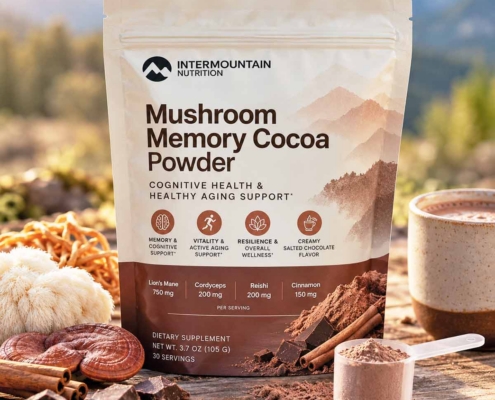 https://intermountainnutrition.com/wp-content/uploads/2026/10/mushroom-memory-powder-cocoa-23.jpg
1200
1200
Larisa Graham
https://intermountainnutrition.com/wp-content/uploads/2026/01/IMN-gradient-logo-NEW.png
Larisa Graham2026-10-15 09:00:002026-10-08 16:17:36STOCK FORMULA: Mushroom Memory Powder for Cognitive Health & Healthy Aging
https://intermountainnutrition.com/wp-content/uploads/2026/10/mushroom-memory-powder-cocoa-23.jpg
1200
1200
Larisa Graham
https://intermountainnutrition.com/wp-content/uploads/2026/01/IMN-gradient-logo-NEW.png
Larisa Graham2026-10-15 09:00:002026-10-08 16:17:36STOCK FORMULA: Mushroom Memory Powder for Cognitive Health & Healthy Aging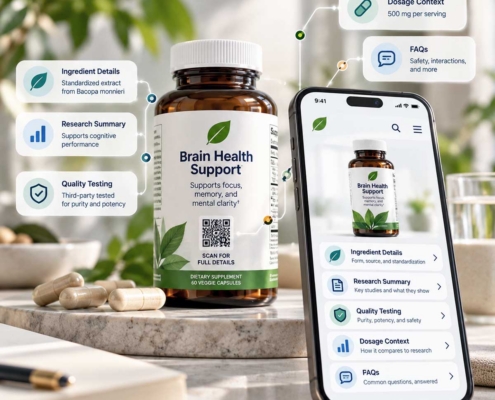 https://intermountainnutrition.com/wp-content/uploads/2026/10/evidence-economy-08.jpg
1200
1200
Larisa Graham
https://intermountainnutrition.com/wp-content/uploads/2026/01/IMN-gradient-logo-NEW.png
Larisa Graham2026-10-14 08:00:002026-10-14 00:57:25The Evidence Economy
https://intermountainnutrition.com/wp-content/uploads/2026/10/evidence-economy-08.jpg
1200
1200
Larisa Graham
https://intermountainnutrition.com/wp-content/uploads/2026/01/IMN-gradient-logo-NEW.png
Larisa Graham2026-10-14 08:00:002026-10-14 00:57:25The Evidence Economy

 Nutritional Supplements for Gamers