Supplements for Pre-Menopause & Menopause Support
May 6, 2026 | Focus on Formulation

May 6, 2026 | Focus on Formulation
Menopause represents a major, and often underserved, market opportunity. More than 1 million women in the U.S. enter menopause each year, and the global menopause market continues to expand rapidly as consumers seek non-hormonal solutions.
At the same time, brands face a challenge:
As a result, successful formulations must balance clinical credibility, symptom targeting, and lifecycle support — not just short-term relief.
Top-performing products address:
—not just hot flashes.
Underdosed multi-ingredient blends are a major industry issue.
Clinical credibility requires:
High-growth formats include:
Segment formulations into:


Leading Ingredients:
Post-menopause, women experience accelerated bone loss due to estrogen decline.
Formulation Insight:

Leading Ingredients:
Menopause increases risk of:
Omega-3s may help improve lipid profiles and cardiovascular health.

Ingredients to Watch:

(Hormone-Modulating Support)
Leading Ingredients:
Phytoestrogens mimic estrogen activity and can partially compensate for declining hormone levels.
Soy isoflavones have been shown to modestly reduce hot flashes and menopausal symptoms
Populations with high soy intake report lower symptom prevalence
Formulation Insight:
Best suited for early menopause / perimenopause
Often paired with bone or cardiovascular support ingredients

(Vasomotor & Mood Support)
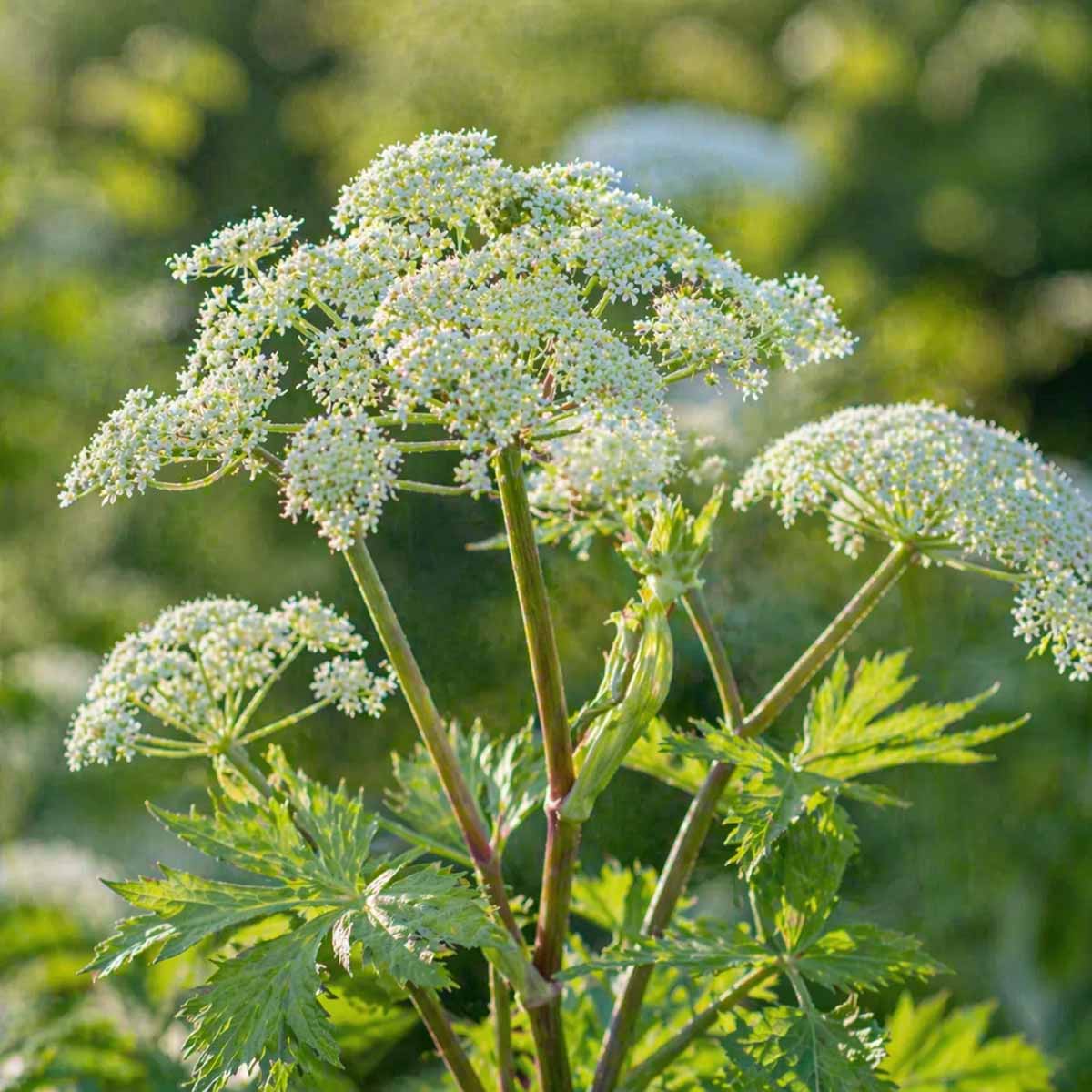
Black cohosh (Actaea racemosa) is a North American woodland herb in the buttercup family (also known as black snakeroot, bugbane, bugwort, and rattlesnake root) used to help relieve menopausal symptoms like hot flashes and night sweats.
Formulation Insight:

Leading Ingredients:
Menopause is strongly associated with cortisol dysregulation, sleep disruption, and mood instability.
Formulation Insight:
The menopause category is rapidly evolving from a niche segment into a significant women’s health opportunity. The global menopause market is estimated at $17.79 billion in 2024 and projected to reach $24.35 billion by 2030 (5.42% CAGR), with dietary supplements accounting for 94.23% of treatment revenue — highlighting strong consumer preference for nonprescription, self-directed solutions (Grand View Research).
Importantly, the category benefits from a built-in and expanding consumer base. Approximately 1.3 million U.S. women enter menopause each year, with the transition typically beginning between ages 45–55 and lasting an average of 7 years (up to 14 years in some cases). This extended duration significantly broadens the window for ongoing product engagement.
Symptom prevalence further reinforces sustained demand. Up to 80% of women experience vasomotor symptoms such as hot flashes, which persist for an average of 7–9 years and exceed 10 years in about one-third of cases (The Menopause Society). As a result, the market is shifting beyond short-term symptom relief toward daily, multi-benefit support solutions.
The menopause category is evolving from symptom relief to holistic longevity and women’s health optimization.
The most effective formulations will:
Intermountain Nutrition partners with brands to develop science-forward, clinically positioned menopause solutions — from targeted perimenopause blends to comprehensive healthy aging systems.
The most studied supplements include soy isoflavones, black cohosh, and red clover, primarily for managing hot flashes and vasomotor symptoms. Soy isoflavones, in particular, have demonstrated modest but consistent reductions in symptom frequency due to their estrogen-like activity.
Black cohosh also shows potential, though results vary depending on extract quality and study design. Importantly, no single ingredient works universally, and efficacy often improves when formulations address multiple pathways such as stress, sleep, and metabolic health. Therefore, combination formulas with clinically supported dosing tend to perform better in real-world use.
Natural supplements generally provide milder effects compared to hormone replacement therapy (HRT). While ingredients like phytoestrogens can partially mimic estrogen, they do not replicate the full physiological impact of pharmaceutical hormones.
However, many consumers prefer supplements due to safety concerns or contraindications with HRT. Clinical evidence suggests that supplements may offer modest symptom relief, particularly for hot flashes and mood, but results vary widely.
For brands, this highlights the importance of setting realistic expectations and focusing on comprehensive wellness support rather than positioning supplements as direct replacements for medical therapies.
Perimenopause formulations should emphasize cycle regulation, stress management, and mood support, using ingredients like ashwagandha, magnesium, and low-dose phytoestrogens.
In contrast, menopause formulations should prioritize vasomotor symptom relief (hot flashes), sleep, and bone health, incorporating soy isoflavones, black cohosh, vitamin D, and calcium.
Post-menopause products should further expand into cardiovascular and metabolic health, with omega-3s and anti-inflammatory compounds. Segmenting formulations by life stage allows brands to deliver more targeted benefits and improves both efficacy and consumer trust.
Most menopause supplements are considered safe for short-term use, particularly ingredients like soy isoflavones and black cohosh. However, long-term safety data is limited for many botanicals, especially at higher doses or in combination formulas.
Some ingredients may interact with medications or be unsuitable for women with hormone-sensitive conditions. For example, there are concerns about long-term phytoestrogen use and uterine health, as well as rare reports of liver issues associated with certain herbal products.
Brands should prioritize transparency, third-party testing, and clear usage guidance to support safe consumption.
Albertazzi, P., & Pansini, F. (1998). The effect of phytoestrogens on menopausal symptoms. Climacteric, 1(3), 233–238.
AARP. (2023). Menopause and the workplace: The impact and cost.
Centers for Disease Control and Prevention. (2023). Dietary supplement use in the United States: NHANES 2017–March 2020.
Cleveland Clinic. (n.d.). Black cohosh: Uses, dosage, and safety.
EatingWell. (2025). Supplements that could help menopause.
Grand View Research. (2024). Menopause market size & share report, 2030.
Harvard Health Publishing. (2023). Menopause supplements: Effective relief or empty promises?
Harvard Health Publishing. (2024). Are hot flashes a warning sign?
Harvard Health Publishing. (2023). Musculoskeletal syndrome of menopause: When menopause makes you ache all over.
Health.com. (2023). Black cohosh: Benefits, uses, and side effects.
Healthline. (n.d.). Black cohosh: Benefits, dosage, side effects, and more.
National Center for Biotechnology Information. (n.d.). Phytoestrogens and menopause. U.S. National Library of Medicine.
National Center for Biotechnology Information. (n.d.). Menopause and health outcomes: A review. U.S. National Library of Medicine.
National Institutes of Health, Office of Dietary Supplements. (2024). Black cohosh: Fact sheet for health professionals.
National Institutes of Health, National Center for Complementary and Integrative Health. (2023). Menopausal symptoms and complementary health approaches.
RAND Corporation. (2024). The economic impacts of menopause in the United States.
Society for Women’s Health Research. (2024). Menopause disparities: Prevalence and health impact across the United States.
The Menopause Society. (2023). Nonhormone therapy position statement.
 https://intermountainnutrition.com/wp-content/uploads/2026/08/Akkermansia-muciniphila-for-metabolic-health-26.jpg
1200
1200
Larisa Graham
https://intermountainnutrition.com/wp-content/uploads/2026/01/IMN-gradient-logo-NEW.png
Larisa Graham2026-08-24 09:00:002026-08-17 16:10:31Akkermansia Muciniphila in Supplement Formulation
https://intermountainnutrition.com/wp-content/uploads/2026/08/Akkermansia-muciniphila-for-metabolic-health-26.jpg
1200
1200
Larisa Graham
https://intermountainnutrition.com/wp-content/uploads/2026/01/IMN-gradient-logo-NEW.png
Larisa Graham2026-08-24 09:00:002026-08-17 16:10:31Akkermansia Muciniphila in Supplement Formulation https://intermountainnutrition.com/wp-content/uploads/2026/08/nerve-support-supplements-06.jpg
1200
1200
Larisa Graham
https://intermountainnutrition.com/wp-content/uploads/2026/01/IMN-gradient-logo-NEW.png
Larisa Graham2026-08-21 09:00:002026-08-24 17:19:18STOCK FORMULA: Nerve Support Capsules for Healthy Aging Supplement Brands
https://intermountainnutrition.com/wp-content/uploads/2026/08/nerve-support-supplements-06.jpg
1200
1200
Larisa Graham
https://intermountainnutrition.com/wp-content/uploads/2026/01/IMN-gradient-logo-NEW.png
Larisa Graham2026-08-21 09:00:002026-08-24 17:19:18STOCK FORMULA: Nerve Support Capsules for Healthy Aging Supplement Brands https://intermountainnutrition.com/wp-content/uploads/2026/08/FDA-proposed-GRAS-update-02.jpg
1200
1200
Larisa Graham
https://intermountainnutrition.com/wp-content/uploads/2026/01/IMN-gradient-logo-NEW.png
Larisa Graham2026-08-19 20:04:072026-08-20 03:09:12FDA’s Proposed GRAS Rule: What Supplement Brands Need to Know
https://intermountainnutrition.com/wp-content/uploads/2026/08/FDA-proposed-GRAS-update-02.jpg
1200
1200
Larisa Graham
https://intermountainnutrition.com/wp-content/uploads/2026/01/IMN-gradient-logo-NEW.png
Larisa Graham2026-08-19 20:04:072026-08-20 03:09:12FDA’s Proposed GRAS Rule: What Supplement Brands Need to Know

 STOCK FORMULA: Cool & Calm Menopause Support Gummies