Brain Aging, Lifespan & Healthy Habits
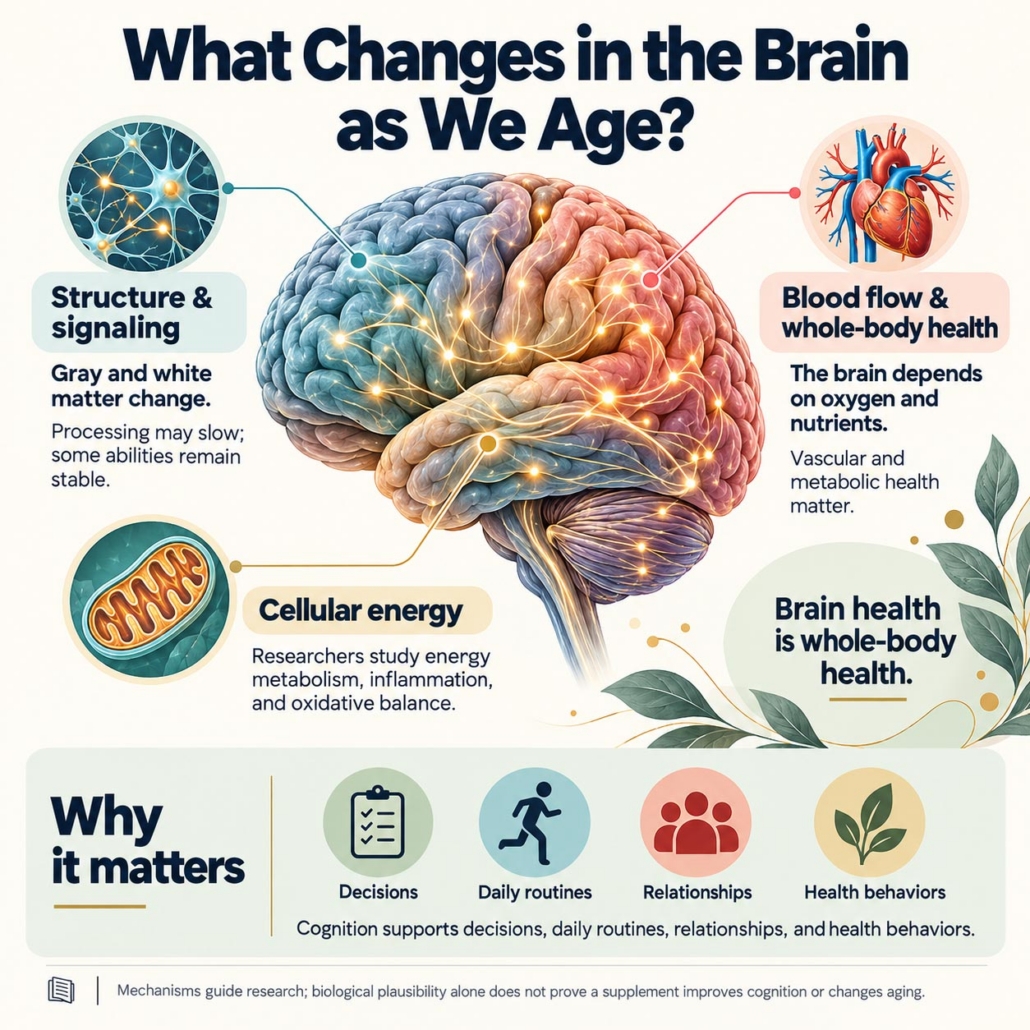
Harada, C. N., Natelson Love, M. C., & Triebel, K. L. (2013). Normal cognitive aging. Clinics in Geriatric Medicine, 29(4), 737–752.
Gonzales, M. M., Garbarino, V. R., Pollet, E., et al. (2022). Biological aging processes underlying cognitive decline and neurodegenerative disease. Journal of Clinical Investigation, 132(10), e158453.
National Institute on Aging. (n.d.). Cognitive health and older adults.
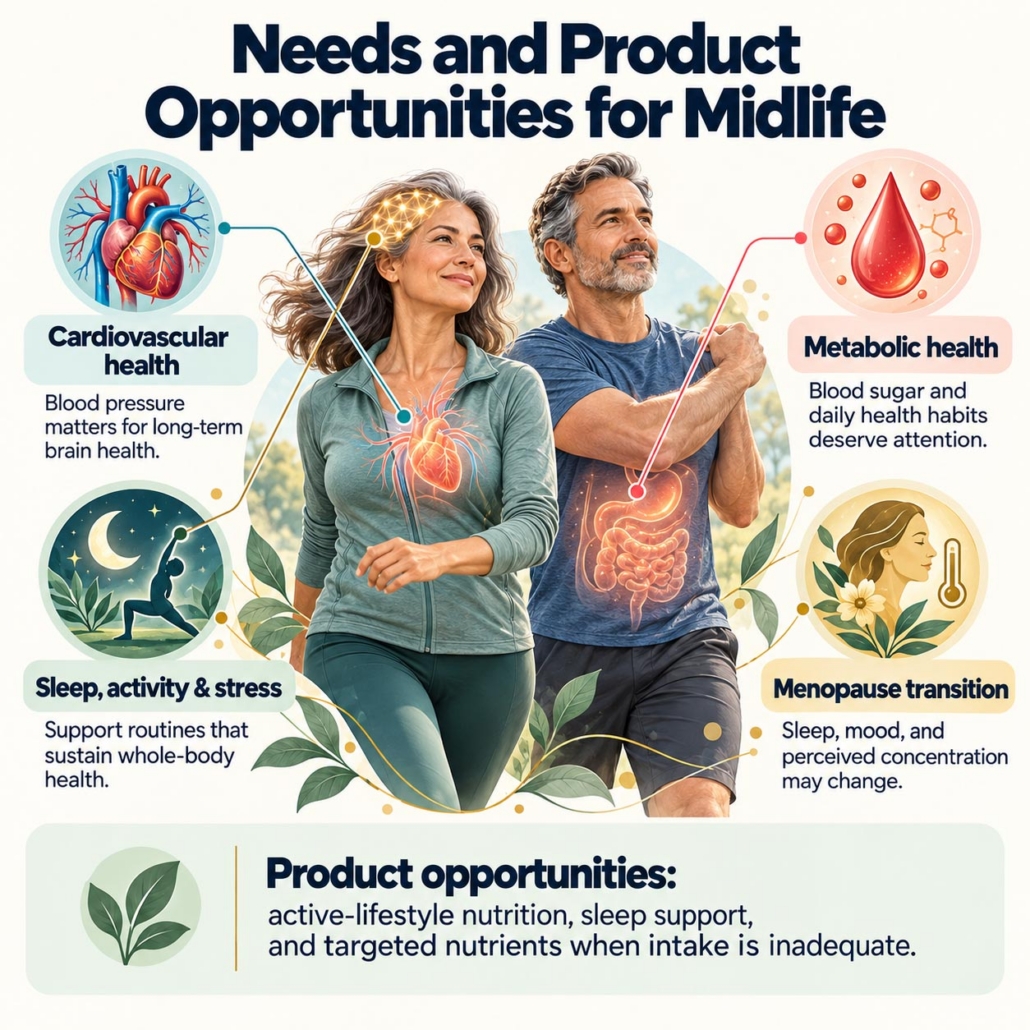
National Institute on Aging. (n.d.). Health benefits of exercise and physical activity.
National Institute on Aging. (n.d.). Sleep and older adults.
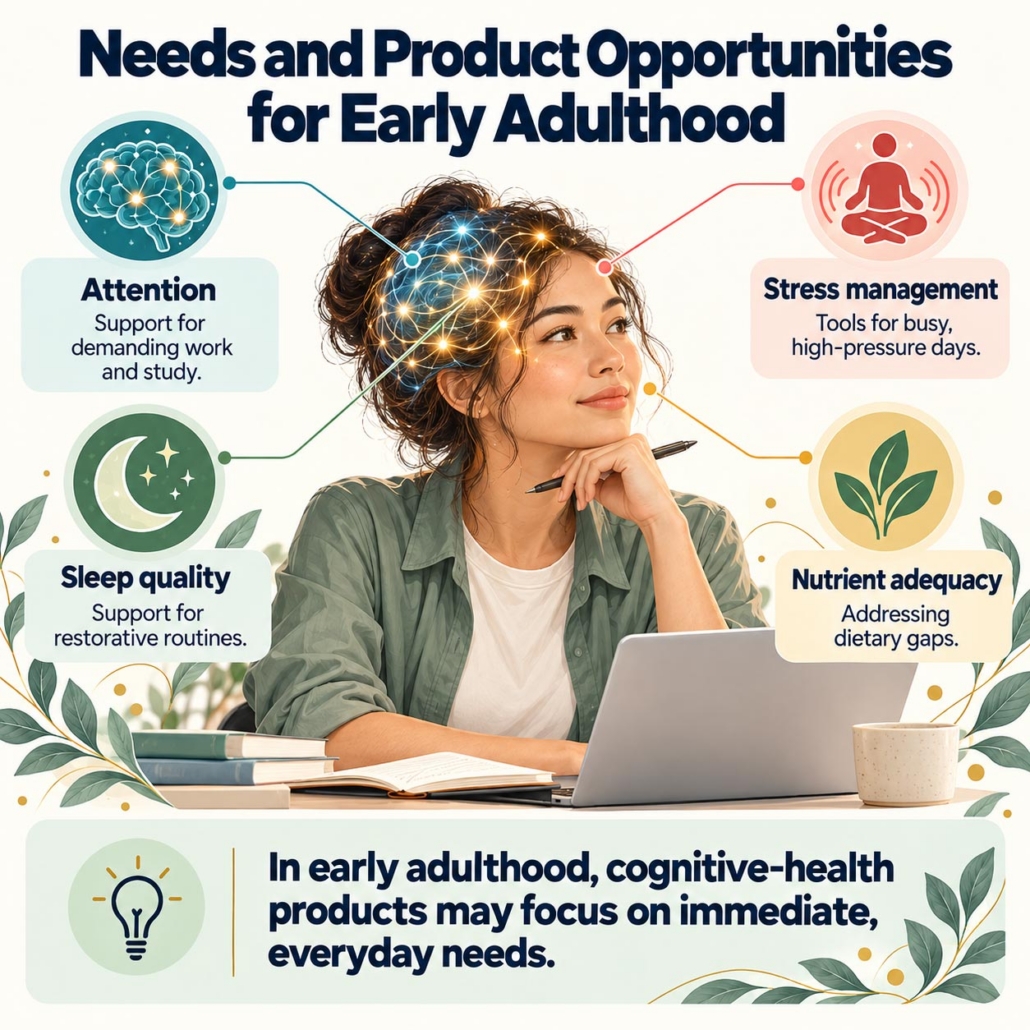
Farina, F., Bridgeman, K., Gregory, S., et al. (2024). Next generation brain health: Transforming global research and public health to promote prevention of dementia and reduce its risk in young adult populations. The Lancet Healthy Longevity, 5(12), 100665.
Levy, B. R., & Slade, M. D. (2026). Aging redefined: Cognitive and physical improvement with positive age beliefs. Geriatrics, 11(2), 28.
Lakhan, S. E. (2026). The brain is the rate-limiting organ of longevity: A brain-first systems framework for aging. Cureus, 18(1), e101106. This is an editorial framework, rather than established scientific consensus.
Ingredient Mechanisms & Human Research
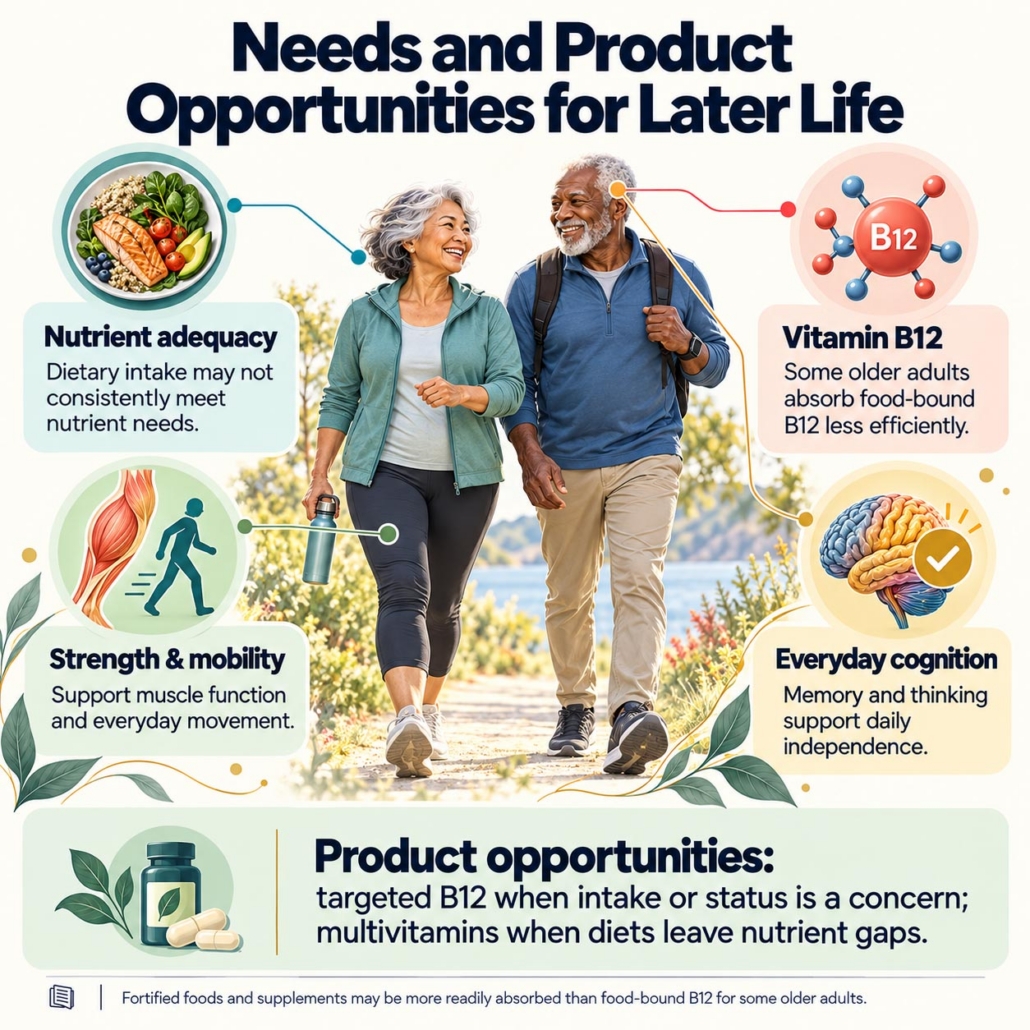
National Institutes of Health, Office of Dietary Supplements. (n.d.). Vitamin B12: Fact sheet for health professionals.
National Institutes of Health, Office of Dietary Supplements. (n.d.). Choline: Fact sheet for health professionals.
National Institutes of Health, Office of Dietary Supplements. (n.d.). Omega-3 fatty acids: Fact sheet for health professionals.
Fekete, M., et al. (2023). Improving cognitive function with nutritional supplements in aging: A comprehensive narrative review of clinical studies. Nutrients, 15(24), 5116.
Vyas, C. M., et al. (2024). Effect of multivitamin-mineral supplementation versus placebo on cognitive function: Results from the COSMOS clinic subcohort and meta-analysis of three cognitive studies. The American Journal of Clinical Nutrition, 119(3), 692–701.
Yeung, L. K., et al. (2023). Multivitamin supplementation improves memory in older adults: A randomized clinical trial. The American Journal of Clinical Nutrition, 118(2), 273–282.
Zhang, Y., et al. (2024). The influence of n-3 polyunsaturated fatty acids on cognitive function in individuals without dementia: A systematic review and dose-response meta-analysis. BMC Medicine, 22, 114.
Calabrese, C., et al. (2008). Effects of a standardized Bacopa monnieri extract on cognitive performance in the elderly: A randomized, double-blind, placebo-controlled trial. Journal of Alternative and Complementary Medicine, 14(6), 707–713.
A systematic review of the safety and efficacy of herbal and nutritional medicines on cognitive function in older adults. (2023).
Wieland, L. S., et al. (2026). Ginkgo biloba for cognitive impairment and dementia. Cochrane Database of Systematic Reviews, Issue 2, CD013661.
Nakazaki, E., et al. (2021). Citicoline and memory function in healthy older adults: A randomized, double-blind, placebo-controlled clinical trial. The Journal of Nutrition, 151(8), 2153–2160.
European Food Safety Authority. (2024). Citicoline and support of the memory function: Evaluation of a health claim. EFSA Journal, 22(7), e8861.
Nash, C. S., et al. (2025). Creatine and cognition in aging: A systematic review of evidence in older adults. Nutrition Reviews.
The interplay between gut microbiota and cognitive functioning in the healthy aging population: A systematic review. (2024). Nutrients, 16(6), 852.
Birns, B., Murshed, S., & Ni Lochlainn, M. (2026). Gut microbiome modulation and cognitive function in older adults: A systematic review and meta-analysis. Age and Ageing, 55(9), afag287.
Market Context
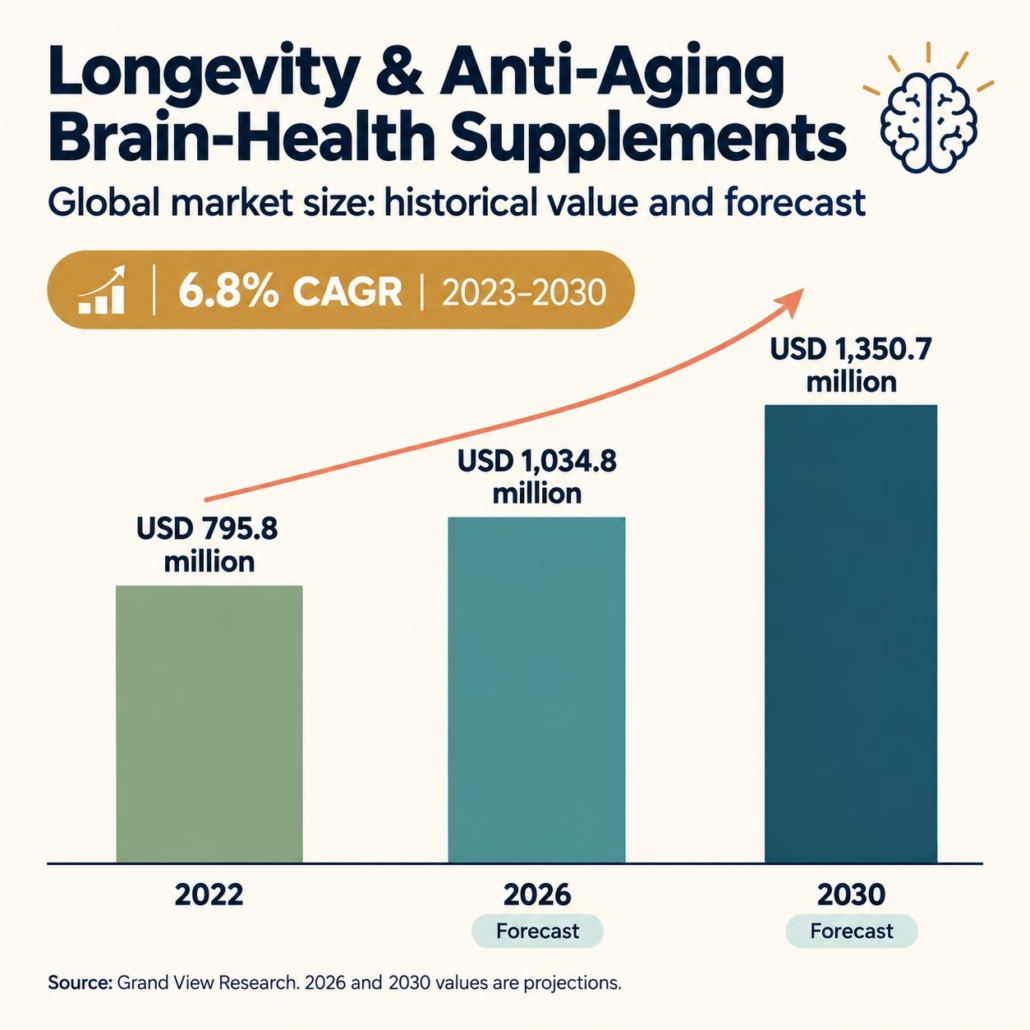
Grand View Research. (2023; page updated 2026). Longevity and anti-aging brain health supplements market, 2023–2030.
Additional Context & Emerging Trends
Celeste, A. (n.d.). The 100-Year Brain: Can We Stay Sharp for a Century?
Radiological Society of North America. (2025). Higher muscle volume is inversely related to brain age while increased visceral-to-muscle fat ratio is positively related to brain age.