Synbiotics for Immunity Support: Probiotic and Prebiotic Supplement Formulation Strategies

September 18, 2026 |

Discover how combining probiotics and prebiotics in synbiotic supplements can support immune health and guide effective formulation strategies.

At a Glance: Synbiotics for Immune Support Formulation

  • Synbiotics combine live microorganisms with selectively utilized substrates in a formulation that provides a health benefit.
  • Probiotics, prebiotics, synbiotics, and postbiotics are distinct categories with different scientific and formulation requirements.
  • The gut microbiome interacts closely with the intestinal barrier and immune system, creating a scientific rationale for microbiome-focused immune support.
  • Strong formulations prioritize strain-specific evidence, appropriate prebiotic selection, meaningful doses, and end-of-shelf-life viability.
  • Capsules, powders, stick packs, and gummies offer different opportunities and formulation challenges for synbiotic products.

Connecting the Gut Microbiome & Immune Function

The relationship between the gut microbiome and immune function has created a new frontier for immune support supplement formulation. Instead of focusing only on familiar nutrients such as vitamin C, vitamin D, and zinc, brands can increasingly consider how microbiome-focused ingredients fit into a more comprehensive approach to everyday immune wellness.

Why Synbiotics Matter for Immune Support

Synbiotics are particularly interesting within this evolving category. These formulations bring together live microorganisms and substrates selectively used by microorganisms, creating opportunities to support the microbial ecosystem while targeting a defined health benefit. For supplement developers, that makes synbiotics relevant at the intersection of gut health, immune support, and daily wellness.

Key Considerations in Synbiotic Development

However, developing a scientifically credible synbiotic requires more than adding a prebiotic fiber to a probiotic formula. The choice of microorganism, substrate, dose, evidence, delivery format, processing conditions, and shelf-life stability all matter. Brands also need to understand where synbiotics fit alongside probiotics, prebiotics, and the rapidly developing postbiotic category.

Creating a Differentiated Immune Support Supplement

For supplement brand owners and formulators, the opportunity is therefore more sophisticated than simply following a microbiome trend. A well-designed synbiotic immune support supplement can provide a differentiated platform for connecting microbiome science with a consumer benefit that remains highly relevant: supporting a healthy, resilient immune system.

Why Synbiotics Are Becoming an Important Immune Health Formulation Strategy

Immune support formulation has traditionally centered on vitamins, minerals, botanicals, and other recognizable ingredients. Those ingredients remain relevant, but microbiome science has expanded the ways brands can think about immune wellness.

The gastrointestinal tract contains an extensive immune network that continually interacts with microorganisms and their products. Rather than functioning as separate systems, the intestinal microbiota, epithelial barrier, and immune system participate in ongoing communication that helps the body distinguish between harmless exposures and potential threats.

That relationship gives supplement developers a different way to approach immunity. Instead of asking only which nutrients participate directly in normal immune function, formulators can also consider how supporting the intestinal microbial ecosystem may complement broader immune wellness strategies.

The Gut Microbiome Creates a Bridge Between Digestive & Immune Health

The gut microbiome encompasses the microorganisms and associated biological activity within the gastrointestinal environment. These microbial communities interact with intestinal epithelial cells, mucus, metabolites, and immune tissues.

One particularly important component is gut-associated lymphoid tissue (GALT), the organized and diffuse immune tissue associated with the gastrointestinal tract. GALT helps the immune system continuously sample and respond to substances encountered within the intestinal environment.

This is why broad claims such as “70% of the immune system is in the gut” can oversimplify a much more complex relationship. For supplement-industry education, it is more scientifically defensible to explain that the intestine contains a substantial and highly active immune compartment that communicates continuously with the microbiota.

Synbiotics Add Another Dimension to Microbiome Support

According to the International Scientific Association for Probiotics and Prebiotics (ISAPP), a synbiotic is a mixture containing live microorganisms and substrate(s) selectively utilized by host microorganisms that confers a health benefit on the host.

That definition matters for product development. Simply putting a probiotic and fiber into the same capsule does not automatically establish a scientifically substantiated synbiotic.

ISAPP recognizes two approaches:

Complementary synbiotics combine a probiotic and a prebiotic, with each component meeting the established criteria for its respective category. They can contribute benefits independently within the overall formulation.

Synergistic synbiotics take a more deliberately integrated approach. The substrate is selected specifically for utilization by the co-administered microorganism, and the combination must demonstrate both selective utilization and a resulting health benefit.

This distinction opens an important innovation opportunity. Instead of treating the prebiotic as an accessory ingredient, formulators can think more strategically about the relationship among microorganism, substrate, target population, and desired health outcome.

Key Takeaway: The opportunity for synbiotics is not simply to combine two popular microbiome ingredient categories. It is to develop evidence-based combinations that connect microbial ecology with a clearly defined health objective.

INFOGRAPHIC: Synbiotics May Support Immune Function

Probiotics, Prebiotics, Postbiotics, and Synbiotics: What’s the Difference?

As microbiome-focused supplements become more sophisticated, terminology matters. Probiotics, prebiotics, postbiotics, and synbiotics describe different approaches, and using the terms interchangeably can create scientific and marketing confusion.

Probiotics, Prebiotics, Postbiotics, and Synbiotics for Immune Health Supplements

Probiotics: Adding Beneficial Live Microorganisms

Probiotics are live microorganisms that, when administered in adequate amounts, confer a health benefit on the host.

Importantly, probiotic benefits are generally strain-specific. Evidence supporting one strain cannot automatically be applied to another microorganism from the same species.

That makes strain identification, clinical substantiation, effective dose, and shelf-life viability important considerations when developing probiotic supplements.

For immune support formulations, specific probiotic strains have been investigated for effects involving immune responses, intestinal barrier function, and interactions with the resident microbiota.

However, formulators should evaluate the evidence for the exact strain and intended benefit rather than assuming that all probiotics provide equivalent immune support.

Prebiotics: Selectively Supporting Microorganisms Already Present

Prebiotics take a different approach. Rather than supplying microorganisms, they provide substrates that are selectively utilized by host microorganisms and confer a health benefit.

Many familiar prebiotics are fermentable carbohydrates, including certain oligosaccharides and fibers. As intestinal microorganisms metabolize these substrates, fermentation can generate metabolites—compounds produced through microbial metabolic activity.

Among the best-known are the short-chain fatty acids acetate, propionate, and butyrate. These metabolites participate in several aspects of gastrointestinal physiology. Butyrate, for example, serves as an important energy source for colonocytes, while SCFAs more broadly participate in metabolic and immune signaling.

However, “fiber” and “prebiotic” are not synonymous. A fiber must meet the scientific criteria for a prebiotic, including selective utilization by host microorganisms and a demonstrated health benefit, to qualify under the consensus definition.

Synbiotics: Bringing Microorganisms and Substrates Together

A synbiotic combines live microorganisms with selectively utilized substrate(s) in a formulation that confers a health benefit.

This creates two potential development strategies. A complementary formulation can bring independently substantiated probiotics and prebiotics together. A synergistic formulation can go further by deliberately matching a microorganism with a substrate it can selectively utilize.

For brand owners, that distinction is strategically important. A well-designed synbiotic can support a more sophisticated product story than simply highlighting a high CFU count or adding generic fiber.

Postbiotics: A Different Microbiome Strategy

Postbiotics are distinct from probiotics and synbiotics because they do not depend on live microorganisms. ISAPP defines a postbiotic as a preparation of inanimate microorganisms and/or their components that confers a health benefit on the host.

This definition is narrower than the way the term is sometimes used commercially. Purified microbial metabolites alone, for example, do not qualify as postbiotics under the ISAPP definition.

For formulators, postbiotics are particularly interesting because using inanimate microorganisms can change the stability equation. They may provide opportunities for formats or processing environments in which maintaining live probiotic organisms is difficult. However, postbiotic benefits still require appropriate substantiation for the specific preparation.

Comparing the Four Microbiome Strategies

Category What It Is Primary Formulation Approach Live Microorganisms? Immune Support Opportunity
Probiotics Live microorganisms that confer a health benefit when administered in adequate amounts Add a substantiated microorganism or strain Yes Strain-specific digestive and immune health positioning
Prebiotics Substrates selectively utilized by host microorganisms that confer a health benefit Support targeted microorganisms through nutrition No Microbiome modulation, fermentation, and metabolite-related pathways
Synbiotics Live microorganisms plus selectively utilized substrate(s) that together confer a health benefit Combine microbial and substrate strategies Yes Integrated gut microbiome and immune wellness positioning
Postbiotics Preparations of inanimate microorganisms and/or their components that confer a health benefit Deliver a characterized non-living microbial preparation No Emerging microbiome and immune formulation opportunities with different stability considerations

These categories should not necessarily be viewed as competitors. Instead, they provide formulators with different tools for building microbiome-focused products. The right approach depends on the target consumer, desired benefit, scientific evidence, dosage, delivery format, manufacturing environment, and commercial positioning.

Key Takeaway: Synbiotics occupy a distinct position within microbiome formulation because they intentionally bring live microorganisms and selectively utilized substrates together. Postbiotics provide an adjacent—but scientifically separate—strategy that can expand the formulation toolkit for immune health brands.

How Synbiotics May Support Immune Function Through the Gut Microbiome

The rationale for using synbiotics in immune support formulations begins with the close relationship among the gut microbiome, intestinal barrier, and immune system. These systems continuously interact, helping the body respond appropriately to microorganisms, dietary components, and other substances encountered within the gastrointestinal tract.

Synbiotics can influence this environment through two complementary components: live microorganisms and selectively utilized substrates. However, the biological effects depend on the specific microorganisms and substrates used. There is no single mechanism that applies equally to every synbiotic formulation.

INFOGRAPHIC: Supporting The Intestinal Barrier

Supporting the Intestinal Barrier

The intestinal epithelium forms a highly regulated barrier between the contents of the gastrointestinal tract and the rest of the body.

Tight junction proteins help control movement between intestinal cells, while mucus, antimicrobial peptides, secretory immunoglobulin A (sIgA), and other components contribute to epithelial defense.

The gut microbiota also interacts with this barrier. Microorganisms and the compounds they produce can influence mucus production, epithelial function, immune signaling, and barrier integrity.

This makes barrier support an important area of synbiotic research.

For formulators, the implication is important: gut barrier support should be tied to evidence for the specific ingredients or finished formulation rather than treated as an inherent property of every synbiotic.

Producing Biologically Active Microbial Metabolites

Prebiotic substrates can also influence health through microbial fermentation. When certain microorganisms metabolize fermentable substrates, they produce compounds known as metabolites.

Among the best studied are the short-chain fatty acids (SCFAs):

  • Acetate
  • Propionate
  • Butyrate

These compounds do more than remain inside the intestinal lumen. They participate in communication among microorganisms, intestinal epithelial cells, immune cells, and metabolic pathways.

Butyrate is particularly important as an energy source for cells lining the colon.

SCFAs can also participate in maintaining epithelial barrier function and regulating immune responses.

However, formulators should avoid reducing microbiome health to “more SCFAs is always better.”

Microbial metabolism is complex, and the amount and type of metabolites produced depend on the substrate, microorganisms present, diet, host physiology, and baseline microbiome.

INFOGRAPHIC: Producing Biologically Active Microbial Metabolites
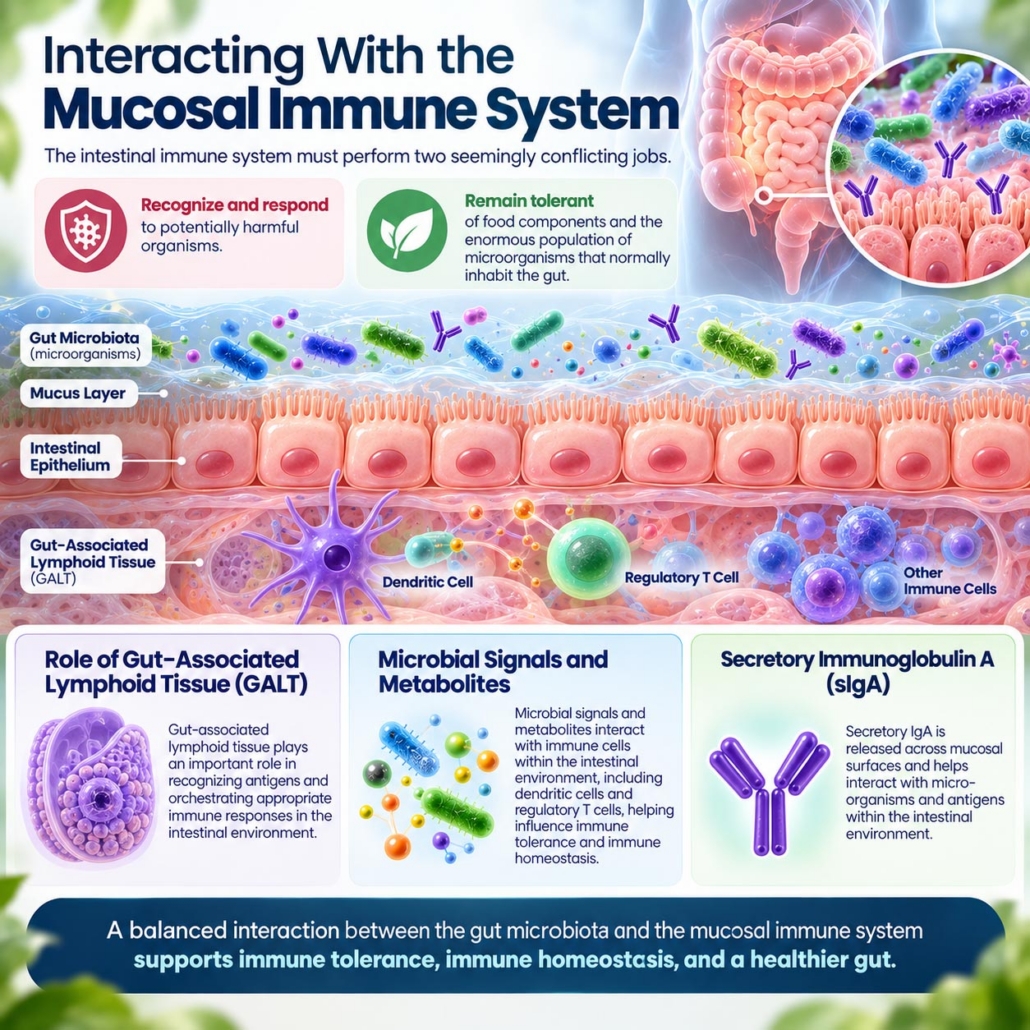
INFOGRAPHIC: Interacting With The Mucosal Immune System

Interacting With the Mucosal Immune System

The intestinal immune system must perform two seemingly conflicting jobs. It needs to recognize and respond to potentially harmful organisms while remaining tolerant of food components and the enormous population of microorganisms that normally inhabit the gut.

Gut-associated lymphoid tissue plays an important role in this process. Microbial signals and metabolites interact with immune cells within the intestinal environment, including dendritic cells and regulatory T cells, helping influence immune tolerance and immune homeostasis.

Secretory IgA provides another important connection. This antibody is released across mucosal surfaces and helps interact with microorganisms and antigens within the intestinal environment.

These mechanisms help explain why microbiome interventions are being investigated for immune health. They also reinforce why the most scientifically credible positioning is immune modulation and support, rather than simply “boosting” the immune system.

Supporting a More Resilient Microbial Ecosystem

Synbiotics may also influence which microorganisms thrive within the gut.

A complementary synbiotic can provide beneficial microorganisms while separately providing a substrate utilized by members of the resident microbiota. A synergistic synbiotic takes the concept further by intentionally pairing the microorganism with a substrate that it can selectively utilize.

For formulators, this distinction creates an opportunity to think beyond total CFU counts. The more useful development questions include:

  • Which microorganism is being delivered?
  • What evidence supports that specific strain?
  • Which substrate is included?
  • Which microorganisms can utilize it?
  • What dose has been studied?
  • What health outcome is the formulation designed to support?
  • Will the live microorganisms remain viable through the end of shelf life?

That approach moves synbiotic formulation away from ingredient stacking and toward deliberate microbiome product design.

INFOGRAPHIC: Supporting A More Resilient Microbial Ecosystem

Key Takeaway: Synbiotics may influence immune health through interconnected pathways involving the microbiome, intestinal barrier, microbial metabolites, and mucosal immune system. However, these effects are formulation-specific.

Brands should build immune positioning around the evidence for the selected microorganisms, substrates, doses, and finished product rather than making assumptions about the synbiotic category as a whole.

Key Ingredients for Synbiotic Immunity Formulations

Ingredient selection should begin with the intended health benefit — not with the longest possible list of probiotics and prebiotics. For immune-focused synbiotics, formulators should evaluate evidence at the strain level, determine whether the substrate fits the intended synbiotic strategy, and confirm that meaningful amounts can be delivered in the chosen format.

The following ingredients illustrate some of the probiotic and prebiotic options that may be considered when developing microbiome-focused immune support products.

Lacticaseibacillus rhamnosus GG

Formerly classified as Lactobacillus rhamnosus GG, Lacticaseibacillus rhamnosus GG (LGG) is one of the most extensively researched probiotic strains. It has been studied across gastrointestinal and immune-related applications and offers the advantage of clearly identifiable strain-level evidence.

For formulators, that specificity is important. Research conducted with LGG should not automatically be attributed to other L. rhamnosus strains. Brands considering LGG should therefore evaluate the studied dose, target population, intended benefit, stability requirements, and compatibility with the finished product.

Bifidobacterium animalis subsp. lactis

Bifidobacterium animalis subsp. lactis is widely used in probiotic supplements, but benefits should again be evaluated at the strain level.

Commercially researched examples include BB-12®, HN019™, and Bi-07™, each with its own evidence base rather than interchangeable clinical effects.

Bifidobacteria are particularly relevant to synbiotic development because certain prebiotic substrates can selectively support bifidobacterial populations.

However, the appropriate pairing depends on the specific strain, substrate, dose, and intended formulation.

Bacillus coagulans

Bacillus coagulans is a spore-forming bacterium used in probiotic products. Its ability to form spores can provide greater resistance to some environmental and processing stresses than many non-spore-forming probiotics.

That characteristic makes selected B. coagulans strains especially interesting for delivery formats in which maintaining live microorganisms can be challenging. Gummies, powders, and other nontraditional probiotic formats may therefore warrant consideration of spore-forming strains.

Still, stability advantages do not replace the need for strain-specific evidence and finished-product shelf-life validation.

Saccharomyces boulardii

Saccharomyces boulardii differs from the bacterial probiotics above because it is a probiotic yeast. It has a substantial history of research related primarily to gastrointestinal applications.

Its distinct biology can make it useful when developing broader microbiome strategies. However, brands should avoid assuming that gastrointestinal evidence automatically supports an immune-specific product claim.

As with bacterial probiotics, the selected preparation, dose, target benefit, and supporting human research should guide its role in a formulation.

Inulin

Inulin is a naturally occurring fructan commonly sourced from chicory root. Certain inulins have substantial research supporting their prebiotic effects, particularly their ability to influence beneficial members of the intestinal microbiota.

From a formulation perspective, inulin can also add fiber, body, and texture to powders and other delivery systems. However, meaningful inclusion levels can consume considerable formula space, and gastrointestinal tolerance may become an issue at higher doses.

These considerations are especially important for capsules and gummies, where serving capacity is limited.

Fructooligosaccharides (FOS)

Fructooligosaccharides (FOS) are fermentable carbohydrates commonly used as prebiotic ingredients. They can be selectively utilized by members of the gut microbiota, including certain bifidobacteria.

FOS can work well in powders and other formats capable of accommodating gram-level ingredients. It may also contribute mild sweetness.

However, digestive tolerance and dose should be considered carefully, particularly when FOS is combined with additional fermentable fibers.

Galactooligosaccharides (GOS)

Galactooligosaccharides (GOS) are another well-established prebiotic category and are particularly associated with selective utilization by bifidobacteria.

Their microbiome specificity makes GOS interesting for targeted synbiotic concepts. However, the formulation still needs to distinguish between a complementary strategy — where the established probiotic and prebiotic provide their respective functions — and a genuinely synergistic strategy in which the substrate is demonstrated to be selectively utilized by the co-administered microorganism.

Xylooligosaccharides (XOS)

Xylooligosaccharides (XOS) are prebiotic oligosaccharides that have attracted interest because they can be used at lower inclusion levels than some traditional fiber ingredients.

That can be advantageous in space-constrained products such as capsules, gummies, and stick packs. For brands, XOS may therefore provide a useful option when significant gram-level fiber additions are impractical. As always, the appropriate amount should follow the evidence for the specific ingredient rather than a generic prebiotic dose.

Acacia Fiber

Acacia fiber, also called acacia gum or gum arabic, is a soluble fiber obtained from Acacia species. Certain preparations have demonstrated prebiotic activity and can provide a relatively neutral sensory profile.

Its dispersibility and relatively low viscosity can make acacia particularly useful in powders and drink mixes.

Because ingredient specifications and evidence can differ, formulators should confirm that the selected material supports the intended prebiotic positioning rather than assuming all acacia fiber is functionally equivalent.

Selecting Ingredients as a System

For synbiotic formulation, the most important decision is not which probiotic or prebiotic looks strongest in isolation. It is whether the overall system makes scientific and commercial sense.

Formulators should ask:

  • What immune or gut-health outcome is the product designed to support?
  • Which probiotic strain has relevant human evidence?
  • What dose was used in that research?
  • Which prebiotic or substrate supports the intended strategy?
  • Can clinically or scientifically meaningful amounts fit within the desired serving?
  • Is the concept complementary or genuinely synergistic?
  • Can the live microorganism remain viable through manufacturing and the end of shelf life?

This approach produces a more defensible product than selecting ingredients primarily for label recognition or marketing appeal.

Key Takeaway: Synbiotic formulation should be evidence-led and strain-specific. Select microorganisms and substrates because they support a defined product strategy—not simply because both ingredient types belong to the microbiome category.

Formulation Considerations for Synbiotic Immune Supplements

A promising ingredient concept can fail if the finished product cannot maintain probiotic viability, accommodate an appropriate prebiotic dose, or deliver an acceptable consumer experience. Synbiotic formulation therefore requires simultaneous consideration of biology, manufacturing, sensory performance, packaging, and shelf life.

Start With the Evidence & Target Benefit

Before choosing a delivery format, define what the product is intended to accomplish.

For an immune-focused synbiotic, that might mean supporting normal immune function alongside digestive wellness, gut barrier function, or microbiome health. The formulation can then be built backward from the evidence supporting that objective.

For complementary synbiotics, the probiotic and prebiotic components must satisfy the relevant criteria for their respective categories, and the combined formulation must demonstrate a health benefit. For synergistic synbiotics, evidence must demonstrate selective utilization of the substrate by the co-administered microorganism as well as the resulting health benefit.

That makes evidence alignment a fundamental formulation consideration rather than a marketing exercise performed after development.

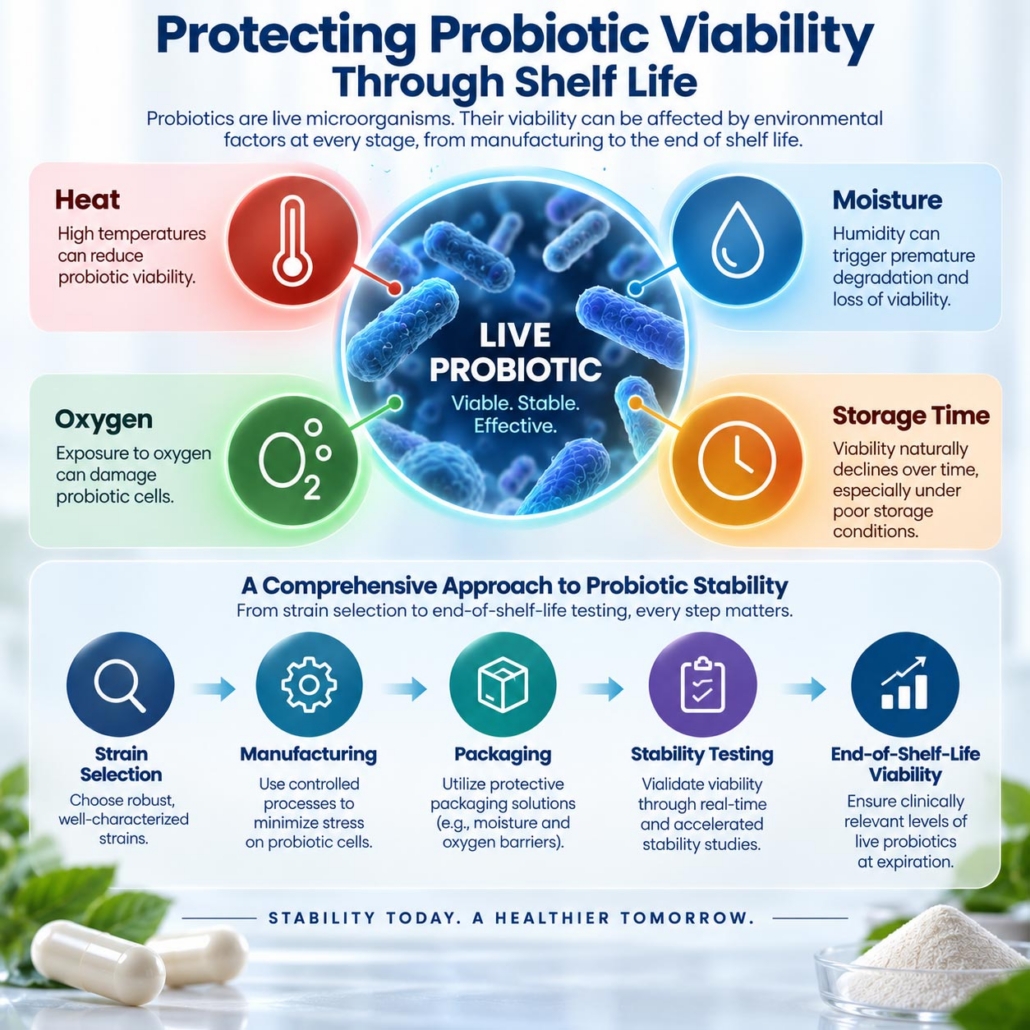
Protect Probiotic Viability Through Shelf Life

Probiotics are live microorganisms, so viability is a defining product-performance parameter.

Depending on the strain and product, environmental stresses such as moisture, temperature, oxygen, and processing conditions can reduce viable counts. Stability should therefore be considered from raw-material selection through manufacturing, packaging, distribution, and consumer storage.

An appropriate overage may sometimes compensate for expected viability losses, but overage should not become a substitute for a stable formulation. ISAPP specifically notes that effective doses delivered by a commercial synbiotic must remain present through the end of shelf life.

Formulators should evaluate:

  • Strain-specific stability data
  • Processing temperatures
  • Water activity and moisture exposure
  • Oxygen sensitivity
  • Expected storage conditions
  • Packaging barrier properties
  • Viability at the end of the stated shelf life
INFOGRAPHIC: Protecting Probiotic Viability Through Shelf Life

Match the Prebiotic Dose to The Delivery Format

One of the biggest practical constraints in synbiotic development is ingredient load.

Many prebiotic fibers require considerably more physical space than probiotic microorganisms. That creates an immediate challenge for capsules and gummies, where the available payload per serving is limited.

Powders and stick packs generally provide greater flexibility for gram-level prebiotic inclusion.

Capsules may work better with lower-dose substrates or formulations in which the prebiotic component does not require a large serving.

Gummies require an additional balance among active load, texture, water activity, sweetness, and stability.

For this reason, format should follow the formula rather than forcing the formula into a predetermined format.

Consider Digestive Tolerance

More prebiotic fiber is not necessarily better.

Highly fermentable substrates can cause gas, bloating, or other gastrointestinal symptoms in some consumers, particularly at higher doses or when several fermentable ingredients are combined.

Formulators should therefore evaluate total fermentable substrate exposure rather than considering each ingredient independently. A formula designed for daily use needs to deliver enough substrate to support its intended function without creating a consumer experience that discourages continued use.

This becomes particularly important for products positioned for broad mainstream audiences rather than consumers already accustomed to high-fiber diets.

Build Sensory Performance Into Powder & Gummy Development

Prebiotic ingredients can influence sweetness, viscosity, mouthfeel, dispersion, and texture. Probiotic preparations may also introduce characteristic flavor or aroma notes.

In powders and stick packs, formulators should evaluate:

  • Dispersibility
  • Sedimentation
  • Grittiness
  • Viscosity
  • Flavor interactions
  • Sweetness balance
  • Serving volume

For immunity-focused products, berry and citrus profiles can provide an intuitive sensory connection with the category. However, flavor should complement the formulation rather than compensate for an ingredient system that is fundamentally difficult to consume.

Gummies require even greater attention because water activity, processing conditions, active load, and texture must all be controlled while protecting probiotic viability.

Treat Packaging as Part of the Formulation

Packaging can materially affect the stability of a probiotic product.

Moisture- and oxygen-barrier properties, closure systems, desiccants, individual-dose packaging, and storage instructions should be considered alongside the formulation itself. The appropriate solution depends on the microorganism, dosage form, expected shelf life, and distribution environment.

A probiotic that performs well in bulk stability testing may behave differently once incorporated into the final product and exposed to real-world storage conditions. Consequently, stability work should evaluate the finished formula in its intended commercial packaging.

Validate the Finished Product

Raw-material specifications cannot establish the performance of the finished synbiotic.

Quality and stability programs should consider the identity and quantity of the microorganisms, appropriate microbiological specifications, contaminant testing, physical product characteristics, and probiotic viability throughout shelf life. Testing requirements will vary with the ingredients and dosage form.

Most importantly, brands should know what the finished product actually delivers at the end of shelf life—not simply what went into the blend on manufacturing day.

Choosing the Right Format

Format Primary Advantage Main Constraint Strongest Fit
Capsules Controlled environment and convenient dosing Limited room for higher-dose prebiotics Concentrated, lower-payload concepts
Powders High ingredient capacity Sensory and moisture management More substantial prebiotic doses and multi-ingredient formulas
Stick Packs Powder capacity plus portability Moisture protection and fill-volume limits Daily on-the-go synbiotic routines
Gummies High consumer appeal Heat, moisture, payload, and viability challenges Carefully engineered concepts using format-compatible microorganisms
Functional Beverages Strong lifestyle positioning Particularly demanding viability and stability requirements Specialized development where processing and shelf life can be tightly controlled

For many brands, capsules or powders provide the most practical starting point. Powders offer greater room for meaningful prebiotic doses, while capsules can simplify sensory development and protect the consumer from ingredient taste. Gummies can create compelling differentiation, but they should be selected because the microorganism and formulation can tolerate the format—not simply because gummies are commercially attractive.

Key Takeaway: The strongest synbiotic product balances scientific evidence with manufacturing reality. Strain viability, prebiotic dose, digestive tolerance, sensory performance, format, packaging, and shelf-life validation should be considered as one interconnected development system.

Choosing Between Probiotics, Prebiotics, Synbiotics, and Postbiotics for Immune Support

As microbiome science expands, supplement brands have more formulation options, but not every immune health product needs to include every microbiome ingredient category.

The better strategy is to determine what the product needs to accomplish, then select the approach that best supports that objective. A straightforward probiotic may be appropriate when strong strain-specific evidence aligns with the intended benefit.

A prebiotic can make sense when the goal is to support beneficial members of the existing microbiota while delivering fiber-related value. Synbiotics provide an opportunity to combine live microorganisms with selectively utilized substrates, while postbiotics offer a different route that does not depend on maintaining live microorganisms.

When a Probiotic-First Strategy Makes Sense

A probiotic-focused formula can be effective when the product is built around a well-researched strain with evidence that closely matches the target population and desired outcome.

This approach can also simplify the formula. Rather than adding multiple microbiome ingredients for label appeal, brands can emphasize the identity of the strain, clinically relevant dose, and supporting research.

For immunity products, this strategy is strongest when the selected strain has appropriate human evidence and the finished format can maintain adequate viability throughout shelf life.

When a Prebiotic-First Strategy Makes Sense

Prebiotics can be particularly attractive for powders, stick packs, and other formats capable of accommodating larger ingredient loads.

They also provide an opportunity to connect digestive health, fiber intake, and microbiome support within one product concept. Depending on the ingredient and dose, prebiotics may fit naturally into daily wellness products designed for consumers interested in digestive regularity and broader gut health.

However, a prebiotic-first formula should still be built around a substantiated ingredient and meaningful dose. Adding a token quantity of fiber simply to place “prebiotic” on the front of the package provides little formulation value.

When a Synbiotic Strategy Makes Sense

Synbiotics become particularly compelling when a brand wants to connect gut health and immune wellness through a more comprehensive microbiome strategy.

Rather than simply combining ingredients, brands can develop complementary or synergistic formulations around clearly defined health objectives. This provides opportunities for more sophisticated consumer education and stronger scientific differentiation.

Synbiotics may be especially appropriate for:

  • Daily gut + immune support
  • Preventive wellness routines
  • Healthy aging and resilience concepts
  • Family wellness products
  • Travel and lifestyle support
  • Multi-benefit microbiome formulations

For these concepts, the value of the synbiotic is not necessarily a longer Supplement Facts panel. It is the rationale behind how the components were selected and how the finished formulation supports the intended benefit.

Where Postbiotics May Fit

Postbiotics offer an adjacent microbiome strategy. Because they contain inanimate microorganisms and/or their components rather than requiring live microorganisms, they introduce different formulation possibilities.

This can be particularly relevant when processing conditions, water activity, storage, or other product requirements make maintaining probiotic viability difficult. Postbiotics may therefore warrant consideration in certain gummies, powders, or other formats where live microorganisms create substantial development constraints.

However, postbiotics should not be treated simply as “more stable probiotics.” They represent a scientifically distinct category, and benefits need to be established for the specific preparation.

Selecting the Right Microbiome Strategy

Product Development Priority Strategy to Consider Why
Strong strain-specific positioning Probiotic Allows the formula to center on a clinically researched microorganism
Fiber + microbiome support Prebiotic Supports resident microorganisms without requiring live cultures
Gut + immune positioning Synbiotic Integrates live microorganisms and selectively utilized substrates
More comprehensive microbiome concept Synbiotic Provides a platform for deliberate microorganism-substrate formulation
Challenging processing or storage environment Postbiotic or appropriately stable probiotic May reduce some viability constraints depending on the formulation
High-payload powder Prebiotic or synbiotic Provides room for more substantial substrate inclusion
Space-constrained capsule or gummy Targeted probiotic, lower-dose prebiotic, or postbiotic strategy Helps manage serving-size limitations

The decision should ultimately come down to evidence, format, dose, stability, target consumer, and positioning. Adding every microbiome category to one formula rarely creates a stronger product if the resulting doses become insignificant or the consumer proposition becomes difficult to understand.

Key Takeaway: More microbiome ingredients do not automatically create a better immune supplement. Brands should select probiotics, prebiotics, synbiotics, or postbiotics based on the intended health benefit and the realities of the finished product.

How Supplement Brands Can Differentiate Synbiotic Immune Support Products

The most promising opportunity for synbiotic innovation may not be another product labeled simply “Gut + Immune Support.” The category becomes more interesting when brands design the synbiotic platform around a specific consumer, occasion, and wellness objective.

That starts by deciding what role immunity plays in the consumer’s life.

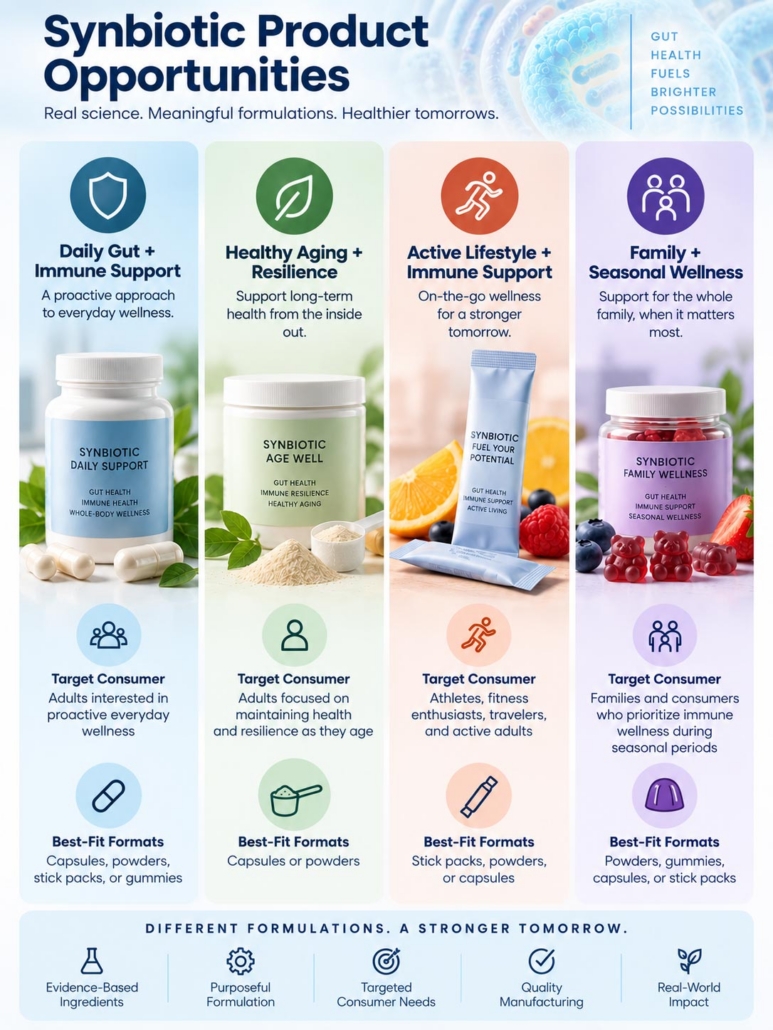
Daily Immune Resilience

For mainstream wellness consumers, synbiotics can be positioned as part of an everyday routine rather than something used only during seasonal challenges.

A daily formula might combine an evidence-aligned synbiotic strategy with familiar immune nutrients such as vitamin D or zinc. This approach creates an accessible bridge between ingredients consumers already understand and newer microbiome science.

Target consumer: Adults seeking convenient, proactive everyday wellness.

Best-fit formats: Capsules, powders, stick packs, or carefully developed gummies.

Positioning opportunity: Daily gut + immune resilience.

Gut + Immune Support

This is perhaps the most intuitive synbiotic platform because digestive and immune health are biologically interconnected and already familiar to many microbiome consumers.

A formula can place the synbiotic system at the center rather than treating probiotics as secondary ingredients added to a conventional immune blend. Depending on the concept, additional digestive ingredients may complement the positioning, but the formulation should remain focused enough to deliver meaningful doses.

Target consumer: Gut-health consumers who want benefits extending beyond digestion.

Best-fit formats: Powders, stick packs, and capsules.

Positioning opportunity: Microbiome support with an immune-health dimension.

Healthy Aging + Immune Resilience

Healthy aging creates another compelling opportunity. The gut microbiome, immune system, diet, medications, and physiology can all change with age, increasing interest in strategies that support resilience across multiple systems.

For this consumer, formulation simplicity and evidence become particularly important. Brands should avoid creating an unnecessarily complex “everything for longevity” blend. Instead, a targeted synbiotic could serve as the microbiome foundation of a broader healthy-aging concept.

Target consumer: Adults focused on maintaining health, function, and resilience as they age.

Best-fit formats: Capsules and easy-to-use powders.

Positioning opportunity: Gut, immune, and healthy-aging support within a daily wellness routine.

Active Lifestyle + Immune Support

Athletes and highly active consumers represent a different use case. Intensive training, travel, dietary patterns, stress, and disrupted routines can all make digestive and immune wellness relevant to this population.

A synbiotic product designed for active consumers could fit naturally into a daily powder or stick-pack routine alongside hydration, recovery, or nutritional products. However, brands should resist adding sports ingredients unless they contribute meaningfully to the concept.

Target consumer: Athletes, fitness enthusiasts, travelers, and highly active adults.

Best-fit formats: Stick packs, powders, and capsules.

Positioning opportunity: Daily microbiome and immune support for active lifestyles.

Family Wellness

Synbiotics can also support family-oriented wellness concepts, but formulation requirements become more complex when products are intended for children or multiple age groups.

Dose, strain evidence, serving size, flavor, texture, safety, and age-appropriate labeling all require careful consideration. Gummies may offer strong consumer appeal, while powders can provide more formulation flexibility.

Target consumer: Parents seeking convenient digestive + immune wellness products for the household.

Best-fit formats: Powders and appropriately developed gummies.

Positioning opportunity: Convenient everyday gut + immune support.

Seasonal Wellness

Synbiotics can also complement traditional seasonal immune positioning without becoming another formula dominated by vitamin C, zinc, and elderberry.

The microbiome component gives brands an opportunity to approach seasonal wellness through a broader daily-resilience narrative. Familiar botanicals or nutrients may provide additional consumer recognition, but the synbiotic system should remain scientifically meaningful rather than becoming a minor addition to an overloaded formula.

Target consumer: Consumers who become more focused on immune wellness during fall, winter, travel, or periods of increased exposure.

Best-fit formats: Capsules, stick packs, powders, and gummies.

Positioning opportunity: Microbiome-centered seasonal resilience.

Differentiation Should Come From the Product Strategy

The strongest synbiotic products will not necessarily have the highest CFU count or the largest number of strains.

Brands have more meaningful ways to differentiate:

  • Strain-level clinical evidence
  • Evidence-aligned dosing
  • Thoughtful prebiotic selection
  • Complementary or substantiated synergistic synbiotic design
  • End-of-shelf-life viability
  • Consumer-friendly delivery formats
  • Digestive tolerance
  • Strong sensory performance
  • A clearly defined target consumer
  • Simple, credible microbiome education

For executive teams evaluating a new product concept, this distinction matters. A long ingredient list can be copied relatively easily. A formulation built around strong evidence, manufacturing feasibility, and a clearly defined consumer need creates a more defensible product platform.

Key Takeaway: The strongest differentiation opportunity for synbiotic immune supplements is not ingredient quantity. It is a clear formulation strategy that connects the right microbiome ingredients, evidence, delivery format, and consumer need.

Why Synbiotics Are Positioned for Continued Growth in Immune Health

Synbiotics sit at the intersection of several established wellness categories: gut health, probiotics, immune support, functional nutrition, and preventive wellness. That convergence gives the category advantages beyond any single market-growth projection.

Consumers are already familiar with probiotics, while awareness of prebiotics and the microbiome continues to expand. At the same time, immune health has increasingly moved beyond a purely seasonal purchasing occasion. Together, these trends create an environment in which microbiome-focused immune products can become part of a daily wellness routine.

Multi-Benefit Formulations Match How Consumers Think About Wellness

Consumers do not necessarily experience digestive health, immunity, energy, stress, sleep, and healthy aging as isolated concerns. Increasingly, wellness products are designed around interconnected health goals.

Synbiotics fit naturally into that shift because microbiome science itself crosses multiple physiological systems. However, this does not mean every synbiotic product should make claims across every possible wellness category.

A better approach is to select one primary benefit and one closely related secondary benefit.

For example:

  • Gut health + immune support
  • Healthy aging + immune resilience
  • Digestive wellness + travel support
  • Daily immunity + microbiome support
  • Active lifestyle + digestive resilience
INFOGRAPHIC: Choosing The Right Microbiome Strategy

Format Innovation Can Expand the Audience

Capsules remain a logical format for many probiotic products, but consumers increasingly expect wellness supplements to fit naturally into existing routines.

Powders and stick packs can turn a synbiotic into a morning beverage or daily wellness ritual while accommodating larger prebiotic doses. Gummies may attract consumers who dislike capsules, provided the formulation can overcome the additional stability constraints.

Postbiotics may further expand the development toolkit for certain formats because they do not require maintenance of live microorganisms. This does not make them interchangeable with synbiotics, but it gives brands another microbiome strategy when product requirements make live probiotics impractical.

INFOGRAPHIC: Synbiotic Product Opportunities

Scientific Sophistication Creates Room for Better Products

As microbiome awareness grows, the category also has an opportunity to mature beyond simplistic marketing.

Consumers may still respond to recognizable messages such as “10 billion CFU” or “10 probiotic strains,” but these numbers say relatively little about whether a product is well designed.

For brands, the next stage of differentiation can focus on more meaningful attributes:

  • Identified probiotic strains
  • Human clinical evidence
  • Appropriate dosing
  • Purposeful prebiotic selection
  • End-of-shelf-life viability
  • Digestive tolerance
  • Transparent formulation rationale
  • Delivery systems designed around stability

That shift favors manufacturers and brands capable of explaining why the formulation was designed the way it was, rather than competing primarily on label quantity.

Key Takeaway: The long-term opportunity for synbiotics is larger than a single immune-health trend. Their strongest potential lies in connecting microbiome science with daily wellness, clear consumer needs, and increasingly sophisticated evidence-based formulation.

Develop Synbiotic Products With Intermountain Nutrition

Intermountain Nutrition works with supplement brands to translate product concepts into scalable formulations across capsules, powders, stick packs, and gummies.

Our product development capabilities include formulation support, flavoring and masking, pilot and scale-up work, quality and regulatory support, packaging, and on-site third-party testing.

For synbiotic products, these capabilities can help brands evaluate not only which ingredients belong in the formula, but how the complete product will perform during manufacturing and throughout its intended shelf life.

For brands exploring gut + immune support, daily resilience, healthy aging, or other microbiome-focused concepts, the goal should be straightforward: develop a product with a clear reason to exist and a formulation capable of supporting that promise.

Intermountain Nutrition can help turn that strategy into a commercially scalable supplement.

Ready to develop a synbiotic immune support product? Contact Intermountain Nutrition to discuss your formulation, delivery format, and manufacturing requirements.

Frequently Asked Questions

A synbiotic is a mixture containing live microorganisms and substrate(s) selectively utilized by host microorganisms that confers a health benefit. Under the scientific consensus definition, simply combining a probiotic with a prebiotic does not automatically establish a synbiotic. The finished combination must provide a demonstrated health benefit.

Probiotics are live microorganisms that confer a health benefit when administered in adequate amounts. Prebiotics are substrates selectively utilized by host microorganisms that confer a health benefit. Synbiotics bring live microorganisms and selectively utilized substrates together within a health-benefiting formulation. These categories are related, but each has distinct scientific criteria.

Synbiotics contain live microorganisms, while postbiotics contain inanimate microorganisms and/or their components in a preparation that confers a health benefit. Because postbiotics do not depend on maintaining live microorganisms, they can present different formulation and stability considerations. However, they are a separate microbiome category and should not be considered interchangeable with probiotics or synbiotics.

The gut microbiome interacts extensively with the intestinal barrier and mucosal immune system. Depending on the formulation, synbiotics may influence microbial communities, intestinal barrier function, microbial metabolite production, and communication between microorganisms and immune cells.

Human research is promising, but effects vary by microorganism, substrate, dose, population, and finished formulation.

There is no single probiotic strain that is best for every immune support product. Probiotic effects can be strain-specific, so formulators should prioritize strains with relevant human research for the intended health benefit and target population. The studied dose, stability characteristics, delivery format, and compatibility with the rest of the formulation should also guide selection.

Potential options include appropriately substantiated forms of inulin, fructooligosaccharides (FOS), galactooligosaccharides (GOS), xylooligosaccharides (XOS), and other substrates that meet the scientific criteria for prebiotics. Selection should consider the intended microorganisms, supporting evidence, effective dose, digestive tolerance, sensory properties, and available serving size. Not every dietary fiber qualifies as a prebiotic.

The best format depends on the formulation. Powders and stick packs provide room for larger prebiotic doses, while capsules can simplify sensory development and work well for more concentrated formulations.

Gummies offer strong consumer appeal but present additional challenges involving heat, moisture, water activity, ingredient capacity, and probiotic viability.

The formula should help determine the format rather than forcing a scientifically meaningful formula into a predetermined dosage form.

Start with a clearly defined consumer and health objective, then identify microorganisms and substrates supported by relevant evidence. From there, evaluate clinically or scientifically meaningful doses, probiotic viability, digestive tolerance, manufacturing conditions, sensory performance, packaging, and stability through the end of shelf life. A focused, evidence-aligned formulation is generally more defensible than maximizing strain count, CFUs, or the number of microbiome ingredients on the label.

References

Synbiotics: Definition, Classification, and Formulation

Swanson, K. S., Gibson, G. R., Hutkins, R., Reimer, R. A., Reid, G., Verbeke, K., Scott, K. P., Holscher, H. D., Azad, M. B., Delzenne, N. M., & Sanders, M. E. (2020). The International Scientific Association for Probiotics and Prebiotics (ISAPP) consensus statement on the definition and scope of synbiotics. Nature Reviews Gastroenterology & Hepatology, 17(11), 687–701.

Probiotics and Prebiotics: Scientific Definitions

Gibson, G. R., Hutkins, R., Sanders, M. E., Prescott, S. L., Reimer, R. A., Salminen, S. J., Scott, K., Stanton, C., Swanson, K. S., Cani, P. D., Verbeke, K., & Reid, G. (2017). Expert consensus document: The International Scientific Association for Probiotics and Prebiotics (ISAPP) consensus statement on the definition and scope of prebiotics. Nature Reviews Gastroenterology & Hepatology, 14(8), 491–502.

Hill, C., Guarner, F., Reid, G., Gibson, G. R., Merenstein, D. J., Pot, B., Morelli, L., Canani, R. B., Flint, H. J., Salminen, S., Calder, P. C., & Sanders, M. E. (2014). Expert consensus document: The International Scientific Association for Probiotics and Prebiotics consensus statement on the scope and appropriate use of the term probiotic. Nature Reviews Gastroenterology & Hepatology, 11(8), 506–514.

Postbiotics

Salminen, S., Collado, M. C., Endo, A., Hill, C., Lebeer, S., Quigley, E. M. M., Sanders, M. E., Shamir, R., Swann, J. R., Szajewska, H., & Vinderola, G. (2021). The International Scientific Association of Probiotics and Prebiotics (ISAPP) consensus statement on the definition and scope of postbiotics. Nature Reviews Gastroenterology & Hepatology, 18(9), 649–667.

Gut Health, the Microbiome, and Immune Function

Marco, M. L., Cunningham, M., Bischoff, S. C., Clarke, G., Delzenne, N., Lewis, J. D., Meisel, M., Merenstein, D., O’Toole, P. W., Staudacher, H. M., Szajewska, H., Wells, J. M., & Quigley, E. M. M. (2026). The International Scientific Association for Probiotics and Prebiotics (ISAPP) consensus statement on the definition and scope of gut health. Nature Reviews Gastroenterology & Hepatology, 23(5), 432–448.

Human Research on Synbiotics, Gut Permeability, and Immunity

Maghsoumi-Norouzabad, L., Bagherzadeh-Karimi, A., Aliakbari Majd, S., Hosseini, L., & Shahi, F. (2025). The effects of prebiotic dietary fibers, probiotics, and synbiotics on gut permeability and immunity: A systematic review. Iranian Journal of Medical Sciences, 50(8), 500–529.

Zhang, Y., et al. (2023). Effect of synbiotic supplementation on immune parameters and gut microbiota in healthy adults: A double-blind randomized controlled trial. Gut Microbes, 15(2), 2247025.


Related Postings

Andrographis for Immunity Support Supplements
STOCK FORMULA: Elderberry Gummies for Immune Support