Andrographis for Immune Support: From Traditional Respiratory Herb to Evidence-Based Botanical

September 14, 2026 |

Explore the science behind andrographis for immune and respiratory wellness, including clinical research, andrographolide standardization, formulation considerations, safety, and product-development opportunities for supplement brands.

Prefer to listen to the audio summary?

At a Glance

  • Primary focus: Immune support and respiratory wellness
  • Key compound: Andrographolide
  • Research: Human clinical research has focused primarily on upper respiratory health
  • Preferred format: Capsules
  • Formulation challenge: Intense bitterness makes powders, gummies, and other exposed formats more difficult
  • Extract selection: Plant part, extraction, standardization, and delivered andrographolide content should be evaluated—not extract weight alone
  • Product opportunities: Seasonal immune support, immune + respiratory wellness, and standardized botanical formulations
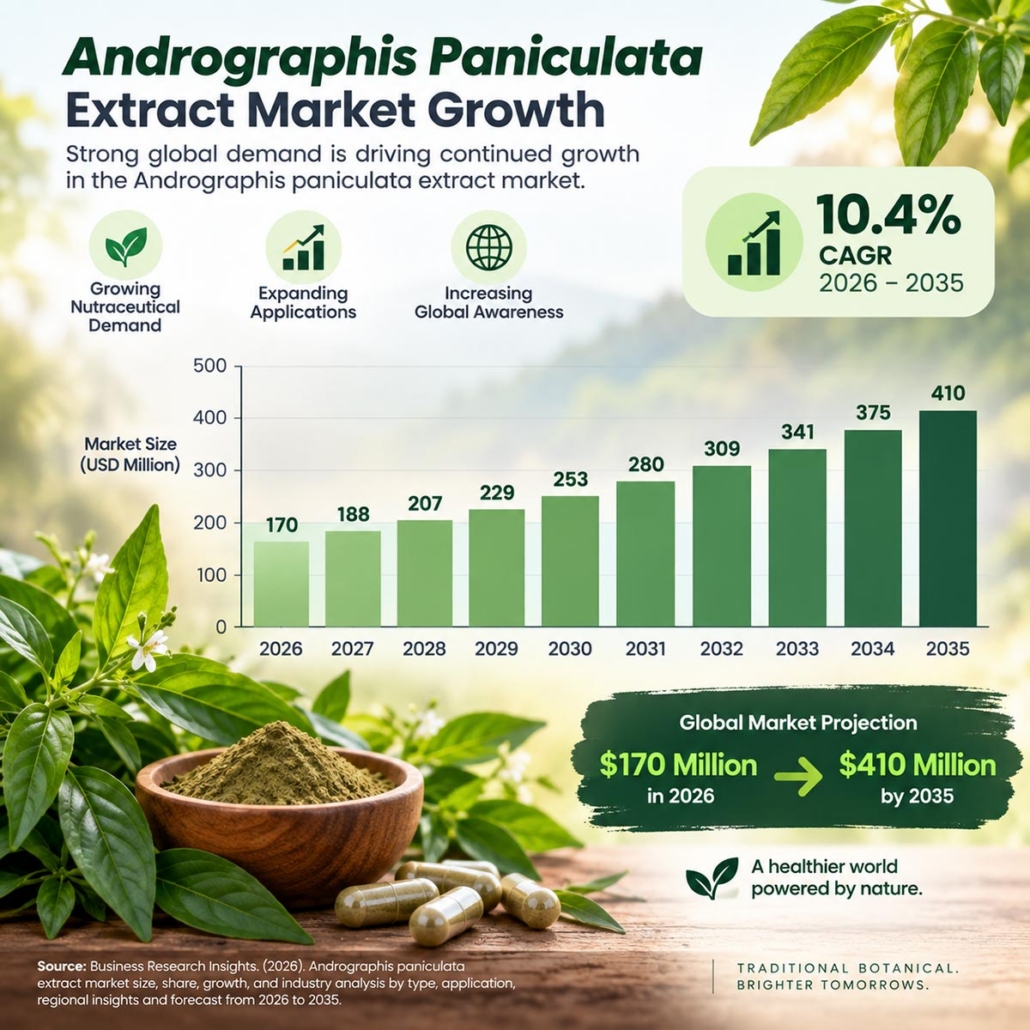
  • Market outlook: The global Andrographis paniculata extract market is projected to grow from approximately $170 million in 2026 to $410 million by 2035, at a 10.4% CAGR, according to Business Research Insights
  • Important safety consideration: Post-market surveillance in Australia has identified a serious allergy signal involving andrographis-containing medicines, which brands should include in their ingredient risk assessment

Why Andrographis Is Gaining Attention for Immune & Respiratory Support

Andrographis paniculata has a long history of traditional use for respiratory and seasonal health. Today, standardized andrographis extracts are attracting attention as supplement brands look beyond conventional vitamins and minerals for science-supported botanical ingredients.

Much of the human research on andrographis centers on upper respiratory health. Researchers have also investigated andrographolide and other constituents for their interactions with immune cells and inflammatory signaling.

For supplement brands, this creates an interesting opportunity. Andrographis can bring botanical differentiation and a more focused respiratory-wellness story to immune support products.

However, this is not an ingredient brands should select based on name recognition or extract weight alone. Plant part, extract standardization, delivered andrographolide content, dose, format, taste, safety, and evidence quality all matter when developing a commercially viable formula.

What Is Andrographis?

A Traditional Botanical with Modern Research Interest

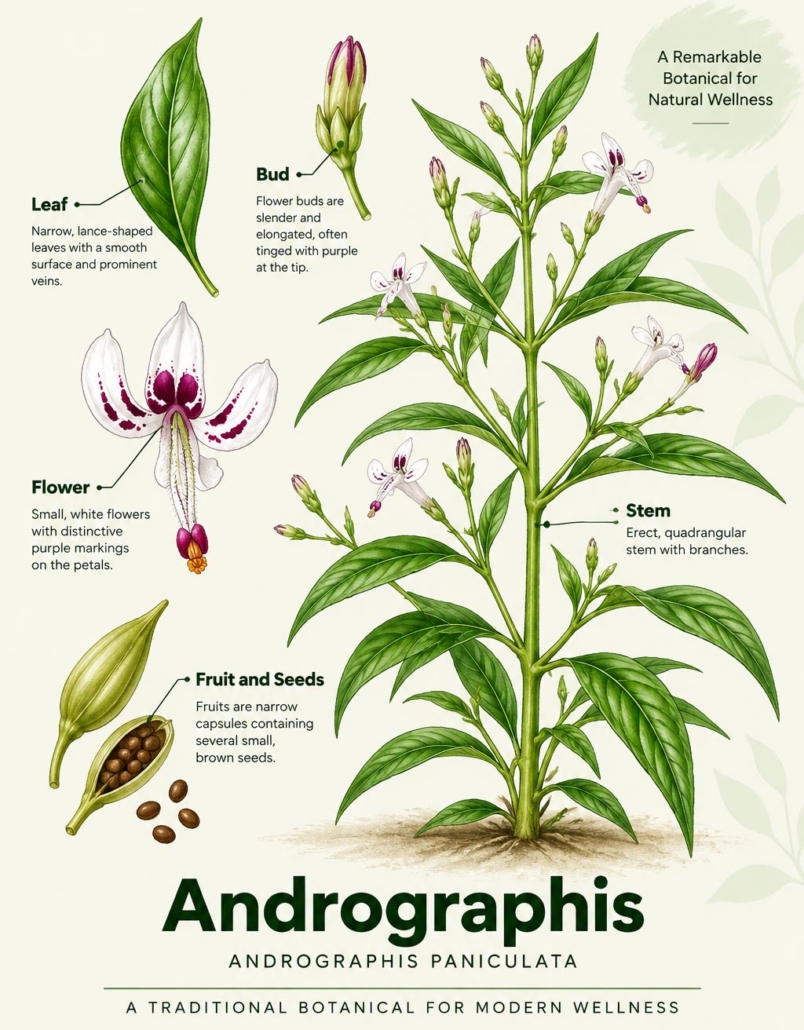
Andrographis paniculata is an herbaceous plant in the Acanthaceae family. It grows throughout tropical and subtropical regions of Asia and has a long history of use in traditional Indian, Chinese, Thai, and other Asian systems of medicine.

Different parts of the plant have been used traditionally, including the leaves, stems, roots, and sometimes the whole plant. However, the aerial parts — the above-ground leaves and stems — are especially important in modern herbal preparations.

This distinction matters for supplement development because phytochemical composition can vary by plant part, geography, harvest timing, and processing.

Andrographolide and related diterpenoids can occur in different portions of the plant, but leaves are particularly relevant as a source of andrographolide.

For formulators, “andrographis extract” is therefore not a complete raw-material specification. The plant part should be identified alongside extraction method, extract ratio or other extract characterization, standardization, and delivered andrographolide content.

Andrographis is also widely known as the “king of bitters.” Its pronounced bitterness is more than an interesting botanical characteristic — it has direct implications for dosage-form selection and sensory development.

INFOGRAPHIC: Andrographis Paniculata For Immune Support

Andrographolide Is the Key Compound to Know

Andrographis contains numerous phytochemicals, including diterpenoids and flavonoids. Andrographolide, a labdane diterpene lactone, is its best-known bioactive constituent and one of the principal compounds investigated in modern research.

Other diterpene lactones, including neoandrographolide and 14-deoxyandrographolide, have also been identified. Their relative composition can vary among plant materials and extracts.

For supplement development, andrographolide is especially important because it can serve as a standardization marker. Rather than evaluating an ingredient solely by the number of milligrams of andrographis extract, formulators can determine how much standardized active material the finished serving actually delivers.

That leads to one of the most important formulation principles for this ingredient:

Plant part + extract specification + andrographolide content matter more than extract weight alone.

Why Is Andrographis Used in Immune Support Supplements?

Andrographis has become associated with immune support largely because of its traditional use and a growing body of research involving respiratory wellness.

Respiratory Health Gives Andrographis a More Focused Story

Unlike ingredients positioned primarily around general immune maintenance, much of the human research on andrographis has examined upper respiratory health.

For supplement brands, this gives andrographis a more specific formulation story than generic “immune boosting.”

A stronger product-development strategy is to consider andrographis within an immune + respiratory wellness platform. That positioning connects more naturally with the existing human evidence while distinguishing andrographis from foundational immune nutrients such as vitamin C and zinc.

It also gives brands an opportunity to build a more targeted seasonal product rather than adding another botanical to an overcrowded general immunity blend.

How May Andrographis Support Immune Function?

The immune system does not operate through a single pathway. It relies on immune cells, signaling molecules, inflammatory responses, and physical barriers working together to recognize challenges and coordinate an appropriate response.

Andrographis appears to interact with several parts of this network. Its best-studied constituent, andrographolide, has been investigated for effects on immune-cell activity, cytokine signaling, inflammatory pathways, and other processes involved in regulating immune responses.

Rather than thinking of andrographis as an ingredient that simply “boosts” immunity, it may be more useful to think of it as a botanical being studied for immune modulation—supporting the signaling and regulatory processes that help the immune system respond appropriately.

Andrographis May Influence Immune-Cell Activity

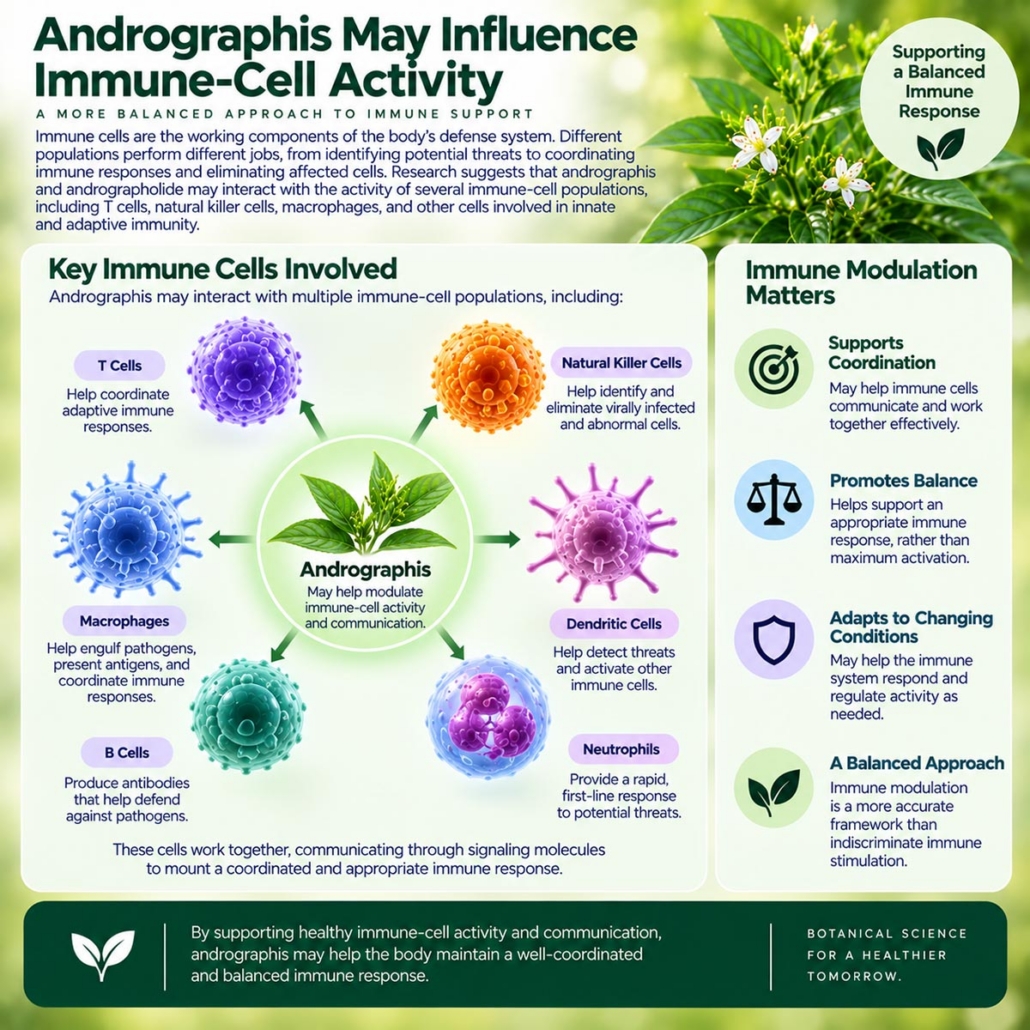
Immune cells are the working components of the body’s defense system. Different populations perform different jobs, from identifying potential threats to coordinating immune responses and eliminating affected cells.

Research suggests that andrographis and andrographolide may interact with the activity of several immune-cell populations, including T cells, natural killer cells, macrophages, and other cells involved in innate and adaptive immunity.

These effects are important because an effective immune response depends on coordination. The goal is not maximum immune-cell activation. Instead, the immune system must recognize a challenge, mobilize the appropriate response, communicate between different cell types, and regulate that response as conditions change.

This helps explain why immune modulation is a more accurate framework for andrographis than indiscriminate immune stimulation.

INFOGRAPHIC: Andrographis May Influence Immune-Cell Activity
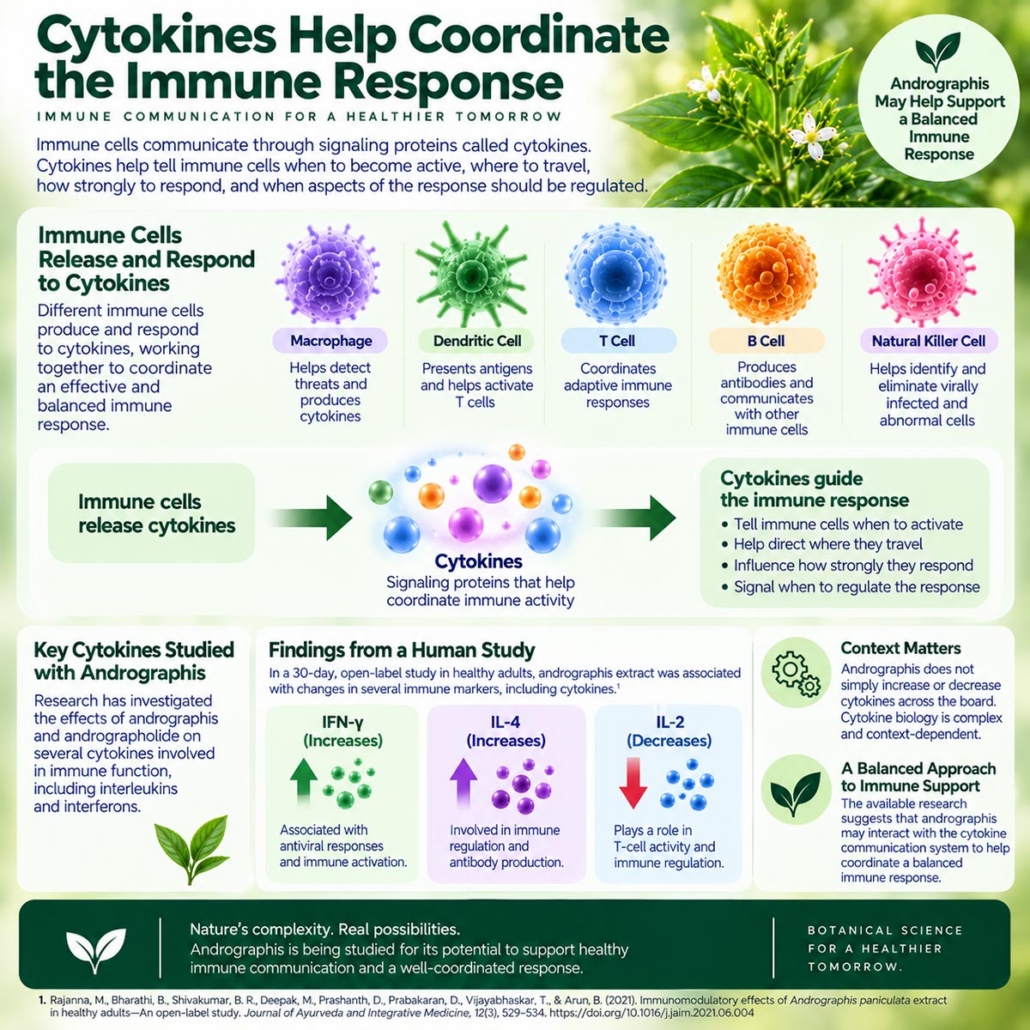
INFOGRAPHIC: Cytokines Help Coordinate the Immune Response

Cytokines Help Coordinate the Immune Response

Immune cells communicate partly through signaling proteins called cytokines.

Cytokines help tell immune cells when to become active, where to travel, how strongly to respond, and when aspects of the response should be regulated. Different cytokines can promote or restrain inflammatory and immune activity depending on the biological context.

Andrographis and andrographolide have been investigated for their influence on cytokine production and signaling. Research has examined cytokines including interleukins and interferons, as well as signaling networks involved in inflammatory responses.

This does not mean andrographis simply increases or decreases cytokines across the board. Cytokine biology is highly context-dependent.

The more useful takeaway is that andrographis may interact with the communication system that helps coordinate immune activity.

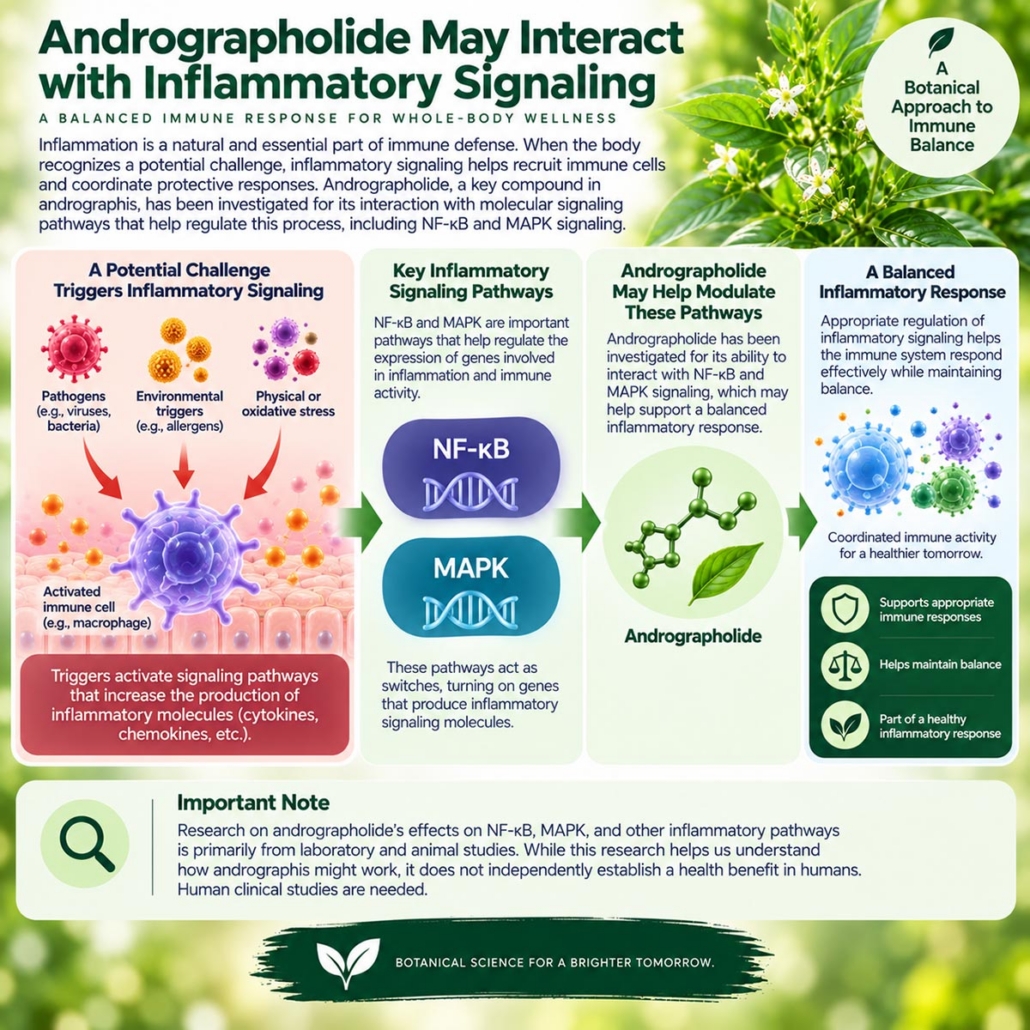
Andrographolide May Interact with Inflammatory Signaling

Inflammation is another essential part of immune defense.

When the body recognizes a potential challenge, inflammatory signaling helps recruit immune cells and coordinate protective responses. However, inflammatory activity also needs to be appropriately regulated.

Andrographolide has been investigated for interactions with molecular signaling pathways involved in this process, including NF-κB and MAPK signaling. These pathways help regulate the expression of genes and signaling molecules involved in inflammation and immune activity.

This provides a plausible biological framework for some of the immune-related effects associated with andrographis.

However, it is important not to translate mechanistic research directly into clinical claims. Much of the detailed research involving these molecular pathways comes from laboratory and animal models. It helps researchers understand how andrographis might work, but it does not independently establish a health benefit in humans.

INFOGRAPHIC: Andrographolide May Interact with Inflammatory Signaling
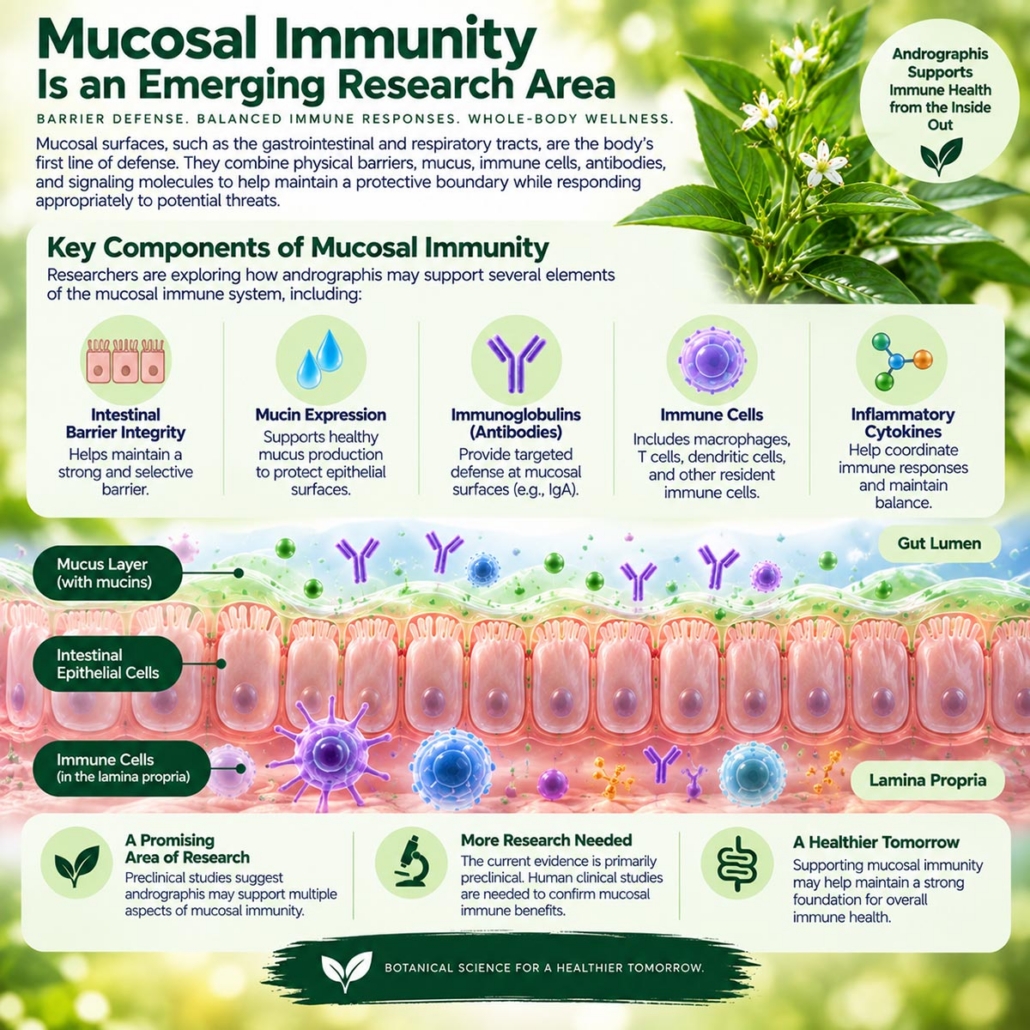
INFOGRAPHIC: Mucosal Immunity Is An Emerging Research Area

Mucosal Immunity Is an Emerging Research Area

Another emerging area involves the body’s mucosal immune system.

Mucosal surfaces line areas where the body interacts extensively with the outside environment, including the respiratory and gastrointestinal tracts. These surfaces combine physical barriers, mucus, immune cells, antibodies, and signaling molecules to help maintain a protective boundary while responding appropriately to potential threats.

Researchers are beginning to investigate andrographis in relation to several components of this system, including intestinal barrier integrity, inflammatory cytokines, immunoglobulins, and mucin expression.

Mucin is particularly relevant to barrier function because mucins are major components of the mucus layer that helps protect epithelial surfaces. Immunoglobulins and resident immune cells provide additional layers of mucosal defense.

This creates an interesting potential connection between andrographis, barrier biology, and immune regulation.

A Better Way to Think About Andrographis & Immunity

Taken together, the mechanistic research suggests that andrographis should not be viewed as an on/off switch for immunity.

A more useful model looks like this:

Andrographis / andrographolide → immune-cell activity → cytokine communication → inflammatory signaling → coordinated immune response

Emerging research adds another potential dimension:

Barrier function + mucosal immunity

These pathways may help explain why andrographis has attracted interest for immune and respiratory wellness. However, mechanistic plausibility is only one part of the evidence picture.

For supplement developers, that distinction matters. Mechanistic research can help explain why an ingredient is biologically interesting, while human clinical research tells us much more about whether those mechanisms translate into meaningful outcomes.

That brings us to the area where andrographis has some of its most compelling human evidence: respiratory health.

What Does the Clinical Research Say About Andrographis & Respiratory Health?

Respiratory health represents one of the most developed areas of human research on andrographis. It is also where we see the clearest opportunity for brands to differentiate an andrographis product from a conventional daily immunity formula.

A Meta-Analysis Evaluated More Than 7,000 Participants

A 2017 systematic review and meta-analysis evaluated 33 randomized controlled trials involving 7,175 adults and children with acute respiratory tract infections.

Compared with placebo, andrographis preparations were associated with statistically significant improvements in cough and sore throat. The pooled analysis reported a standardized mean difference of −0.39 for cough and −1.13 for sore throat versus placebo. Some comparisons also suggested improvements in overall symptoms and shorter duration of cough, sore throat, or time to resolution.

An earlier systematic review evaluated seven double-blind controlled trials involving 896 participants. Collectively, those trials also suggested that A. paniculata preparations performed better than placebo for subjective symptoms associated with uncomplicated upper respiratory tract infections.

Together, these reviews help explain why respiratory wellness should be central to the modern andrographis product story rather than treated as a secondary benefit.

Clinical Evidence Does Not Equal a Disease Claim

The respiratory research also requires an important regulatory distinction.

Clinical investigators can study andrographis in people experiencing common colds or acute respiratory tract infections. That does not mean a dietary supplement can claim to prevent, treat, mitigate, or cure those conditions.

For brands, clinical research can help explain why an ingredient is being considered, guide formulation decisions, and contribute to substantiation. Consumer-facing claims require their own regulatory assessment.

For that reason, seasonal immune + respiratory wellness provides a more appropriate formulation and positioning framework than presenting an andrographis supplement as a treatment for respiratory illness.

Not All Andrographis Extracts Are the Same

This is where the science becomes especially relevant to formulators.

The number of milligrams of andrographis listed on a Supplement Facts panel does not necessarily tell you how much of its principal standardized constituents the consumer receives.

Extract Weight Is Not the Same as Andrographolide Content

Commercial andrographis ingredients can differ in:

  • plant part;
  • extraction method;
  • extract ratio;
  • phytochemical composition;
  • andrographolide concentration; and
  • standardization methodology.

Therefore:

Andrographis extract weight ≠ andrographolide content.

Two ingredients could each provide 200 mg of andrographis extract while delivering substantially different amounts of andrographolide.

This becomes especially important when a brand wants to connect a finished formula to published research. Simply matching the number of milligrams used in a study does not establish equivalence if the extracts themselves are materially different.

Standardization Helps Define the Ingredient

Commercial extracts may be standardized to a specified concentration of andrographolide or total andrographolides. Standardization gives formulators a more useful way to characterize the ingredient than total extract weight alone.

When evaluating an andrographis raw material, we recommend looking at the complete specification:

  • Botanical identity: Confirm Andrographis paniculata and identify the plant part used.
  • Extraction: Understand how the material is extracted and characterized.
  • Standardization: Identify the specified andrographolide or total andrographolide concentration.
  • Delivered active content: Calculate how much standardized active material the finished daily serving provides.
  • Clinical relevance: Determine whether the evidence involves the same extract or a preparation sufficiently comparable to support the formulation rationale.
  • Quality specifications: Establish appropriate identity, potency, microbiological, contaminant, and other testing requirements.
  • Stability: Confirm that targeted specifications can be maintained throughout the intended shelf life.

The importance of this information is reinforced by the clinical literature itself. In the major 2017 meta-analysis, manufacturing and quality-control details were often poorly reported, making comparisons among interventions more difficult.

For today’s supplement developer, that is a weakness to avoid.

Start with the Evidence, Not Just the Ingredient Name

For a science-forward formulation, the better approach is to work backward from the intended product positioning and supporting evidence.

If a brand wants to build around a particular clinical study, the development team should ask:

What extract was studied? What plant part was used? How was it standardized? What dose was administered? How much andrographolide did that dose deliver? How closely does our proposed commercial ingredient match it?

Sometimes the published paper will not provide every answer. That uncertainty should be acknowledged rather than filled in with assumptions.

This creates a much stronger development pathway:

Botanical identity → extract specification → defined andrographolide content → evidence-informed dose → purposeful finished product

That is the difference between simply putting andrographis on the label and formulating with it strategically.

Formulation Considerations for Andrographis Supplements

Andrographis can fit naturally into immune and respiratory wellness formulations, but its intensely bitter taste makes dosage-form selection especially important.

For most supplement brands, we recommend starting with capsules rather than trying to overcome the botanical’s sensory challenges in an exposed format.

Capsules Are the Best Fit for Andrographis

For andrographis, capsules are the preferred delivery format.

Encapsulation prevents consumers from directly tasting the extract, largely eliminating one of the ingredient’s biggest formulation challenges. Research on andrographis capsule development has similarly identified masking bitterness as an advantage of the format.

Capsules also pair well with standardized extracts. Formulators can deliver a defined quantity of andrographis and andrographolides in a consistent serving without building an elaborate flavor system around the ingredient.

For an immune + respiratory wellness product, this creates a practical development path. A concentrated standardized extract can be combined with a small number of complementary actives while keeping the finished product convenient and straightforward.

Powders & Stick Packs Require Significant Taste Masking

Andrographis can technically be formulated into powders and stick packs, but these would not be a first recommendation for most product concepts.

Once andrographis is exposed to the palate, its pronounced bitterness becomes a significant sensory challenge. Research specifically investigating andrographis taste masking has used multi-component approaches to reduce perception of bitter andrographolide-related compounds, illustrating that this is more than a simple flavor-selection problem.

Sweeteners, acids, strong flavors, and other masking strategies may help. However, they add formulation complexity and may still leave a lingering bitter finish.

If a brand has a compelling reason to develop a powder or stick pack, sensory development should therefore be treated as a core part of formulation rather than a finishing step.

Gummies Are Generally a Poor Fit

We would generally not recommend a conventional gummy as the first choice for andrographis.

Gummies keep active ingredients in direct contact with taste receptors, making intense botanical bitterness especially difficult to conceal. Adding more sweetener or flavor does not necessarily solve that problem.

More sophisticated approaches, including coating, encapsulation, and other technologies designed to reduce the exposure of bitter compounds to taste receptors, may be possible. However, these strategies add development complexity and may undermine the cost or simplicity advantages of the format.

Unless a particular low-dose or taste-masked extract performs successfully through sensory testing, capsules provide the more straightforward development path.

Extract Potency Can Help Optimize Capsule Serving Size

Once capsules are selected, extract standardization becomes especially useful.

A more concentrated standardized extract may deliver the targeted amount of andrographolides with less total material. That can help manage capsule fill and leave room for complementary ingredients.

However, higher standardization is not automatically better.

Formulators should evaluate delivered andrographolide content, supporting research, supplier specifications, safety information, cost, and capsule capacity together.

Key Formulation Considerations

For most andrographis products, the development hierarchy is relatively straightforward:

  • Preferred format: Capsules
  • Possible with additional development: Powders and stick packs
  • Generally less suitable: Gummies and other formats that expose the extract directly to the palate
  • Extract selection: Define the botanical source, plant part, and andrographolide or total andrographolide standardization
  • Clinical alignment: Compare the selected extract and delivered dose with relevant human research
  • Serving size: Balance active content with capsule capacity and complementary ingredients
  • Sensory performance: Treat bitterness as a fundamental development constraint in exposed formats
  • Safety: Evaluate the extract, dose, intended population, warnings, and current pharmacovigilance information
  • Quality and stability: Establish appropriate identity, potency, microbial, contaminant, and shelf-life specifications

For andrographis, choosing the right format can eliminate a formulation problem rather than forcing the flavor system to solve it later.

Which Ingredients Pair Well with Andrographis?

Andrographis does not need to stand alone. In an immune or respiratory wellness product, it can serve as the targeted botanical component within a deliberately simple formula.

Given the safety considerations discussed later in this article, however, formulators should be selective about what is combined with it. This is not an ingredient that necessarily benefits from being buried inside a large botanical blend.

Vitamin C & Zinc Provide a Familiar Foundation

For most andrographis immune formulations, vitamin C and zinc are typically the first choices for complementary ingredients.

Both nutrients have established physiological roles in normal immune function. They also provide immediate consumer recognition around an ingredient that may be less familiar.

This creates a straightforward product architecture:

Foundational immune nutrients + standardized andrographis extract

From a formulation standpoint, this approach also keeps the product focused. Rather than stacking several immune botanicals with overlapping positioning, the brand can give andrographis a clear role tied to its respiratory-health research while vitamin C and zinc provide familiar foundational support.

Vitamin D Can Support a Daily Immune Positioning

Vitamin D may also make sense when the product is positioned for broader daily immune support rather than primarily seasonal use.

However, we would not add vitamin D automatically. If the formula already delivers a compelling immune-support story with vitamin C, zinc, and andrographis, another active should earn its place through the target consumer, intended use, competitive positioning, or nutritional strategy.

That principle is particularly important in value-oriented formulas, where every additional active can increase testing requirements, COGS, and formulation complexity.

Elderberry Can Add Consumer Familiarity

Elderberry could be considered for a more botanical or seasonal-wellness positioning. It has greater consumer familiarity than andrographis and can make the overall product concept easier to understand.

Still, elderberry should be viewed as optional rather than essential.

For a science-forward andrographis product, there may be greater value in emphasizing a well-characterized standardized extract than surrounding it with numerous familiar immune botanicals.

A focused formula also gives the brand more room to explain why the andrographis extract was selected, how it is standardized, and what quantity of andrographolides the daily serving provides.

Reconsider Combining Andrographis with Echinacea

Echinacea might initially seem like an obvious companion ingredient because both botanicals are associated with seasonal and respiratory wellness. However, we would not recommend andrographis + echinacea as the default strategy for a new formulation.

Australia’s Therapeutic Goods Administration has identified a sustained pharmacovigilance signal involving serious allergic reactions, including anaphylaxis, associated with andrographis-containing medicines. Many reported cases involved products containing both andrographis and echinacea, and echinacea itself can cause allergic reactions.

Importantly, the TGA’s analysis does not establish that combining the two botanicals causes the reported reactions. The agency’s assessment instead indicates that andrographis itself remains the primary concern in the observed adverse-event pattern.

For formulators, the practical takeaway is straightforward: there is little reason to introduce another botanical with allergy considerations unless it provides a clear formulation advantage.

Other Ingredients Should Have a Defined Purpose

Depending on the intended product, other ingredients could still complement andrographis:

Ingredient Potential Formulation Role Recommendation
Vitamin C Antioxidant and normal immune-function support Strong pairing
Zinc Normal immune-function and cellular support Strong pairing
Vitamin D Normal immune-function support Good for daily immune positioning
Elderberry Seasonal and botanical positioning Useful, but optional
Beta-glucans Innate immune-support positioning Consider for a more differentiated formula
Quercetin Flavonoid and antioxidant positioning Consider when strategically relevant
Echinacea Traditional seasonal immune positioning Not a preferred pairing

Keep the Formula Focused

Start with a standardized andrographis extract plus a small number of complementary actives, rather than building a broad multi-botanical blend.

A formula such as andrographis + vitamin C + zinc provides a particularly clean starting point. Depending on the product strategy, vitamin D, elderberry, beta-glucans, or another targeted ingredient could then be considered if it contributes something meaningful.

The guiding question should be:

What does this ingredient add that the formula does not already have?

If the answer is simply “another immune ingredient,” we would probably leave it out.

That approach can reduce sourcing complexity, testing requirements, capsule fill, COGS, and potential ingredient interactions while creating a product story that is easier for consumers to understand.

More importantly, it allows the quality and standardization of the andrographis itself to become part of the differentiation strategy.

Andrographis Market Growth & Product Opportunities

Andrographis remains more specialized than established immune ingredients such as vitamin C, zinc, elderberry, and echinacea. However, commercial market research points to continued growth for Andrographis paniculata extracts.

INFOGRAPHIC: Andrographis Paniculata Extract Market Growth

The Global Andrographis Extract Market Is Projected to Grow

Business Research Insights estimates the global Andrographis paniculata extract market at approximately $170 million in 2026 and projects it to reach $410 million by 2035, representing a 10.4% CAGR.

These figures describe the broader global andrographis extract market rather than U.S. dietary supplement retail sales. Therefore, they are best interpreted as an indicator of commercial activity surrounding the ingredient, not as a measure of U.S. consumer supplement demand.

For formulators, another aspect of the report is particularly relevant: it segments andrographis extracts by concentration and identifies lack of standardization as an industry challenge.

The Opportunity Is Differentiation Within Immune Health

Andrographis does not need the same consumer recognition as elderberry or vitamin C to be strategically useful.

Its opportunity may instead come from helping brands differentiate within the established immune-support category. Andrographis combines:

  • traditional botanical use;
  • human respiratory-health research;
  • identifiable and standardizable bioactive constituents;
  • applicability to immune and respiratory wellness positioning; and
  • lower consumer saturation than many conventional immune ingredients.

That combination may be particularly relevant for science-forward botanical products.

Seasonal Immune + Respiratory Wellness Is the Strongest Product Platform

Among potential applications, we believe seasonal immune + respiratory wellness offers the clearest positioning for andrographis.

That recommendation comes directly from the evidence base. Rather than stretching andrographis across broad wellness claims, brands can build around the area where human clinical research is most developed.

Product Platform Strategic Role for Andrographis
Seasonal Immune Support Connects naturally with respiratory-health research
Immune + Respiratory Wellness Strongest science-forward positioning
Daily Botanical Immune Support Possible, but duration of use and safety strategy deserve additional consideration
Travel Wellness Potential targeted seasonal/travel concept
Premium Botanical Immunity Emphasizes standardization, specifications, and evidence-informed formulation

For daily-use products in particular, formulators should evaluate whether the proposed duration of consumption aligns with available clinical and safety evidence. Much of the human literature involves relatively short periods of exposure.

Standardization Can Support Premium Positioning

For a premium andrographis product, we would avoid making the story simply:

“Contains andrographis.”

A stronger formulation narrative includes:

Botanical identity + defined plant part + standardized extract + delivered andrographolide content + evidence-informed dose + appropriate format

That provides a much more defensible point of differentiation for formulators and brand owners.

Andrographis Safety, Claims & Regulatory Considerations

Safety deserves particular attention when evaluating andrographis for a new supplement formulation.

Although controlled clinical research on oral andrographis has generally reported mostly nonserious adverse events, post-market surveillance in Australia has identified a more serious concern involving allergic reactions, including anaphylaxis.

This changes the risk-benefit conversation for brands considering the ingredient.

What Have Clinical Studies Reported About Safety?

A 2021 systematic review and meta-analysis evaluated the safety of Andrographis paniculata using randomized controlled trials and intensive monitoring studies.

Serious adverse events were very rare in the randomized trials, while reported nonserious adverse events primarily involved gastrointestinal and skin or subcutaneous reactions.

Controlled trials, however, are not the only source of safety information.

Post-market pharmacovigilance can identify rare adverse events that may be difficult to detect in relatively small or short-duration clinical studies.

Australian Regulators Have Identified an Anaphylaxis Signal

Australia’s Therapeutic Goods Administration has monitored allergic reactions associated with andrographis-containing medicines for more than a decade.

In its updated 2026 safety review, the TGA reported 287 cases of anaphylaxis linked to medicines containing andrographis through December 31, 2025, including one fatal case reported in 2024.

The agency reported that reactions may occur rapidly and unpredictably. They can occur during first known exposure or after previous use without a reaction, and cases have occurred in people without known histories of allergies or asthma.

Australia has required medicines containing andrographis to carry an allergy warning since 2019. Following its updated review, the TGA concluded that the existing risk-management measures had not adequately addressed the problem and in April 2026 initiated consultation on a proposal to remove andrographis from the ingredients permitted in Australia’s low-risk listed medicines.

What Does This Mean for U.S. Supplement Brands?

This is an Australian regulatory development. It does not mean that andrographis has been prohibited from U.S. dietary supplements.

However, we would not dismiss it simply because the regulatory frameworks differ.

For a brand evaluating andrographis today, the Australian pharmacovigilance signal should be considered part of the ingredient go/no-go assessment, rather than treated as a minor labeling detail.

Before moving forward, brands should evaluate:

  • the intended consumer;
  • specific extract and supplier;
  • proposed dose;
  • expected duration of use;
  • complete ingredient combination;
  • supplier safety and adverse-event information;
  • allergen and warning strategy;
  • target markets; and
  • current regulatory requirements.

Regulatory counsel should review the finished product and labeling for each market in which the product will be sold.

Special Populations Require Additional Review

Pregnancy and lactation warrant particular caution because adequate human safety data are lacking.

Potential interactions should also be evaluated for consumers taking medications, particularly when those medications affect immune function, blood pressure, glucose regulation, or clotting.

Warnings and exclusions should ultimately reflect the specific finished formulation, intended consumer, current evidence, and regulatory assessment rather than relying on generic botanical safety language.

Structure/Function Claims Require Substantiation

In the United States, dietary supplement structure/function claims must be truthful, non-misleading, and appropriately substantiated.

Potential positioning might include language such as:

  • supports normal immune function;
  • supports immune health;
  • supports respiratory wellness; or
  • helps maintain a healthy immune response.

The exact claims still require regulatory review and appropriate substantiation.

The FDA distinguishes these claims from statements that a product diagnoses, mitigates, treats, cures, or prevents disease. FDA also requires the applicable structure/function disclaimer and notification to the agency no later than 30 days after first marketing a dietary supplement bearing the claim.

Clinical Terminology Is Not Automatically Marketing Language

This distinction is particularly important for andrographis.

Clinical trials and systematic reviews can discuss common colds, upper respiratory tract infections, or acute respiratory tract infections because those are the conditions researchers studied.

Those terms do not automatically become permissible dietary supplement claims.

Brands should therefore separate two questions:

What has the ingredient been studied for?

and

What can the finished dietary supplement appropriately claim?

That distinction allows brands to use the scientific literature responsibly without turning clinical endpoints into disease claims.

A Promising Botanical That Requires Thoughtful Formulation

Andrographis has a stronger scientific story than many emerging botanicals. Human clinical research gives it a meaningful connection to respiratory health, while andrographolide standardization provides formulators with a way to develop more precisely characterized products.

But interesting evidence does not automatically make an ingredient easy to formulate—or appropriate for every product.

The bitterness favors capsules. Variability among extracts makes standardization important. Clinical evidence should guide positioning without being converted into disease claims. And the Australian anaphylaxis signal deserves serious consideration during ingredient and product risk assessment.

For brands that decide andrographis fits their product strategy, the strongest approach is therefore not to treat it as another generic immune botanical.

Start with the evidence. Define the extract. Understand the active content. Choose the format deliberately. Evaluate the safety signal. Then build the formula around a clear immune + respiratory wellness objective.

That is where andrographis has the potential to become more than another name on the Supplement Facts panel.

Developing Andrographis Supplements with Intermountain Nutrition

Andrographis presents an unusual combination of opportunities and challenges.

It has a long history of traditional use, meaningful human respiratory-health research, identifiable standardized phytochemistry, and growing commercial interest. At the same time, extract variability, intense bitterness, limitations in the clinical literature, and the emerging pharmacovigilance signal all require careful consideration.

For brand owners, that makes thoughtful product development particularly important.

Start with a Clearly Defined Product Strategy

Before selecting an extract, determine the intended role of andrographis in the finished product.

Is the concept focused on:

  • seasonal immune support;
  • immune + respiratory wellness;
  • daily botanical immune support; or
  • a premium standardized botanical formula?

For most new products, immune + respiratory wellness would be our preferred starting point because it connects most directly with the existing human evidence.

That strategy can then guide extract selection, standardization, targeted andrographolide content, complementary ingredients, serving size, dosage form, safety evaluation, quality specifications, testing, positioning, and cost targets.

Formulate for Evidence, Manufacturability, and Scale

At Intermountain Nutrition, product development involves translating that concept into a formula that can be manufactured consistently and scaled commercially.

For andrographis, that means balancing:

  • evidence-informed ingredient selection;
  • botanical identity and extract specifications;
  • andrographolide standardization;
  • capsule capacity;
  • ingredient compatibility;
  • sensory requirements;
  • safety considerations;
  • testing and quality requirements;
  • stability;
  • manufacturing feasibility; and
  • COGS.

The goal is not simply to fit andrographis into a formula. It is to develop a product where the extract, dose, format, complementary ingredients, safety strategy, and positioning all work together around a clearly defined consumer need.

Planning an immune or respiratory wellness supplement? Talk with Intermountain Nutrition about developing a custom formula designed around your target consumer, format, positioning, and scale.

Frequently Asked Questions

Andrographis paniculata is an intensely bitter botanical traditionally used in Asian wellness practices. Today, standardized extracts are used in supplements positioned around immune, seasonal, and respiratory wellness.

Andrographis is primarily used in immune and respiratory wellness supplements. Human clinical research has focused heavily on upper respiratory health, making seasonal immune + respiratory wellness one of its most relevant modern product platforms.

Research suggests that andrographis and its constituents interact with immune cells, cytokines, and inflammatory signaling. However, evidence varies considerably by extract and study.

For this reason, immune support or immune modulation provides a more scientifically appropriate framework than describing andrographis as an “immune booster.”

Andrographolide is a diterpene lactone and one of the best-studied bioactive compounds in Andrographis paniculata. It is commonly used as a marker for standardizing commercial andrographis extracts.

Two extracts containing the same number of milligrams of andrographis can deliver very different amounts of andrographolide.

Therefore, extract weight alone does not adequately describe potency or clinical relevance. Formulators should evaluate plant part, extract specification, standardization, delivered andrographolide content, and supporting evidence together.

Capsules are recommended.

Andrographis is exceptionally bitter, and capsules prevent direct exposure of the extract to the palate. Powders and stick packs are possible but can require significant taste masking. Conventional gummies are generally a poor fit unless a suitable low-dose or taste-masked extract has been successfully validated through sensory testing.

Vitamin C and zinc provide a particularly clean foundation because they offer familiar nutritional immune support around a more specialized botanical.

Depending on the product strategy, vitamin D, elderberry, beta-glucans, or quercetin may also be considered.

We would not automatically combine andrographis with echinacea, particularly in light of current pharmacovigilance information involving andrographis-containing products and the allergy considerations associated with both botanicals.

Oral andrographis has generally been reasonably tolerated in controlled clinical research, with gastrointestinal and skin-related adverse events among those reported.

However, Australian post-market surveillance has identified a serious anaphylaxis signal involving andrographis-containing medicines, including rare severe reactions and a reported fatal case.

Brands should therefore evaluate the specific extract, dose, duration, target population, ingredient combination, warnings, supplier safety information, and applicable regulatory requirements before developing an andrographis product.

References

Botanical Background, Phytochemistry, and Mechanisms

Gonde, D. P., Bhole, B. K., & Kakad, K. S. (2024). Andrographolide, diterpenoid constituent of Andrographis paniculata: Review on botany, phytochemistry, molecular docking analysis, and pharmacology. Annales Pharmaceutiques Françaises, 82(1), 15–43.

Hossain, M. S., Urbi, Z., Sule, A., & Rahman, K. M. H. (2014). Andrographis paniculata (Burm. f.) Wall. ex Nees: A review of ethnobotany, phytochemistry, and pharmacology. The Scientific World Journal, 2014, 274905.

Okhuarobo, A., Falodun, J. E., Erharuyi, O., Imieje, V., Falodun, A., & Langer, P. (2014). Harnessing the medicinal properties of Andrographis paniculata for diseases and beyond: A review of its phytochemistry and pharmacology. Asian Pacific Journal of Tropical Disease, 4(3), 213–222.

Immune Function and Immunomodulatory Research

Rajanna, M., Bharathi, B., Shivakumar, B. R., Deepak, M., Prashanth, D., Prabakaran, D., Vijayabhaskar, T., & Arun, B. (2021). Immunomodulatory effects of Andrographis paniculata extract in healthy adults—An open-label study. Journal of Ayurveda and Integrative Medicine, 12(3), 529–534.

Respiratory Health and Human Clinical Evidence

Coon, J. T., & Ernst, E. (2004). Andrographis paniculata in the treatment of upper respiratory tract infections: A systematic review of safety and efficacy. Planta Medica, 70(4), 293–298.

Hu, X.-Y., Wu, R.-H., Logue, M., Blondel, C., Lai, L. Y. W., Stuart, B., Flower, A., Fei, Y.-T., Moore, M., Shepherd, J., Liu, J.-P., & Lewith, G. (2017). Andrographis paniculata (Chuān Xīn Lián) for symptomatic relief of acute respiratory tract infections in adults and children: A systematic review and meta-analysis. PLOS ONE, 12(8), e0181780.

Mucosal Immunity and Emerging Research

Tyagi, V., Kumar, A., Shanker, K., & Pal, A. (2025). Andrographis paniculata restores gut health by suppressing inflammation and strengthening mucosal immunity. Frontiers in Pharmacology, 16, 1536683.

Formulation and Taste-Masking Considerations

Kawiyanto, J., Elina, A. A., & Heryatman, S. N. (2024). Optimization of Flocel 101 and amylum as fillers in sambiloto (Andrographis paniculata (Burm.f.) Nees.) capsules formulation. Jurnal Jamu Indonesia, 9(3), 143–149.

Zhang, Q.-H., Tian, Y., Qiu, M., Han, X., Ma, H.-Y., Han, L., & Zhang, D.-K. (2022). Combined anti-bitterness strategy for extremely bitter characteristics of Andrographis Herba decoction and mechanism. Zhongguo Zhong Yao Za Zhi, 47(20), 5424–5433.

Safety and Pharmacovigilance

Worakunphanich, W., Thavorncharoensap, M., Youngkong, S., Thadanipon, K., & Thakkinstian, A. (2021). Safety of Andrographis paniculata: A systematic review and meta-analysis. Pharmacoepidemiology and Drug Safety, 30(6), 727–739.

Therapeutic Goods Administration. (2026, April 8). Andrographis paniculata (Andrographis) and anaphylaxis—Updated safety review and supplementary report. Australian Government Department of Health, Disability and Ageing.

Therapeutic Goods Administration. (2026, April 8). Stakeholders to be consulted on proposal to remove Andrographis paniculata as a low-risk ingredient. Australian Government Department of Health, Disability and Ageing.

Market Research

Business Research Insights. (2026). Andrographis Paniculata extract market size, share, growth, and industry analysis by type, application, regional insights and forecast from 2026 to 2035. Business Research Insights report

U.S. Regulatory and Claims Guidance

U.S. Food and Drug Administration. (n.d.). Structure/function claims.

U.S. Food and Drug Administration. (n.d.). Notifications for structure/function and related claims in dietary supplement labeling.

Related Postings

STOCK FORMULA: Elderberry Gummies for Immune Support
Bees Using Propolis As a to Build the Honeycomb Structure of Their Hive
ingredients used for formulating and manufacturing nutritional supplements for immunity support