Peptide-Based Recovery Supplements

March 18, 2026 |

A New Era of Targeted Performance Nutrition

Peptides occupy a unique middle ground between amino acids and proteins. They’re not just nutrients — they’re biologically active compounds that can influence specific processes in the body, which is why they’re becoming increasingly important in advanced supplement formulations.

At a Glance

  • Peptides are short chains of amino acids that act as bioactive signaling compounds—not just nutrients
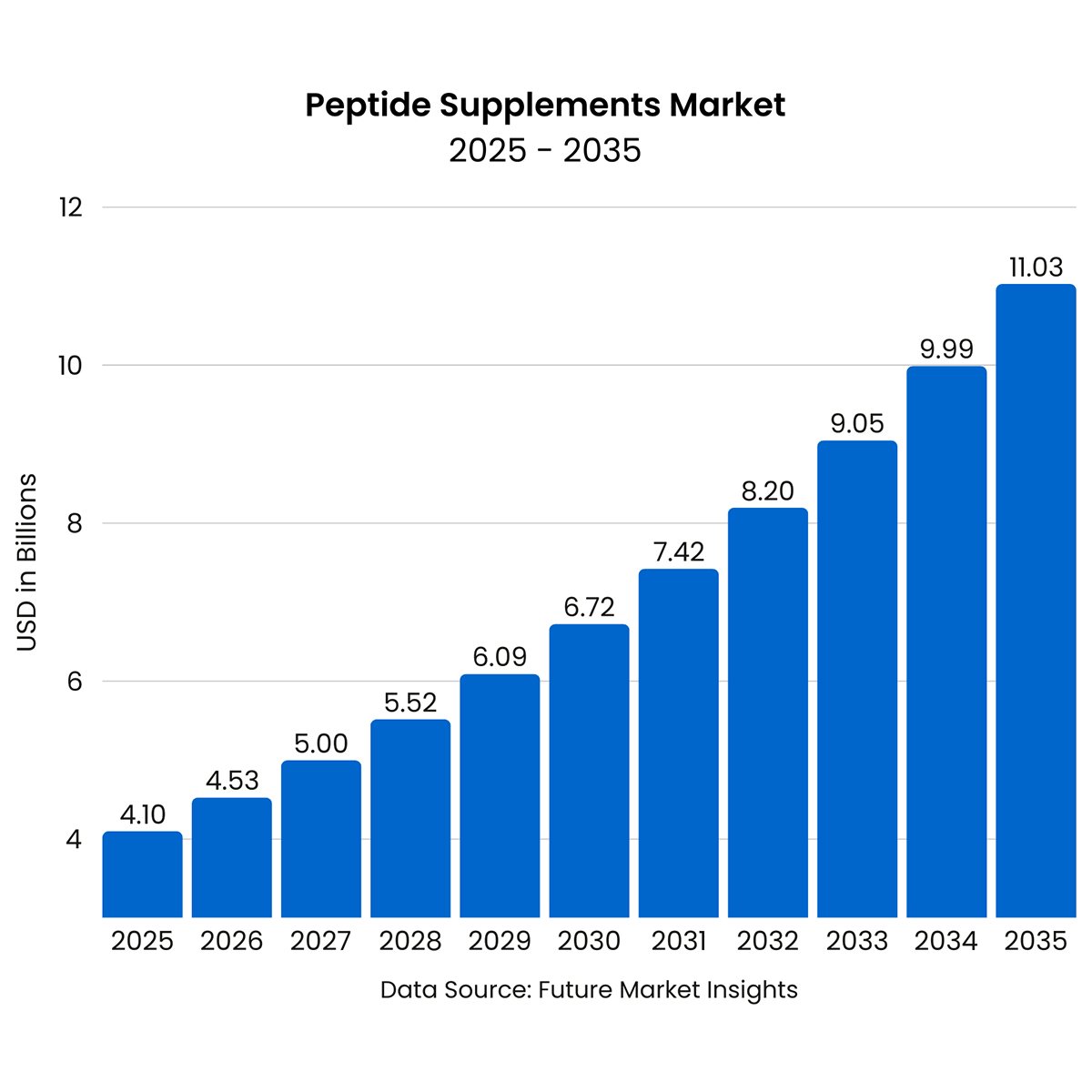
  • The global peptide supplements market is projected to grow from $4.1B (2025) to $11.2B (2035) (Future Market Insights)
  • Muscle recovery is the leading application, accounting for ~24% of use cases
  • Innovation is accelerating across bioactive peptide isolation, delivery systems, and personalization
  • Regulatory scrutiny and clinical validation remain critical differentiators
  • The future will be defined by precision formulations and hybrid recovery systems

What Is a Peptide?

A peptide is a short chain of amino acids — typically between 2 and 50 units — linked together by peptide bonds. Amino acids are the building blocks of proteins, but peptides occupy a distinct functional category between individual amino acids and full proteins.

Peptides For Recovery Supplements

Why This Matters for Formulation

Unlike larger proteins, peptides are:

  • More rapidly absorbed by the body
  • Biologically active, meaning they can influence specific physiological processes
  • Capable of acting as signaling molecules, interacting with receptors and pathways

In contrast:

  • Amino acids serve primarily as building blocks
  • Proteins provide structural and nutritional support
  • Peptides deliver targeted functional activity

This distinction is critical. Peptides are not simply a smaller form of protein—they are functional compounds that can modulate recovery, inflammation, and repair mechanisms.

How Peptide-Based Recovery Works

Muscle Icon

Targeted Biological Activity

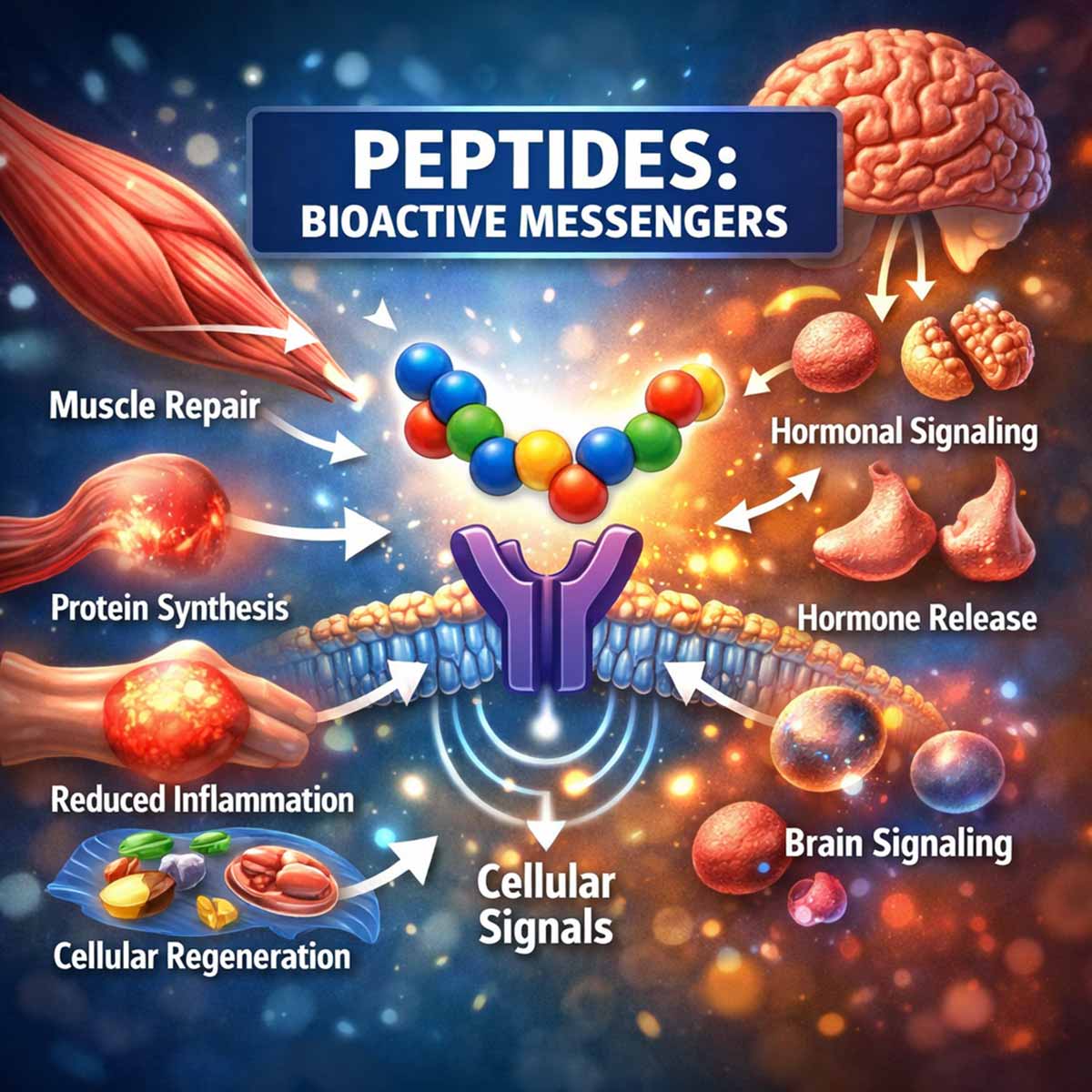
Peptides function as bioactive messengers, interacting with receptors that regulate:

  • Muscle repair and regeneration
  • Inflammation pathways
  • Hormonal signaling
  • Cellular recovery processes

Because of this, they can trigger specific physiological responses, rather than providing general nutritional support.

Target Market Segment Icon

Precision Over Generalization

Traditional recovery formulations rely on:

  • Protein powders
  • Branched-chain amino acids (BCAAs)
  • General nutrient replenishment

Peptides, however, enable:

  • Targeted pathway activation
  • Lower effective dosing in some cases
  • More sophisticated, outcome-driven formulations

This shift reflects a broader move toward precision nutrition and performance optimization.

The Rise of Peptide-Based Recovery

Peptides are redefining how formulators approach recovery. Rather than relying solely on macronutrient replenishment, brands are increasingly leveraging peptides for their targeted biological effects.

They influence key pathways such as:

  • Muscle protein synthesis
  • Inflammatory response
  • Tissue repair and regeneration

As a result, peptides are being positioned as precision actives, aligning with broader trends in personalized and performance-driven nutrition.

Peptide Supplements Market 2025 2035

Market Trends: Where Growth Is Concentrated

Peptide innovation is being driven by clear leaders across product type, sourcing, and functionality.

Collagen as a Functional Ingredient in a bowl and powder scoop

Collagen Peptides Lead Product Innovation

Collagen peptides accounted for 26.8% of global market share in 2025, making them the leading product type.

Their appeal extends beyond recovery into:

  • Skin health and elasticity
  • Joint support and mobility
  • Bone density

As a result, collagen peptides are uniquely positioned at the intersection of recovery, beauty, and healthy aging, opening cross-category opportunities for brands.

Animal-Derived Peptides Dominate Sourcing

Animal-derived peptides held 35.5% of the market share in 2025, maintaining a strong lead. Despite the rise of plant-based trends, efficacy remains the primary purchase driver, particularly in performance categories.

Common sources include:

  • Bovine collagen
  • Marine collagen
  • Dairy (whey-derived peptides)

These ingredients are widely used in:

  • Muscle-building formulations
  • Anti-aging products
  • Recovery-focused supplements

Their continued dominance is driven by:

  • Proven bioavailability
  • Strong clinical support
  • Established consumer trust
Whey Processing and dairy products
woman with a muscle cramp after a high-intensity workout. She needs Peptide supplements For Recovery Supplements

Muscle Recovery Leads Functional Demand

Muscle recovery dominated with 24.3% of the global peptide supplements market in 2025, making it the leading functional segment.

Peptides in this category support:

  • Muscle repair and regeneration
  • Reduced fatigue
  • Enhanced performance
  • Faster post-workout recovery

These benefits have made peptide supplements highly popular among:

  • Athletes
  • Fitness enthusiasts
  • Active lifestyle consumers

As a result, recovery remains the primary entry point for peptide innovation in sports nutrition.

Key Innovation Trends Shaping the Future

Advanced Bioactive Peptides

The industry is moving beyond generic collagen toward specific peptide fractions designed for:

  • Muscle repair signaling
  • Anti-inflammatory activity
  • Connective tissue support

Advances in enzymatic processing allow for greater control over peptide functionality

Next-Generation Delivery Systems

Bioavailability remains a core challenge, but innovation is accelerating:

  • Encapsulation for controlled release
  • Fast-absorbing powders and liquids
  • Taste-masking technologies to improve compliance

Source: Future Market Insights

Personalized Recovery

Peptides are well-suited for customized nutrition strategies:

  • Tailored blends based on performance goals
  • Integration with biomarker and wearable data
  • Personalized recovery protocols

Hybrid Recovery Stacks

The future lies in multi-ingredient systems, combining peptides with:

  • Amino acids (e.g., leucine)
  • Adaptogens
  • Electrolytes and minerals

These combinations support multiple recovery pathways simultaneously.

Clean Label and Alternative Sourcing

While animal-derived peptides dominate (~35% share), innovation is expanding into:

  • Plant-derived peptides
  • Fermentation-based production
  • Sustainable sourcing systems

Regulatory and Scientific Realities

While some peptide categories are well-studied, others remain emerging with limited human clinical data.

This creates both:

  • Risk of overpromising
  • Opportunity for clinically substantiated brands to differentiate

What’s Next for Recovery Supplement Brands

Clinically Substantiated Positioning

Brands that invest in human clinical validation will lead.

Expansion Beyond Sports Nutrition

Applications are expanding into:

  • Healthy aging
  • Beauty-from-within
  • General wellness

Premiumization of Recovery

Peptides enable higher-value, science-driven products.

Format Innovation

Growth in:

  • Stick packs
  • Powder blends
  • Controlled-release capsules

Formulation Considerations

Peptide-based formulations require a more technical and intentional approach than traditional protein systems.

A well-formulated peptide product balances scientific integrity, sensory experience, and manufacturing feasibility — all while maintaining compliance.

Brands that invest in this level of formulation strategy are better positioned to deliver differentiated, high-performance recovery solutions.

Solubility

Solubility

Peptides vary widely in solubility depending on molecular weight, amino acid composition, and degree of hydrolysis. Lower molecular weight peptides typically dissolve more easily, making them ideal for powders and ready-to-mix applications.

However, some specialized bioactive peptides may require dispersion aids or specific processing conditions to ensure uniform solubility. Additionally, pH can significantly impact solubility, so formulators should evaluate performance across intended product environments.

Taste Masking

Taste Masking

Many peptides, especially hydrolyzed proteins, carry inherent bitterness due to exposed hydrophobic amino acid residues. This presents a major challenge in consumer-facing formats such as powders and stick packs. Effective strategies include:

  • Natural flavor systems and modulators
  • Encapsulation or coating technologies
  • Sweetener systems (natural or functional)
  • Blending with complementary ingredients (e.g., collagen, electrolytes)

Taste optimization is often a critical determinant of repeat purchase behavior.

Consistency

Consistency

Uniform distribution of peptides is essential for dose accuracy and product performance. Variability in particle size or hygroscopicity can lead to segregation in powder blends. To address this:

  • Use controlled particle sizing and granulation
  • Optimize blending processes and excipient selection
  • Validate homogeneity through in-process testing

Consistency becomes especially important in multi-ingredient recovery formulations.

Shelf Stability

Shelf Stability

Peptides are sensitive to environmental conditions such as heat, moisture, oxygen, and pH. Degradation can reduce bioactivity and impact label claims. Key considerations include:

  • Moisture control (low water activity, desiccants, proper packaging)
  • Protection from oxidation (antioxidants, oxygen barriers)
  • Stability testing under accelerated and real-time conditions
  • Selection of appropriate delivery formats (capsules vs. powders)
Bioavailability & Absorption

Bioavailability & Absorption

Although peptides are generally more bioavailable than intact proteins, not all peptides are absorbed equally. Factors influencing absorption include:

  • Peptide size and sequence
  • Stability in the digestive environment
  • Interaction with transporters in the gut

Advanced delivery technologies, such as encapsulation or co-formulation with absorption enhancers, can improve systemic availability and functional outcomes.

Compatibility with Other Actives

Compatibility with Other Actives

Peptides are often included in multi-ingredient recovery systems, which introduces compatibility challenges. Interactions with minerals, botanicals, or acids can affect stability, solubility, or taste. Formulators should:

  • Evaluate pH interactions across the full formula
  • Assess potential binding or degradation reactions
  • Conduct stability testing on the final blend—not just individual ingredients
Manufacturing Considerations

Manufacturing Considerations

Peptides may require specialized handling and processing conditions:

  • Sensitivity to heat during drying or encapsulation
  • Flowability challenges in powder systems
  • Potential for dusting or static during production

Working with a manufacturer experienced in peptide handling ensures scalability without compromising quality.

Quality & Testing Requirements

Quality & Testing Requirements

Given the complexity and regulatory scrutiny around peptides, robust quality systems are essential:

  • Identity and purity testing of peptide ingredients
  • Verification of molecular weight distribution
  • Contaminant screening (heavy metals, residual solvents, microbes)

Strategic Takeaway for Supplement Brands

Peptides represent a fundamental shift in how recovery is formulated.

Success will depend on:

  • Translating science into clear product positioning
  • Combining peptides with synergistic ingredients
  • Ensuring quality, compliance, and transparency
Peptides For Recovery Supplements

Conclusion

Peptide-based recovery supplements are entering a new phase defined by precision, innovation, and increasing scientific rigor.

As understanding deepens and technology advances, peptides will become a central component of next-generation recovery solutions.

Intermountain Nutrition partners with brands to develop custom, science-forward formulations, combining advanced ingredients with scalable manufacturing and rigorous quality standards.

Frequently Asked Questions

Peptides differ from traditional protein supplements because they are shorter chains of amino acids that can act as bioactive signaling molecules, not just sources of nutrition.

While proteins must be broken down into smaller components during digestion, peptides are often absorbed more efficiently and can interact directly with receptors in the body. This allows them to influence processes such as muscle repair, inflammation, and recovery more precisely.

As a result, peptides enable more targeted and functional formulations compared to conventional protein-based recovery products.

Some peptide categories, such as collagen peptides, have substantial clinical research supporting their benefits for joint health and recovery. However, many newer peptides are still in earlier stages of scientific validation, with limited large-scale human trials.

While preclinical and mechanistic data may be promising, brands must be cautious about making broad claims without sufficient evidence.

This creates a significant opportunity for companies that invest in rigorous clinical studies to establish credibility and differentiation in the market.

Formulating peptide supplements presents several technical challenges, including stability, taste, and bioavailability. Peptides can degrade under certain environmental conditions such as heat, moisture, or extreme pH, requiring careful formulation and packaging strategies.

Additionally, many peptides have inherently bitter taste profiles, making taste masking a critical component of product development. Cost and sourcing complexity can also impact scalability, particularly for highly purified or specialized peptide ingredients.

Peptide supplements are not always regulated in the same way as traditional dietary supplements. While some peptides fall within established regulatory frameworks, others exist in a gray area, particularly those with drug-like effects or insufficient safety data.

Regulatory agencies have increased scrutiny on certain peptides due to concerns about quality, contamination, and unapproved claims. As a result, brands must ensure that their formulations use compliant ingredients and adhere strictly to labeling and manufacturing regulations.

Brands should prioritize ingredient quality, scientific validation, and regulatory compliance when developing peptide-based recovery products. Selecting well-researched peptide ingredients with documented benefits is essential for building trust and credibility.

Additionally, investing in delivery systems that enhance absorption and improve user experience can significantly impact product success.

Clear positioning, transparent communication, and alignment with regulatory guidelines will help brands differentiate in an increasingly competitive and scrutinized category.

References

Future Market Insights. (2025). Peptide Supplements Market Report.

Deep Market Insights. (2026). Peptide Supplements Market Research Report.

CorePulse Labs. (2025). Peptides in Wellness and Muscle Recovery.

Genesis Publications. (2026). Emerging Peptides in Athletic Recovery.

TIME. (2026). Anti-Aging Peptide Trends and Risks.

Related Postings

Spirulina Supplements
woman taking hydration supplement capsules before a workout
a man's hands using gardening shears to gather holy basil on a sustainable farm