Hydration Supplements

March 16, 2026 |

The Next Frontier in Functional Performance Nutrition

Hydration supplements are evolving from simple electrolyte replacements into multifunctional wellness platforms supporting focus, beauty-from-within, longevity, metabolic health, and recovery.

At a Glance

  • SPINS’ report notes that hydration products still generate at least $750 million per month even outside peak summer demand which means it’s much more than a seasonal heat supplement.
  • Hydration used to be associated primarily with sports drinks and electrolyte replacement after exercise. Today, hydration supplements are emerging as a core functional nutrition platform.
  • The global electrolytes supplement market was valued at about $8.2 billion in 2024 and is projected to reach $14.5 billion by 2030.
  • The broader hydration supplement industry is growing at roughly 6–8% CAGR globally as consumer awareness of electrolyte balance and hydration increases.
  • The U.S. electrolyte supplement market reached about $1.63 billion in 2024 and continues expanding as hydration becomes part of daily wellness routines.
  • Hydration supplements are expanding beyond sports into focus, beauty-from-within, longevity, metabolic wellness, and recovery support.
  • Portable formats like stick-pack powders and electrolyte drink mixes account for the largest share of hydration supplement demand (about 36%) due to convenience and dosage flexibility.

Why Hydration Supplements Are One of the Fastest-Growing Categories

Market growth is driven by several macro trends:

  • rising participation in fitness and active lifestyles
  • growing consumer awareness of electrolyte balance
  • increasing demand for portable supplement formats
  • expanding use cases for hydration in everyday wellness

In addition, hydration supplements are now intersecting with major health and wellness trends such as:

For supplement brands, hydration powders and drink mixes offer one of the most versatile product formats for delivering multifunctional health benefits in convenient daily formats.

Hydration Supplement Formulations 11

How Hydration Works

Hydration depends on maintaining the proper balance of water and electrolytes, including:

  • sodium
  • potassium
  • magnesium
  • chloride

These minerals regulate critical physiological functions such as:

  • fluid balance
  • nerve signaling
  • muscle contraction
  • thermoregulation
  • cardiovascular function

One of the most important mechanisms in hydration science is the sodium–glucose transport pathway, which allows sodium and glucose to facilitate efficient water absorption in the small intestine.

This principle forms the basis of oral rehydration therapy (ORT) and continues to influence modern hydration supplement formulations.

The Future of Functional Hydration

Hydration supplements are rapidly becoming one of the most versatile delivery systems in supplements.

U.S. hydration and electrolyte supplement sales reached $1.8 billion in the 52 weeks ending April 20, 2025, up 22% year over year, while traditional sports and rehydration drinks declined about 1%.

At the same time, 81% of consumers still prioritize hydration in beverages, but increasingly want added benefits such as energy, recovery, and whole-body wellness.

Globally, the electrolyte powder market was valued at $8.74 billion in 2024 and is projected to grow at an 8.8% CAGR from 2025 to 2030, with the U.S. expected to grow even faster at 9.4% CAGR.

Together, these trends suggest that hydration is evolving from a basic replenishment category into a multifunctional delivery system for modern wellness, including:

For supplement brands, hydration supplements represent an opportunity to deliver multifunctional health benefits in convenient daily formats.

Electrolyte Powder Market 2025-2030
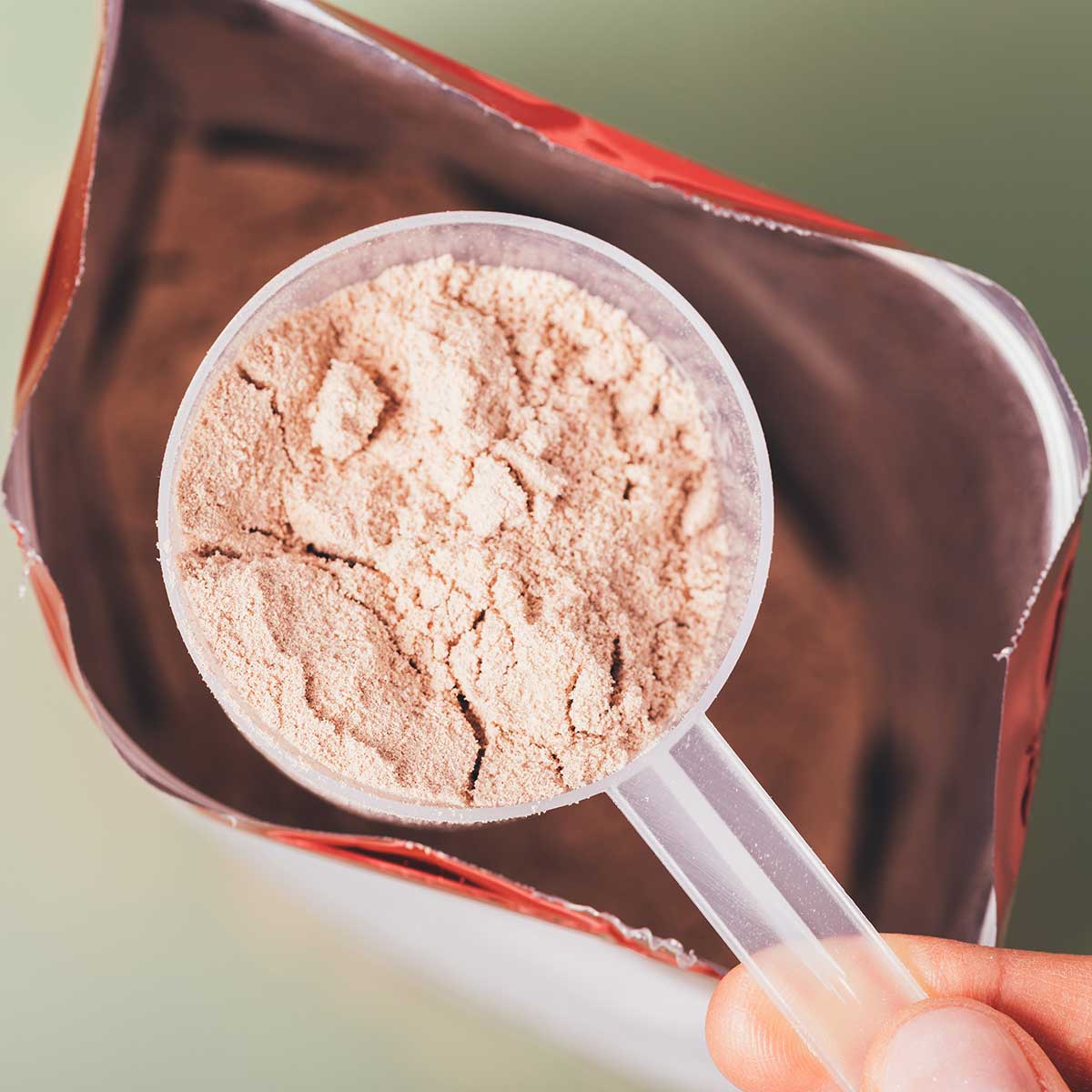
scoop of powder and a pouch

Why Powders Dominate Hydration Supplements

In sports, powder accounted for a share of 64.11% of the global revenue in 2023. Bagged powder formats accounted for 44.50% of the global electrolyte revenue in 2023. Powders remain the dominant format because they allow:

  • higher electrolyte inclusion
  • customizable dosing
  • better ingredient compatibility
  • faster absorption

They also align with the rapid growth of portable hydration stick packs and sachets, which are widely used across sports, travel, and everyday wellness products.

How Hydration Supplements Are Evolving

Hydration has become one of the fastest-growing categories in the supplement industry as consumers increasingly recognize the connection between fluid balance, cellular function, and overall performance.

Today’s hydration products go far beyond basic electrolyte replacement. In this video, we explore how the hydration category is evolving and how brands can formulate products that align with current market trends.

Emerging Hydration Segments

Hydration is no longer just a sports-recovery category. The hydration category is expanding rapidly into specialized use cases. It is becoming a year-round, multifunctional platform for focus, beauty-from-within, healthy aging, GLP-1-adjacent support, and recovery.  These five segments illustrate how hydration supplements are evolving to address specific consumer needs.

Segment 1: Hydration for Focus and Cognitive Performance

Consumer Need: Mental Performance and Productivity

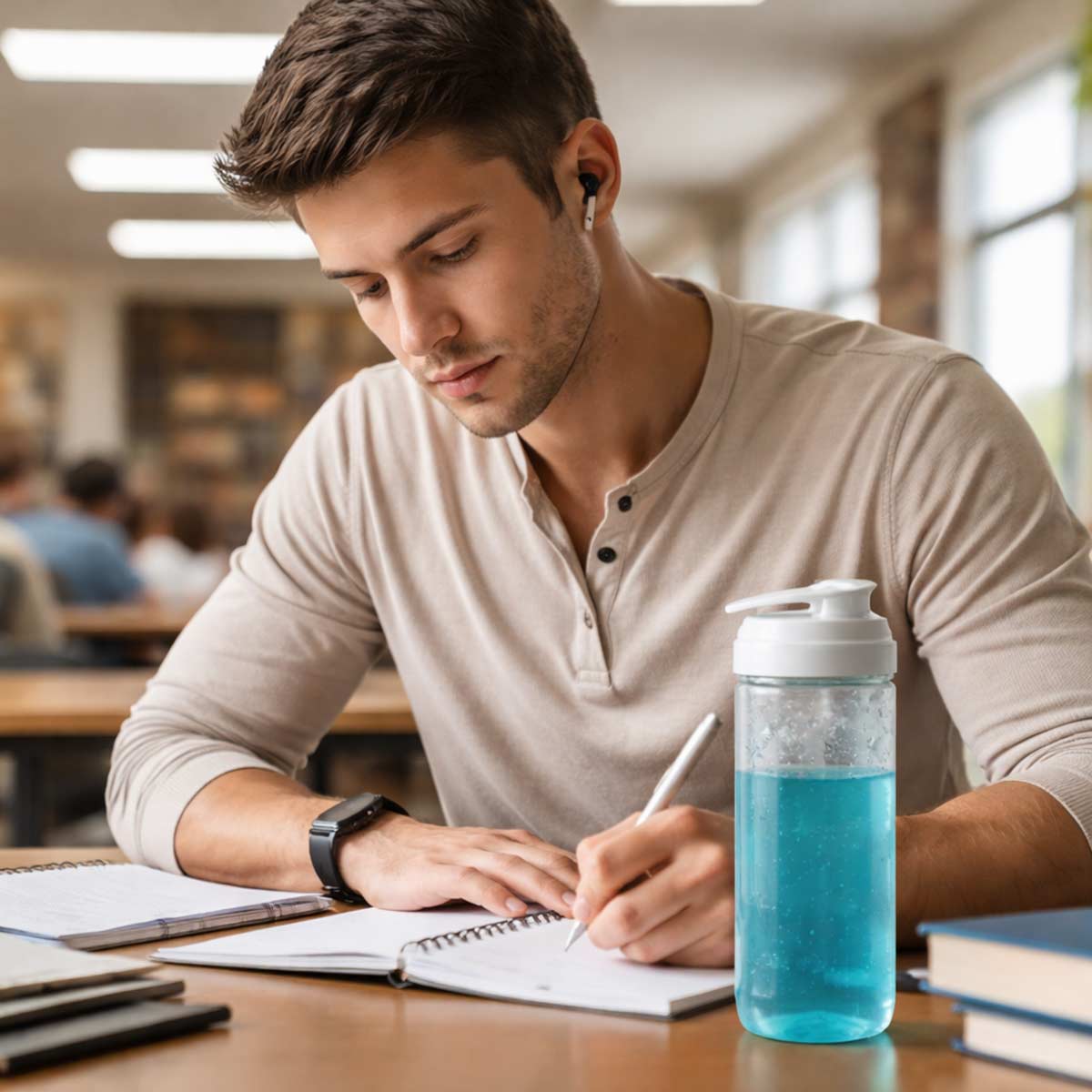
A review indexed in Europe PMC reports that being dehydrated by just 2% can impair performance in tasks involving attention, psychomotor ability, and immediate memory. Europe PMC

Modern professionals and students face long hours of digital work, constant information processing, and high cognitive demands. Many consumers are seeking nutritional solutions that support:

  • mental clarity
  • sustained focus
  • reduced fatigue
  • improved productivity

Hydration plays a critical role in cognitive performance.

Research shows that even mild dehydration of about 1–2% body weight loss can impair attention, memory, and executive function.

Studies also show that dehydration can negatively affect mood, reaction time, and mental performance during demanding tasks.

Because the brain is approximately 75% water, even small reductions in hydration can influence neurological processes and cognitive efficiency.

student studying for an exam with his hydration drink

Consumer Trend Insight

Functional hydration products targeting mental clarity and productivity are gaining popularity among knowledge workers, students, and high-performance professionals.

Ideal Formats and Packaging

  • Stick-pack hydration powders
  • portable hydration packets

Market Positioning

  • Hydration for focus and productivity
  • Clean energy hydration
  • Workday performance hydration

Common Functional Ingredient Stack

  • Sodium
  • Potassium
  • Magnesium
  • L-theanine
  • Low-dose caffeine
  • B-complex vitamins
  • Taurine

Segment 2: Beauty-From-Within Hydration

Consumer Need: Skin Hydration and Radiance

Because skin hydration is influenced by both external care and internal wellness, many brands are positioning ingestible beauty products as a way to support moisture balance from the inside out. Nutraceuticals World

middle-aged woman looking at her skin in the mirror with a collagen drink

Consumers increasingly view skin health as a reflection of internal wellness. Beauty-from-within supplements aim to support:

  • skin hydration
  • elasticity
  • skin barrier function
  • visible radiance

Skin physiology is strongly influenced by hydration status.

Dehydration can contribute to:

  • dryness
  • reduced elasticity
  • dull skin appearance
  • impaired barrier function

Scientific reviews show hydration plays an important role in maintaining skin structure, barrier integrity, and overall skin health.

Consumer Trend Insight

The beauty-from-within supplement category continues expanding as consumers seek holistic approaches to skin health, including hydration-focused formulations.

Ideal Formats and Packaging

  • Collagen hydration powders
  • Beauty hydration stick packs
  • Functional drink mixes

Market Positioning

  • Inner hydration for radiant skin
  • Glow hydration formula
  • Beauty hydration blend

Common Functional Ingredient Stack

  • Electrolytes (sodium, potassium)
  • Hyaluronic acid
  • Collagen peptides
  • Vitamin C
  • Ceramides or antioxidant carotenoids

Segment 3: Longevity and Healthy Aging Hydration

Consumer Need: Resilience and Vitality With Age

An NIH-backed study followed 11,255 adults over 30 years and found that adults with higher serum sodium levels within the normal range, a marker associated with lower fluid intake, had worse aging-related outcomes. NIH

Older adults face several physiological challenges that increase dehydration risk:

  • reduced thirst perception
  • decreased kidney function
  • medication effects
  • lower total body water

Hydration becomes increasingly important with aging.

Dehydration can contribute to:

  • fatigue
  • reduced physical performance
  • cognitive impairment
  • increased cardiovascular stress

Reviews of hydration science indicate that maintaining adequate hydration supports neurological, cardiovascular, and metabolic health throughout aging.

elderly male playing chess and drinking a hydration supplement beverage for longevity

Consumer Trend Insight

The healthy aging and longevity market is expanding rapidly as global populations age and consumers seek strategies to maintain vitality. Hydration supplements positioned for daily wellness and active aging are emerging within this trend.

Ideal Formats and Packaging

  • Daily hydration stick packs
  • electrolyte powders

Market Positioning

  • Active aging hydration
  • Daily vitality hydration
  • Longevity hydration support

Common Functional Ingredient Stack

  • Sodium
  • Potassium
  • Magnesium
  • Taurine
  • Collagen peptides
  • CoQ10

Segment 4: GLP-1 Support Hydration

Consumer Need: Nutritional Support During Weight Loss

An estimated 30 to 50 million people in the U.S. are potential GLP-1 drug users. People taking GLP-1s dramatically reduce how much they eat because the drug suppresses appetite. This leads to side effects that may lower their quality of life. Nutritional Outlook

feet on a scale next to a measuring tape and a hydration beverage

The rapid adoption of GLP-1 medications for weight management has created new nutritional needs for many consumers.

These medications often reduce appetite and food intake, which can lead to:

  • lower fluid intake
  • reduced nutrient consumption
  • digestive discomfort
  • loss of muscle mass during weight loss

Hydration supplements offer a practical solution by delivering nutrients in small volumes of liquid, which can be easier to consume when appetite is reduced.

Consumer Trend Insight

The GLP-1 market has expanded rapidly, creating new opportunities for supplements that support metabolic wellness, hydration, and nutrient density.

Ideal Formats and Packaging

  • protein hydration powders
  • nutrient-dense hydration stick packs
  • electrolyte-protein drink mixes

Market Positioning

  • Metabolic wellness hydration
  • Hydration and nourishment support

Common Functional Ingredient Stack

  • Electrolytes
  • Protein
  • Prebiotic fiber
  • Probiotics
  • B vitamins

Segment 5: Recovery Hydration

Consumer Need: Rapid Rehydration After Fluid Loss

Recovery hydration remains one of the most scientifically established applications of hydration supplements. SPINS describes hydration as expanding across segments including fitness recovery, daily wellness, heat management, and sick day or hangover recovery.

Consumers seek recovery hydration products when experiencing:

  • illness or gastrointestinal distress
  • intense physical exertion
  • heat exposure
  • travel fatigue
  • dehydration

When the body loses fluids, it also loses electrolytes.

This imbalance can lead to symptoms including:

  • fatigue
  • dizziness
  • muscle cramps
  • decreased physical performance

Moderate dehydration (3–5% body water loss) can impair physical and cognitive function and increase cardiovascular strain.

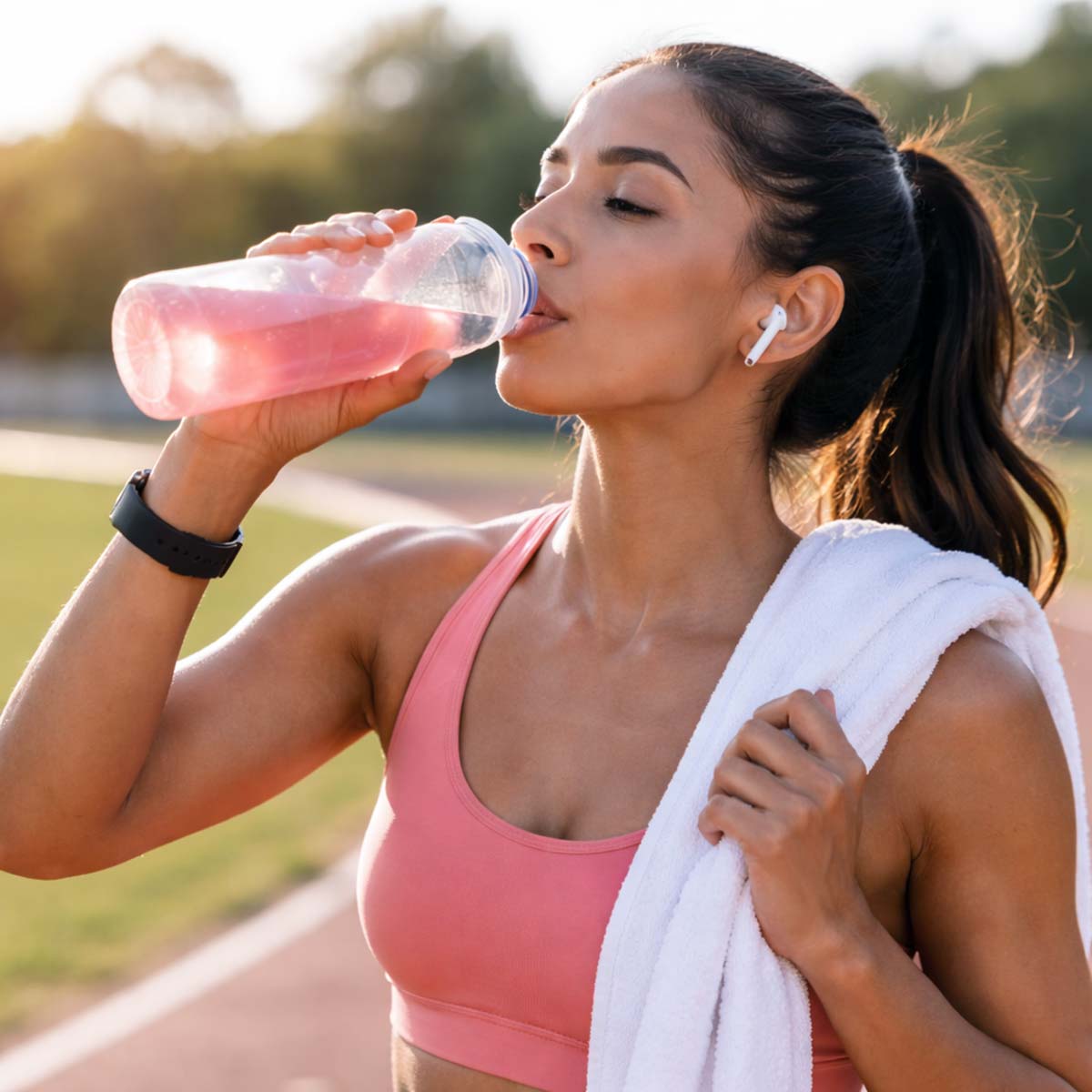
woman drinking hydration beverage after a run

Consumer Trend Insight

Recovery-focused hydration supplements remain one of the largest segments of the hydration category, particularly among athletes, travelers, and active consumers.

Ideal Formats and Packaging

  • rapid hydration stick packs
  • oral rehydration drink mixes
  • electrolyte recovery powders

Market Positioning

  • Rapid hydration recovery
  • Travel hydration support
  • Heat recovery hydration

Common Functional Ingredient Stack

  • Sodium
  • Potassium
  • Glucose or dextrose
  • Magnesium
  • Zinc
  • Vitamin C

Manufacturing and Regulatory Considerations

Hydration supplements present several formulation and compliance considerations.

Electrolyte Balance

Effective hydration formulas require appropriate sodium-to-potassium ratios to support fluid absorption.

Claims Compliance

Hydration supplements should use structure-function claims, such as:

  • supports hydration
  • replenishes electrolytes
  • supports wellness

Avoid disease-treatment claims.

Flavor Optimization

Electrolytes often produce salty or metallic taste profiles. Advanced flavor-masking systems are essential.

Ingredient Compatibility

Protein, fiber, and electrolytes may influence:

  • solubility
  • viscosity
  • product stability

Conclusion

Hydration supplements are becoming a cornerstone of modern functional nutrition. As consumer demand continues to grow, brands can differentiate through:

  • targeted ingredient stacks
  • convenient delivery formats
  • innovative positioning

Intermountain Nutrition partners with supplement brands to develop custom hydration supplement formulations tailored to emerging market trends, helping companies bring innovative products to market.

Frequently Asked Questions

Electrolytes such as sodium, potassium, and magnesium are the foundation of most hydration supplements because they help regulate fluid balance, nerve signaling, and muscle contraction.

Many modern hydration formulas also include functional ingredients such as amino acids, vitamins, collagen, or nootropics depending on the product’s intended benefits. For example, hydration products targeting cognitive performance may include L-theanine and caffeine, while beauty-focused hydration supplements may incorporate collagen peptides and hyaluronic acid.

The most effective hydration formulas typically combine electrolytes with ingredients that support specific health outcomes, such as recovery, metabolic health, or skin wellness. However, the exact formulation depends on the product’s positioning, serving size, and target consumer segment.

Hydration supplements are growing rapidly because consumers increasingly recognize hydration as a foundational element of health and performance. The U.S. hydration supplement market was valued at roughly $3.5 billion in 2024 and is projected to reach about $7.2 billion by 2034.

Additionally, hydration products have expanded beyond athletic performance into broader wellness categories such as cognitive performance, beauty-from-within, and healthy aging. Convenient delivery formats like stick packs and electrolyte powders have also contributed to the category’s growth by making hydration supplements easier to incorporate into daily routines.

Powdered hydration supplements are currently the most popular format because they allow meaningful inclusion of electrolytes and functional ingredients.

Stick packs are especially popular because they are portable, easy to use, and convenient for travel or daily routines. Drink mixes are also widely used in the hydration category. These formats dissolve easily in water and allow manufacturers to balance flavor, ingredient stability, and electrolyte levels effectively.

In contrast, capsules or gummies typically cannot deliver the electrolyte quantities needed for effective hydration.

No. While hydration supplements originally gained popularity among athletes and endurance sports communities, they are now used across many different consumer segments.

Today’s hydration products target everyday wellness needs including cognitive performance, travel recovery, skin hydration, and metabolic health. As a result, hydration supplements are increasingly marketed as daily wellness products rather than niche sports nutrition products.

This shift reflects a broader understanding that proper hydration supports multiple physiological systems, including neurological, cardiovascular, and metabolic health.

Brands developing hydration supplements should carefully consider ingredient compatibility, flavor optimization, and regulatory compliance. Electrolytes can create challenging taste profiles, which often require specialized flavor systems to achieve consumer-friendly products.

Manufacturers must also ensure proper electrolyte ratios and ingredient stability during production and shelf storage. Additionally, companies should avoid making disease-treatment claims and instead focus on structure-function messaging related to hydration support, electrolyte balance, and wellness benefits.

Working with experienced manufacturing partners can help brands develop stable, compliant, and effective hydration formulations.

References

Armstrong, L. E., Ganio, M. S., Casa, D. J., Lee, E. C., McDermott, B. P., Klau, J. F., Jimenez, L., Le Bellego, L., Chevillotte, E., & Lieberman, H. R. (2012). Mild dehydration affects mood in healthy young women. The Journal of Nutrition, 142(2), 382-388.

Benton, D., & Young, H. A. (2015). Do small differences in hydration status affect mood and mental performance? Nutrition Reviews, 73(Suppl. 2), 83-96.

Cheuvront, S. N., & Kenefick, R. W. (2014). Dehydration: Physiology, assessment, and performance effects. Comprehensive Physiology, 4(1), 257-285. PMID: 24692140.

Ganio, M. S., Armstrong, L. E., Casa, D. J., McDermott, B. P., Lee, E. C., Yamamoto, L. M., Marzano, S., Lopez, R. M., Jimenez, L., Le Bellego, L., Chevillotte, E., & Lieberman, H. R. (2011). Mild dehydration impairs cognitive performance and mood of men. British Journal of Nutrition, 106(10), 1535-1543. 

Grandjean, A. C., & Grandjean, N. R. (2007). Dehydration and cognitive performance. Journal of the American College of Nutrition, 26(5 Suppl.), 549S-554S.

Khandelwal, M., et al. (2021). Oral hyaluronan relieves wrinkles and improves dry skin: A randomized, double-blind, placebo-controlled study. Nutrients, 13(7), 2220.

Kenefick, R. W., & Cheuvront, S. N. (2012). Hydration for recreational sport and physical activity. Nutrition Reviews, 70(Suppl. 2), S137-S142.

Masento, N. A., Golightly, M., Field, D. T., Butler, L. T., & van Reekum, C. M. (2014). Effects of hydration status on cognitive performance and mood. British Journal of Nutrition, 111(10), 1841-1852.

Michelotti, A., Cestone, E., De Ponti, I., Pisati, M., Sparta, E., & Tursi, F. (2021). Oral intake of full-spectrum hyaluronan improves skin profilometry and aging parameters: A randomized, double-blind, placebo-controlled trial. European Journal of Dermatology, 31(6), 798-805. 

Montero-Vilchez, T., Gálvez-Martín, P., Sanabria-de la Torre, R., Cuenca-Barrales, C., Molina-Leyva, A., Martínez-Puig, D., Velasco-Álvarez, J., & Arias-Santiago, S. (2025). Oral supplementation with a hyaluronic acid matrix ingredient improves skin hydration, smoothness, and brightness: A randomized, double-blind, placebo-controlled trial. Dermatology and Therapy

Popkin, B. M., D’Anci, K. E., & Rosenberg, I. H. (2010). Water, hydration, and health. Nutrition Reviews, 68(8), 439-458.

Ritz, P., & Berrut, G. (2005). The importance of good hydration for day-to-day health. Nutrition Reviews, 63(6 Pt. 2), S6-S13.

Sawka, M. N., Burke, L. M., Eichner, E. R., Maughan, R. J., Montain, S. J., & Stachenfeld, N. S. (2007). American College of Sports Medicine position stand: Exercise and fluid replacement. Medicine & Science in Sports & Exercise, 39(2), 377-390. 

Wilson, MM., Morley, J. Impaired cognitive function and mental performance in mild dehydration. Eur J Clin Nutr 57 (Suppl 2), S24–S29 (2003).

Related Postings

woman taking hydration supplement capsules before a workout
a man's hands using gardening shears to gather holy basil on a sustainable farm
a woman drinking an electrolyte beverage on a break from jogging