Flavor Challenges in Hydration Supplements
April 3, 2026 | Focus on Formulation

April 3, 2026 | Focus on Formulation
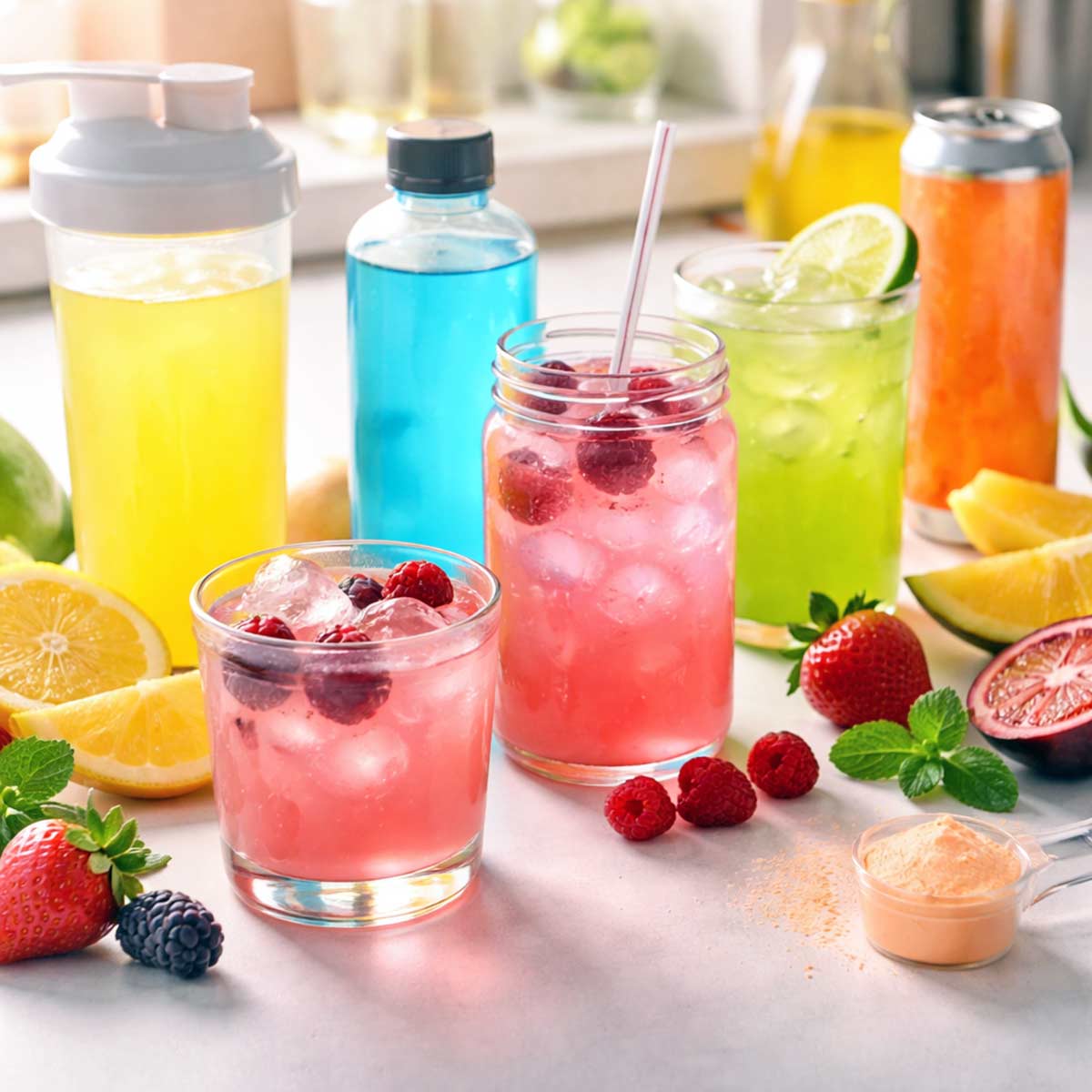
Hydration supplements have moved far beyond sports nutrition. Today, they sit at the intersection of performance, wellness, travel, and daily health routines. As a result, expectations have shifted.
On one hand, consumers want clinically effective doses of electrolytes. On the other, they expect a refreshing, enjoyable drinking experience that rivals mainstream beverages.
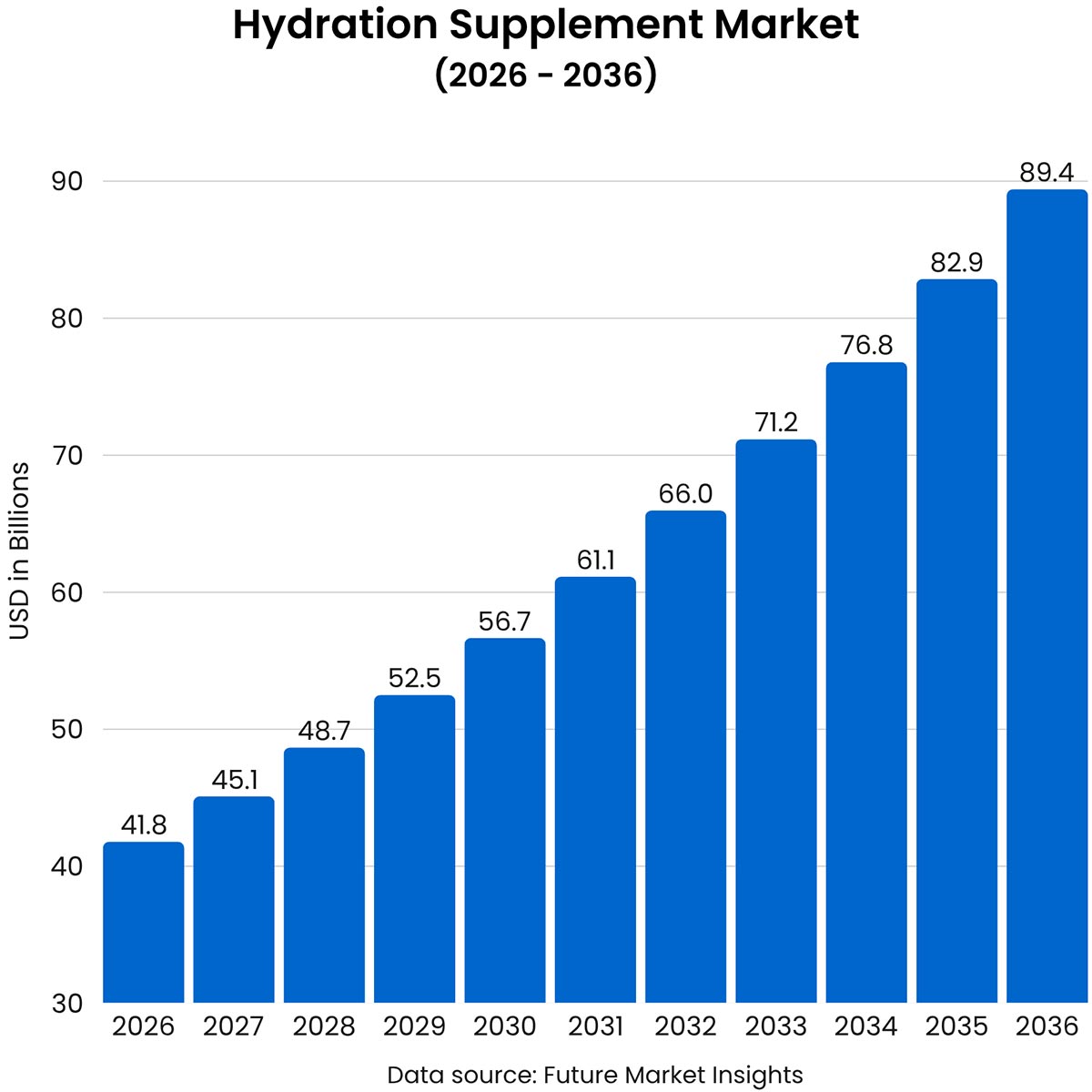
This tension is only intensifying. The global hydration supplement market is projected to grow from $41.8 billion in 2026 to $89.4 billion by 2036, driven by increasing demand for functional wellness products .
However, flavor remains one of the most common reasons products fail to scale.
Electrolytes are essential — but they are not flavor-friendly.
These compounds are critical for hydration because they regulate fluid balance, nerve signaling, and muscle function . Yet at effective doses, they create a sensory profile that consumers often reject.
Additionally, many hydration formulas include:
Each layer compounds the flavor complexity.
Potassium and magnesium are the primary culprits. Their off-notes linger and intensify with higher dosages.

Sodium is essential for hydration efficacy, but excessive saltiness quickly becomes unpalatable — especially in lifestyle-positioned products.

Consumers increasingly demand low- or zero-sugar options. However:
Brands are moving away from:
This limits formulation tools and increases complexity.
Flavor perception varies dramatically by format:
Flavor is not just a formulation issue. It’s a business-critical variable.
Even in high-growth categories, poor palatability limits:
Notably, 62% of active U.S. gym consumers report regular electrolyte drink use. That level of frequency means taste must hold up under daily consumption, not just occasional use.
In other words, hydration products must perform like both:
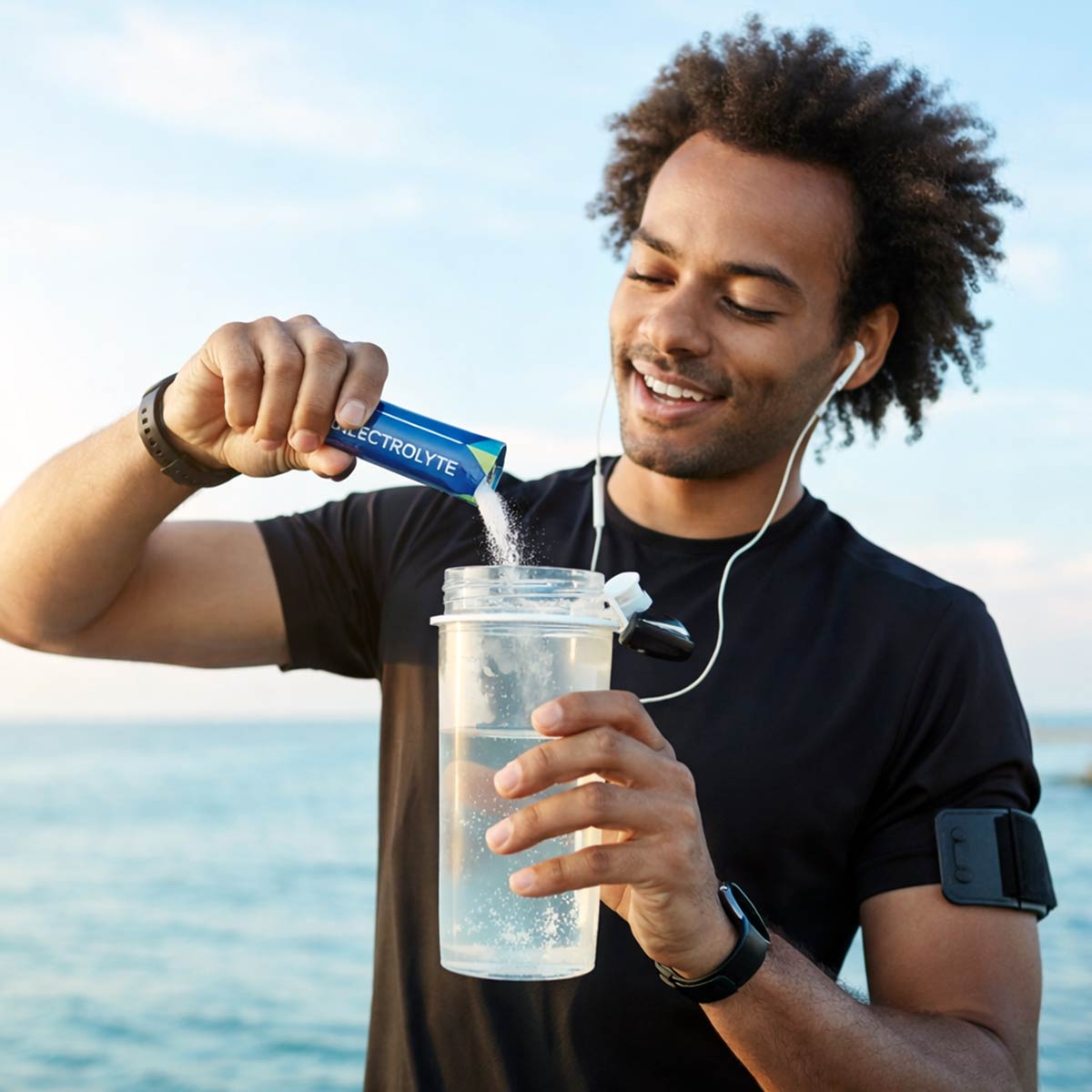
Designing hydration supplements requires balancing taste, stability, and efficacy to deliver a repeatable consumer experience.
Effective masking strategies combine natural flavors, bitterness blockers, and sweetness modulation. Layered systems help neutralize potassium and magnesium while preserving a clean-label profile.
Acidulants like citric, malic, and tartaric acids enhance brightness and reduce perceived saltiness. Proper acid balance improves flavor perception while supporting stability and solubility.
Blending sweeteners (e.g., stevia + monk fruit + small amounts of sugar) creates a more rounded taste profile. This approach reduces aftertaste and improves consumer acceptance.
Particle size, dispersion, and excipient selection directly impact texture. Poor solubility can create sedimentation and chalkiness — both major consumer complaints.

Formulators must align clinically relevant electrolyte levels with acceptable taste thresholds. Overloading actives often compromises usability.
Flavor degradation over time requires careful control of oxidation, moisture, and packaging systems.
Brands are shifting from sports-only to daily wellness use cases, requiring lighter, more approachable flavor profiles.
Consumers increasingly prefer:
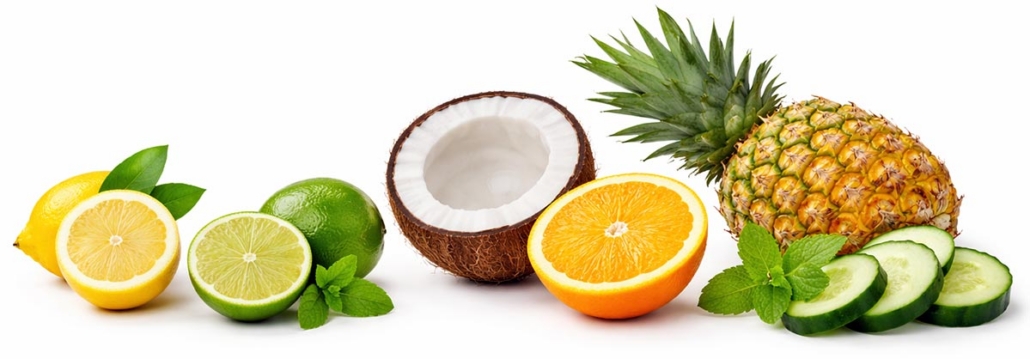
Powders and sticks dominate because they allow users to adjust flavor intensity and concentration—a key advantage in managing taste preferences.
The rise of “stacked hydration” reflects demand for multi-functional beverages combining:
However, each added ingredient increases flavor complexity.
Flavor is no longer a secondary consideration. It’s a primary driver of product success in hydration.
Brands that win in this category:
In a market growing at 7.9% CAGR globally, the difference between a good product and a scalable one often comes down to a single factor:
Will consumers actually want to drink it every day?
Hydration supplements present a unique formulation paradox: the very ingredients that make them effective also make them difficult to enjoy.
However, this challenge creates opportunity.
Brands that treat flavor as a core innovation pillar — not an afterthought — can unlock:
At Intermountain Nutrition, we work closely with brands to develop hydration solutions that balance performance, taste, and scalability — from concept through commercialization.
If you’re developing a hydration product, the question isn’t just what works.
It’s what works and tastes exceptional.
Why do hydration supplements taste salty or bitter?
Hydration supplements contain electrolytes like sodium, potassium, and magnesium, which naturally have strong sensory characteristics.
Sodium contributes saltiness, while potassium and magnesium often introduce bitterness and metallic notes. These flavors become more pronounced at clinically effective doses, making taste masking a critical part of formulation.
Without proper balancing, these off-notes can linger and reduce overall palatability, especially in daily-use products.
How do brands mask the taste of electrolytes?
Brands use a combination of strategies, including natural flavor systems, acidulants, and sweetener blends. Bitterness blockers and flavor modulators help neutralize metallic notes, while acids like citric acid enhance brightness and reduce perceived saltiness.
Layering multiple techniques is often necessary to create a balanced, clean-label product that still delivers effective electrolyte levels.
Are sugar-free hydration products harder to formulate?
Yes — significantly. Sugar naturally masks bitterness and improves mouthfeel, so removing it exposes the harsher characteristics of electrolytes.
Formulators must rely on alternative sweeteners and advanced masking systems to achieve acceptable taste. This often requires more complex flavor systems and iterative testing to avoid aftertaste or imbalanced profiles.
Which formats are easiest for flavor optimization?
Powdered formats offer the most flexibility because they allow for adjustable dilution and easier flavor correction during development. Each format presents unique challenges, and the optimal choice depends on the target consumer and use case.
What flavors work best in hydration supplements?
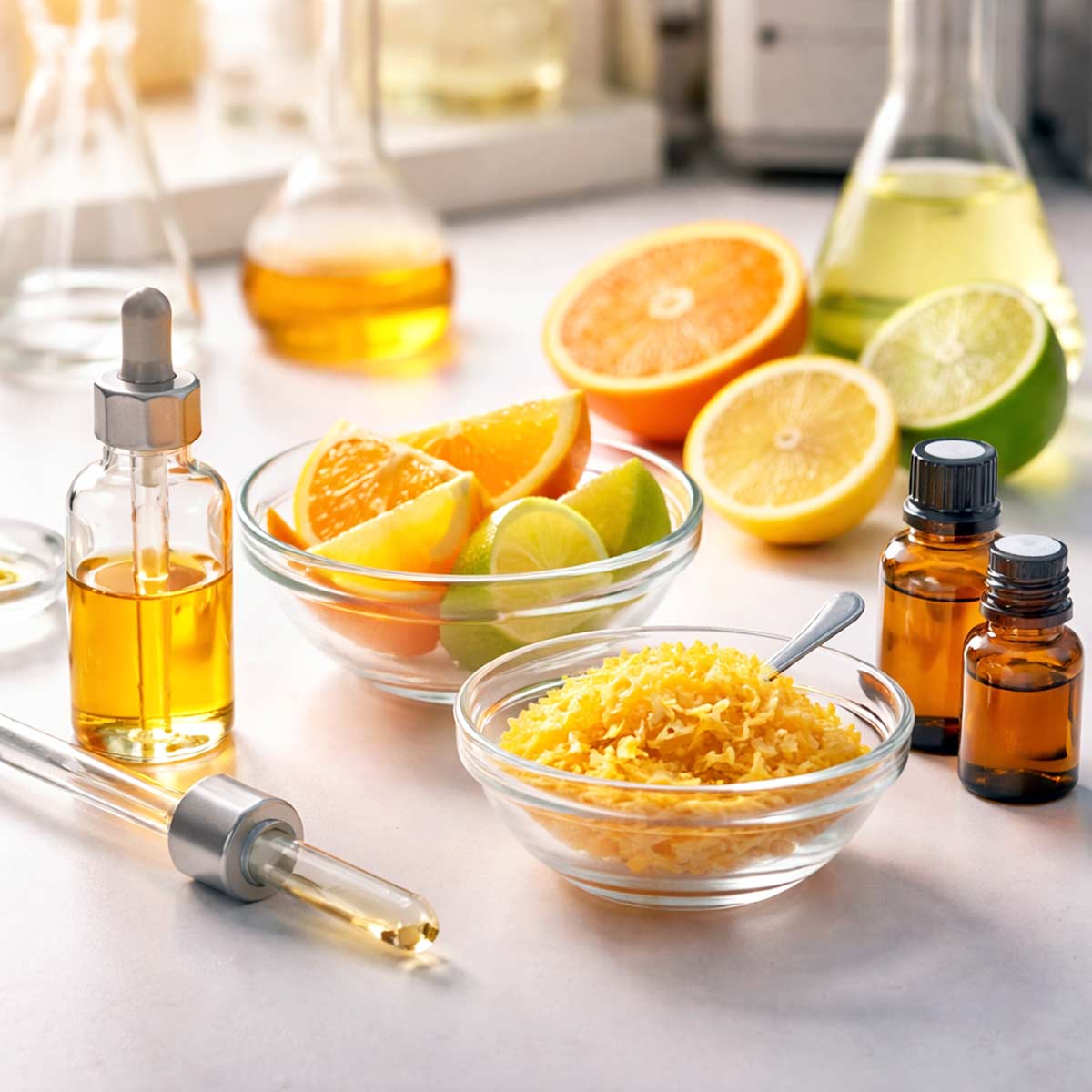
Citrus flavors — such as lemon, lime, and orange — are the most effective because their natural acidity helps mask saltiness and bitterness. Tropical flavors like pineapple and coconut also perform well, especially in lifestyle-oriented products.
Increasingly, brands are exploring botanical and refreshing profiles like cucumber-mint to differentiate in a crowded market.
Food & Wine. (2025, February 27). What is stacked water? The newest hydration trend, explained.
Future Market Insights. (2026, January 3). Hydration supplement market: Global market analysis report 2026 to 2036.
Glanbia Nutritionals. (2025, March 25). Global trends in hydration.
Glanbia Nutritionals. (2025, January 28). U.S. sports nutrition outlook for 2025.
Hu, S., Liu, X., Zhang, S., & Quan, D. (2023). An overview of taste-masking technologies: Approaches, applications, and assessment methods. AAPS PharmSciTech, 24(67).
Mao, Y., Zhang, Z., Liu, L., Qin, Y., Qin, Z., Cao, Y., Zou, X., Shi, J., & Tian, S. (2025). Dynamic interaction of sweet and sour taste perceptions based on sucrose and citric acid. npj Science of Food, 9, 152.
MedlinePlus. (n.d.). Electrolytes. U.S. National Library of Medicine.
MedlinePlus. (n.d.). Fluid and electrolyte balance. U.S. National Library of Medicine.
MedlinePlus. (n.d.). Sodium. U.S. National Library of Medicine.
Zhou, R., Zhu, J., Li, Y., Hua, Y., Niu, Y., Zhang, J., Xiao, Z., & Zhao, L. (2025). The evaluation of interactions and molecular mechanisms between acidic and sweet substances. Food Bioscience, 107915.
 https://intermountainnutrition.com/wp-content/uploads/2026/03/clean-label-2.0-formulations-27B.jpg
1200
1200
Larisa Graham
https://intermountainnutrition.com/wp-content/uploads/2026/01/IMN-gradient-logo-NEW.png
Larisa Graham2026-04-01 21:38:592026-04-04 02:06:45The Clean Label Movement 2.0
https://intermountainnutrition.com/wp-content/uploads/2026/03/clean-label-2.0-formulations-27B.jpg
1200
1200
Larisa Graham
https://intermountainnutrition.com/wp-content/uploads/2026/01/IMN-gradient-logo-NEW.png
Larisa Graham2026-04-01 21:38:592026-04-04 02:06:45The Clean Label Movement 2.0 https://intermountainnutrition.com/wp-content/uploads/2026/03/fermented-botanicals-for-recovery-09.jpg
1200
1200
Larisa Graham
https://intermountainnutrition.com/wp-content/uploads/2026/01/IMN-gradient-logo-NEW.png
Larisa Graham2026-03-30 14:16:392026-04-03 19:17:35The Rise of Fermented Botanicals
https://intermountainnutrition.com/wp-content/uploads/2026/03/fermented-botanicals-for-recovery-09.jpg
1200
1200
Larisa Graham
https://intermountainnutrition.com/wp-content/uploads/2026/01/IMN-gradient-logo-NEW.png
Larisa Graham2026-03-30 14:16:392026-04-03 19:17:35The Rise of Fermented Botanicals https://intermountainnutrition.com/wp-content/uploads/2026/03/supplement-formulation-research-06.jpg
1200
1200
Larisa Graham
https://intermountainnutrition.com/wp-content/uploads/2026/01/IMN-gradient-logo-NEW.png
Larisa Graham2026-03-27 16:43:432026-04-03 19:18:36Formulation First
https://intermountainnutrition.com/wp-content/uploads/2026/03/supplement-formulation-research-06.jpg
1200
1200
Larisa Graham
https://intermountainnutrition.com/wp-content/uploads/2026/01/IMN-gradient-logo-NEW.png
Larisa Graham2026-03-27 16:43:432026-04-03 19:18:36Formulation First
