Top 10 Trends from SupplySide Global 2026

November 3, 2026 |

From strong interest in creatine gummies to new conversations about delivery systems, healthspan, and functional formats, these are the trends that caught our attention at SupplySide Global 2026.

At a Glance

  • Buyers were looking for delivery technologies that could address formulation needs such as stability, dispersibility, and compatibility.
  • Creatine appeared in new formats and gaining attention beyond traditional sports nutrition.
  • Longevity conversations centered increasingly on healthspan and everyday function.
  • Functional mushrooms and biotics were showing up in broader wellness conversations.
  • Women’s health concepts reflected different needs across life stages.
  • Flavor, convenience, and clear product purposes remained important parts of product development.

What We Noticed on the SupplySide Global 2026 Show Floor

SupplySide Global brought supplement brands, ingredient suppliers, manufacturers, and product developers together at the Mandalay Bay in Las Vegas, Nevada. Across the show floor, conversations, and product concepts, we saw a shared focus on making innovation more purposeful: choosing ingredients for a clear reason, finding formats that fit real routines, and creating products that deliver on taste, quality, and value.

This recap shares ten trends that stood out to us at SupplySide Global 2026.

1. Delivery Systems Need to Solve a Real Formulation Challenge

ILLUSTRATION: Liposomal Delivery System

A supplement ingredient has to do more than look compelling on a label. It needs to work in the formula, remain stable through production and storage, and suit the product’s format and serving size.

Depending on the ingredient, developers may also need to consider how it disperses, tastes, or behaves during digestion. That’s why delivery systems matter: they can help address specific formulation challenges and influence how an ingredient is presented to the body.

One approach that came up in show-floor conversations was liposomal delivery. Liposomes are tiny, spherical structures made from phospholipids, a class of fats that also forms part of cell membranes. In a supplement, these structures carry an ingredient within or alongside phospholipid layers. Formulators explore liposomal delivery for ingredients that may be difficult to disperse, formulate, or protect in conventional formats.

Renewed interest in liposomal supplements reflects a wider focus on bioavailability, stability, and differentiated delivery technologies. One supplier’s SupplySide recap described buyer questions about water dispersibility, technical validation, and compatibility with the intended application.

Those are the right questions to ask: “liposomal” doesn’t automatically mean better absorption or better results. Performance depends on the ingredient and the finished formulation, so brands should review relevant data and assess the system in the format they plan to sell.

2. Creatine Is Moving Beyond the Traditional Powder

We saw firsthand how much interest there is in creatine: our creatine gummy samples were in high demand at the Intermountain Nutrition booth. That response fits a larger shift. Creatine is no longer marketed only to young men focused on gym performance. Brands are increasingly connecting it with women’s wellness, healthy aging, strength, everyday activity, and emerging interest in cognitive health and mental energy.

Several factors are helping renew interest. More consumers are learning about creatine beyond its traditional sports-nutrition role. At the same time, gummies, chewables, and ready-to-drink concepts make it easier to consider creatine as part of a broader wellness routine.

Social and consumer conversations may also be introducing the ingredient to people who might never have picked up a conventional workout powder.

Retail data provide one sign of this momentum. SPINS data reported by Nutritional Outlook showed creatine sales up 71.9% in the mainstream multi-outlet performance category for the 52 weeks ending November 30, 2025. The same report noted 48.9% growth in the natural-channel energy-support category. These figures describe specific channels and time periods, rather than the entire market, but they illustrate the ingredient’s growing visibility.

New formats also bring practical product-development questions. Creatine stability can be challenging in some applications, including gummies and liquids. Ingredient form, serving size, processing conditions, moisture, acidity, and shelf life all need consideration early in development. A new format may attract interest, but it still has to deliver a consistent product.

3. GLP-1 Support Is Becoming a Broader Nutrition Conversation

At SupplySide Global, GLP-1-related product concepts reflected growing interest in supporting people who use GLP-1 medications. The conversation included protein, fiber, hydration, nutrient intake, and muscle preservation — areas that may matter when appetite or food intake changes.

Product developers also discussed support for people experiencing side effects, such as digestive discomfort. For brands, the key is to define the specific support need and build a product concept around it.

These products should not imply that a supplement treats medication side effects, replaces a prescription, or acts like a GLP-1 medication. Instead, brands should explain each ingredient’s intended role and ensure their product language is clear and substantiated. FDA guidance distinguishes structure/function claims from disease claims, so claims deserve careful review.

4. Longevity Is Becoming a Healthspan Conversation

At SupplySide Global, longevity was a common topic of discussion. And the conversations increasingly focused on healthspan: maintaining strength, mobility, cognitive function, energy, and everyday vitality over time.

That shift makes longevity more practical for product development. Instead of relying on a broad “anti-aging” message, brands can focus on a clearer need, such as supporting mobility, muscle health, or cognitive wellness, and explain how the product fits that purpose.

Interest in biohacking and personal health tracking adds another dimension. Some consumers use wearables and other tools to monitor sleep, activity, and recovery, then seek products that align with their goals.

For brands, the opportunity is to connect that interest to a well-defined product story, relevant evidence, and a format consumers can use consistently. Longevity appeared in ingredient discussions and product concepts spanning cellular health and everyday function.

5. Functional Mushrooms Are Reaching More Consumers — and More Benefit Areas

Functional mushrooms are getting attention beyond their earlier association with immune support. At SupplySide and in broader industry coverage, mushroom ingredients appeared in concepts for cognition, focus, stress, sleep, energy, performance, and healthy aging. They’re also appearing in more formats, including gummies and functional beverages, which can make them easier to work into daily routines.

Among popular species, lion’s mane leads in sales and is often associated with cognitive wellness and focus. Cordyceps is gaining attention in energy, performance, and active-nutrition concepts. Reishi remains familiar in products focused on relaxation and stress support. Chaga and turkey tail also appear across the broader functional mushroom category.

SPINS data reported by NutraIngredients showed lion’s mane reached $224.3 million in sales across the covered channels for the 52 weeks ending September 6, 2026. Cordyceps was among the faster-growing major mushroom types in that dataset, while reishi also recorded growth. These figures apply to the channels and period reported; they aren’t a ranking of every market or sales channel.

As interest grows, so does the importance of ingredient identity and quality documentation. Product teams should understand which species and materials they’re using, how the ingredient is characterized, and what information supports the product’s positioning.

6. Gut Health Connects with Immunity, Metabolism & Healthy Aging

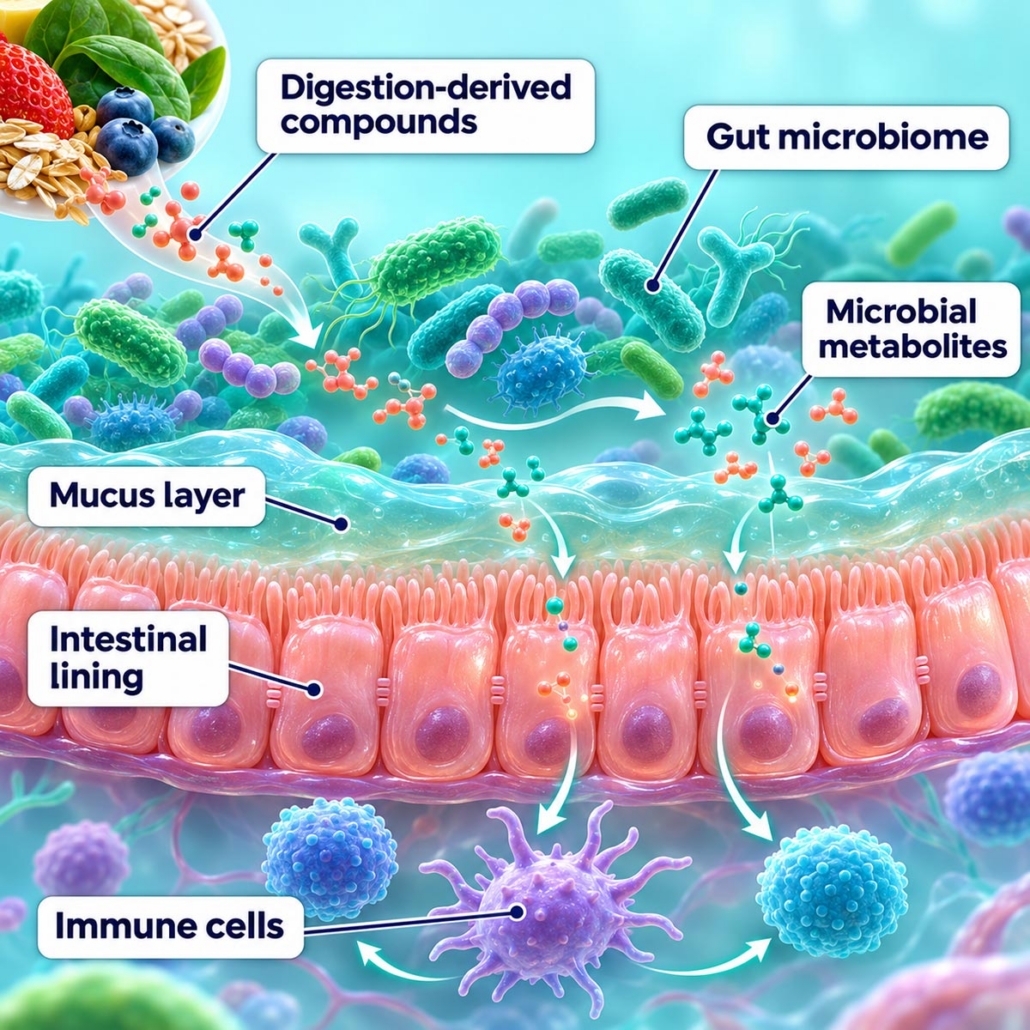
The gut is more than a place where food is digested. It’s also home to a varied community of microorganisms — the gut microbiome — that interact with the intestinal lining, the immune system, and compounds which are produced as food is digested. These relationships help explain why gut-health conversations now overlap with immunity, metabolic health, and healthy aging.

Microbes aren’t all interchangeable, and “more bacteria” isn’t automatically better. Different species and strains can have different functions. Their activity can also depend on diet, the gut environment, and interactions with other microbes. Researchers study not just which microbes are present, but what they do and what they produce, including metabolites that can influence the gut environment and signals in the body.

With aging, changes in both the microbiome and immune system can occur. Researchers are studying how those systems interact and how that relationship may connect with inflammation and aspects of healthy aging. This remains a complex, evolving area of research. For product teams, the useful starting point is specific: identify the microbe or ingredient, understand its intended role, and look for evidence relevant to that use.

Microbiome Interaction With Gut Lining And Immune Cells

7. Brain, Body & Energy Support Are Interconnected

Mental performance and physical performance don’t happen in separate systems. The brain depends on energy, sleep, and adequate nutrition, while physical activity can influence mood, alertness, and cognitive performance. That connection is bringing cognitive ingredients into active-nutrition products — and performance ingredients into products aimed at everyday energy and mental focus.

Creatine is one ingredient attracting attention across these areas. Its established role in muscle energy has helped introduce it to new audiences, while researchers continue to investigate potential cognitive applications. Other concepts connect hydration, energy, focus, and recovery as parts of an active routine.

This crossover creates room for thoughtful products, but it also makes clarity more important. A formula can address related needs, yet its primary purpose should still be easy to understand. Claims should match the specific ingredients, doses, and evidence behind the product.

8. Flavor & Sweetener Choices Are Becoming More Deliberate

Flavor trends vary by format, region, and audience, but several directions are showing up across 2026 outlooks. Familiar profiles such as citrus, berry, and orange remain important. At the same time, brands are exploring more distinctive notes, including yuzu, lychee, hibiscus, guava, and matcha. In gummies and powders, tropical blends, sour profiles, and dessert-inspired flavors can also make a product feel more engaging.

Sweetener choices are changing, too. Many brands are looking for ways to reduce added sugar or create lower-sugar products without sacrificing taste. Depending on the format and target consumer, developers may explore stevia, monk fruit, allulose, or combinations of sweeteners and flavor-modulating ingredients. Some concepts use a small amount of sugar or fruit-derived sweetness to round out the flavor rather than aiming for a fully sugar-free profile.

There isn’t one sweetener system that works for every product. The best choice depends on the ingredient’s taste, the desired sweetness, format, label goals, and consumer expectations. It’s especially useful to test flavor and sweetness alongside the active ingredients, since those ingredients can contribute bitterness, sourness, or other off-notes.

9. Convenient Formats Help Products Fit Real Routines

Convenience is about more than portability. Consumers may want something easy to take at work, on the way to the gym, while traveling, or as part of a morning or evening routine. That’s one reason gummies, chewables, single-serve powders, stick packs, and other ready-to-use formats are attracting attention.

Functional beverages are part of the same shift. They bring ingredients such as protein, creatine, mushrooms, or electrolytes into formats consumers already know how to use. A beverage can turn supplementation into a familiar occasion—something to drink with breakfast, after a workout, or during an afternoon break.

The format still has to suit the ingredient. Taste, solubility, stability, serving size, and shelf life all affect whether a beverage concept works. The opportunity is to make a product easier to use while preserving its purpose and quality. Start by identifying the routine the product should fit, then choose a format that supports the formula, sensory experience, and intended scale.

10. Women’s Health Is Being Considered Across Life Stages

Women’s health is moving beyond a narrow focus on fertility or menopause. At SupplySide Global, the topic appeared across life stages, from menstrual and reproductive health through pregnancy, postpartum recovery, perimenopause, menopause, and healthy aging. The underlying idea is straightforward: needs and priorities can change throughout life, so a single broad “women’s wellness” formula may not fit every consumer.

That creates opportunities for products designed around more specific needs and routines. It also asks more of product developers. Formulas should reflect the intended audience, use clear language, and be developed with care around ingredient selection, dose, format, and supporting evidence. A life-stage approach can make a product more relevant, while recognizing that individual experiences and needs vary.

Show programming and exhibitor concepts reflected this broader direction, with attention to women’s health at different life stages and targeted product formats.

What These Trends Mean for Supplement Brands

Taken together, these show-floor observations point toward more deliberate product development. New ingredients and formats may catch attention, but a strong product still has to answer practical questions:

  • Does the product address a clear consumer need?
  • Does each ingredient have a defined role?
  • Does the available evidence fit the ingredient, dose, and intended use?
  • Does the format work for both the formula and the consumer’s routine?
  • Have taste, stability, quality, scale, and cost been considered?
  • Can the brand explain the product’s value clearly and responsibly?

The strongest concepts aren’t simply collections of trending ingredients. They connect a specific need with a well-designed formula and an experience consumers can understand and use consistently.

Planning Your Next Supplement Product?

Intermountain Nutrition works with brands on supplement formulation and manufacturing across capsules, powders, and gummies. Our team can support projects from formulation and flavor development through testing, packaging, and production planning.

Talk with Intermountain Nutrition about turning your next product concept into a scalable plan.

Frequently Asked Questions

Show-floor themes included delivery technologies, creatine in new formats, GLP-1-related nutrition, longevity and healthspan, functional mushrooms, biotics, brain-and-body benefits, flavor, convenient formats, and women’s health across life stages.

Creatine is reaching new audiences beyond traditional sports nutrition, and gummies offer a familiar, convenient format. At our booth, visitors showed strong interest in our creatine gummy samples. A successful product still needs to address formulation details such as serving size, taste, stability, and shelf life.

Liposomal delivery uses tiny phospholipid structures called liposomes to carry an ingredient within or alongside their layers. Formulators explore this approach for specific delivery or formulation needs, but performance depends on the ingredient and finished product. Brands should review relevant supporting data.

Health priorities can shift across menstrual and reproductive years, pregnancy and postpartum, perimenopause, menopause, and healthy aging. Life-stage-focused products can address a more defined need, provided the formula and product story fit the intended audience and supporting evidence.

Intermountain Nutrition helps brands develop and manufacture supplements in capsules, powders, and gummies. Our team can support formulation, flavor development, pilot samples, testing, packaging, and production planning — helping brands evaluate emerging concepts and move suitable products toward scalable manufacturing.

Related Postings

Thermogenic Activation Tea Powder Stock Formula Supplement
GLP-1 Injector Pens
Ingredients for Metabolic Supplement Formulation